


Most travelers spend time thinking about what to pack, where to stay, and which flights to book. Few spare a thought for the small paper or plastic rectangle dangling from the handle of their checked bag. That tag, though, holds more personal information than many people realize, and it moves through some of the busiest, most public spaces in the world.
The good news is that protecting yourself doesn’t require a tech background or expensive gadgets. A handful of practical habits, paired with a clear understanding of how your information can be misused, is really all it takes.
Why Luggage Tags Create a Real Privacy Risk
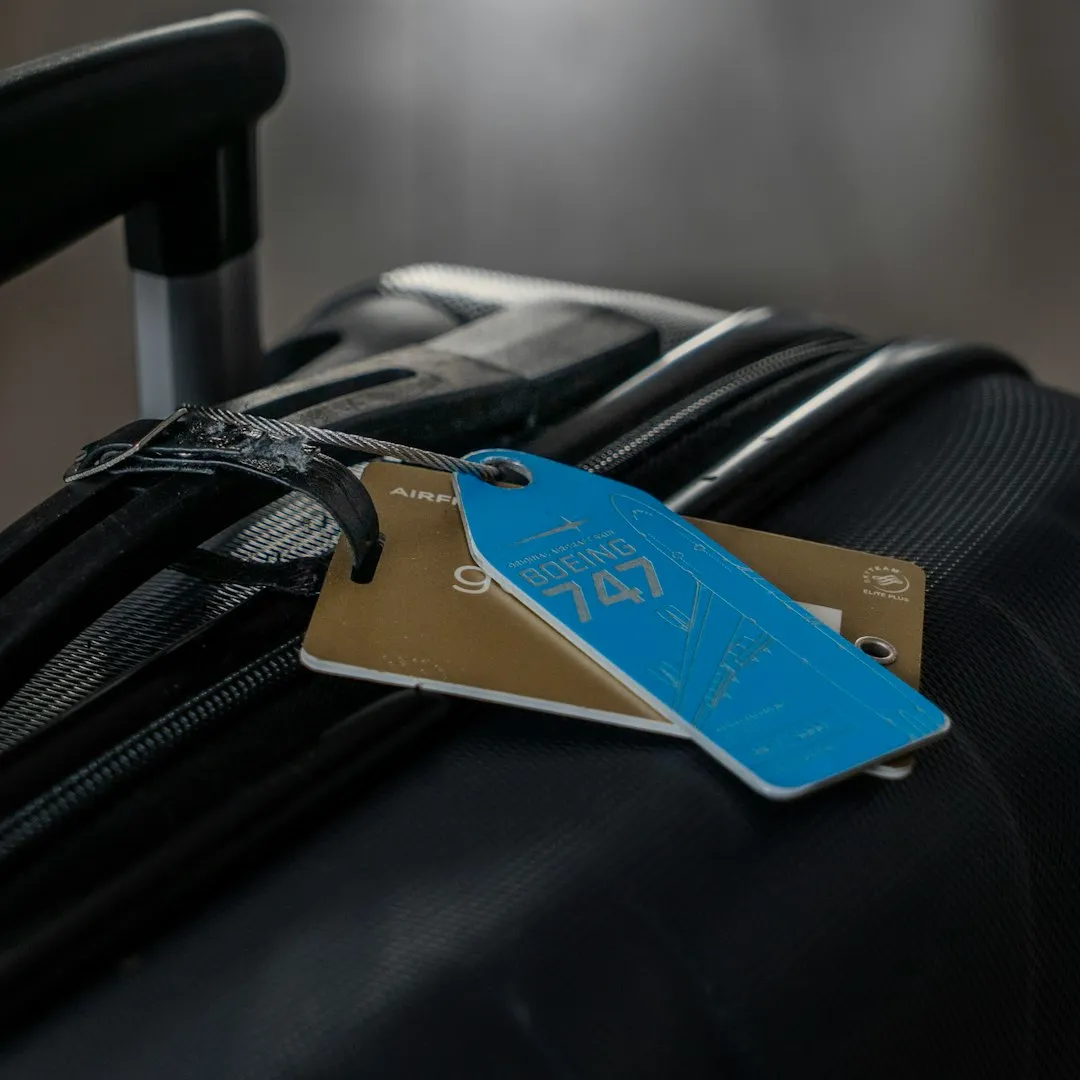
While luggage tags help identify lost bags, they can also expose your personal information to strangers, making you vulnerable to identity theft and other travel-related dangers. It’s easy to dismiss the risk because a name and phone number seem harmless in isolation. The problem is that airports are not isolated environments.
Many travelers overlook the security risks associated with displaying personal details like name, phone number, and home address on luggage tags. Whether you’re at the airport baggage claim, boarding a train, or moving through crowded spaces, exposed information can be misused for identity fraud, stalking, or scams.
Your luggage passes through many hands, including airline staff, baggage handlers, and hotel personnel, increasing the chance of unintended exposure. That’s a long chain of opportunity for your details to be seen, noted, or misused.
The Scale of Travel-Related Fraud in 2024 and 2025

A 2024 global study by the online protection company McAfee Labs revealed that roughly more than a quarter of Americans have fallen victim to travel-related scams, and around nearly a quarter of those victims lost more than $1,000 in a single incident. The scope of travel fraud is larger than most people expect.
Identity theft reports filed between January and September 2025 already exceed the total number filed in all of 2024, and losses have grown at an average rate of roughly 27 percent per year, signaling a sustained, structural escalation rather than a temporary spike. Luggage tag exposure feeds directly into this broader landscape.
What Your Airline-Issued Bag Tag Actually Contains

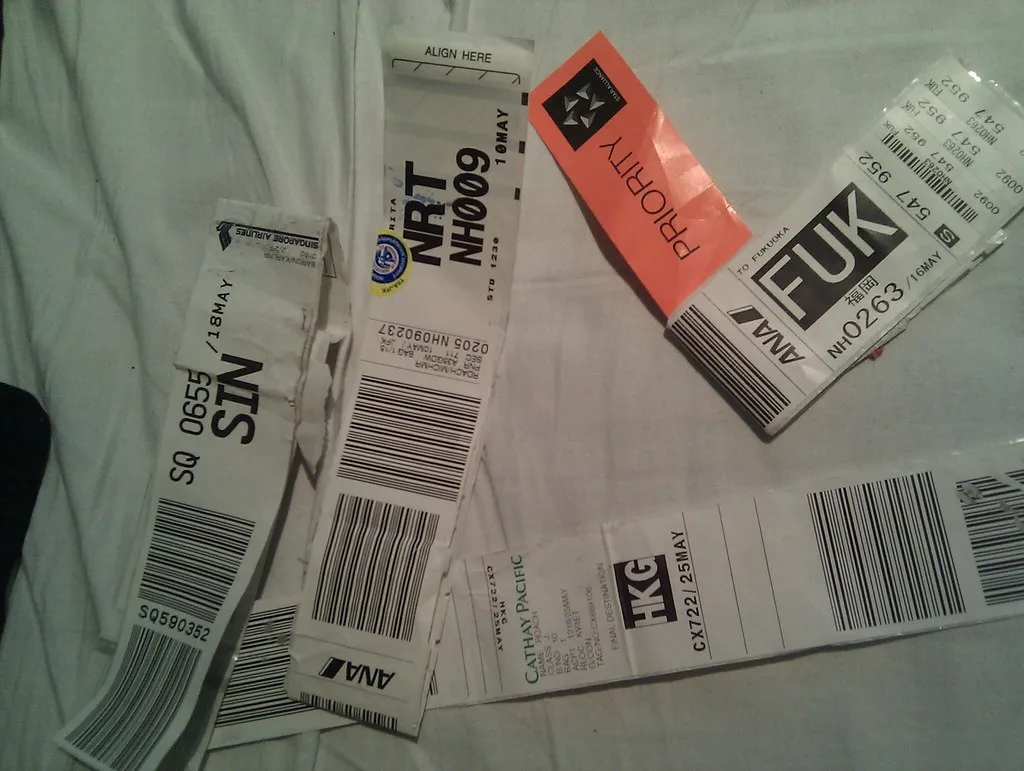
What many travelers don’t realize is that baggage tags have information scammers can use to commit fraud. A baggage tag contains your name, flight numbers, airline information, baggage number, and sometimes membership numbers. That’s a meaningful combination of data to leave lying around in public.
That unique baggage number isn’t random – it’s a direct link to your passenger record in the airline’s system. With it, a scammer could access details like your itinerary, your contact information, and even your home address. The barcode matters just as much as the printed text.
The barcode on your luggage tag can be scanned with a barcode or QR code reader or even a phone app. Once that code is read, it can unlock your frequent-flier account, which often holds a goldmine of information including past and upcoming trips, saved payment methods, and loyalty points. That means it’s not just about someone knowing where you’ve been or where you’re going – it’s about them having the tools to impersonate you.
The Growing Threat of Fraudulent Luggage Claims

The luggage tag scam is a documented and growing problem in 2025, with airport workers, especially baggage claims staff at major airlines, reporting a surge in fraudulent lost luggage claims tied to discarded tags. The mechanism is straightforward and alarmingly simple.
Scammers can use your name to create a fake email address and, after making up other contact information, submit a claim to an airline for a lost, delayed, or damaged bag. Victims who have had a tag stolen could run into issues if they need to file their own legitimate claim for luggage issues, leaving the airline’s baggage claim department to decide which claim is real and which is fake.
Travel security experts and industry observers note that while cases are increasing, the scam may not be extremely widespread or high-volume at this time. Most tags only contain limited information, such as name, flight number and baggage IDs, and airlines’ tracking systems can sometimes detect if a claim is fake by reviewing baggage scan logs and RFID tagging. Still, the potential for disruption to a legitimate traveler is real enough to take seriously.
Never Put These Details on a Personal Luggage Tag
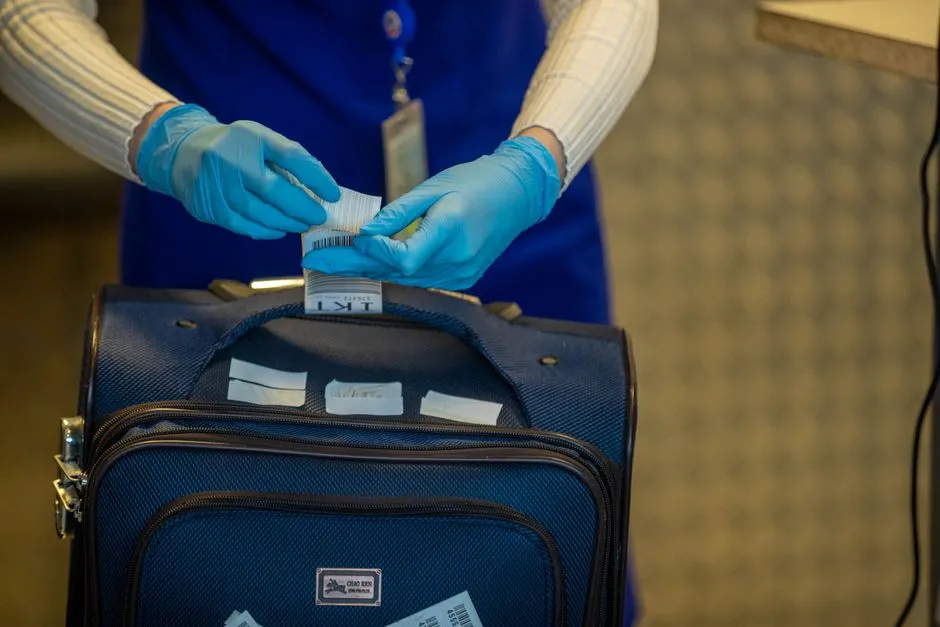
While it may seem like a good idea to put your full home address on your luggage tag, experts advise against it. This information can expose you to potential risks such as burglary or identity theft. Instead of your full address, experts suggest providing only your city and country. This provides enough information for the airline to identify where you’re from without giving away your exact location.
There’s zero reason to put your passport number, driver’s license number, or social security number on a luggage tag. Airlines don’t need them, and you’re just handing sensitive data to anyone who walks past your bag. These numbers are identity theft gold.
Don’t write your travel dates or list your full itinerary on a tag. You’re telling potential thieves exactly how long your house sits empty. The same principle applies to writing down travel plans or detailed routing information.
The Simple Flip Trick That Most Travelers Don’t Know

To protect your privacy, travel safety experts suggest flipping your luggage tag information backward. This keeps your details available if your bag is lost while preventing easy access for passersby. It’s one of those solutions that’s almost too simple, yet genuinely effective in busy baggage carousels or transit areas.
The idea is that an airline employee can still read your tag when they need to, but a stranger glancing at your bag as it travels down a belt or sits beside you in a boarding queue cannot. Many travelers overlook this entirely, and the exposed information can be misused for identity fraud, stalking, or scams in any crowded space.
Don’t Throw Your Tag Away at the Airport
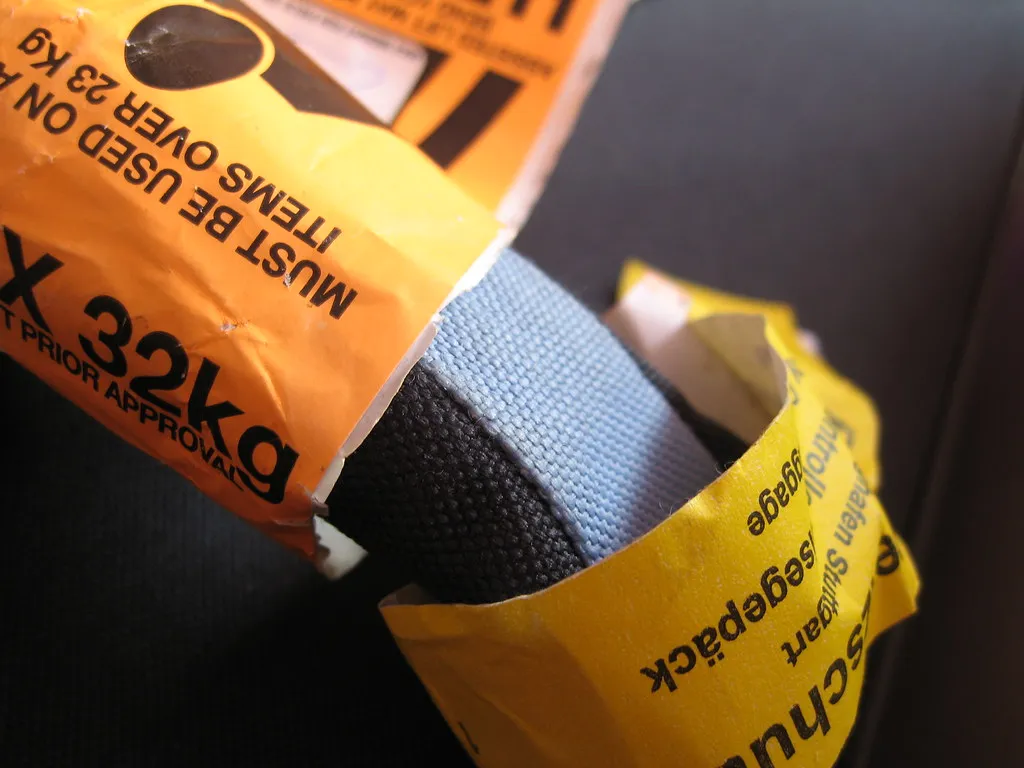
Travelers should treat their baggage tag like an ID and not discard it like normal trash. Don’t throw your tag away at the airport or even in your hotel room where someone could access it. This is where a surprising number of travelers create a vulnerability they don’t notice until it’s too late.
Best practices include removing the tag as soon as you unpack. If you have a paper shredder, use it to ensure the information is irretrievable. If not, black out the information with a marker before tearing the tag into small pieces. Avoid discarding tags in hotel or airport trash cans where they can be easily retrieved.
Discarded baggage tags can be used for fraud, especially when discarded in public areas. Some airports in Japan provide dedicated, secure receptacles near baggage claim exits specifically for disposing of tags safely. If your airport doesn’t offer this option, keep the tag on your bag until you’re in a private space.
Smart Luggage Tags: Privacy Gains and Real Limitations

A custom QR code or NFC tap lets you display contact info without exposing personal data publicly. This is the core appeal of modern smart luggage tags, and it’s a genuine improvement over traditional paper tags filled with printed personal details. The concept replaces raw data with a secure, scannable proxy.
Unlike traditional tags that broadcast your details to strangers and scammers, smart privacy tags allow good samaritans to scan to contact you directly without seeing your phone number, email, or home address. That’s a meaningful structural change in how your information is shared.
That said, smart tags aren’t a complete solution on their own. Electronic tags like AirTags are useful for tracking your bag’s location in real time, but they don’t replace the basic luggage tag that airline staff can quickly scan and read. Electronic tags help you find your bag, but traditional tags help airlines return it to you. Batteries die, technology fails, and not every airline employee has time to deal with tech troubleshooting when they’re processing hundreds of bags.
How Often Bags Are Still Going Missing in 2025
According to the SITA Baggage IT Insights 2025 report, the mishandling rate dropped to 6.3 bags per 1,000 passengers in 2024, down from 6.9 the previous year, a 67 percent improvement since 2007. This drop is even more significant considering the surge in global traffic, which grew by roughly 8 percent in 2024 alone.
While the total number of mishandled bags dropped slightly to 33.4 million despite record passenger volumes, baggage mishandling still cost the industry an estimated 5 billion dollars in 2024. That figure underscores why a functioning, accurate luggage tag remains genuinely important, even as the industry improves.
Delayed bags remain the most common issue, accounting for nearly three-quarters of mishandled baggage. Lost or stolen bags made up around 8 percent, while damaged or pilfered bags increased to 18 percent. A clearly tagged bag, with appropriately limited personal information, remains your most reliable recovery tool in any of these scenarios.
What to Actually Put on Your Luggage Tag

Many passengers testify to not writing their full names on their luggage tags for safety and privacy concerns. Though this is also a matter of concern, travel experts recommend including your full name, as it is written in your passport, to help the airlines and staff locate your luggage more easily.
Beyond your name, a destination-based email address or a secondary phone number that isn’t linked to your financial accounts is the safest contact option. Experts suggest providing only your city and country rather than a full home address. This provides enough information for the airline to identify where you’re from without giving away your exact location.
Your social media username doesn’t help return lost luggage. What it does is let strangers connect your bag to your online life, where you may have posted photos of your home, your car, or your daily routines. Keep your digital life and your luggage tag separate. That’s a principle worth extending to all the information you consider sharing when you travel.
Conclusion: Small Habits, Meaningful Protection

Luggage tag safety sits at the intersection of something very old, a paper tag with your name on it, and something very current, a rapidly evolving landscape of identity fraud and data misuse. The practical steps haven’t changed much: limit what you write, flip your tag inward, don’t discard it in public, and treat it like a document rather than litter.
The risks associated with luggage tags might seem minimal, but the consequences can be significant. By taking simple precautions, like immediately removing and properly disposing of your luggage tags, you can significantly reduce your vulnerability to identity theft, burglary, and other threats.
Travel is meant to open the world up, not hand your personal details to it. A few deliberate choices before you zip up your suitcase can keep the focus exactly where it belongs: on the journey itself.
AI Disclaimer: This article was created with the assistance of AI tools and reviewed by a human editor.