
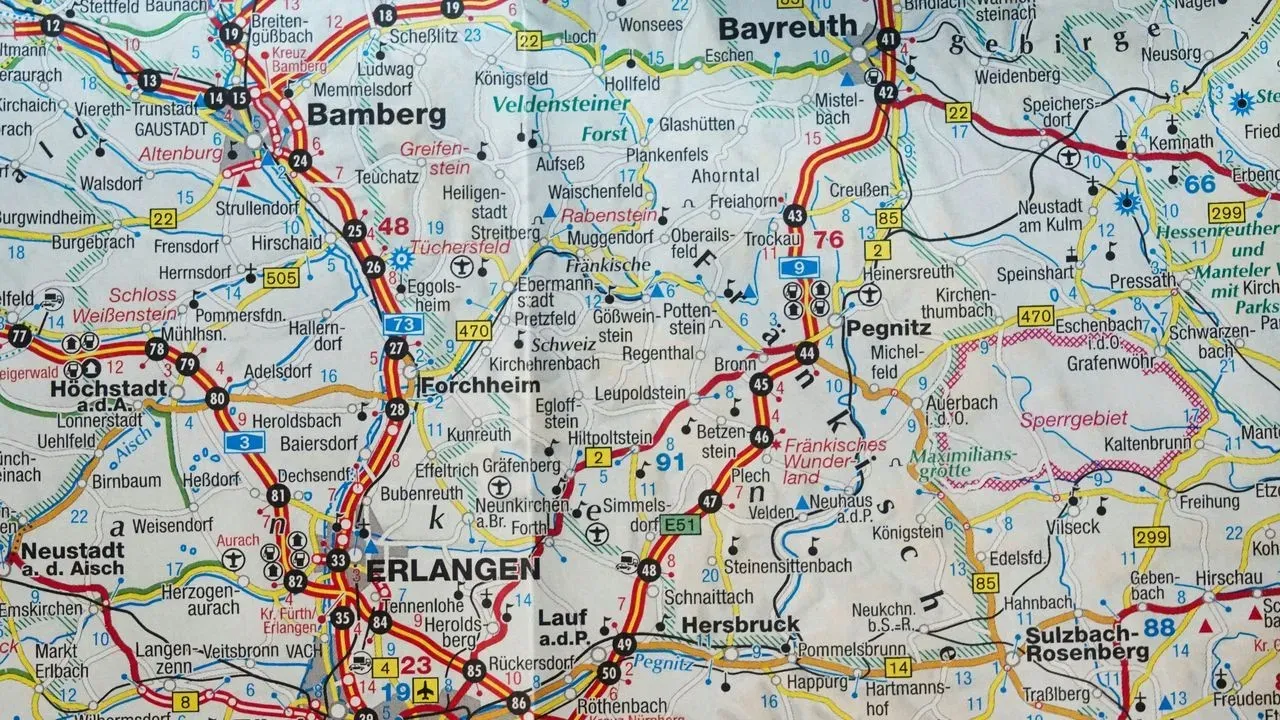

Travelers have long relied on clear, consistent labels to navigate unfamiliar roads and waterways. This week, a legacy mapping service reminded many of that simple truth when it climbed to the top of Apple’s free-app rankings. MapQuest overtook ChatGPT in downloads after announcing it would retain the historical names that generations of road trippers and explorers have used to find their way.
The Unexpected Return of a Travel Classic
MapQuest first appeared in the mid-1990s, when printed directions still guided most journeys. Its straightforward interface and step-by-step instructions helped countless drivers plan routes before smartphones became standard. Decades later, the same emphasis on recognizable labels appears to be resonating again with users who value continuity when they travel. The surge in downloads followed the company’s public commitment to keep names such as Lake Ontario exactly as they appear on most existing maps and guidebooks. That choice struck a chord with people who appreciate seeing the places they have read about or visited described in the language they already know.
Why Familiar Names Matter on the Road
Place names serve as quiet anchors for memory and planning. When a map uses the terms travelers have encountered in stories, atlases, or conversations with locals, it reduces friction during trips. Drivers can cross-reference signs, park brochures, and older guidebooks without confusion. MapQuest highlighted this practical benefit in its statement, noting that it had taken a similar approach with other bodies of water by offering users the names they recognize. The result has been a sharp increase in both new downloads and overall usage, reaching roughly fifty times normal levels in recent days. – Consistent labels help travelers match digital routes with physical signage. – Historical names often carry cultural and geographic context that newer alternatives may lack. – Simple continuity lets road trippers focus on the journey rather than decoding updates.
How Mapping Tools Shape Everyday Exploration
Modern travelers juggle multiple apps, yet many still turn to the one that feels most intuitive for their specific needs. MapQuest’s decision underscores a broader point: the words on a map influence how confidently people move through new landscapes. When those words align with long-standing references, the tool becomes more than a utility; it becomes a reliable companion. The company also introduced a feature allowing users to suggest their own labels, inviting personal connection while preserving the default historical names. This balance between tradition and customization appears to have strengthened trust among people who plan routes across borders or along well-known shorelines.
What the Moment Reveals About Travel Navigation
The rapid rise of an established service reminds us that technology succeeds when it respects the lived experience of its users. For those who chart journeys by lakes, rivers, and historic routes, seeing a familiar name on screen can make the difference between smooth planning and second-guessing. MapQuest’s current position at the top of the charts suggests that many travelers still prize that sense of recognition. As new mapping features continue to evolve, the core appeal remains the same: tools that help people move through the world with clarity and confidence.
AI Disclaimer: This article was created with the assistance of AI tools and reviewed by a human editor.