
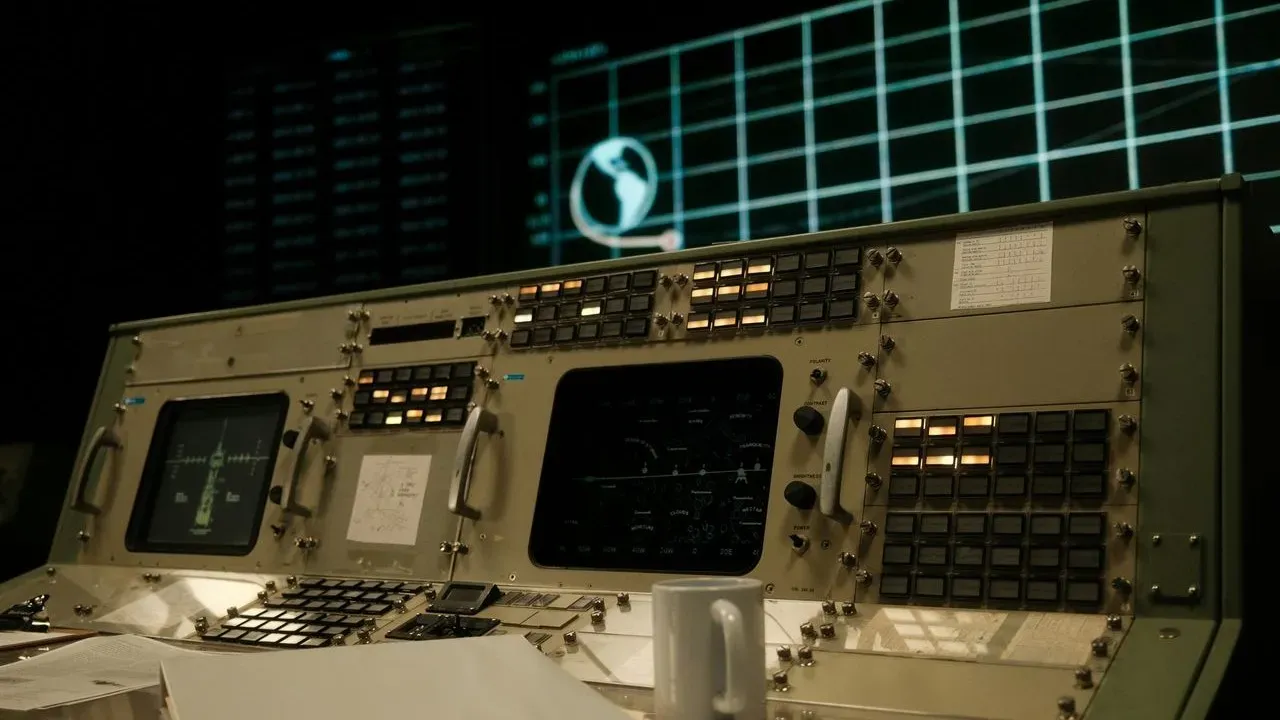

Margaret Hamilton passed away at the age of 90, leaving behind a profound mark on space exploration through her leadership of the team that developed the onboard flight software for NASA’s Apollo program. Her work supported the precise operations that carried astronauts to the lunar surface and back, shaping one of the most ambitious engineering achievements in human history. The news of her death brings renewed attention to the enduring story of the Apollo era and the people who made it possible ([1]).
The Human Stakes Behind Apollo’s Software
Hamilton’s role centered on creating reliable flight software at a time when computing resources were limited and every decision carried extraordinary weight. The systems she oversaw had to manage navigation, guidance, and control during critical phases of the missions, including the moments when astronauts prepared to land on the Moon. This practical responsibility meant that small errors could have had lasting consequences, yet the software performed with the consistency required for success.
Her approach emphasized thorough testing and clear priorities, qualities that helped the team deliver tools astronauts could trust in real time. The result was technology that turned complex calculations into dependable guidance, allowing crews to focus on the tasks at hand rather than wrestling with unpredictable systems.
Preserving the Apollo Story at American Sites
Visitors can connect directly with this chapter of history at several well-established centers across the United States. Space Center Houston offers exhibits that detail the engineering behind the lunar missions, including displays on the software and hardware that supported every stage of flight. The Kennedy Space Center Visitor Complex in Florida provides a close look at launch facilities and mission control environments where Apollo operations unfolded.
The Smithsonian National Air and Space Museum in Washington, D.C., houses artifacts from the Apollo program that illustrate the scale of the effort, from command modules to the instruments that guided them. These locations allow travelers to stand near the physical remnants of the missions and consider the careful planning that made them possible.
Why These Places Reward a Thoughtful Visit
Each site presents the Apollo program through original hardware and documented accounts rather than simplified narratives. At Space Center Houston, for example, guests can examine mission timelines that highlight the coordination required between software teams and flight crews. Kennedy Space Center emphasizes the physical scale of launch infrastructure, giving context to the environments in which Hamilton’s software operated.
The National Air and Space Museum complements these experiences with collections that span the full arc of early spaceflight. Together, the three locations create opportunities for visitors to trace the progression from design to execution, fostering a deeper appreciation for the collaborative nature of the achievement.
Carrying the Legacy Forward
Hamilton’s contributions remind travelers that major milestones in exploration rest on layers of precise, often unseen work. Spending time at these Apollo-related sites offers a chance to reflect on how individual expertise combined with institutional effort to expand human reach. The places remain open to the public, inviting new generations to consider both the technical accomplishments and the human dedication behind them.
In this way, her story continues to invite quiet exploration of the sites where that history is still tangible.
AI Disclaimer: This article was created with the assistance of AI tools and reviewed by a human editor.