
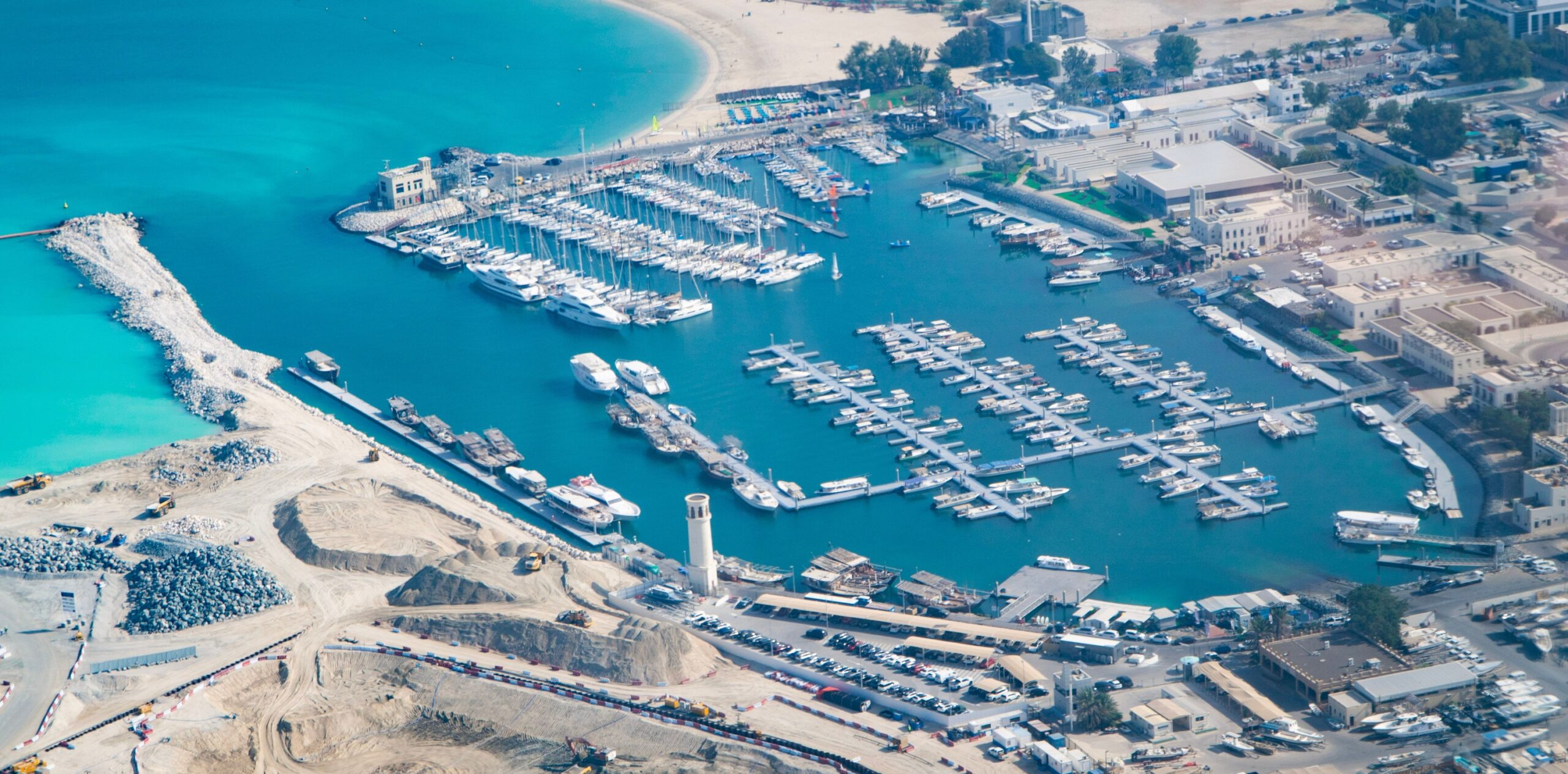

Walk into a busy marina office on a Friday afternoon and you’ll notice something quickly. There’s a line of boaters, most of them asking vague questions about availability. A few of them walk away with exactly what they wanted. Most don’t.
The difference often comes down to one thing: what you actually ask, and how you ask it. Many marinas keep waitlists that never make it onto a public website, so a phone call or in-person visit often surfaces availability that online listings miss. That gap between what’s visible and what’s actually possible is exactly where the right question does its work.
The One Question Dockhands Say Changes Everything
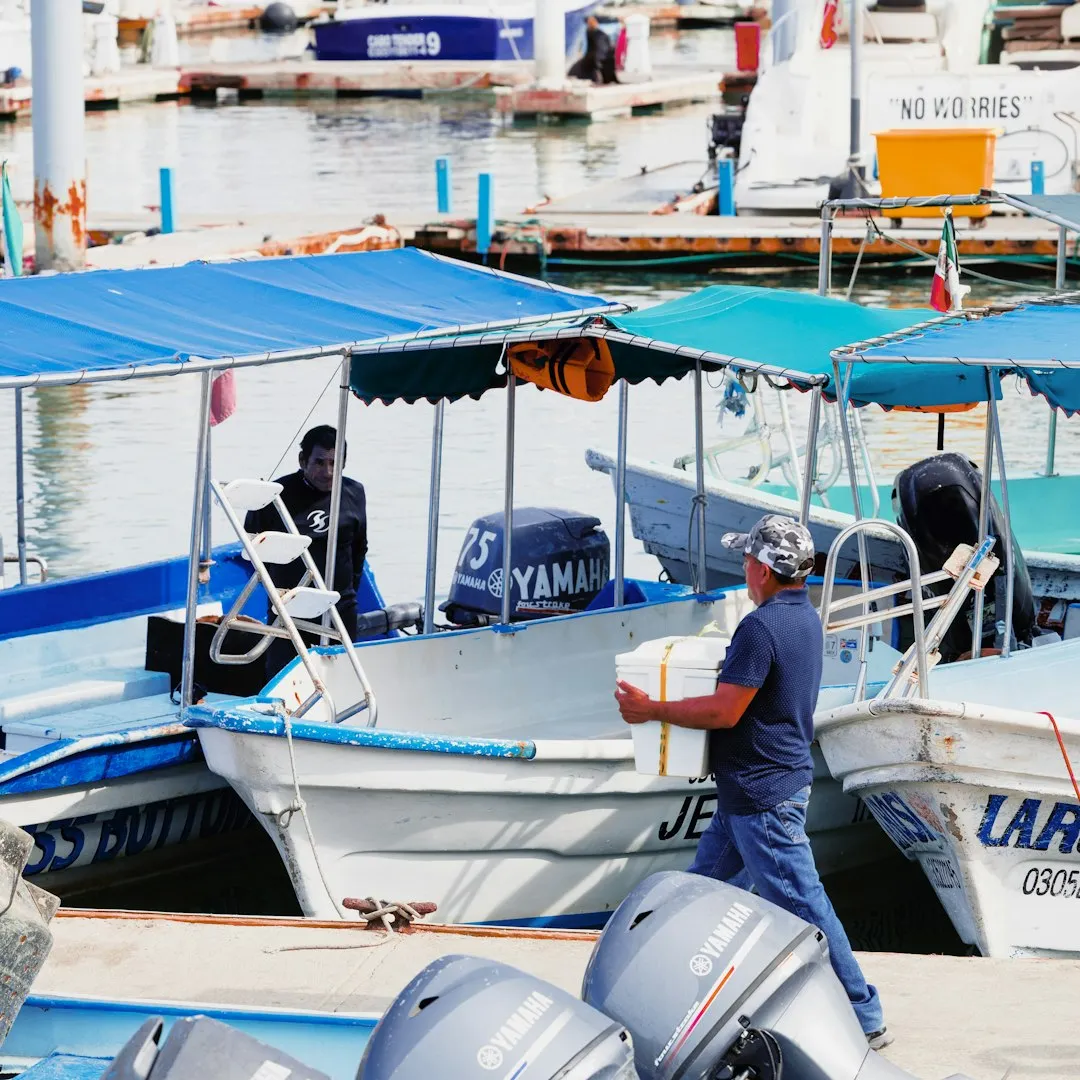
Experienced marina staff consistently point to one kind of inquiry that separates informed boaters from the rest. Instead of simply asking “do you have anything available,” the question that tends to open doors is: “What’s the best slip you have that fits my boat, and what would make me a good candidate for it?”
That framing is different. It signals that you’re serious, that you understand the marina has criteria, and that you’re willing to meet them. Providing accurate information about your boat size, length of stay, and any special requirements ensures that marina staff can assist you effectively. Dockhands and dockmasters respond to boaters who come prepared, not to those who treat a slip search like browsing a hotel website.
Why Slip Assignments Are Not Random
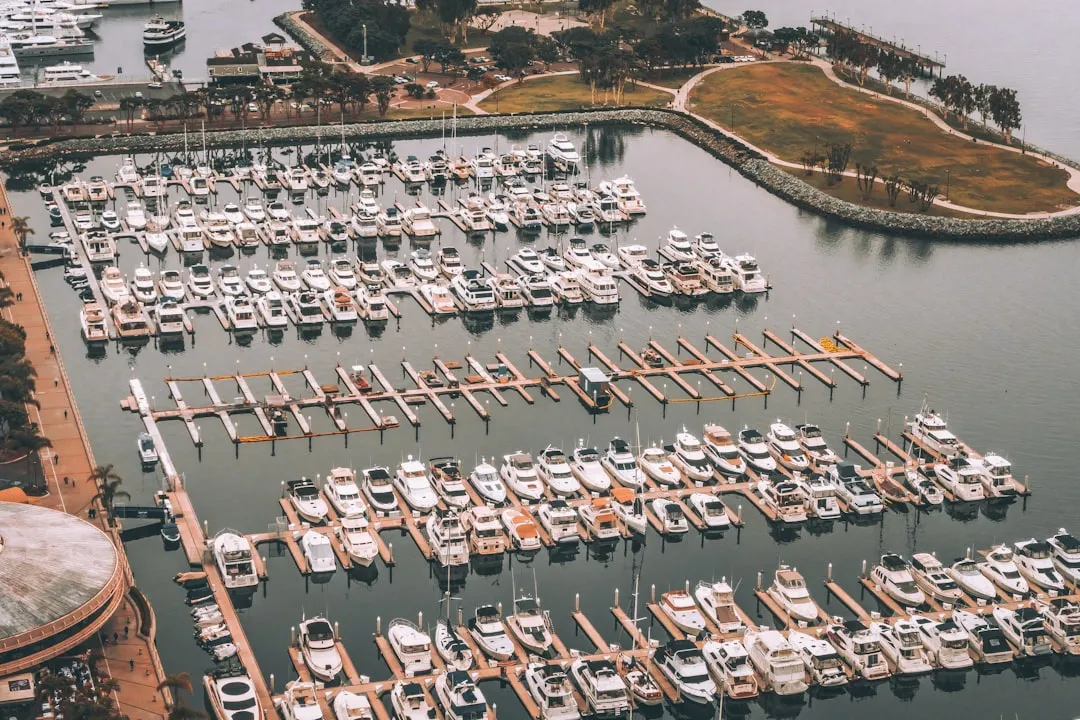
Random slip assignments create bottlenecks. A 26-foot centre console squeezed between two pontoons blocks the pontoon renters from boarding. A deep-draft sailboat assigned to a shallow finger dock means your dock hand spends 15 minutes re-docking. Marina staff think in systems, not favors.
Slip availability, boat placement, and day-to-day docking decisions are operational matters overseen by marina management or the harbormaster. When you show that you understand this, you stop being just another walk-in and become someone they can actually work with. That shift in perception matters more than most boaters realize.
The Waitlist Reality Nobody Talks About
Slip scarcity is genuinely serious in many parts of the country, and it’s been getting worse. Slips at marinas are so hard to find that Florida boat and yacht brokers advise clients not to buy a watercraft until they have first found somewhere to store it. That’s not alarmism. It reflects a real supply crunch.
The average waiting period depends on the marina and the size of the slip needed. Boats under 20 feet are typically easier to place, with waits from a couple of months to a year. Larger boats currently average five to six years. Knowing that context before you walk in helps you ask smarter questions and set realistic expectations from the start.
Call First, and Call the Right Person
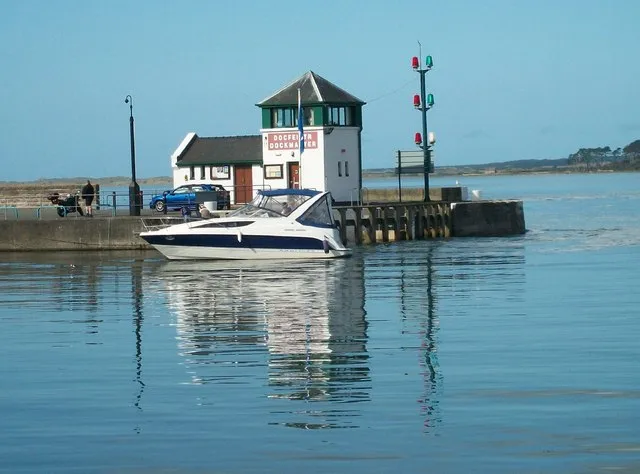
Use online maps to identify marinas in your target area and call their dockmaster directly. This is the most reliable way to get accurate information on pricing and availability. Emailing a general inbox or relying on a booking platform puts you at the back of a long, slow queue.
For special requests or deeper slips, many marina managers can offer insight not available online. The people who answer the phone at the dock office often have more flexibility than the website suggests. Calling is not just courteous. It’s strategic.
Know Your Boat’s Specs Before You Ask
One of the fastest ways to lose a dockhand’s attention is to not know your own boat’s measurements. Ensuring the slip accommodates your boat’s draft and size is especially important if you own a sailboat or deep-water vessel. Coming in without that information signals inexperience, and busy dock staff don’t have time to work backward from vague descriptions.
A buyer should speak with the dockmaster directly and ask how the waitlist works, and verify fit by beam, draft, depth, clearance, power, and service infrastructure. Beam width is particularly important, and frequently overlooked. Knowing it in advance can move you from the “maybe” pile to the “yes” pile in minutes.
Timing Your Ask Around Slip Turnover
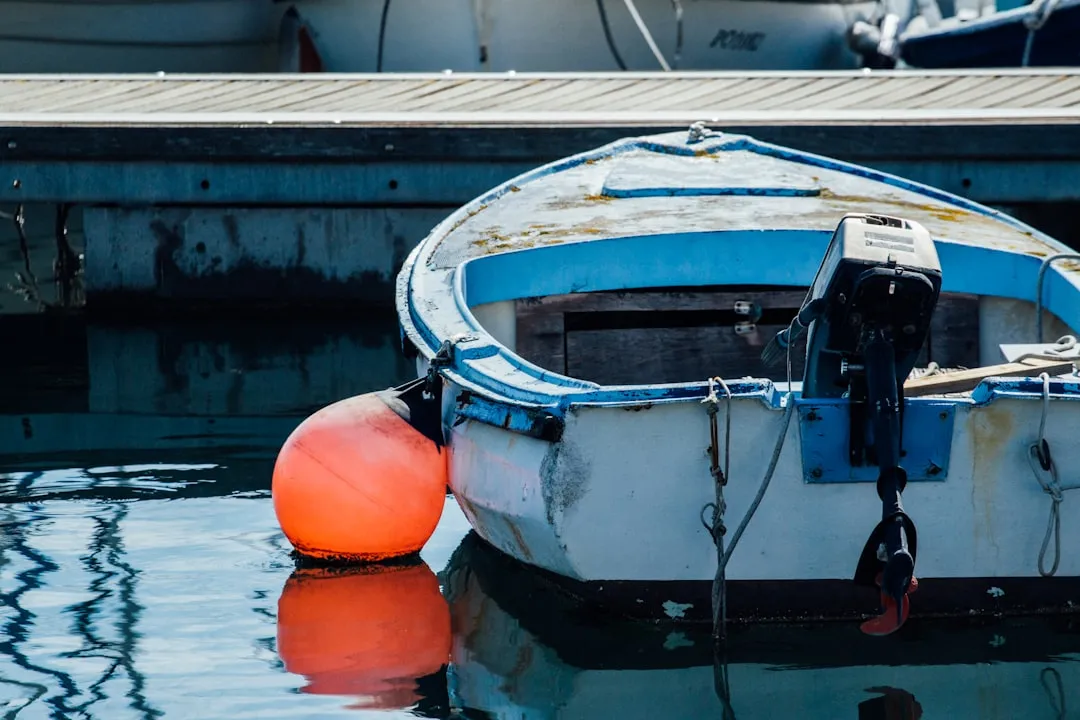
Slips open up more often than marinas publicly advertise. Seasonal departures, lease non-renewals, and boat sales all create movement in the inventory. Many marinas offer month-to-month slip rentals, though availability is often more limited than annual contracts, especially in high-demand markets where annual tenants get priority renewal.
Some marinas charge seasonally, while others offer yearly or monthly contracts. Asking specifically about what opens up at the end of each season, rather than just right now, is the kind of question that earns you a spot on an informal callback list. Most dockhands keep one. Not everyone knows to ask to be on it.
Understand What’s Actually Included in the Rate
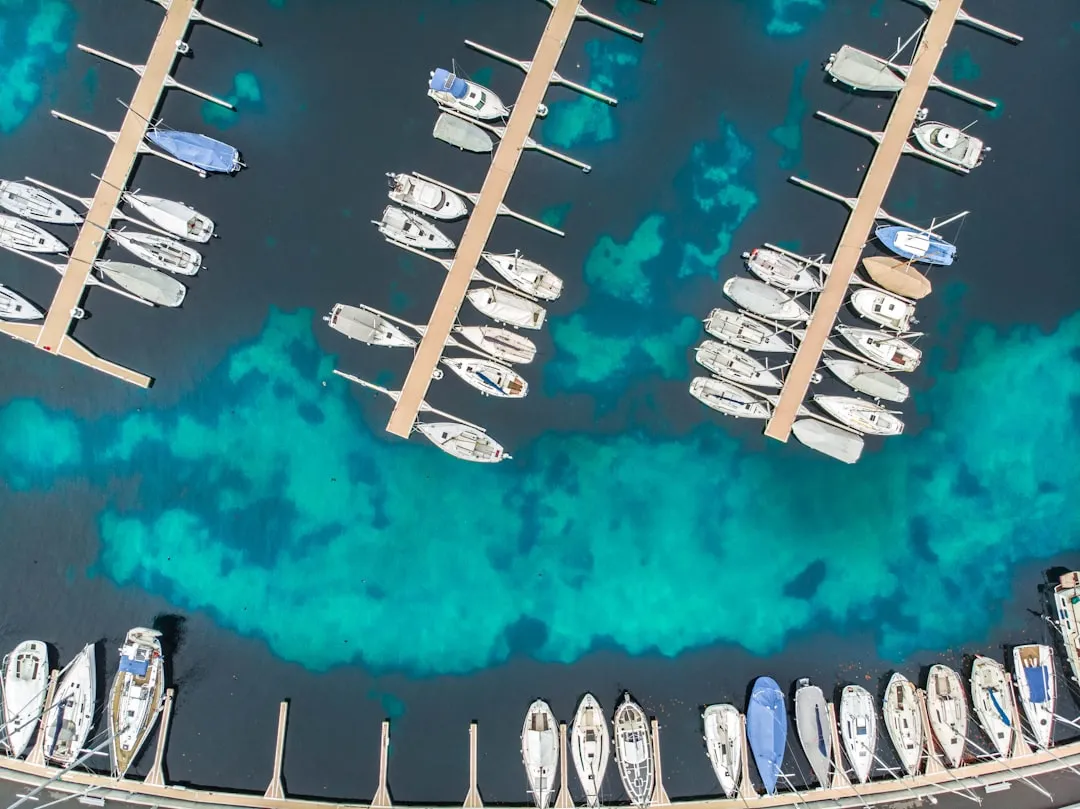
A lot of slip conversations fall apart because the boater only asks about price per foot and nothing else. A standard slip rental typically includes dock access and basic marina facility use. Electricity, water, pump-out service, and parking are frequently billed separately, so it is worth confirming exactly what is bundled before signing.
Ask about fuel, pump-out, shore power, parking, security, and dock staff support rather than assuming they are available. Asking those specific questions signals that you’re a serious, long-term prospect. And marina staff tend to work harder for people they expect to stick around.
The Relationship Factor at Busy Docks

Dockhands are not just logistical staff. They’re community nodes. They know which tenants are reliable, which boats are well-maintained, and which boaters treat the dock like a shared space rather than a personal convenience. One experienced dockmaster notes the value of the idea: don’t be shy about asking the dock crew questions or telling them what you need.
When docking your boat at a slip, you want to be sure the marina operators will take good care of your boat and have the knowledge and skills necessary to operate successfully. They should be able to do their job well and provide excellent customer service when needed. That relationship runs both ways. The boaters who treat dock staff well are also the ones who get a call when a better slip quietly opens up.
What Slip Costs Actually Look Like Right Now
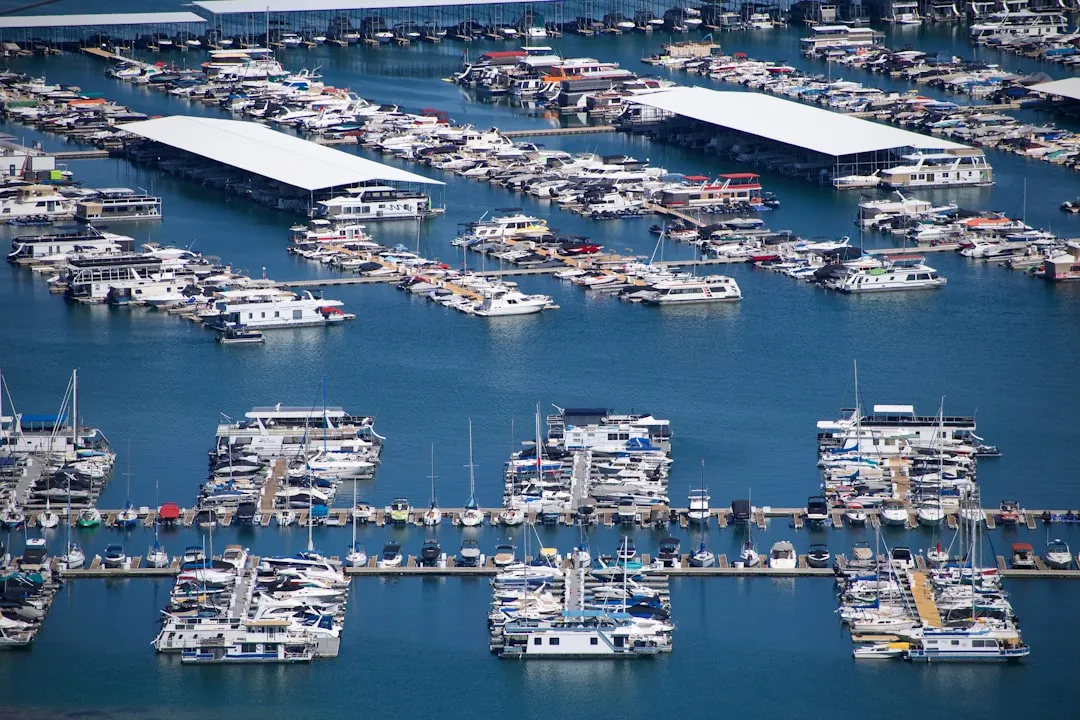
Slip pricing in 2026 varies dramatically by region and demand. Rates in inland and secondary markets run roughly ten to eighteen dollars per foot per month, while Southern California commands twenty-five to seventy-five dollars or more, and South Florida marinas can reach thirty-five to eighty dollars per foot plus utility fees. Knowing the regional range before you negotiate puts you in a much stronger position.
Annual boat slip rentals often cost less than monthly agreements, with discounts typically ranging from ten to twenty-five percent. Long-term contracts can also guarantee slip availability. Asking about annual rates rather than just monthly ones is another question that signals commitment and can unlock better placement in the marina’s layout.
Use Boating Apps, But Don’t Rely on Them Alone
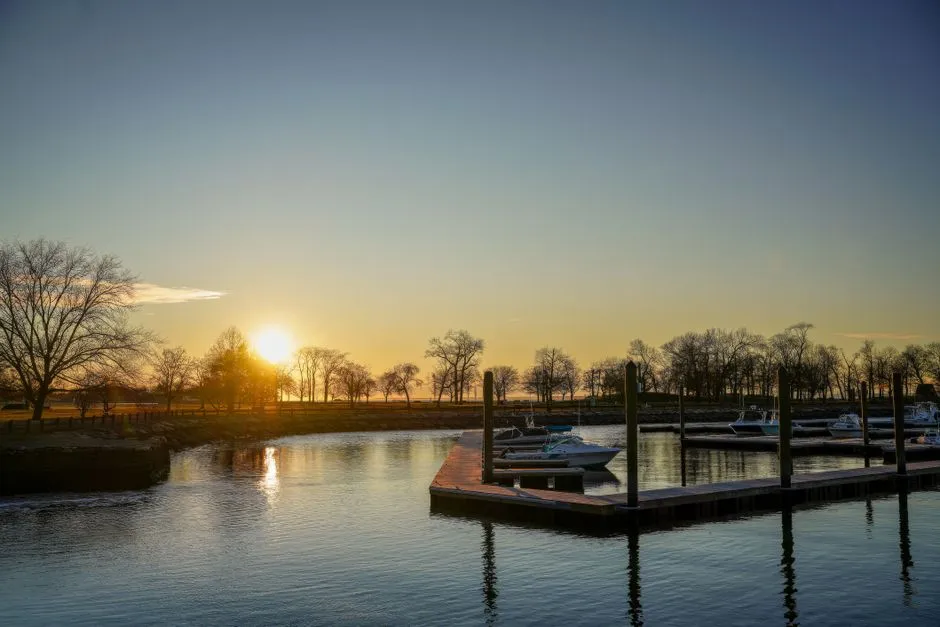
New booking apps like Snag-A-Slip give marinas more control over their listings, updating availability, dock details, management contacts, and user reviews in real time. These tools are genuinely useful for comparing options across a region, especially during peak season planning.
Still, listed availability on booking platforms can lag behind what a marina actually has open. Apps are a good starting point, not a final answer. The boaters who combine digital research with a direct, well-prepared phone call are consistently the ones who land the better slip. Technology helps. Human contact closes the deal.
The Takeaway
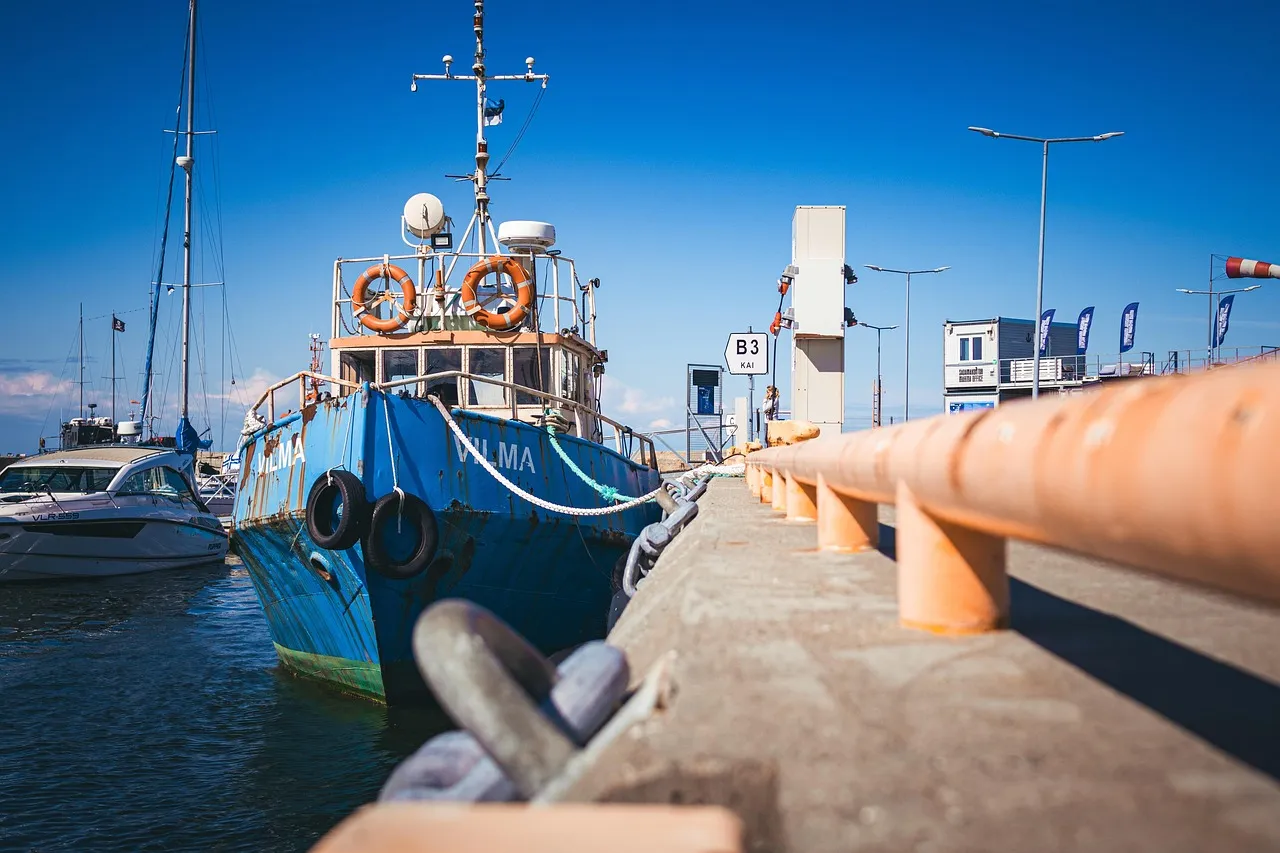
Getting a good slip isn’t just about luck or timing. It’s about showing up informed, asking the right question in the right way, and treating dock staff as the knowledgeable professionals they actually are. The boaters who do that tend to find that availability is less fixed than they assumed.
The single best question to ask is not “what do you have?” It’s something closer to: “What do I need to demonstrate to get the best fit for my boat here?” That question does three things at once. It shows respect for the marina’s process, opens a real conversation, and positions you as exactly the kind of tenant a dockhand wants to call first when something good opens up.
AI Disclaimer: This article was created with the assistance of AI tools and reviewed by a human editor.