
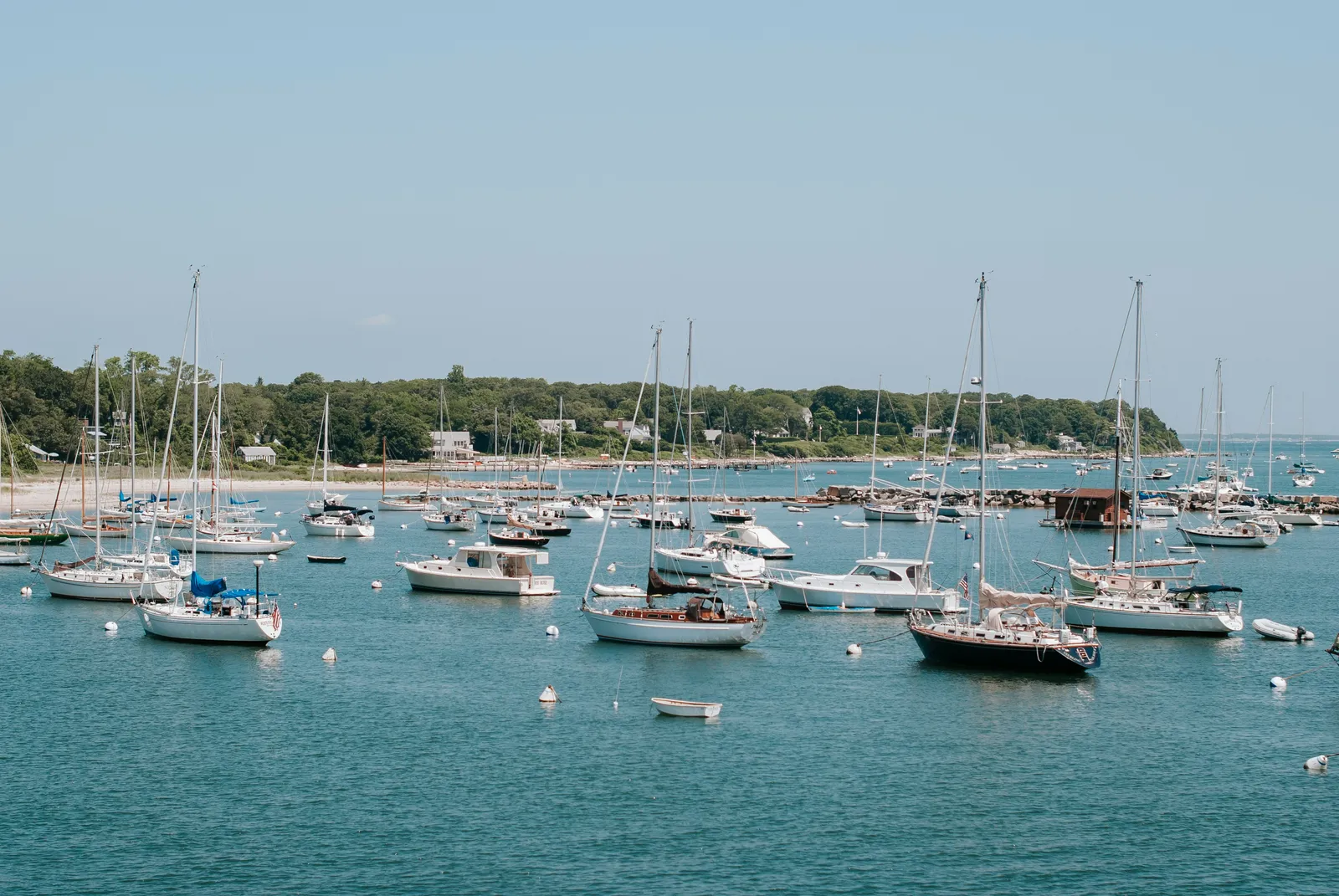

Martha’s Vineyard draws visitors each summer with its quiet beaches, historic towns, and easy rhythm that feels removed from the mainland. The island rewards those who plan thoughtfully, whether arriving for a long weekend or a full week. Practical choices around transportation, clothing, meals, lodging, and daily outings shape the experience more than any single highlight.
Reaching the Island and Moving Around
Ferries remain the most common way to arrive, with services running regularly from Woods Hole and other Cape Cod points during peak season. Reservations for vehicles are essential in summer, as spaces fill quickly. Once on the island, many travelers leave cars behind and rely on bicycles, shuttles, or taxis to reach different towns. Public transportation connects the main villages efficiently, allowing visitors to focus on the scenery rather than parking. Renting bikes offers flexibility for shorter distances and scenic routes along the coast. Planning arrivals around ferry schedules helps avoid unnecessary waits at the terminal.
Choosing the Right Clothing and Gear
Island weather shifts quickly, so layers prove more useful than heavy jackets or formal outfits. Comfortable walking shoes handle cobblestone streets and sandy paths, while a light rain jacket covers occasional showers. Casual attire fits most restaurants and activities, though a sweater comes in handy for cooler evenings near the water. Packing a reusable water bottle and sunscreen supports longer days outdoors without extra stops. Visitors often find that simple, practical items make daily movement easier than elaborate wardrobes. The goal is comfort that adapts to both sunny afternoons and breezy waterfront dinners.
Finding Places to Eat
Local dining emphasizes fresh seafood and seasonal produce, with options ranging from casual clam shacks to more refined spots in the main towns. Many establishments highlight ingredients from nearby waters and farms, giving meals a distinct island character. Reservations help during busy summer weekends, especially for waterfront tables. Breakfast spots often feature baked goods and coffee that fuel early explorations, while evening meals lean toward relaxed, multi-course experiences. Trying regional specialties like lobster rolls or chowder provides a taste of local traditions without venturing far. Exploring different villages reveals varied menus that reflect each area’s personality.
Selecting Accommodations
Lodging choices span historic inns, waterfront cottages, and modern hotels, each offering different levels of seclusion and convenience. Properties near town centers provide easy access to shops and restaurants, while more remote stays emphasize quiet and views. Booking ahead is wise, as desirable rooms book months in advance for July and August. Many places include porches or gardens that encourage slow mornings and evening reading. Amenities such as bike storage or beach access add practical value for active travelers. Matching the property style to personal preferences, whether for social energy or privacy, improves the overall stay.
Exploring the Island’s Highlights
Beaches offer swimming, walking, and sunset watching, with different shores suiting varied interests from families to those seeking solitude. Historic lighthouses and preserved villages provide short, rewarding stops that reveal the island’s past. Bike paths and nature preserves allow gentle movement through varied landscapes. Day trips between Edgartown, Oak Bluffs, and Vineyard Haven reveal distinct atmospheres in each community. Evening events or markets add social elements without requiring extensive planning. The island’s compact size makes it possible to sample many experiences in a single visit while still leaving time for rest. A well-paced trip balances planned outings with unstructured hours, letting the island’s natural pace take over.
AI Disclaimer: This article was created with the assistance of AI tools and reviewed by a human editor.