
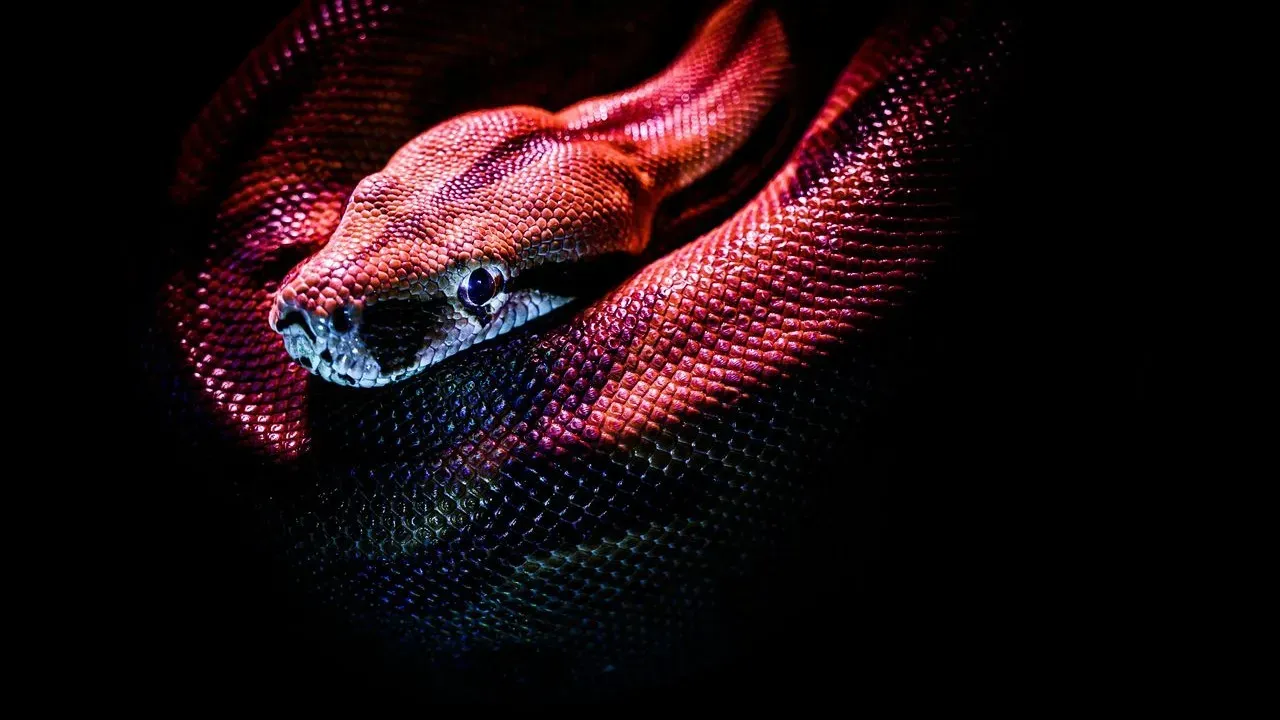

New York – At the Metropolitan Opera, even the briefest appearance on stage demands the same careful preparation given to principal singers. An upcoming production of Mozart’s “Così fan tutte” features a boa constrictor named Princess in a short but memorable scene set within a 1950s Coney Island carnival. The choice of performer followed a deliberate audition process that underscores the institution’s commitment to every detail of its presentations.
The Audition That Selected Princess
Performance artist Zoe Ziegfeld, who portrays the snake charmer in the production, evaluated several candidates by allowing each boa to move freely and interact before lifting it overhead under simulated stage conditions. Princess, a larger yellow-peach sun-glow boa, demonstrated the presence and temperament required for the role. A smaller brown boa named Nala was selected as understudy. Ziegfeld noted the importance of ensuring the animal remained comfortable throughout the sequence, a consideration that guided every step of the evaluation. The process reflects the Met’s broader approach to integrating live animals into certain productions, where compatibility with performers and visual impact both matter. Nancy Novograd of All Tame Animals supplied the candidates and emphasized that the right snake must match in color and size while also earning the handler’s confidence.
A Carnival Setting for a Classic Opera
The Met’s adaptation relocates Mozart’s 1790 tale of fidelity tests among soldiers and their partners to a vibrant mid-century Coney Island midway complete with sideshow elements. Princess appears briefly during the snake-charming sequence, adding an authentic touch to the carnival atmosphere. This marks the third time Ziegfeld has performed the role in the production, bringing prior experience from actual Coney Island performances where multiple daily shows honed the craft of working with reptiles before live audiences. Ziegfeld’s path to the Met included an initial audition that featured video documentation of snake-charming work along with a demonstration of the Human Blockhead act. The transition from outdoor carnival stages to the opera house highlights how performance traditions can find new expression within classical repertoire while preserving the core skills involved.
Appreciating the Craft Behind Every Performance
Visitors to the Metropolitan Opera House gain more than a ticket to a single evening; they witness the layered preparation that extends even to supporting performers like Princess. The care taken in casting and rehearsal speaks to the institution’s respect for both artistic tradition and the well-being of every participant on stage. Travelers interested in cultural institutions will find the Met offers repeated opportunities to observe such meticulous attention across its season. The presence of live animals in select productions adds another dimension to the experience, one rooted in practical collaboration between handlers and the opera’s creative teams. For those planning a trip to New York, attending a performance provides a direct window into this world of precise, thoughtful execution.
AI Disclaimer: This article was created with the assistance of AI tools and reviewed by a human editor.