
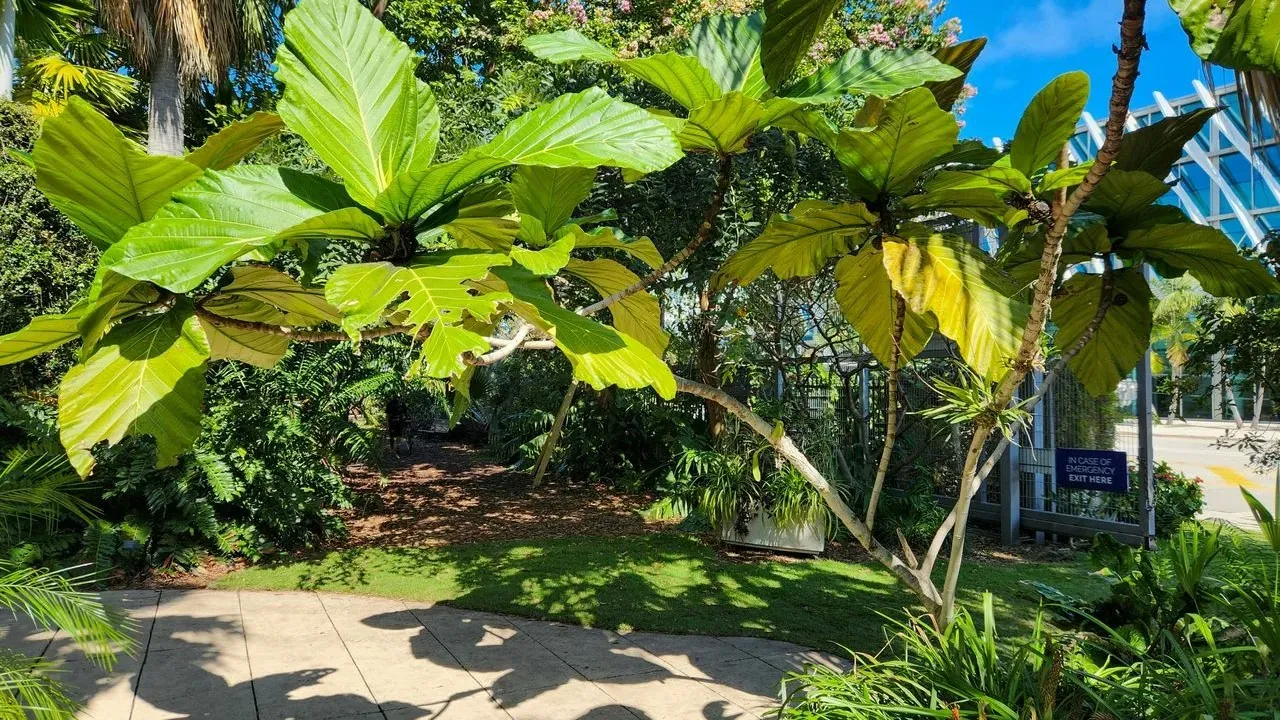

Miami is distributing 600 fruit trees to residents as part of a direct effort to increase shade and moderate temperatures across the city. The giveaway focuses on species well suited to the local climate, including mango, avocado, starfruit, and lychee. By placing these trees in private yards and community spaces, the program aims to build a more resilient urban canopy over time. ([1])
Why Fruit Trees Fit Miami’s Landscape
The city’s tropical setting already supports a wide range of edible and shade-producing species. Adding hundreds more trees extends that natural advantage into residential areas where pavement and buildings absorb heat. Each new tree contributes both immediate shade and longer-term cooling as its canopy matures. Residents who receive the trees also gain the option of harvesting fruit, turning yards into small productive spaces that reflect Miami’s agricultural heritage.
City leaders see the effort as a straightforward way to improve daily conditions without large infrastructure projects. The trees require relatively little maintenance once established, making them a practical addition for homeowners who want to participate in urban greening. Over successive seasons, the cumulative effect of many individual plantings can help create cooler microclimates block by block.
Practical Details for Participation
Proof of Miami residency is required, ensuring the trees stay within the city and benefit local neighborhoods directly. The distribution began at the Underline’s Vizcaya station and continued at Kirk Monroe Park until 11 a.m. on the final day. Those who attended could select from the available varieties, with the mayor herself choosing a lychee tree for her own property.
Mayor Eileen Higgins noted her personal interest in the program, mentioning an existing food forest in her backyard and inviting others to see the results. The requirement for residency documentation keeps the process orderly while reinforcing the community focus of the giveaway. Participants leave with trees that match the region’s growing conditions, increasing the likelihood of successful establishment.
Looking Ahead for Urban Greening
Programs like this one illustrate how cities can use everyday resources to address environmental challenges at the neighborhood level. The 600 trees represent a modest but tangible investment in shade, biodiversity, and local food production. As the trees grow, they will contribute to a more layered urban forest that supports both residents and visitors who value greener public and private spaces.
Miami’s approach highlights the value of edible landscaping in warm-climate cities. By choosing productive species rather than purely ornamental ones, the city encourages ongoing stewardship from the people who receive the trees. The result is a quiet expansion of canopy cover that aligns with the city’s identity as a place where tropical abundance and urban life intersect.
AI Disclaimer: This article was created with the assistance of AI tools and reviewed by a human editor.