
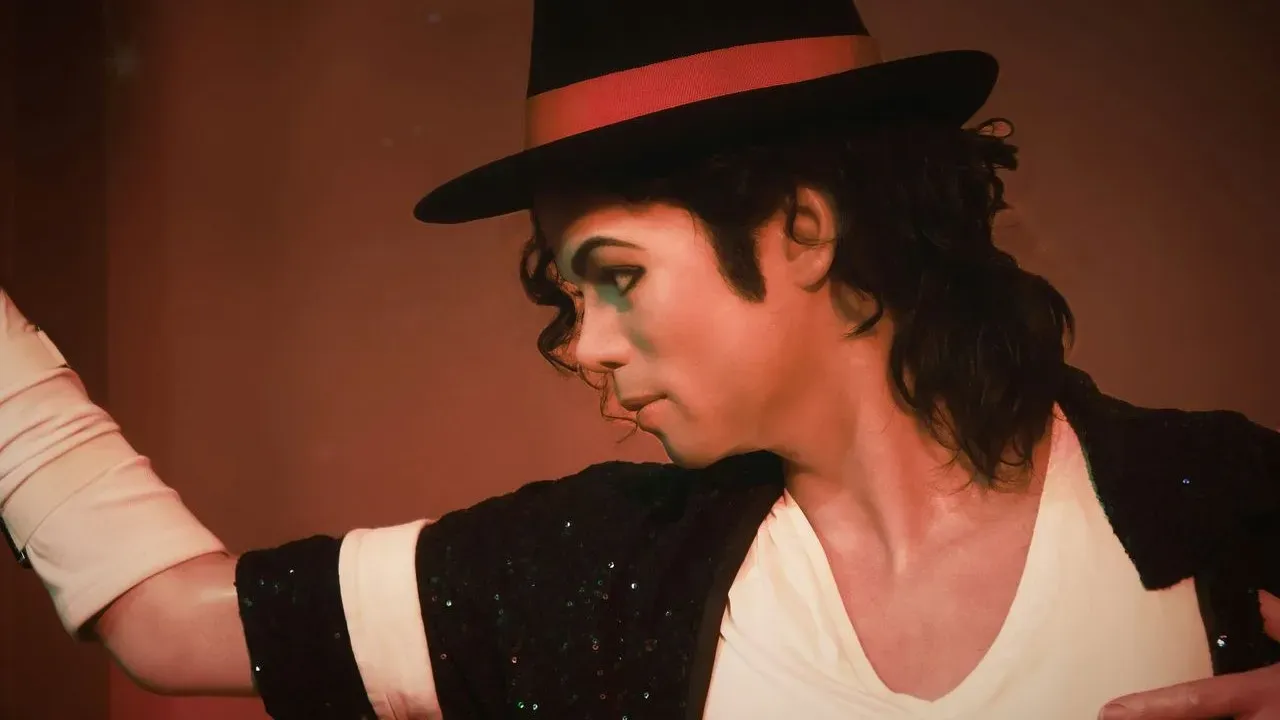

Pasadena, California, holds a distinctive place in American cultural memory. On a January evening more than three decades ago, the Rose Bowl became the setting for a performance that reshaped expectations for live entertainment on a national stage. A new documentary now revisits that moment, inviting fresh attention to both the artist and the landmark venue where it unfolded. The film, titled *Spectacle: Michael Jackson at the Super Bowl*, arrives on Hulu and ESPN in February 2027. It draws on previously unseen footage to trace the preparation and execution of the halftime show that took place on January 31, 1993. ([1])## A Turning Point for the Halftime Format The 1993 performance marked a shift in how the Super Bowl halftime slot was conceived. Rather than serving as a brief intermission, it became an event in its own right. Michael Jackson’s appearance drew an audience that grew between halves, an outcome that had not occurred in prior years. The production incorporated precise choreography, a striking entrance, and a set list that blended signature hits with a closing message of unity. Archival material in the documentary highlights the coordination required to stage such a spectacle inside the Rose Bowl. Viewers will see how the team balanced technical demands with the desire to create a memorable experience for both the stadium crowd and the television audience. ## The Rose Bowl as a Living Landmark The Rose Bowl itself remains an enduring feature of Pasadena’s landscape. Completed in 1922 and nestled against the San Gabriel Mountains, the stadium has hosted college football classics, Olympic events, and concerts that span generations. Its open-air design and historic bowl shape continue to shape the atmosphere for every gathering held there. Visitors to the area can appreciate the venue’s role in local and national stories simply by walking its perimeter or attending an event. The surrounding Arroyo Seco offers trails and green space that connect the stadium to the broader natural setting of the region. This combination of architecture, history, and landscape gives the Rose Bowl a quiet presence that rewards thoughtful exploration. ## Behind the Scenes of a Cultural Milestone Director Bao Nguyen, whose earlier work examined the making of “We Are the World,” brings a similar focus on process and collaboration to this project. The documentary examines how Jackson and his creative team approached the challenge of filling the halftime window with substance and spectacle. Never-before-seen footage promises to illuminate decisions that influenced everything from staging to the inclusion of a children’s choir on the closing number. The film positions the Rose Bowl performance as a moment when music and sports converged in new ways. That convergence helped establish a template still visible in contemporary halftime productions. ## Why the Story Resonates Today More than thirty years later, the 1993 show continues to surface in conversations about live performance and broadcast events. The upcoming documentary offers an opportunity to revisit the details with fresh perspective. For those drawn to places where cultural moments have taken root, the Rose Bowl stands as a tangible reminder of how a single evening can echo across decades. Pasadena’s setting invites visitors to consider both the scale of that night and the quieter rhythms of the city that surrounds the stadium. The venue’s continued use for gatherings large and small keeps its story alive in the present.
AI Disclaimer: This article was created with the assistance of AI tools and reviewed by a human editor.