
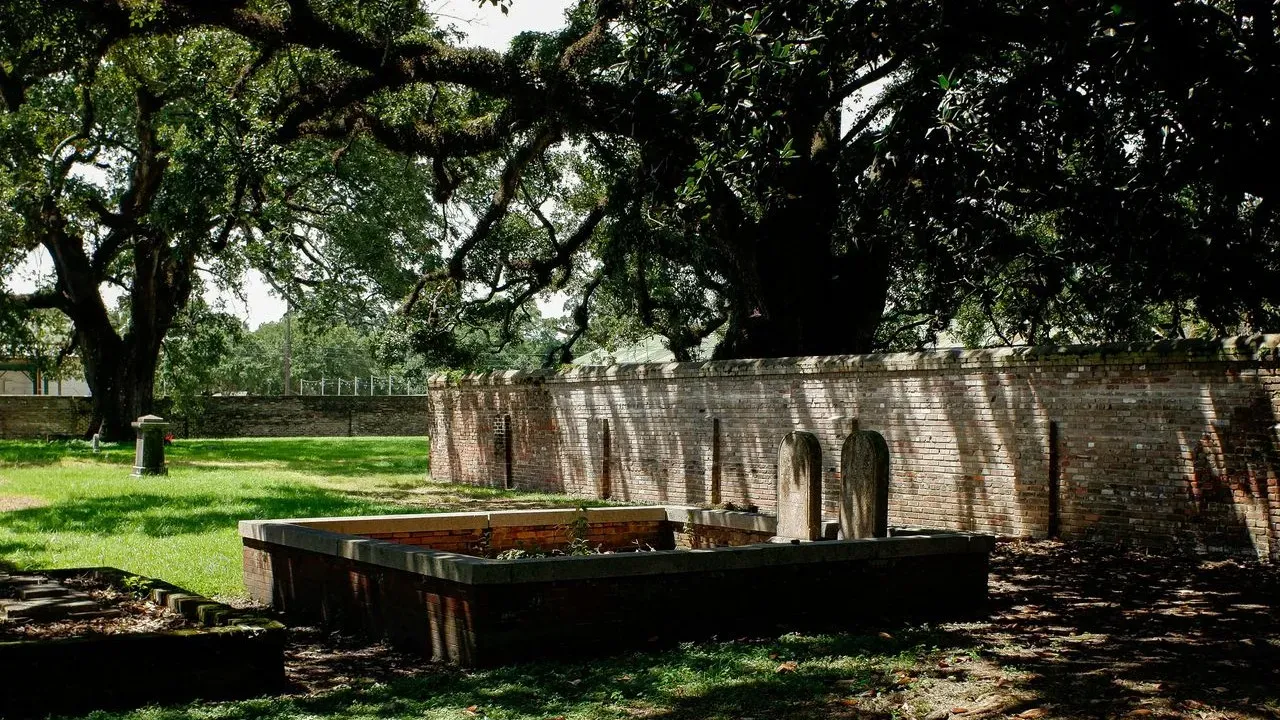

Mobile, Alabama sits on the edge of the Gulf, a city whose layered past reaches back centuries before many travelers first hear its name. The community claims the oldest organized Mardi Gras celebration in the United States, a tradition that began in 1703 and continues with mystic societies, parades, and elaborate floats each year. A measured two-day visit reveals both that heritage and the quieter rhythms of live oaks, fresh oysters, and waterfront history. ([1])
Choosing the Right Days
Timing matters in Mobile because several signature sites follow staggered schedules. The Clotilda exhibition closes on Sunday and Monday, the National Maritime Museum of the Gulf operates only midweek through Saturday, and the Mobile Carnival Museum takes Tuesdays, Thursdays, and Sundays off. Wednesday, Friday, and Saturday therefore offer the fullest access. Friday and Saturday remain the most flexible pairing, allowing visitors to adjust the order of stops without missing key experiences.
Day One: Battleship, Fort, and Carnival Legacy
Begin early at Battleship Memorial Park, where the USS Alabama rests on Mobile Bay. The South Dakota-class vessel saw Pacific service in World War II, and visitors can explore nine decks, engine rooms, and gun turrets before the summer sun intensifies. A short drive along the causeway leads to lunch featuring the city’s signature West Indies salad or oysters at a longtime Dauphin Street institution.
Afternoon hours suit indoor settings. Fort Condé provides a compact introduction to the French colonial origins of the settlement, while the adjacent History Museum of Mobile traces the city’s story through hurricanes, epidemics, and the Civil War era. Late in the day the Mobile Carnival Museum opens its collection of coronation gowns, crowns, and float designs, underscoring Mobile’s role as the true birthplace of American Mardi Gras. Evening light favors a stroll beneath the live oaks of Bienville Square and along Dauphin Street’s cast-iron balconies before dinner in the same corridor.
Day Two: The Clotilda Story and the Waterfront
A timed ticket for Clotilda: The Exhibition at the Africatown Heritage House anchors the second day. The exhibition preserves artifacts from the last known slave ship to reach the United States in 1860 and recounts the lives of the survivors who founded the nearby community of Africatown after emancipation. The experience is solemn and capacity-limited, so advance booking is essential. Afterward, a walk through Africatown and time along the waterfront offer space for reflection.
The National Maritime Museum of the Gulf provides additional context on the region’s maritime past when open. Many visitors close the weekend with another plate of Gulf oysters or a quiet moment beneath the moss-draped oaks that define the city’s character.
Practical Notes for a Thoughtful Visit
- Book the Clotilda timed entry online before travel.
- Carry water and plan outdoor segments for cooler morning or late-afternoon hours in warmer months.
- Respect photography restrictions inside the Clotilda exhibition to honor its solemn purpose.
- Local tourism staff at the History Museum can supply current details on events or additional sites. Mobile rewards visitors who arrive with curiosity and patience. Its streets and stories invite a slower pace that honors both celebration and remembrance.
AI Disclaimer: This article was created with the assistance of AI tools and reviewed by a human editor.