
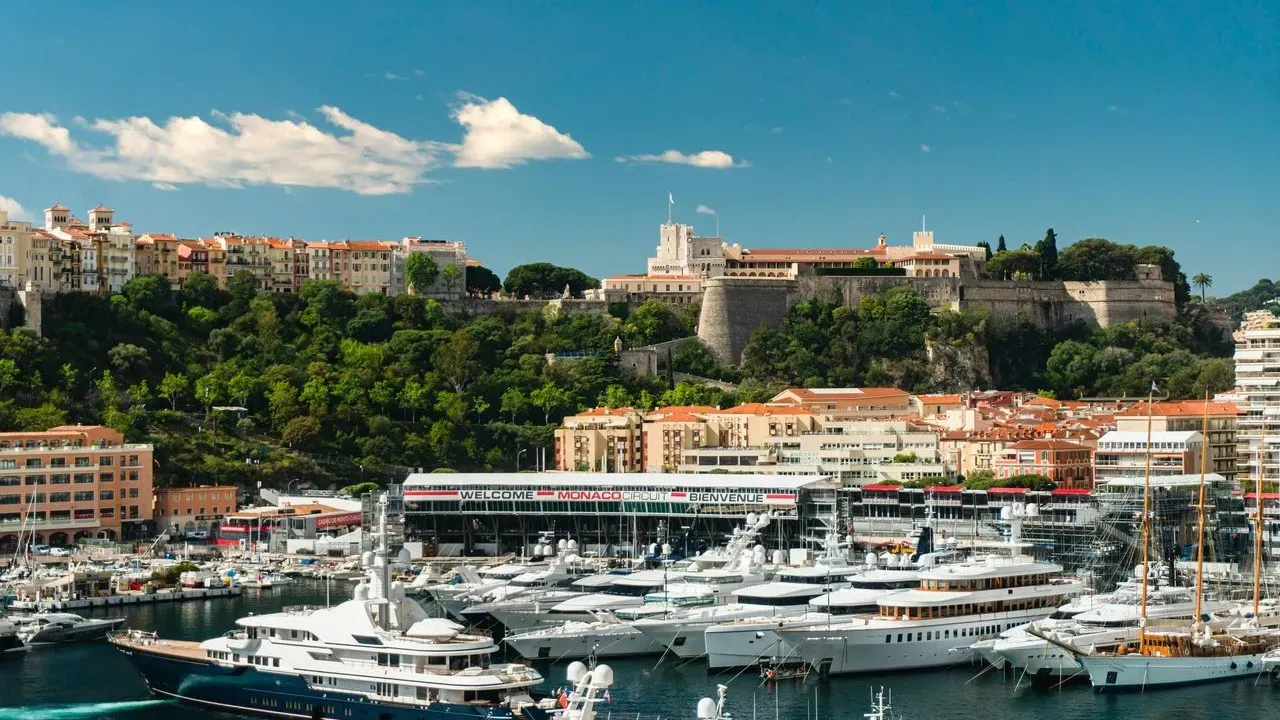

Nice offers a straightforward starting point for visitors curious about Monaco. A brief rail journey connects the two places, allowing travelers to experience the principality’s compact layout without elaborate arrangements. The day unfolds through public spaces and cultural sites that reveal Monaco’s character beyond its reputation for exclusivity.
Reaching the Principality
Trains depart regularly from Nice’s main station and arrive at Monaco-Monte-Carlo station in roughly twenty minutes. The service runs frequently throughout the day, making an early departure and late return entirely practical. Tickets remain inexpensive compared with many European short-haul routes, and the ride itself passes along the Mediterranean coastline with clear views of the sea.
Once at the station, the historic center sits within easy walking distance. Signage and pedestrian paths guide visitors upward toward the Rock of Monaco, eliminating the need for taxis or additional transport. This accessibility keeps the focus on exploration rather than logistics.
The Rock and Its Palace
The Rock of Monaco rises above the harbor as the principality’s oldest quarter. Narrow streets wind past stone buildings that house both residences and small shops. At the summit stands the Prince’s Palace, whose exterior façade and changing-of-the-guard ceremony provide a tangible link to the ruling family’s long presence.
Public gardens nearby offer quiet vantage points over the coastline. These spaces remain open to all visitors and provide moments of calm amid the day’s movement. The combination of architecture, history, and open views creates a layered impression of the Rock’s enduring role in Monaco’s identity.
Along Port Hercule
Descending from the Rock leads naturally to Port Hercule. The harbor accommodates both working vessels and larger yachts, yet the waterfront promenade stays open for pedestrians. Walkers can observe daily maritime activity while enjoying the sheltered setting framed by cliffs on either side.
Cafés and benches along the quay invite pauses without requiring purchases. The port’s scale feels manageable on foot, allowing time to absorb the contrast between the water’s activity and the surrounding built environment. Many visitors find this stretch one of the most approachable parts of the day.
The Oceanographic Museum
Perched on the Rock’s edge, the Oceanographic Museum combines striking architecture with extensive marine exhibits. Its collections span decades of research conducted in the Mediterranean and beyond. The building itself, designed in the early twentieth century, integrates with the cliff face in a way that rewards close attention.
Inside, aquariums and displays highlight species native to local waters as well as broader oceanographic themes. The museum’s emphasis on scientific study offers a counterpoint to the surrounding urban setting. Time spent here deepens appreciation for the sea that shapes Monaco’s geography and daily life.
Making the Most of Limited Hours
A single day rewards a measured pace. Prioritizing the Rock in the morning, the port at midday, and the museum in the afternoon aligns with natural light and typical opening patterns. Comfortable shoes and a reusable water bottle prove useful given the hilly terrain and limited shaded areas during peak sun.
Public restrooms and drinking fountains appear at regular intervals near major sites. Checking train schedules in advance ensures a relaxed return to Nice without rushing. The principality’s small size means most key locations remain reachable on foot, preserving energy for observation rather than navigation.
Travelers who approach the day with curiosity rather than checklists often leave with a clearer sense of Monaco’s layered character. The train connection from Nice keeps the experience grounded and repeatable, inviting future visits that can expand on the initial impressions formed in a single, well-paced outing.
AI Disclaimer: This article was created with the assistance of AI tools and reviewed by a human editor.