
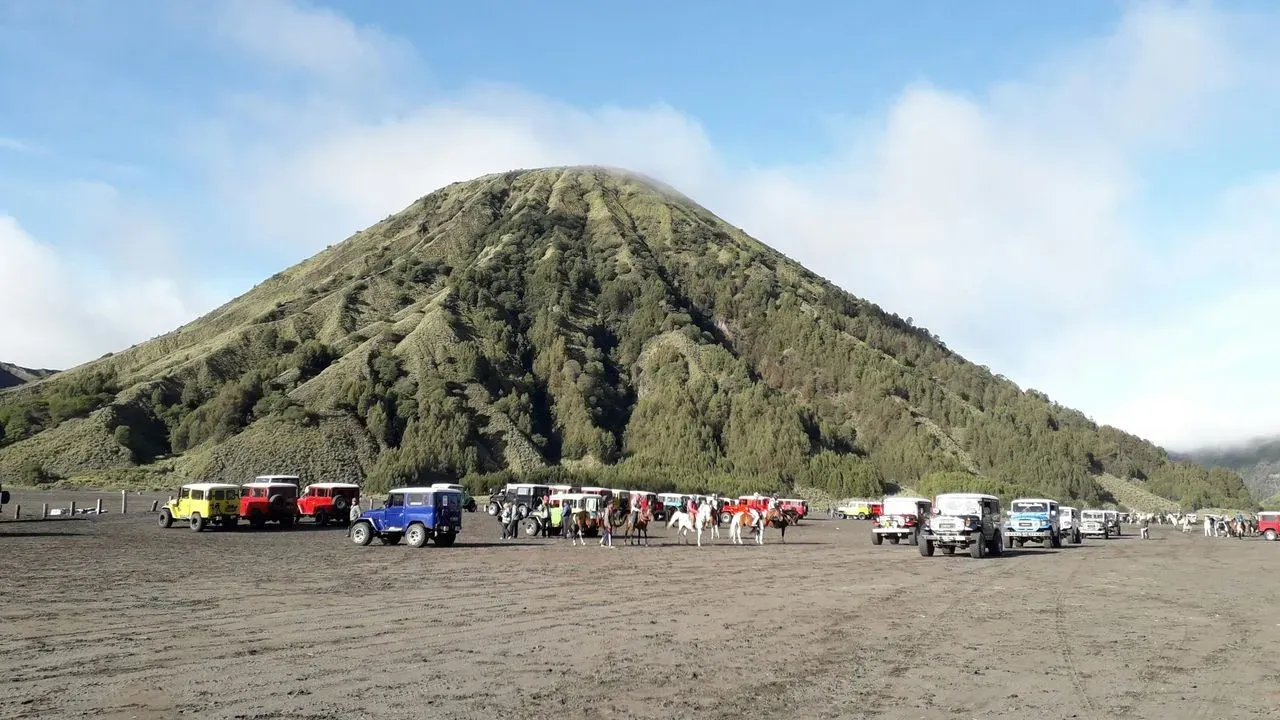

Mount Bromo, Indonesia – Indonesian authorities have closed Bromo Tengger Semeru National Park after a wildfire burned through roughly 743 hectares of grassland, vegetation, and protected edelweiss flowers in the Penanjakan area. The decision affects one of the country’s most visited natural landmarks, known for its dramatic volcanic landscapes and sunrise viewpoints that draw travelers from around the world. Officials are coordinating ground teams and aerial support while monitoring conditions across other fire-affected regions.
The Significance of This Landscape
Bromo Tengger Semeru National Park sits in East Java and encompasses the iconic Mount Bromo, a still-active volcano that rises from a vast caldera. The site offers visitors sweeping views of layered volcanic cones, highland savanna, and the surrounding Tengger massif, a setting shaped by both natural forces and long-standing local traditions. Its accessibility from nearby towns has made it a focal point for those seeking to experience Indonesia’s volcanic heritage up close. The park’s closure comes during a period when dry conditions have heightened fire risk across the archipelago. East Java officials noted that flames reached popular vantage points, prompting the temporary shutdown to protect both the ecosystem and response operations. No injuries or evacuations have been reported in the affected zones.
Current Response Efforts
Coordinating Minister Djamari Chaniago stated that more than 100,000 hectares of land have burned nationwide, with scores of firefighters and 43 helicopters deployed to priority sites. At Mount Bromo, ground crews continue to work alongside aerial water-bombing operations. Forestry Minister Raja Juli Antoni emphasized reliance on these direct methods after weather monitoring showed no suitable clouds for cloud-seeding operations through mid-August. In Sumatra’s Jambi province, separate peatland fires have burned more than 50 hectares, including areas near palm-oil plantations. Roughly 300 personnel and three helicopters are addressing those blazes, though deep peat soils and limited water access have slowed progress. Officials continue to stress the importance of preventing new ignitions through careful land practices.
Why This Matters for Travelers
The park closure directly affects visitors who had planned sunrise hikes or photography sessions at Penanjakan and other viewpoints. Travelers with upcoming itineraries are encouraged to monitor official updates from Indonesian park authorities and local tourism offices before finalizing arrangements. Alternative highland destinations in East Java remain open and offer their own volcanic and cultural experiences. Indonesia’s Meteorological, Climatological and Geophysical Agency has flagged August and September as particularly critical months due to strong winds and dry vegetation. This seasonal pattern underscores the value of flexible planning and support for local conservation measures that help safeguard these landscapes for future visits.
Looking Ahead
Indonesia’s vast network of islands and protected areas continues to face annual challenges from land-clearing practices that can escalate during dry spells. Coordinated national efforts, combined with public awareness, remain central to bringing fires under control while preserving the ecological and cultural value these sites hold. The measured response now underway reflects a commitment to both immediate containment and longer-term stewardship of places like Mount Bromo.
AI Disclaimer: This article was created with the assistance of AI tools and reviewed by a human editor.