


Walk into almost any major museum and a quiet drama plays out without most visitors ever noticing it. Certain galleries hum with energy. Others sit in near-perfect stillness for hours at a time. The person who notices this most reliably is not the curator, not the director, and certainly not the visitor clutching a map. It’s the security guard posted in the corner, watching everything.
Guards spend entire shifts in rooms that most visitors pass through in thirty seconds flat. They notice the hesitations, the u-turns, the glazed expressions. Over time, they develop an almost forensic sense of which spaces draw people in and which ones quietly repel them. What they know is more nuanced than any heat map.
The Room That Gets Walked Through, Not Into
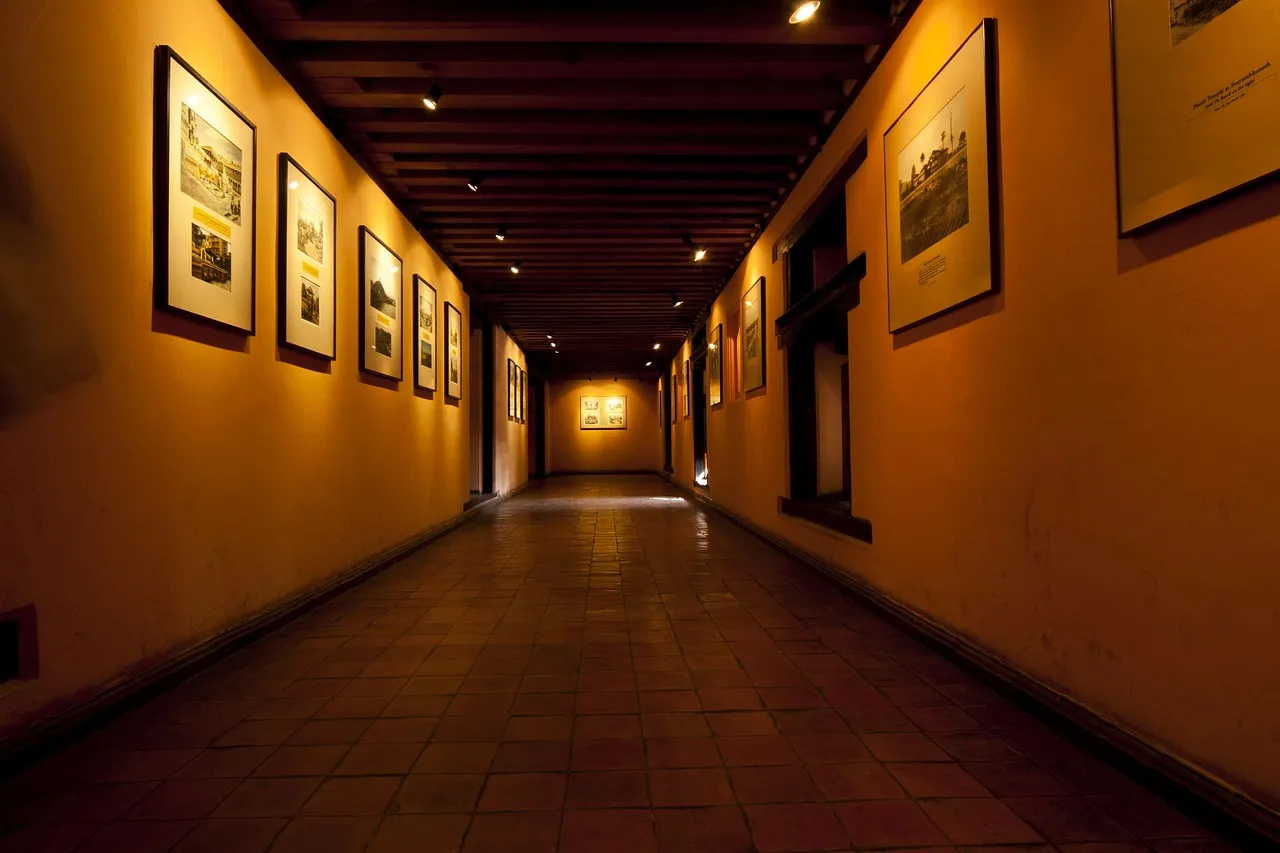
There is a particular kind of gallery space that functions less like a destination and more like a corridor. Visitors enter, scan the room from the doorway, and keep moving. Real-time visitor tracking systems confirm what guards have long observed by instinct: the data focuses on understanding how visitors actually move through galleries, where they pause, which routes they prefer, and which spaces remain underused. The room nobody lingers in is rarely the worst room. It’s often simply the one that comes right after a more visually arresting space, leaving it at a psychological disadvantage before anyone even steps inside.
Museum Fatigue Is Real, and the Guards Know Where It Hits First
“Museum fatigue,” which is physical and cognitive fatigue that causes a sharp drop in visitor attention, has been extensively studied and documented, yet it has rarely been examined using large-scale behavioral data. Guards don’t need academic papers to tell them this. They watch it happen in real time, room by room. Visitor attention declined after visitors passed through the initial galleries on the first of three floors, according to research conducted at the Van Gogh Museum. The guards stationed in those mid-floor and late-tour rooms are, in many ways, watching over a space that the brain has already half-checked out of.
Visitors Follow the Same Invisible Path, Every Single Day
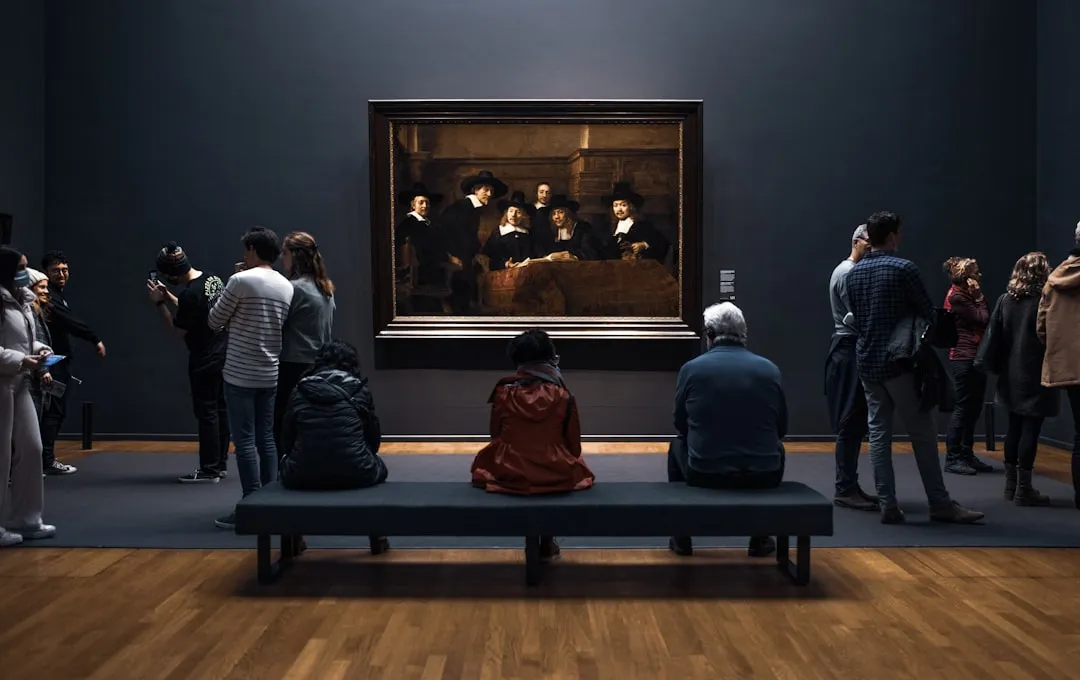
Visitor paths and their variations are quite selective; visitors mostly choose the same paths although many other options exist, creating an uneven distribution of visitors among spaces, and possibly one of the largest causes of high congestion and vacancy in the museum. This is something guards working in less-traveled wings understand intimately. They may spend an entire shift without seeing a group pause longer than a few seconds. Museum staff design exhibitions based on theories and experience about what pieces are popular and how visitors will move through gallery spaces, and the artistic director at CoBrA Museum believes that wall placement may impact visitors’ movement more than the displayed artworks themselves. The guard, however, is the one who watches whether those theories hold up in practice.
What the Data Confirms About Empty Rooms
Advanced video analytics can track how long visitors stay in certain areas or identify less-visited spots, while facial recognition technology sheds light on visitor demographics and even emotional responses to exhibits. Museums are investing seriously in this kind of data, and what it consistently shows is that visitor flow is far from even. Modern museum management relies on visitor analytics to measure dwell time, peak hours, and popular exhibits. Yet for all that technology, the guard who has stood in the same gallery for three hundred shifts carries a quality of observation no sensor can fully replicate.
The Psychology of “Stopping” and Why It Matters
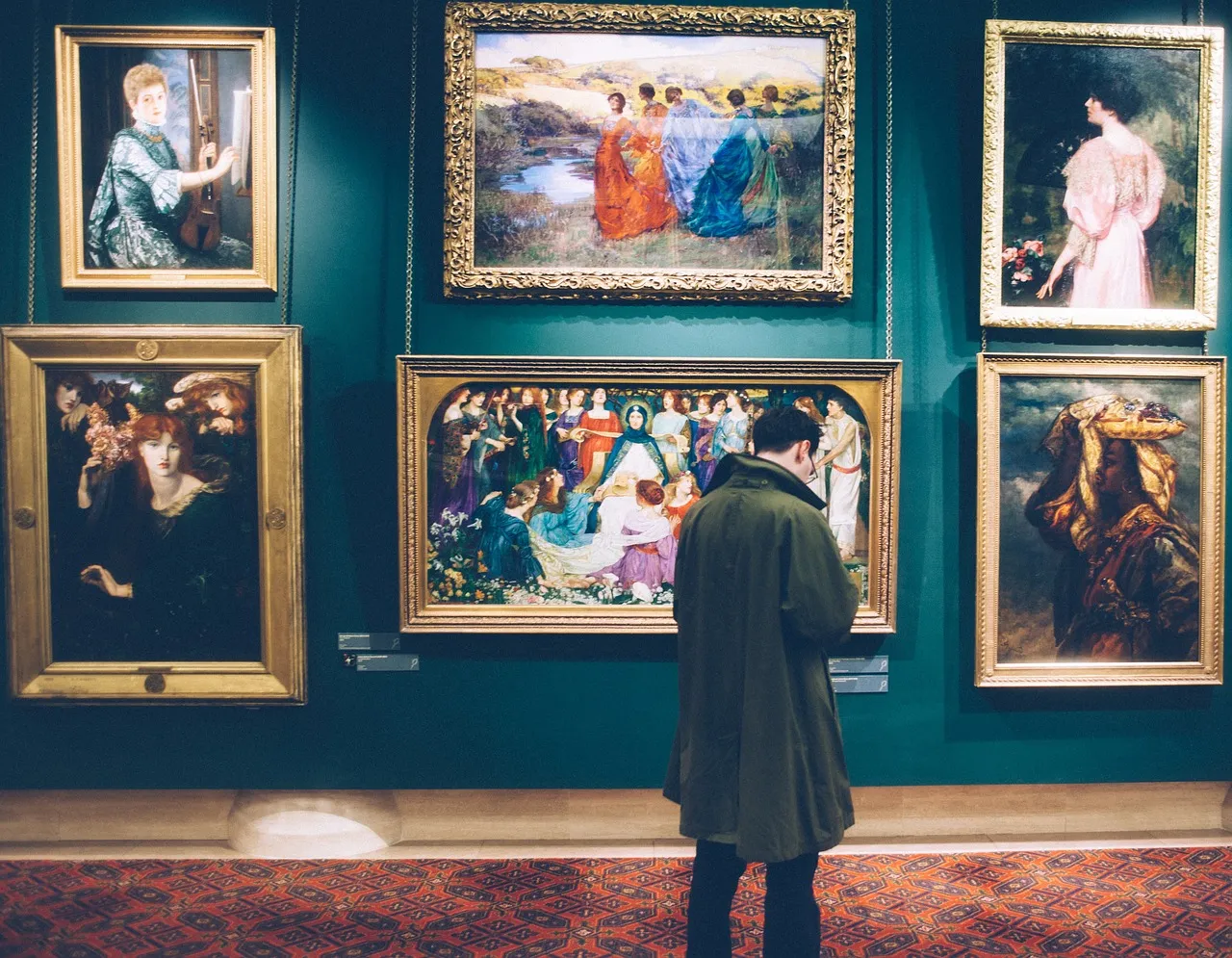
In visitor studies, the behavior of “stopping” is a key indicator of attention, and a high frequency of stopping at regular intervals has historically been the ideal type of visitor engagement intended by curators in an exhibition. When guards describe a room nobody lingers in, they’re describing a room where stopping almost never happens. Behaviorally, visitors exhibit slowed walking paces and reduced dwell times at exhibits, with attention shifting to more selective viewing as fatigue builds through a visit. The empty room is often not the first room, and not the last. It tends to be somewhere in the middle, where the cumulative weight of everything already seen starts to press down on the visitor’s willingness to engage.
Guards as the Unsung Experts on Visitor Behavior
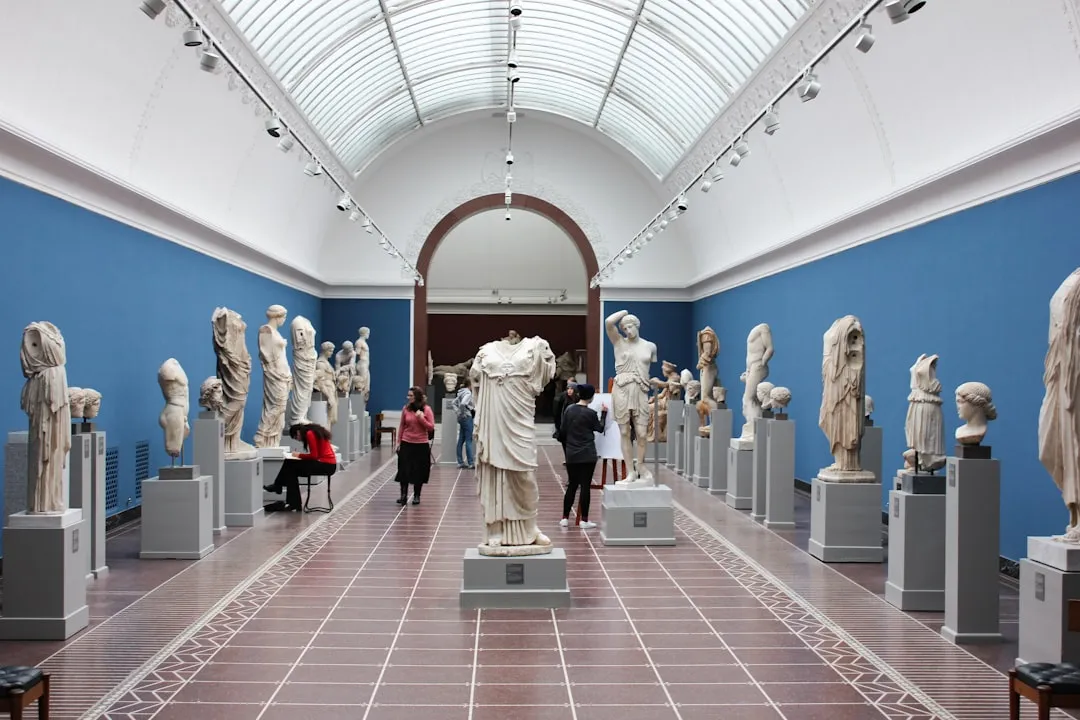
Some museums, including the Guggenheim in New York City and the Baltimore Museum of Arts, have highlighted their security officers’ knowledge about art on social media and in guard-curated exhibits. This recognition is meaningful, because guards observe something that most research methodologies miss: the full arc of a visitor’s emotional state as they move from room to room. While a traditional security approach still applies, with a focus on protecting the artwork and artifacts, museum guards’ other responsibilities overlap with visitor services to improve visitors’ experience and encourage them to return. That dual awareness, security and hospitality at once, gives guards a uniquely grounded perspective on which spaces work and which ones quietly fail.
How Museum Design Creates Forgotten Galleries
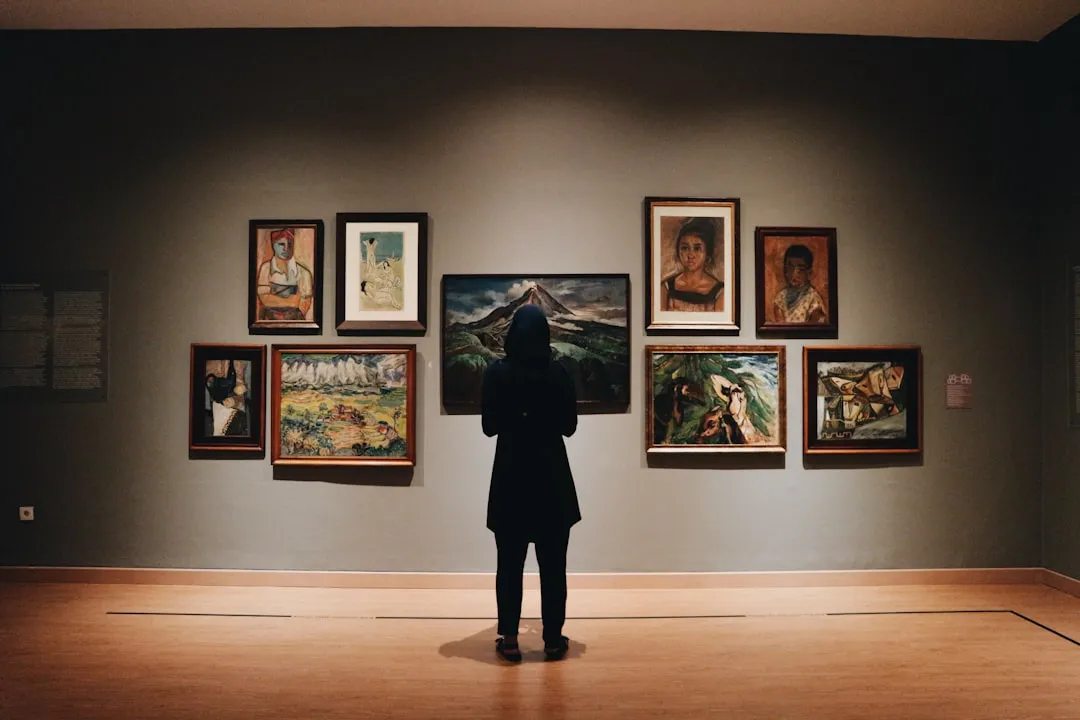
Research at the Van Gogh Museum showed that although visitors often deviate from the curated path, museum design choices, including the arrangement of artworks and the spatial layout, can help explain observed patterns in visitor behavior. Poor wayfinding, awkward transitions between rooms, and spaces that feel tucked away or cut off from natural foot traffic all contribute to gallery abandonment. Environmental factors such as the quantity and density of exhibits and information, building legibility, signage, and wayfinding systems have been identified as key contributors to diminished visitor engagement. A guard stationed in one of these architecturally awkward galleries is, in effect, guarding a space the building itself seems to have forgotten to include in the main conversation.
The Quiet Rooms That Divide Opinion
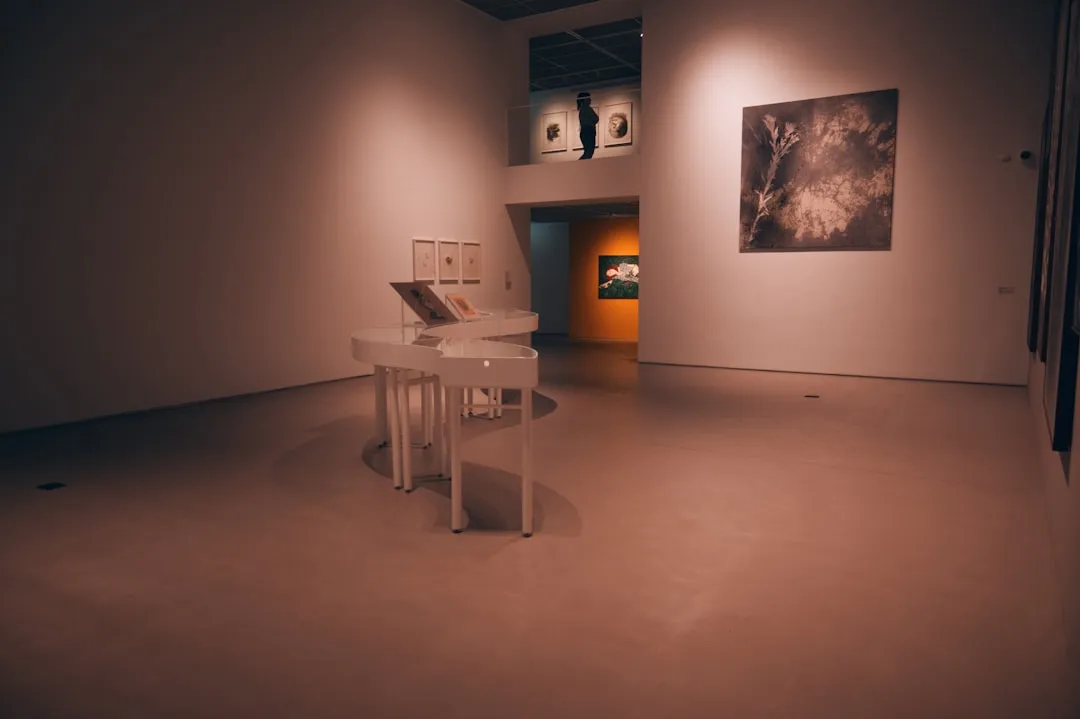
Through semi-structured interviews with 40 participants, researchers determined that educators and visitors similarly perceive museum quiet spaces as restorative, inclusive, varied, situated, and spaces to process emotions, and in recent years museums have begun to think more carefully about the value of creating such quiet spaces. This is an important nuance. Not every undervisited room is a failure. Some guards describe spaces that feel intentionally still, rooms designed for contemplation rather than spectacle. Educators and visitors perceive quiet spaces as restorative and inclusive, and the meaning of these spaces is contextual and mediated by the interplay between the individual’s context and the environmental characteristics of the quiet space itself. The challenge is telling the difference between a room that is quiet by design and one that is simply overlooked.
Attendance Numbers Hide What Guards Already Know
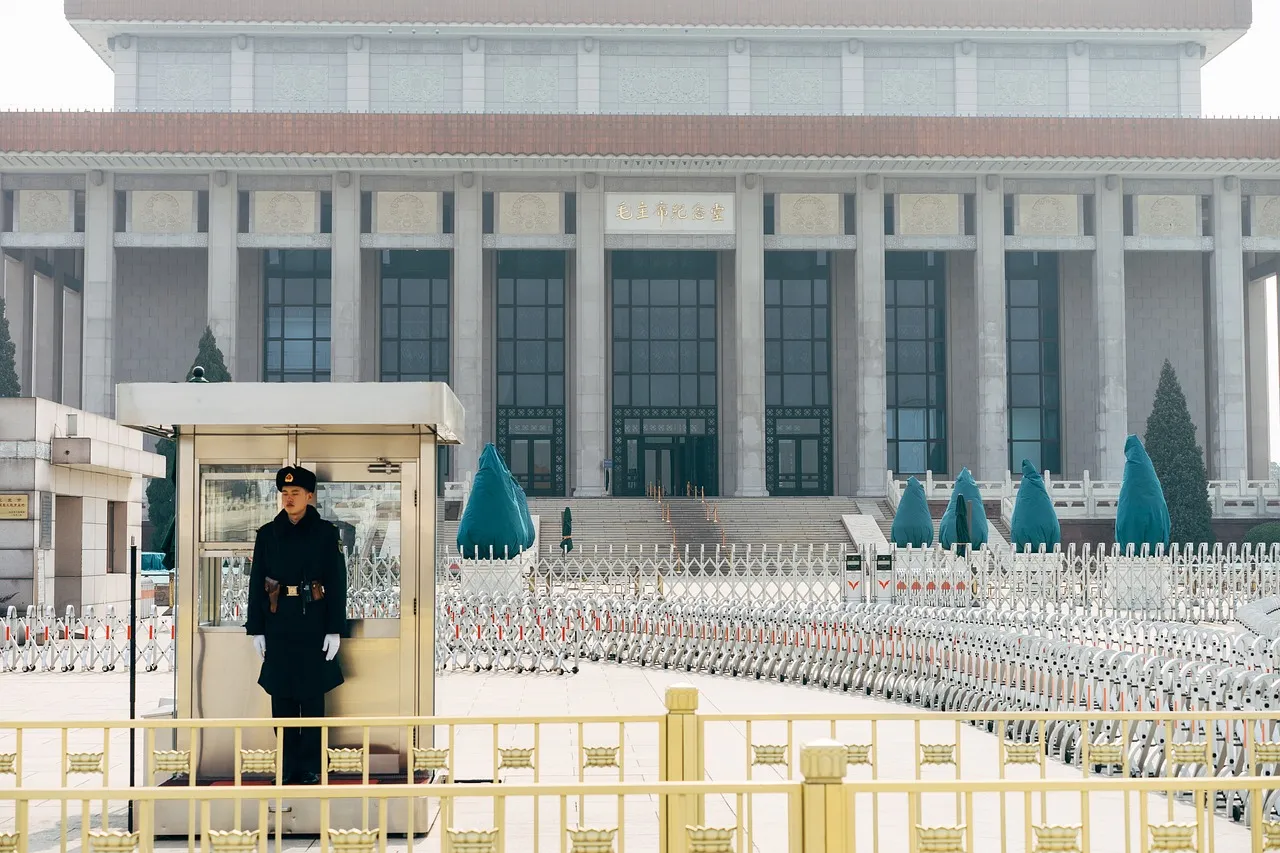
In 2024, roughly one in three US adults visited a museum, surpassing pre-pandemic levels. Those broad headline numbers say nothing about what happens once people are inside. Surveys and expensive observational studies are currently the only available data source to evaluate visitor behavior, with limits of scale and bias. Guards, by contrast, collect their data for free, shift after shift, in real time. The Metropolitan Museum of Art in New York City drew over five and a half million visitors in 2024, making it the most visited museum in the United States, yet even within an institution of that scale, some rooms see only a fraction of that foot traffic on any given day.
What the Van Gogh Museum Study Taught Curators
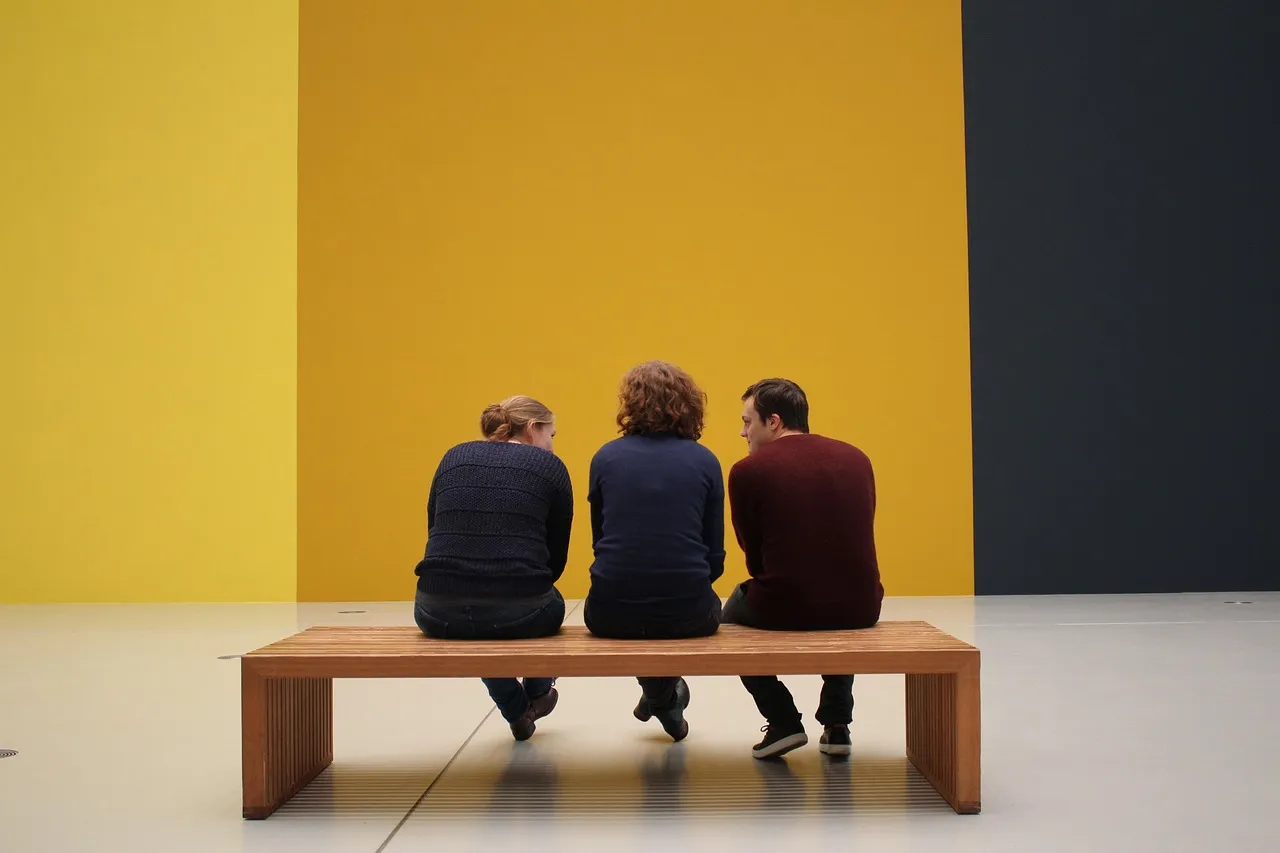
Within the Van Gogh Museum, parts of the galleries were redesigned based on the results of an observational study on visitor movement. That kind of institutional willingness to listen, to treat visitor behavior as actionable information rather than background noise, is still relatively rare. Both creative staff and those in charge of business development at CoBrA Museum expressed a need for objective information to test assertions and improve intuitive understanding about the gallery, with the artistic director noting that learning more about visitor flow would have an impact on how they design and display works of art. Guards are not curators, but they are witnesses. The rooms they describe as perpetually empty are worth taking seriously.
The Takeaway

There is something genuinely worth sitting with in the idea that the most honest assessors of a museum’s spatial success are often the people standing quietly in the corner. Guards don’t have agendas. They’re not trying to justify an acquisition or defend a curatorial decision. They just watch. Real-time visitor tracking has moved far beyond counting entries, focusing on understanding how visitors actually move through galleries, where they pause, which routes they prefer, and which spaces remain underused. Technology is catching up to what guards have known for years.
The room nobody lingers in is not always a failure. Sometimes it’s a room waiting for a small change in lighting, signage, or placement that could shift everything. Guards can serve as gallery guides, explaining context to visitors in ways that transform enforcement into education, since visitors understand and accept the space better when they know the reasons behind it. The most underrated resource in any museum might just be the person who has stood in that quiet room the longest.
AI Disclaimer: This article was created with the assistance of AI tools and reviewed by a human editor.