
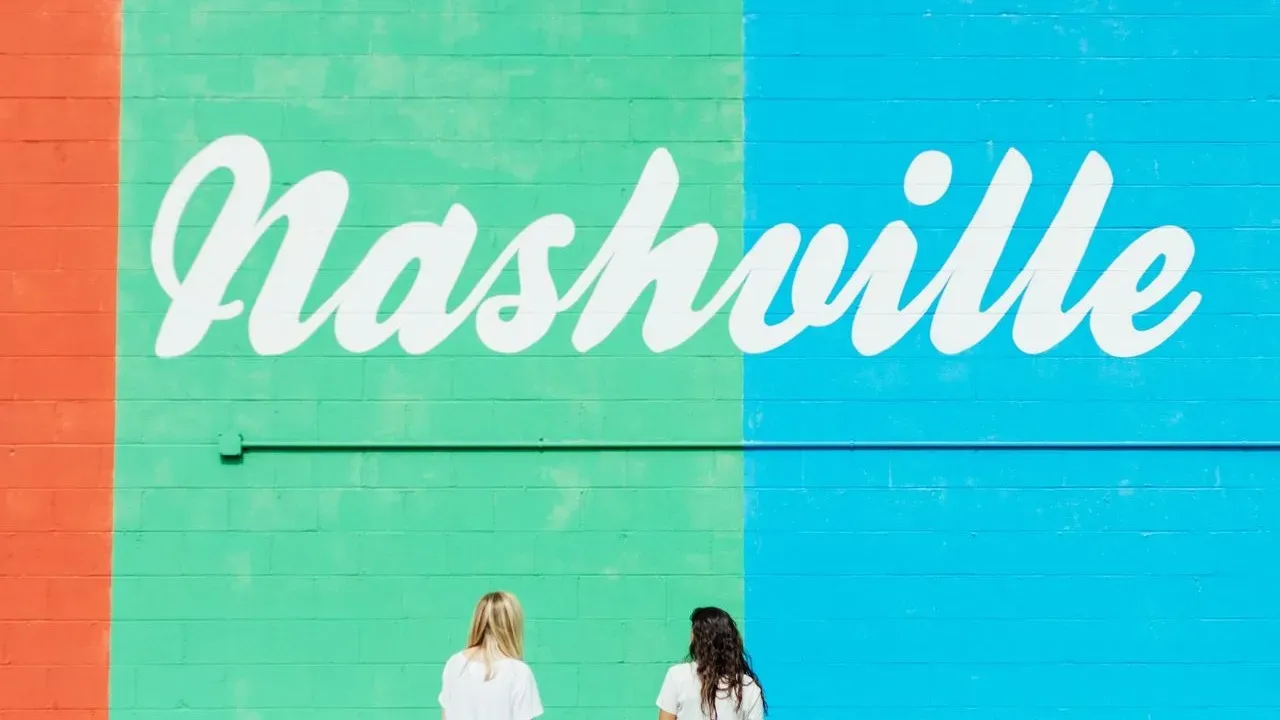

Nashville’s food scene stretches far beyond the well-known hot chicken and biscuits that draw visitors to Broadway. The city’s more than 500 square miles contain dozens of neighborhoods, each with its own rhythm and culinary personality shaped by local ingredients, history, and the people who cook there. A neighborhood-by-neighborhood approach reveals how these places connect diners to the everyday life of Music City rather than simply offering a meal. This guide draws from extensive local exploration to highlight restaurants that reflect their surroundings. ([1])
Downtown and SoBro: Polished Rooms with a View
Downtown and the adjacent SoBro district gather several of Nashville’s most refined dining rooms inside historic buildings and modern hotel towers. These spots often serve as pre-show destinations for concerts at Bridgestone Arena or performances at the Ryman Auditorium, where reservations become essential on busy evenings. Restaurants here emphasize thoughtful service and carefully sourced ingredients. Yolan, located inside The Joseph hotel, presents seasonal Italian menus built around handmade pasta and regional wines. Bourbon Steak occupies the 34th floor of the JW Marriott, pairing premium steaks and seafood with sweeping skyline views that shift dramatically at sunset. Etch offers globally inspired contemporary dishes from an open kitchen, while Skull’s Rainbow Room preserves a 1948 supper-club atmosphere complete with live jazz and classic prime rib. Eddie V’s and The Capital Grille round out the area with elegant seafood and dry-aged steaks in settings that encourage lingering.
The Gulch: Walkable Energy and Farm-to-Table Focus
The Gulch stands out for its compact, pedestrian-friendly layout where restaurants sit within easy reach of shops and murals. Many kitchens here draw directly from nearby farms, creating menus that change with the seasons and highlight Tennessee produce. Adele’s anchors the neighborhood with an open kitchen and wood-fired dishes alongside one of the city’s most generous weekend brunch buffets. Saint Añejo brings lively Mexican-inspired plates and an extensive tequila list to a colorful patio setting. Sunda New Asian blends sushi and Southeast Asian flavors in a sleek room suited for sharing. Biscuit Love serves scratch-made biscuits and creative toppings in a casual counter format, while Peg Leg Porker and Otaku Ramen provide straightforward barbecue and long-simmered ramen for quicker meals. The neighborhood’s walkability makes it simple to move between a morning pastry and an evening tasting menu without relocating a car.
Germantown: Historic Settings and Chef-Driven Tables
Germantown’s brick streets and Victorian homes create an intimate backdrop for several of Nashville’s most influential restaurants. Many occupy restored industrial spaces that now host communal tables and open kitchens, fostering a sense of shared experience. Rolf and Daughters occupies a former boiler building where handmade pasta and vegetable-forward plates change with the seasons. City House pairs Italian techniques with Southern ingredients in a lively neighborhood atmosphere. Monell’s invites guests to communal tables inside a 1905 home for family-style Southern meals that include skillet-fried chicken at every service. The Optimist restores a 1902 hammer mill for wood-fired seafood and oysters, while Pelato offers shareable Italian plates rooted in family recipes. Reservations are wise here, though Monell’s operates on a first-come basis that rewards early arrivals.
East Nashville and Beyond: Creative Independent Voices
East Nashville and nearby areas such as Wedgewood-Houston and 12 South host many of the city’s most inventive independent restaurants. These neighborhoods favor smaller rooms, natural wines, and menus that encourage sharing several dishes rather than committing to a single entrée. Butcher & Bee builds seasonal small plates around local produce, with its whipped feta remaining a signature. Bad Idea occupies a converted church and pairs an ambitious wine list with imaginative courses. Kisser serves Japanese comfort dishes in a compact daytime space, while Noko applies wood fire and smoke to Asian-inspired plates. Further afield, Locust in 12 South offers a tiny, reservation-only tasting experience, and Urban Grub transformed a former car wash into a sprawling indoor-outdoor gathering spot. These areas reward visitors who explore beyond the most visible tourist corridors.
Practical Notes for Enjoying Nashville’s Tables
Planning around neighborhood clusters helps visitors make the most of their time. Many restaurants recommend reservations two to four weeks ahead for weekend evenings, especially near major events. Parking can be competitive in popular districts, so rideshare or validated garages often prove simpler. Brunch crowds appear reliably in The Gulch and 12 South, while dress codes remain relaxed at most neighborhood spots though some steakhouses prefer smart casual attire. Dietary needs are best discussed directly with each restaurant when booking. The city’s spread means grouping meals near planned activities keeps the experience relaxed and connected to the places being visited. Nashville’s neighborhoods continue to shape how people gather and eat, offering travelers a way to experience the city’s character one table at a time.
AI Disclaimer: This article was created with the assistance of AI tools and reviewed by a human editor.