
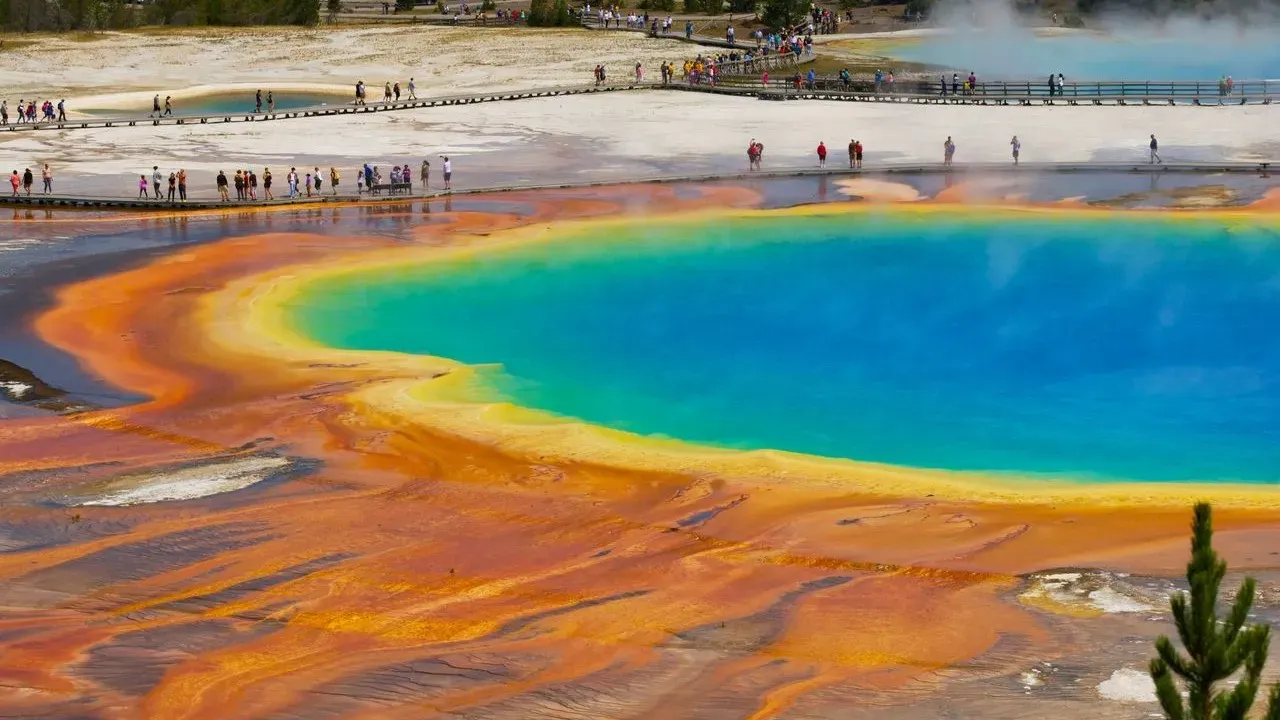

Travelers who cherish time spent among the geysers of Yellowstone or the granite cliffs of Yosemite often plan their journeys around the promise of well-maintained trails, accessible facilities, and thoughtful upgrades that deepen the connection to these landscapes. Recent decisions by the Interior Department have placed more than 130 planned projects across the National Park Service on hold, affecting more than $25 million in funding. ([1])The move, reported last month, touches beloved sites including Yellowstone, Yosemite, Zion, and Joshua Tree, prompting questions about how visitor experiences may evolve in the seasons ahead.
The Enduring Appeal of These Protected Places
America’s national parks represent some of the most carefully stewarded natural and cultural landscapes in the world. Yellowstone’s geothermal features and vast wildlife corridors continue to draw families and researchers alike, while Yosemite’s meadows and waterfalls offer quiet moments of reflection amid towering granite. Zion’s narrow canyons and Joshua Tree’s distinctive desert flora invite hikers and photographers to slow down and observe the subtle rhythms of the land. Each park carries its own layered history of conservation efforts that have preserved these spaces for generations. Projects supported by the National Park Service often focus on practical enhancements such as trail stabilization, campground improvements, and visitor-center updates. These efforts aim to balance growing interest in the parks with the need to protect fragile ecosystems and ensure safe, meaningful access for all who arrive.
Understanding the Recent Funding Decisions
The Interior Department, which oversees the National Park Service, disapproved agreements for the projects in question. More than 130 initiatives spanning multiple states now sit in a paused state, representing over $25 million in anticipated investment. The affected parks include some of the system’s most visited destinations, where even modest improvements can influence how millions of annual visitors move through and appreciate the terrain. While the precise scope of each project varies, the collective pause reflects broader administrative review processes that can shift timelines for infrastructure and interpretive work. Stakeholders ranging from park staff to local communities that support tourism now await further clarity on next steps.
Practical Considerations for Planning a Visit
For travelers preparing itineraries, the current situation suggests a few measured approaches. Core park roads, basic facilities, and primary trails remain open and operational, allowing visitors to experience the landscapes that have long defined these places. Those considering trips may wish to check official National Park Service resources for the latest guidance on any localized maintenance schedules. A short list of traveler considerations includes: – Confirming current trail and facility status directly through park websites before departure.
– Allowing extra flexibility in daily plans, as some secondary improvements may proceed on adjusted timelines.
– Supporting Leave No Trace principles to help maintain the quality of shared spaces during periods of transition.
– Exploring shoulder seasons when crowds are lighter and the pace of discovery feels especially rewarding. These steps help ensure that visits remain both enjoyable and responsible regardless of funding timelines.
Looking Forward With Purpose
National parks thrive through ongoing stewardship that respects both their ecological integrity and the people who come to learn from them. The pause in these particular projects invites a wider conversation about how funding decisions shape the long-term care of public lands. Travelers who approach these places with curiosity and care continue to play a quiet but vital role in their preservation. As plans for future seasons take shape, the focus remains on the timeless qualities that draw people to Yellowstone’s steaming basins, Yosemite’s granite walls, Zion’s sculpted canyons, and Joshua Tree’s starlit nights. Those qualities endure, inviting each new visitor to engage thoughtfully with the landscapes that belong to everyone.
AI Disclaimer: This article was created with the assistance of AI tools and reviewed by a human editor.