
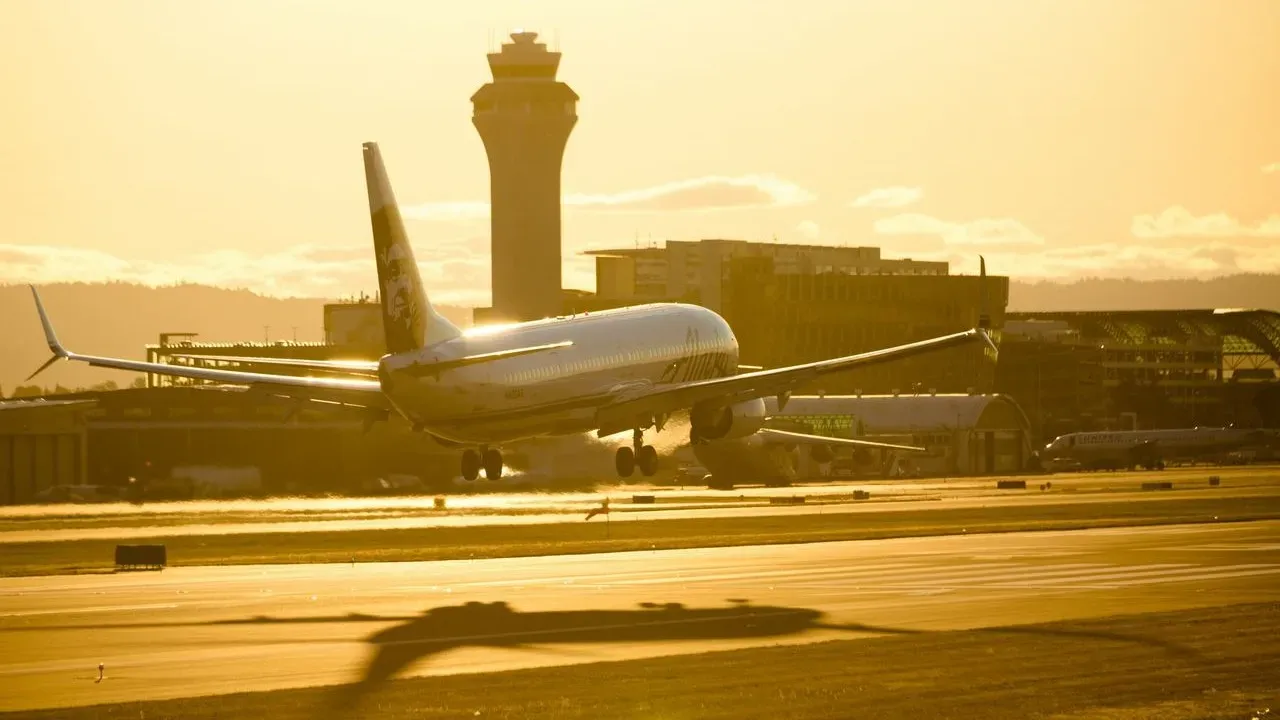

The Federal Aviation Administration ([1])halted departures at airports across the United States on Friday, November 13, and the effects reached well into the weekend. The president addressed the episode on Monday, November 16, describing the equipment involved as very old and saying commercial aviation remains very safe. The disruption raised practical questions for anyone with a flight booked, and it renewed a debate in Washington about the age of the nation’s air traffic control systems.
A Rare Pause Across the Entire Network
Nationwide ground stops are uncommon. The Friday order was the first of its kind since January 2023, when a key FAA computer system malfunctioned, and only the second since the September 11 attacks ([2]). Departures were paused across the country, while flights already in the air were permitted to land.
The stop lasted more than four hours before the FAA lifted it that evening ([3]). By that point, thousands of flights had been canceled, and officials cautioned that airports would need time to return to a normal schedule ([2]). Airlines also had aircraft and crews out of position, which meant the impact stretched beyond the hours the order was in force ([4]).
| When | What happened |
|---|---|
| Friday, November 13, afternoon | The FAA paused all departures nationwide |
| Friday, November 13, evening | The ground stop was lifted after more than four hours |
| Monday, November 16 | The president commented on the cause and on aviation safety |
What Officials Say Went Wrong
Transportation Secretary Sean Duffy attributed the disruption to aging analog telecommunications gear, including switches and routers that became overloaded with data. The overload left radar readings unstable and disrupted communications with aircraft ([3]). Duffy said the flood of data started at a radio communications site in El Dorado, Arkansas, and at a radar site in Amarillo, Texas. He also said the Amarillo equipment had been replaced about three weeks earlier, a detail that has drawn attention as investigators work through the sequence of events ([5]).
The router’s manufacturer told The Wall Street Journal that the devices performed as designed, which leaves the root cause unresolved ([5]). Homeland Security Secretary Markwayne Mullin said officials are examining how the older systems interact with newer technology now being installed. He also said there was no evidence the problem was linked to a cyberattack ([4]).
Safety Messaging and the Funding Debate
Officials have stressed that no aircraft were harmed and that the system’s safety protections held. The president said on Monday that commercial aviation remains very safe, adding that the aim should be to go beyond that standard. He described much of the equipment as more than 50 years old and called for replacing it.
The episode has also sharpened the spending conversation. Duffy has pressed Congress for about $50 billion to overhaul the air traffic control system ([5]). Congress approved $12.5 billion over five years for upgrades last year ([6]). Duffy declined to apologize for the stop and pointed to earlier administrations that he said did not do enough to modernize the system ([7]).
Planning Ahead for Your Next Trip
A ground stop is a traffic management tool, and its effects on any single trip are hard to predict. Travelers can still reduce the stress of a disrupted day with a few habits.
- Check your flight status through your airline’s app or website before leaving for the airport, especially on busy weekends.
- Leave extra time between connections, and avoid tight same-day itineraries when possible.
- Pack medications, chargers, and a change of clothes in your carry-on bag.
- Save your confirmation number and review the airline’s rebooking options early, since demand for seats rises quickly after a stop.
The events of November 13 showed how much daily travel depends on systems that operate quietly in the background. Officials agree that aging equipment needs attention, and the investigation into the failure is still underway. For travelers, the most useful approach is to stay informed, build flexibility into plans, and watch for the results of the investigation and any funding decisions that follow.
AI Disclaimer: This article was created with the assistance of AI tools and reviewed by a human editor.