
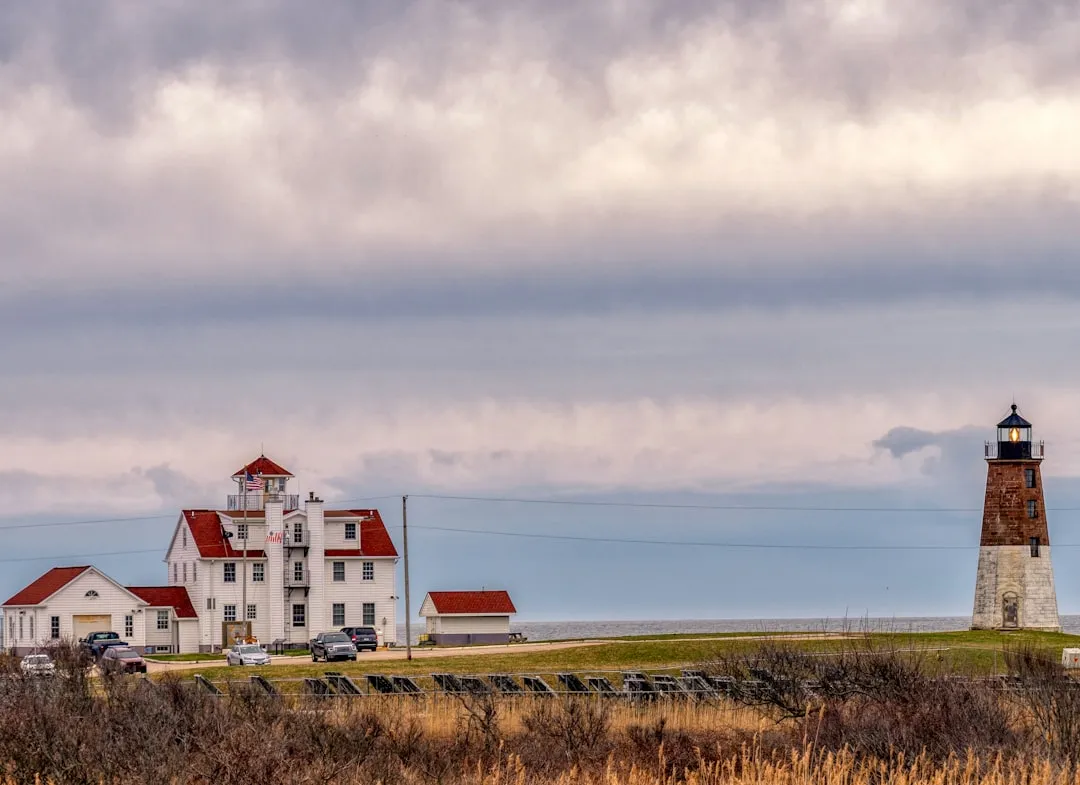

Cape Cod has long been the default summer destination for New Englanders. The clam shacks, the shingled cottages, the salt air drifting off Cape Cod Bay – it’s a deeply familiar picture. Yet something is shifting. A growing number of travelers from Massachusetts, Connecticut, and beyond are quietly rerouting to a small island off the southern coast of Rhode Island, and it’s not hard to understand why.
Block Island sits just 12 miles offshore, easy to reach but genuinely remote in feel. It carries the kind of unhurried atmosphere that Cape Cod once had before the crowds caught up.
The Cape Cod Problem Nobody Wants to Talk About
Cape Cod is, by its own commission’s official assessment, in the midst of a housing crisis, with the median sales price of single-family homes rising sharply and far outpacing income growth. The average Cape Cod home now costs over $700,000, sitting well above the Massachusetts state average.
The share of Cape Cod workers commuting from the mainland has roughly doubled in six years as housing costs push people further from their jobs. The infrastructure strain shows at the bridges, in the restaurants struggling to staff up each season, and in the crawling summer traffic that has become an accepted part of visiting.
There will always be people who insist on going to Cape Cod in July and August – you can wave to them while stuck in the legendary traffic. For the travelers who’d rather not spend their vacation in a line of cars, Block Island has become the answer.
Block Island: Small in Size, Big on Character
Block Island is a beautiful 11-square-mile resort situated 12 miles off Rhode Island’s coast, featuring stunning ocean views and windswept beaches, and offering activities ranging from dining to adventure to pure relaxation.
Beautiful, uncluttered, and free of commercialism, it is the place in the Ocean State that Rhode Islanders escape to in search of New England beauty, and they never, ever tire of it. That absence of chain businesses is not a minor detail. It’s the whole point.
All businesses on the island – hotels, restaurants, cafés, shops, banks, car rentals – are local. There are no formula or chain businesses such as Avis, Dollar Store, Hilton, or Starbucks, just local folks doing business and keeping the money on the island. You can’t imagine how refreshing this is until you’ve experienced it.
Rhode Island’s Record-Breaking Tourism Surge
Rhode Island saw a record 29.4 million visitors in 2024, with a 3.5 percent increase, contributing $6 billion in spending and creating new jobs, according to state data. That is not a modest uptick. It represents a destination that has decisively arrived on the national radar.
In total, tourism generated $8.8 billion in total economic impact and supported more than 88,500 jobs statewide, a 2.1 percent increase, with the sector now accounting for roughly 13 percent of all jobs in Rhode Island.
Tourism also delivered $992 million in state and local tax revenue for the year, up nearly 6 percent from 2023, easing the tax burden for residents while fueling public investments in infrastructure and services. Block Island is a meaningful contributor to that story.
Getting There Is Part of the Experience
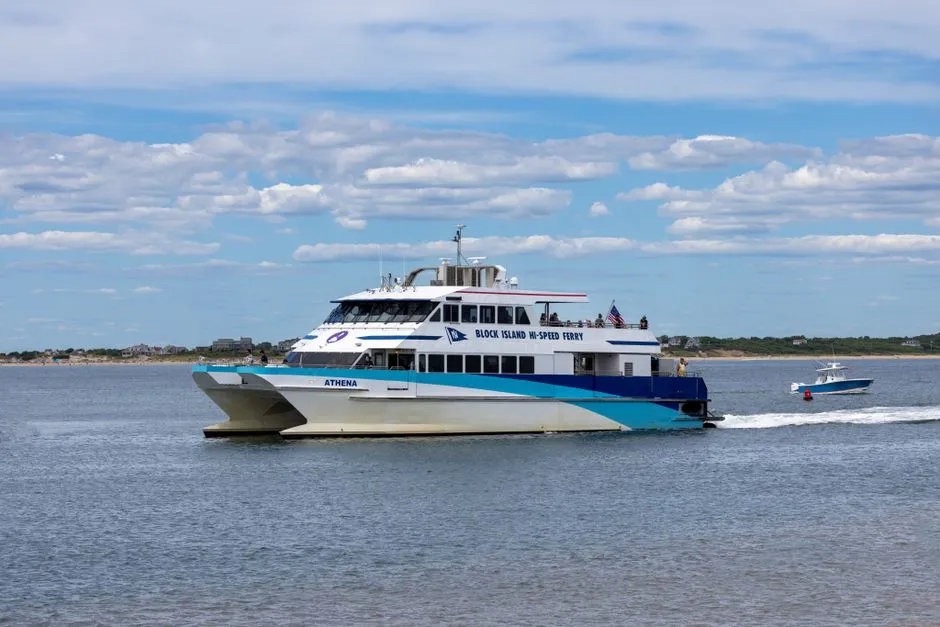
The ferry voyage to Block Island, taking 30 to 55 minutes, is pleasant enough, with plenty of room to sun on the top-deck benches and a small bar and snack counter on board. It’s the kind of transition that immediately signals you’ve left ordinary life behind.
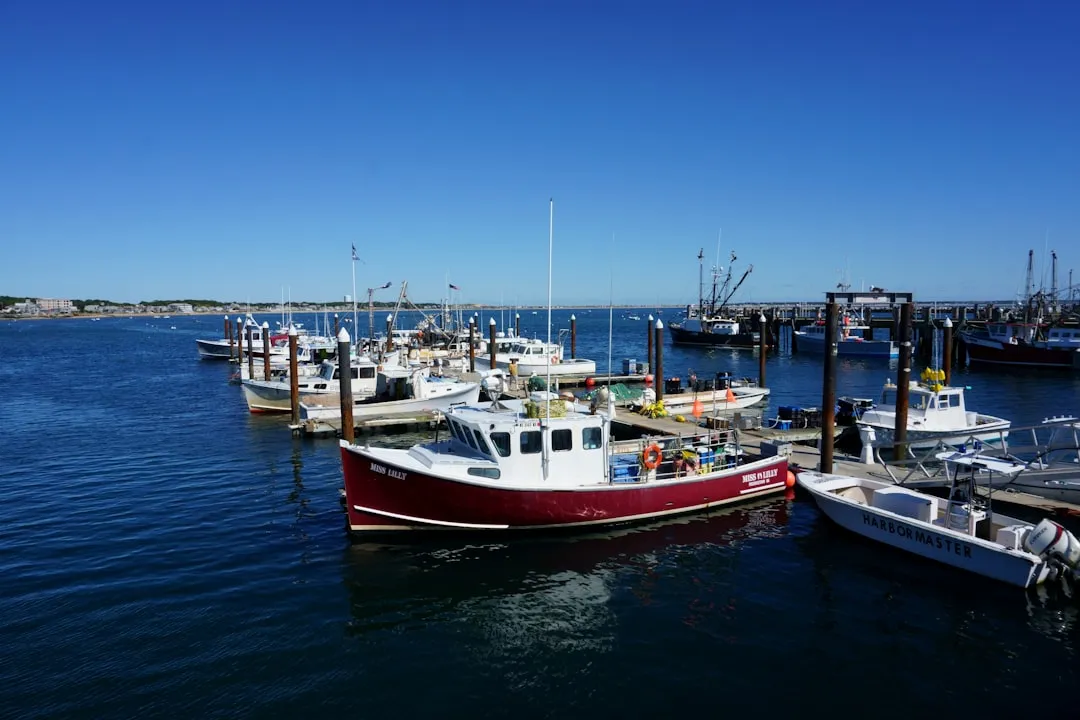
Year-round ferry service runs from Point Judith and Newport to Block Island. Point Judith in Rhode Island is the port with the most frequent service, with six to nine daily sailings in summer by the traditional Block Island Ferry and additional sailings by a high-speed ferry in each direction from mid-June to early September.
The ferry leaves from the fishing port of Point Judith, and the trip itself is enjoyable – especially during departure and docking. Cars and bikes can travel on the ferry, but being without a vehicle is no problem: the shops and restaurants of Old Harbor are easily walkable, or you can rent a bicycle, moped, or take a taxi to reach outlying beaches and bluffs.
The Beaches That Keep People Coming Back
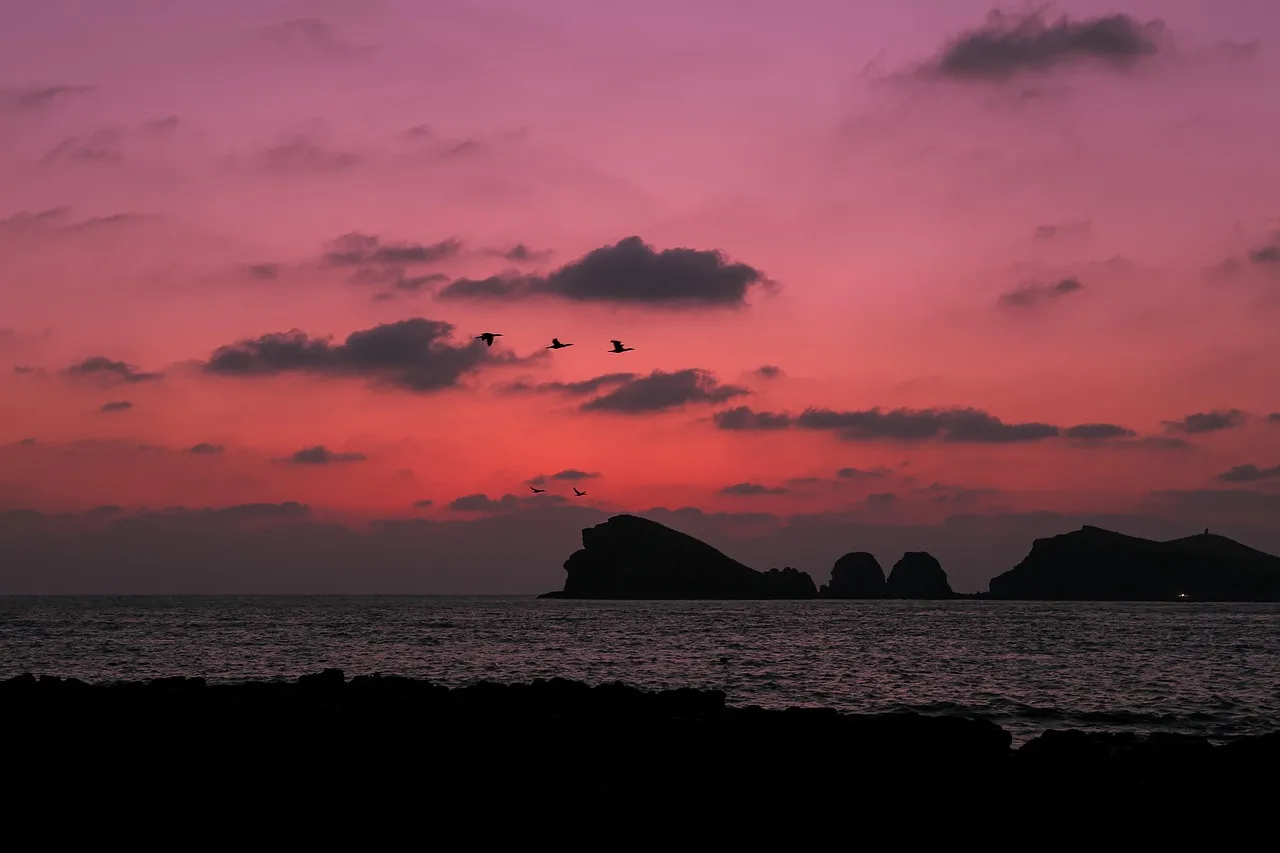
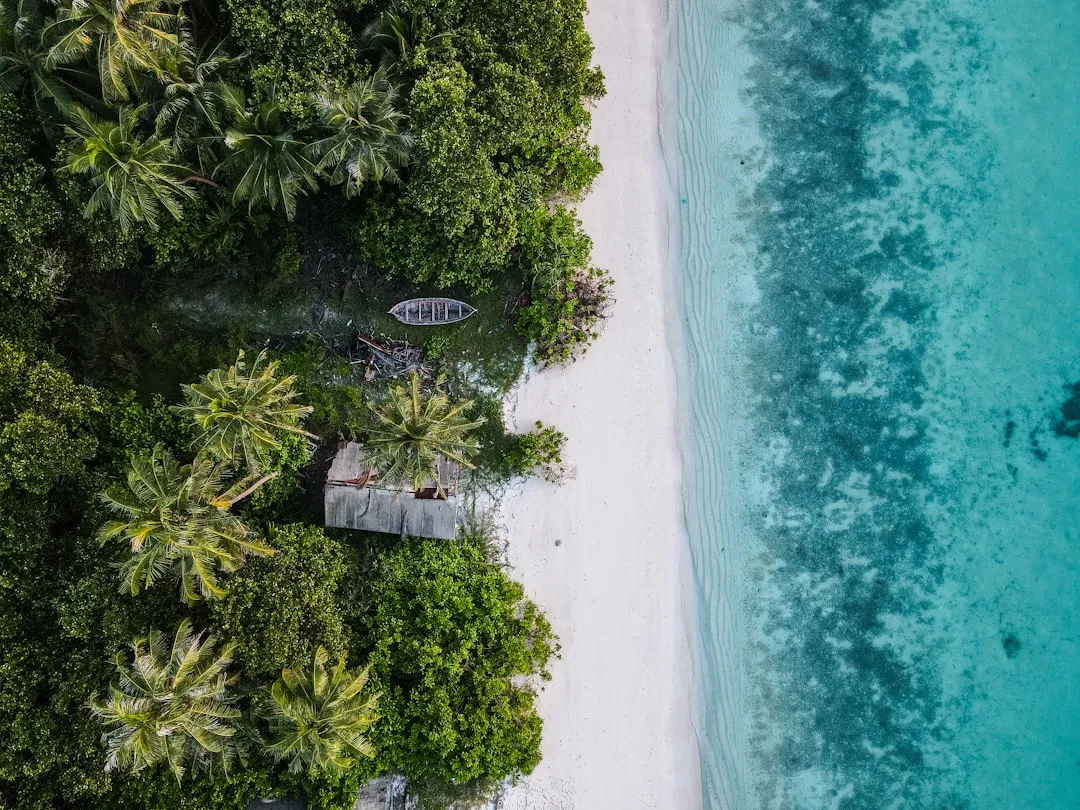
Walk in any direction on Block Island and you’ll end up at a free public beach. This oasis off the southern coast of Rhode Island features 17 miles of shoreline, as well as old-fashioned cottages and two historical lighthouses.
Block Island beaches are free and invite visitors for a day of sun and fun. That matters more than it might seem. Access, simplicity, and open space are genuinely hard to find on the overcrowded coastlines of the Northeast in summer.
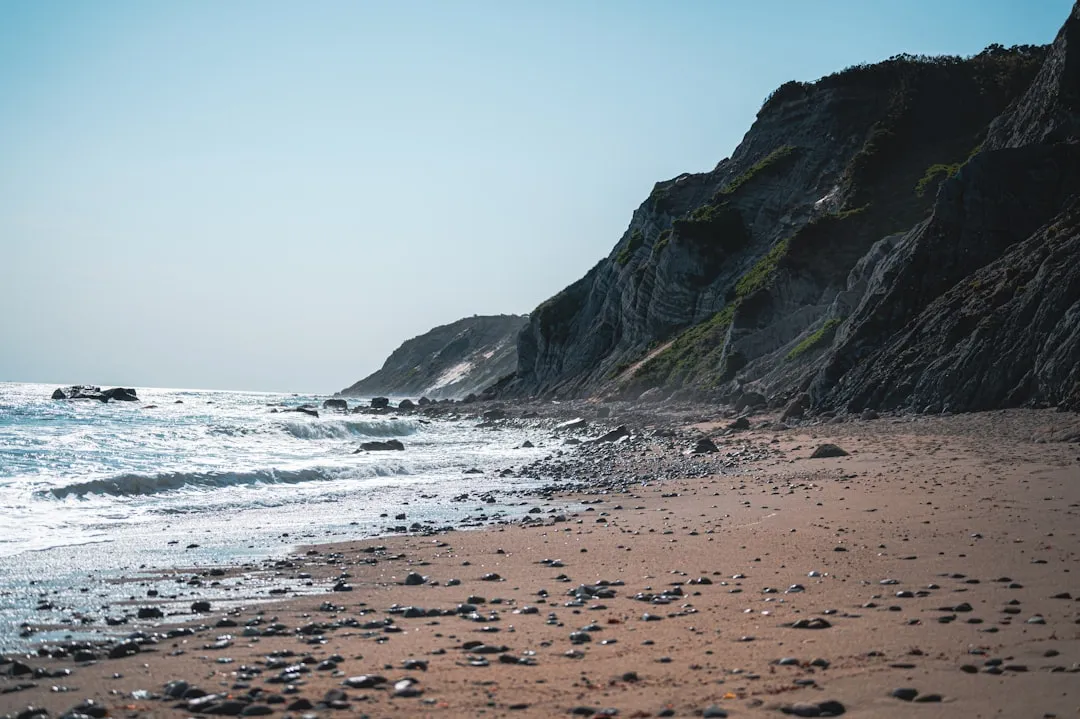
Dramatic bluffs rise 200 feet above the ocean on the southern end, while the northern tip offers gentle beaches that curve like a welcoming smile. The variety within such a compact island is remarkable, and most visitors find themselves returning to both ends.
Conservation That Actually Works
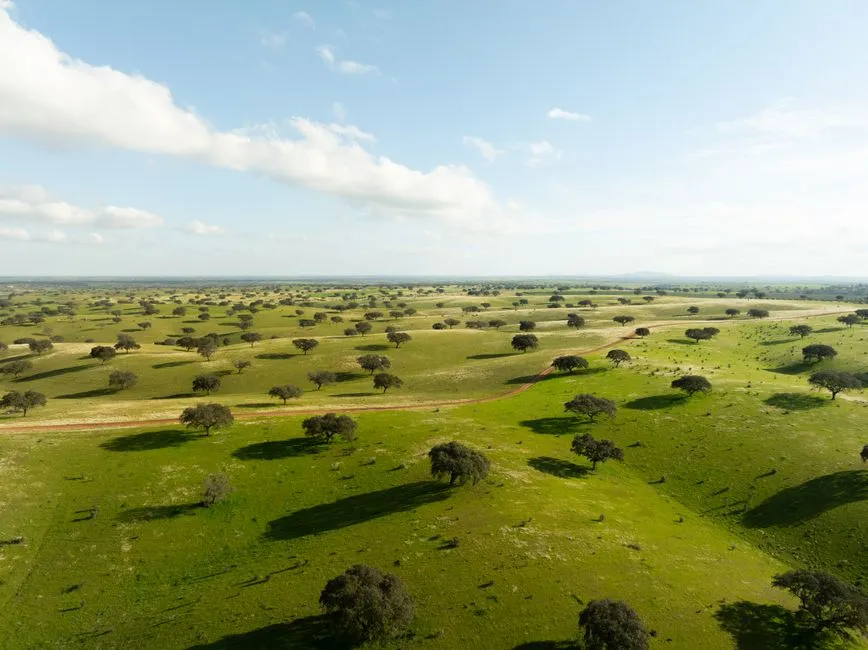
Located just 12 miles from mainland Rhode Island, Block Island has conserved nearly 50 percent of its land from development, making it well known among outdoor enthusiasts as a destination endowed with conserved landscapes and great natural beauty.
Nearly 40 percent of the land remains undeveloped, protected by conservation efforts that began long before eco-tourism became a buzzword. This wasn’t an accident. Community members fought deliberately to keep it this way, and that effort is visible in every open hillside and unobstructed view.
The balance between tourism and conservation is crucial on the island. Health, environmental, and social benefits arise from eco-tourism and conservation practices, and local businesses flourish as the community commits to eco-friendly initiatives and sustainability.
A Birder’s and Hiker’s Paradise

Over 150 migratory species visit the island, making it a birder’s paradise, especially during spring and fall migrations. Few spots of this size in the Northeast can claim that level of wildlife density.
The Lewis-Dickens Farm is a 120-acre wildlife refuge in the island’s southwest, featuring meadows and sweeping coastal views, and is a popular spot for birdwatching with a walking trail. It’s the kind of quiet, purposeful experience that Cape Cod’s busiest stretches simply can’t offer during high season.
Visitors can also take in sweeping ocean views from Mohegan Bluffs or look for animals at Block Island National Wildlife Refuge. The variety of outdoor activity concentrated in such a small area genuinely surprises first-time visitors.
Heritage Tourism Is Booming Across Rhode Island
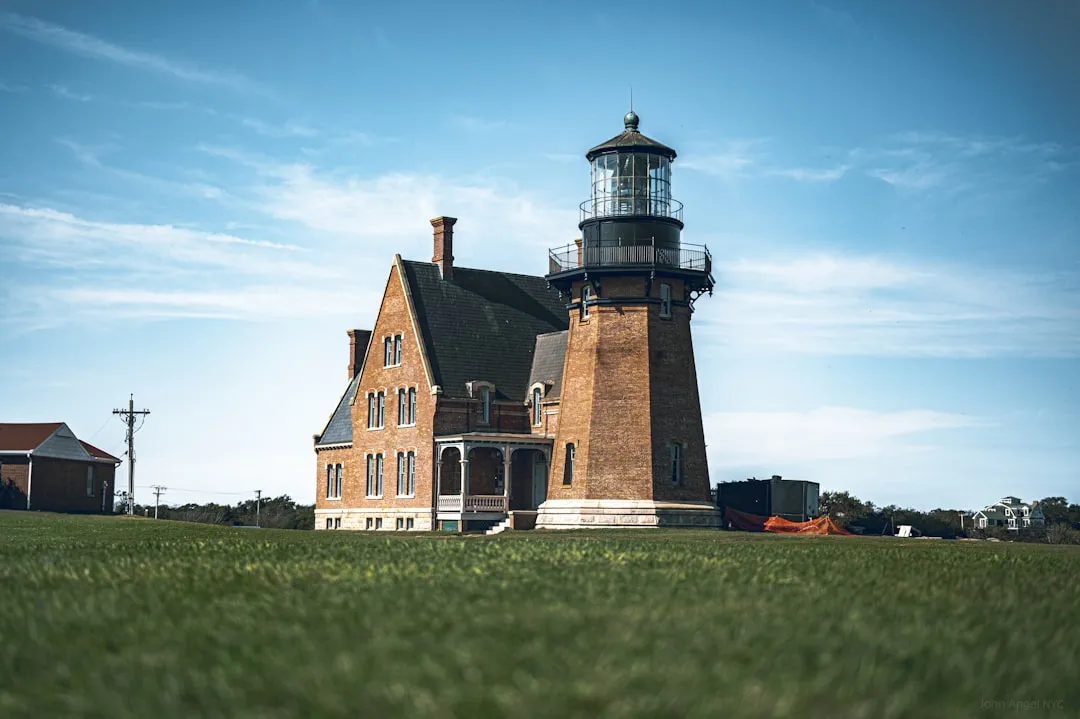
In 2024, the Newport Mansions welcomed 871,683 visitors, up from 797,750 in 2023. That trend reflects a wider appetite across the state for depth, not just scenery. Block Island fits that mood perfectly, with its Victorian-era architecture and lighthouse history.
Block Island is a time capsule from the 19th century. Much of the Victorian-era architecture has been preserved, and new buildings have kept to the island style. Walking through Old Harbor feels genuinely different from the sameness of most seaside commercial strips.
Travelers today aren’t just looking for beaches, stuffies, and lobster rolls. They want to connect with history, culture, and stories that endure. Block Island, with its lighthouses, preserved farmland, and tight-knit community identity, quietly delivers all of that.
The Economic Case for a Smaller Footprint
Data from the Block Island Tourism Council shows that tourism generated an estimated $35 million for the local economy in 2022. For an island of roughly 1,000 year-round residents, that figure reflects enormous seasonal impact relative to the community’s size.
Future projections indicate continued growth in tourism, bolstered by increased marketing and improved infrastructure, while Block Island’s preservation efforts maintain natural landscapes and promote biodiversity. The challenge ahead is managing that growth without eroding what makes the place worth visiting.
Block Island has seen considerable growth in tourism outside protected lands and is now experiencing building pressure on infrastructure. Local officials are aware of this tension, and it remains an active and honest conversation among residents and planners.
Why It Feels Different from Every Other Island Escape
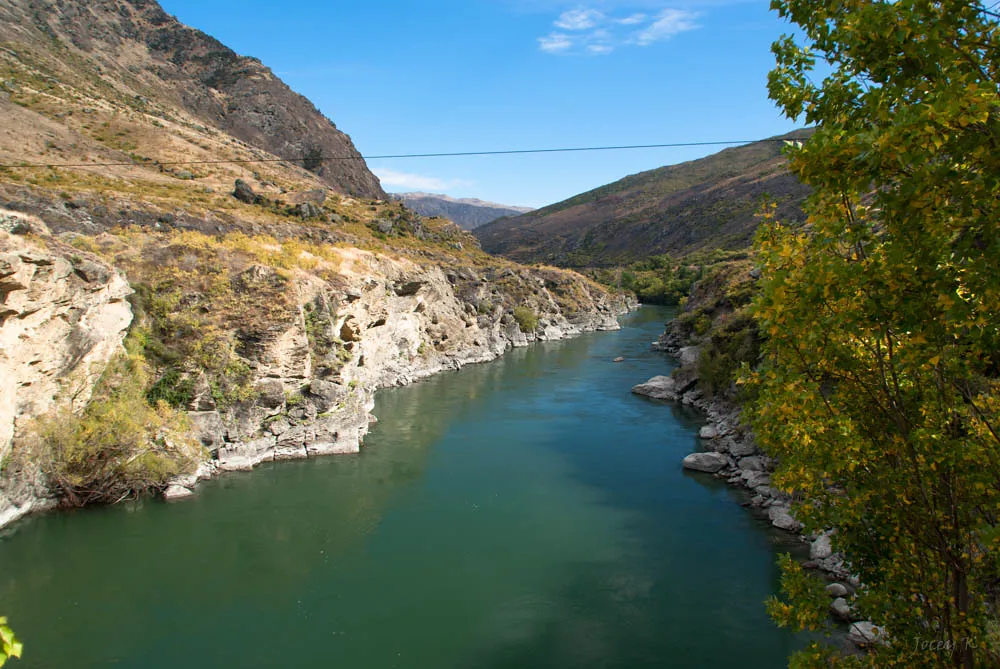
Its rolling green hills, many small ponds, and dramatic bluffs are said to be reminiscent of Ireland, and the bluffs are spectacular. This isn’t marketing language – it’s a description that most visitors independently echo after their first trip.
Block Island is a place like no other. Its mix of wildlife is found nowhere else in the world. Island residents have fought to preserve habitat for insects, birds, mollusks, flora, and humans, too, resulting in abundant clean water, open spaces, and beautiful viewsheds.
Block Island is a charming haven for beach lovers, nature enthusiasts, and history buffs alike. That triple appeal is not easy to find in one place. It’s precisely why New Englanders who’ve made the short ferry crossing once tend to keep coming back, often quietly, and sometimes without telling too many friends.
There’s something fitting about the fact that Block Island’s best quality might be the one hardest to advertise: it still feels like it belongs to the people who love it, not to the summer rush. Whether that lasts depends on how carefully the island manages its next chapter. For now, it remains one of the most honest escapes left in New England.
AI Disclaimer: This article was created with the assistance of AI tools and reviewed by a human editor.