
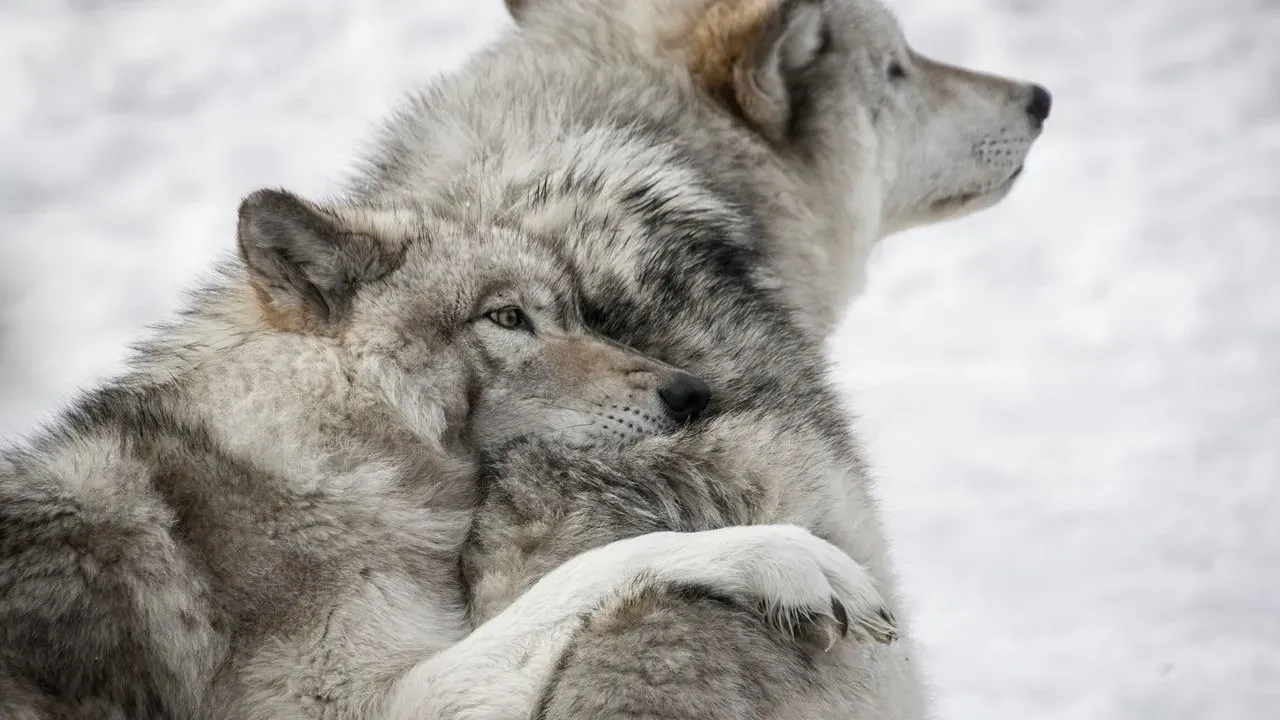

Travelers who plan trips around the chance to glimpse gray wolves in the wild now have a development to consider. President Trump signed an executive order directing the Interior Department to assess whether gray wolves should lose their endangered-species protections. The move arrives at a moment when wolf watching ranks among the most sought-after experiences in the Northern Rockies.
Why Gray Wolves Captivate So Many Visitors
Gray wolves hold a singular place in the American West. Their return to Yellowstone National Park in the mid-1990s transformed both the ecosystem and the visitor experience. Today, early-morning or late-evening drives along the Lamar Valley or Hayden Valley often produce the quiet thrill of spotting a pack moving across open terrain. These sightings remain rare enough to feel earned, yet reliable enough that dedicated wildlife tours have grown around them. Visitors from across the country and around the world book multi-day trips specifically for the possibility of hearing a howl echo through the lodgepole pines or watching a lone wolf trot along a ridgeline at dusk. The animals’ presence adds a layer of wildness that many travelers describe as unforgettable.
The Executive Order and Its Immediate Scope
The recent order tasks federal agencies with reviewing the current status of gray wolves under the Endangered Species Act. Such reviews typically examine population data, habitat conditions, and recovery benchmarks before any change in protection level is considered. The process unfolds over months rather than days, with opportunities for public comment and scientific input along the way. For travelers, the practical timeline means that any shift in management would likely occur well after the current season. Wolf-watching opportunities in Yellowstone and surrounding national forests continue under existing rules in the meantime. The review itself does not alter daily access or viewing protocols at the parks.
Planning a Thoughtful Wolf-Watching Trip
Those drawn to the Northern Rockies can still pursue these encounters with care and preparation. National Park Service guidelines emphasize staying on roads or designated pullouts, keeping a respectful distance, and never approaching or feeding wildlife. Early spring and fall often bring higher chances of sightings because wolves are more active during cooler hours. Local outfitters and park rangers offer interpretive programs that combine education with observation. These sessions highlight the animals’ role in the landscape while reinforcing low-impact practices. Visitors who join such programs frequently report deeper appreciation for both the wolves and the broader ecosystem that supports them.
Looking Ahead With Measured Curiosity
Policy reviews like this one remind travelers that wildlife experiences in public lands evolve with science and management decisions. The gray wolf story in the Rockies has already shown remarkable resilience, from near-extirpation to a stable presence that draws people year after year. Those planning future visits can follow updates from the National Park Service and U.S. Fish and Wildlife Service for the clearest picture of any changes. In the meantime, the simple act of watching these animals move through their habitat continues to offer a powerful connection to one of North America’s most iconic landscapes.
AI Disclaimer: This article was created with the assistance of AI tools and reviewed by a human editor.