
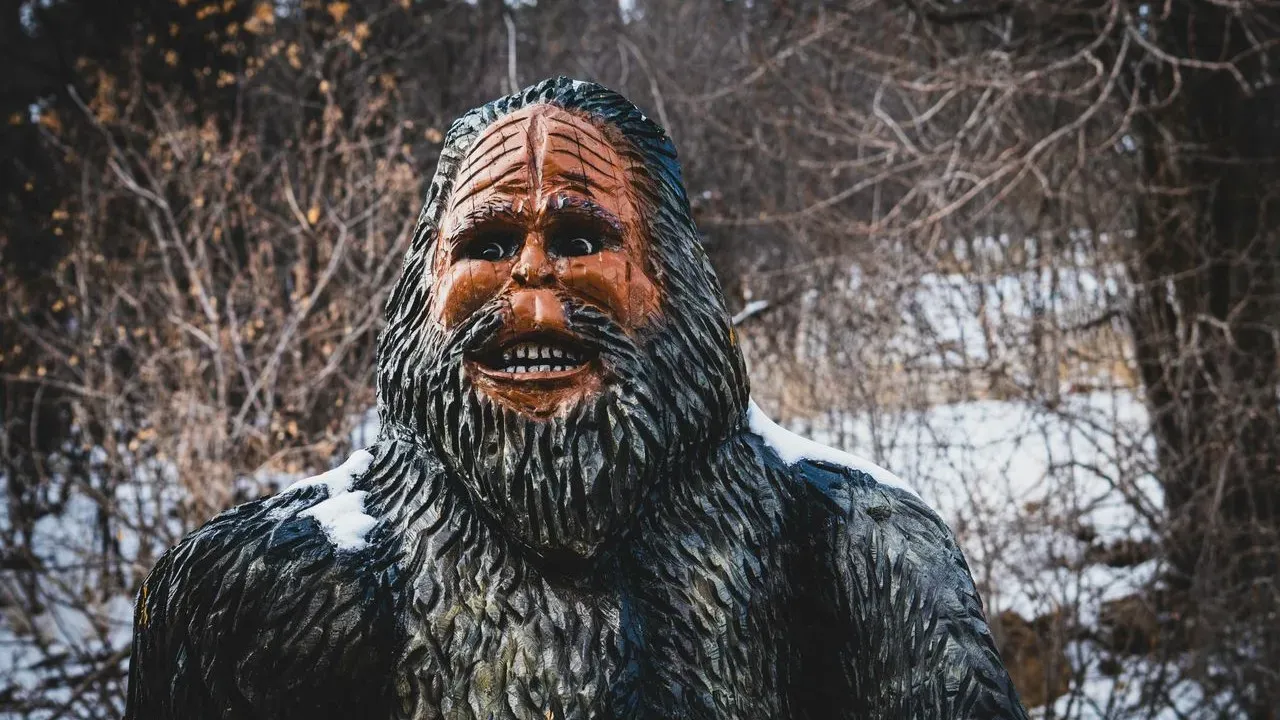

Northern California’s remote forests have long drawn curious travelers to the site of one of America’s most famous unexplained encounters. A newly surfaced piece of footage, presented in a recent documentary, now prompts renewed examination of the 1967 Patterson-Gimlin film recorded along Bluff Creek. The development arrives as visitors continue to explore the region’s wild terrain and small-town hospitality, drawn by both natural beauty and the stories that have grown around it.
The 1967 Patterson-Gimlin Encounter
On an October day more than five decades ago, two men captured several seconds of film that would become central to discussions of North American folklore. The footage showed a large, upright figure moving through the creek bed in what is now part of Six Rivers National Forest. Decades later, the same stretch of waterway remains a quiet, forested place where the landscape itself continues to shape how people experience the area. Travelers who reach Bluff Creek today find a setting of tall conifers, clear running water, and the kind of solitude that invites reflection rather than spectacle. The original film’s grainy images have been studied, debated, and revisited many times, yet the physical place retains its own quiet presence independent of any single interpretation.
Fresh Questions from a New Documentary
A recently discovered segment of film, featured in a documentary, has prompted observers to reconsider details of the 1967 recording. The new material does not settle long-standing discussions but instead highlights elements that invite closer scrutiny of the earlier sequence. Reports on the development, including coverage from Newsweek, frame the discovery as one that raises questions rather than delivers final answers. For those who visit the region, the conversation adds another layer to an already rich backdrop of natural history and local storytelling.
Willow Creek and Regional Hospitality
A short drive from Bluff Creek sits Willow Creek, a community that has embraced its connection to the broader story while offering practical comforts to travelers. Local businesses provide lodging, meals, and information that help visitors plan respectful outings into the surrounding national forest. The town’s setting amid the Klamath Mountains makes it a natural base for those interested in hiking, wildlife viewing, and learning about the area’s ecology from residents who know it best. Community events and modest museums present the legend alongside exhibits on forestry, indigenous history, and conservation efforts that define daily life here.
Driving the Bigfoot Scenic Byway
Highway 96, designated the Bigfoot Scenic Byway, winds through Six Rivers National Forest and offers a measured way to experience the landscape that surrounds the 1967 site. Pullouts along the route provide opportunities to pause beside the Trinity and Klamath rivers, where the scale of the terrain becomes clear. Travelers who follow the byway responsibly observe posted guidelines, stay on established paths, and support local economies through overnight stays and purchases from area businesses. The drive itself rewards patience, revealing changing light on the ridges and the steady presence of old-growth stands that predate any modern discussion of the region’s mysteries. The new questions surrounding the 1967 footage ultimately return attention to the enduring appeal of Northern California’s wild spaces. Whether the film’s subject is ever fully explained, the forests, rivers, and communities along the byway continue to offer travelers a tangible connection to place that stands on its own.
AI Disclaimer: This article was created with the assistance of AI tools and reviewed by a human editor.