
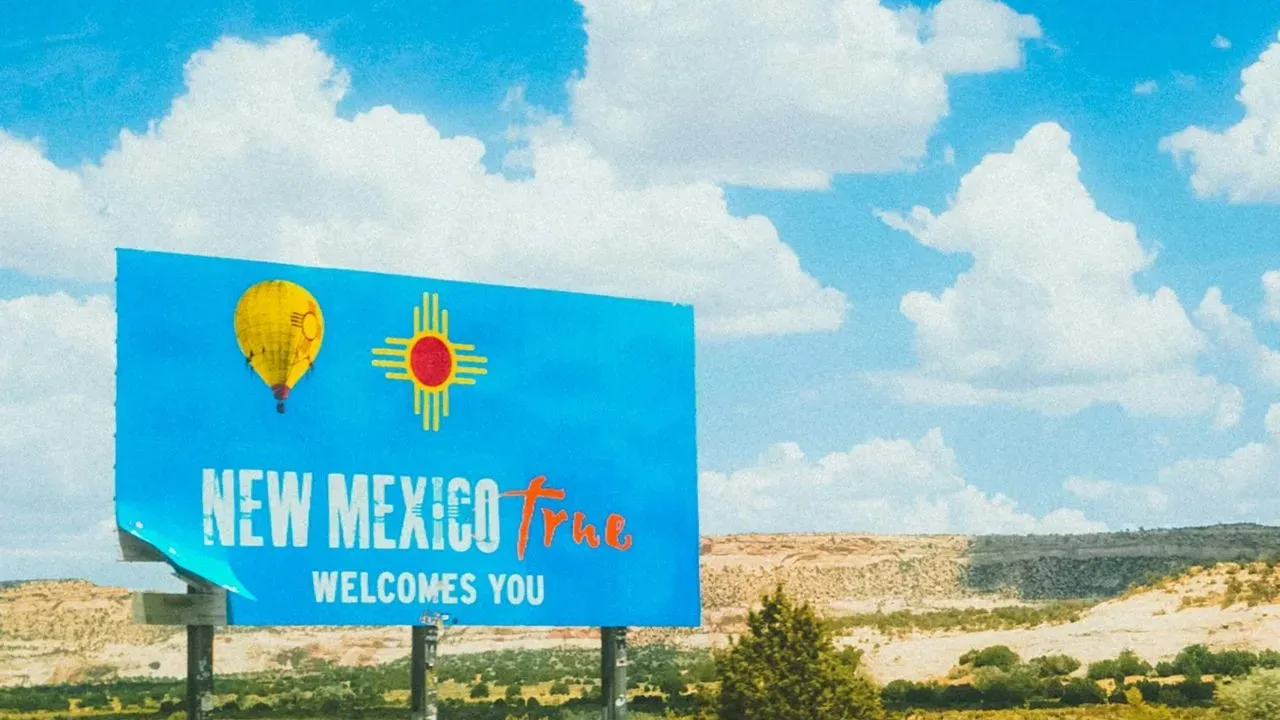

President Trump recently called for New Mexico to adopt the name “New America,” a suggestion that followed his earlier decisions to incorporate “America” into the names of the Gulf of Mexico and Lake Ontario. The proposal, reported by KXAN, draws attention to a place whose identity stretches back far longer than modern political debates. ([1])At its core, the discussion highlights how place names carry stories of exploration, settlement, and enduring communities that continue to shape daily life for residents and visitors alike.
Spanish Explorers and an Early Designation
Spanish expeditions in the 1500s applied the term “Nuevo México” to the lands north of the existing Spanish holdings in what is now central Mexico. The label reflected the hope of finding riches comparable to those discovered farther south, yet it took hold as a geographic marker long before Mexico gained independence as a nation. That early usage established a linguistic thread that has persisted through centuries of change.
Travelers today encounter echoes of this period in the architecture and layout of historic plazas, the layout of mission churches, and the persistence of Spanish place names across the landscape. These elements form part of the lived environment rather than isolated relics, offering visitors a tangible connection to the colonial era that first recorded the region’s name.
Indigenous Foundations and Living Traditions
Long before European contact, Pueblo peoples and other Native nations maintained sophisticated societies across the region, with agricultural systems, trade networks, and architectural achievements that still influence contemporary building practices and community life. Their presence predates and outlasts any single colonial label, forming the deepest layer of the state’s cultural identity.
Visitors who approach these communities with respect can learn about ongoing traditions in pottery, weaving, and ceremonial practices that remain vital. Sites near Santa Fe, Taos, and Albuquerque provide opportunities to engage with this heritage through guided experiences and public markets, always with attention to local protocols and permissions.
Spanish, Mexican, and Contemporary Influences
Subsequent waves of settlement brought additional Spanish colonial administration, Mexican governance after independence, and later integration into the United States. Each period left marks on language, cuisine, and land use that blend into the distinctive character of New Mexican culture today. The result is a layered identity expressed in everything from bilingual signage to regional festivals.
Food traditions illustrate this mix particularly well. Dishes such as red and green chile stews, blue-corn tortillas, and slow-cooked meats reflect Indigenous ingredients combined with Spanish and Mexican techniques. Travelers who seek out family-run restaurants in Albuquerque or Santa Fe often discover these flavors as part of everyday community life rather than staged performances.
Places That Carry the Heritage Forward
Santa Fe preserves one of the oldest continuous European settlements in the United States, with its adobe architecture and historic plaza serving as a living center for art, governance, and trade. Taos offers a quieter counterpart, where the high-desert setting frames both ancient Pueblo structures and later artistic communities. Albuquerque anchors the central corridor with its blend of urban energy and access to surrounding cultural sites.
These locations reward travelers who move slowly, allowing time to notice how historic place names appear on street signs, in local stories, and within the natural features that define the high desert. Such details reinforce the continuity of the region’s identity across generations.
What matters now
The name “New Mexico” continues to anchor a rich intersection of Indigenous, Spanish, and Mexican influences that travelers can experience directly through respectful engagement with communities, cuisine, and landscapes. Any conversation about renaming serves as a reminder to look more closely at the layers already present.
Ultimately, the state’s cultural depth lies not in any single label but in the ongoing practices and places that give it substance. Visitors who arrive with curiosity and care find a destination whose heritage rewards sustained attention rather than quick summaries.
AI Disclaimer: This article was created with the assistance of AI tools and reviewed by a human editor.