
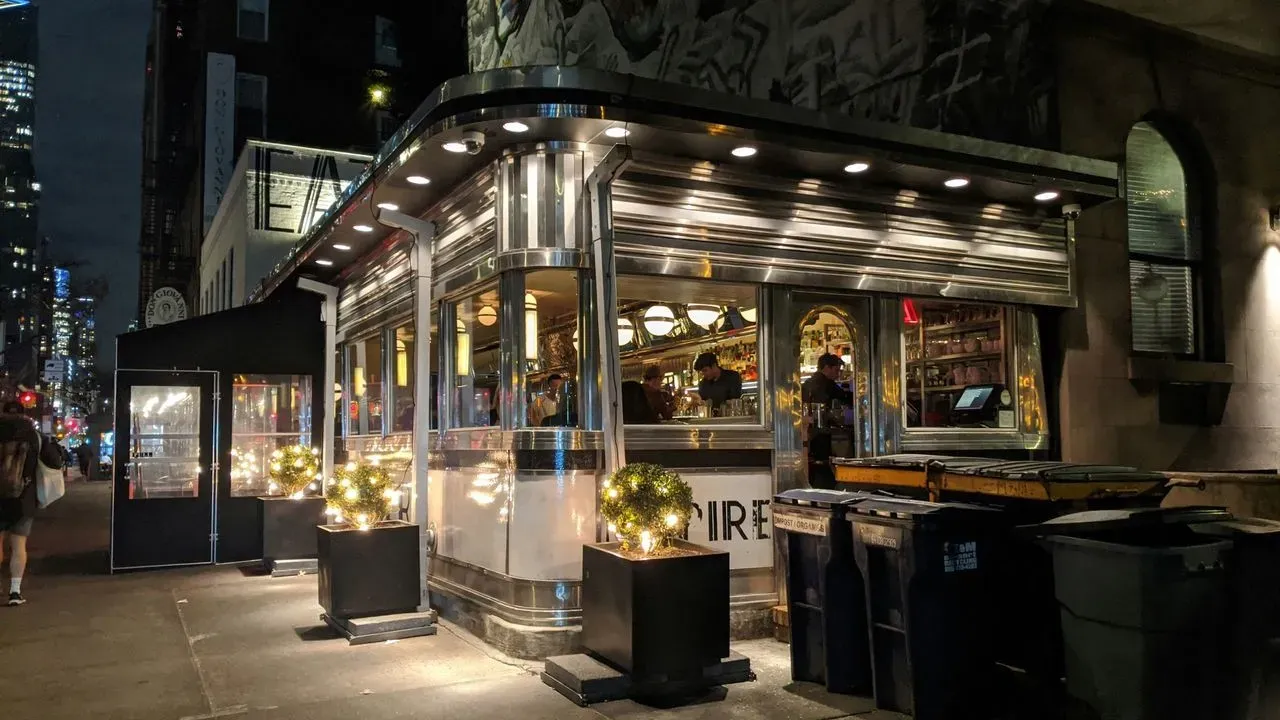

New York City has long relied on its diners as steady anchors in neighborhoods across Manhattan, Brooklyn, and Queens. These spots have offered round-the-clock meals, familiar faces behind the counter, and a place where residents from every background could pause together. Recent pressures from rising costs and shifting urban landscapes have prompted many to adapt, yet the core appeal endures. The New York Post recently explored this evolution in detail. ([1])
Daily Rituals That Bind Neighborhoods
Diners have functioned as more than places to eat. They have served as extensions of living rooms where conversations stretch across booths and counters, and where the same regulars return for decades. This consistency creates a quiet rhythm in fast-moving districts, giving visitors and locals alike a reliable point of connection. Travelers seeking an authentic sense of place often find these establishments reveal the city’s layered daily life in ways that polished dining rooms rarely match. The simple act of lingering over coffee or a late meal becomes part of the experience of moving through New York with intention.
Pressures That Prompt Change
Rising rents, increased operating expenses, and neighborhood transformations have placed real strain on longstanding operations. Over the past decade, a significant number of classic diners have closed, each departure felt keenly by the communities they served. Owners and staff who once knew customers by name have had to make difficult decisions about the future of their businesses. These shifts affect more than individual establishments. They alter the social fabric of blocks where diners once provided affordable, welcoming space at any hour. Stakeholders ranging from longtime residents to newer arrivals notice the absence when a familiar spot disappears.
Adaptation That Honors Tradition
Some remaining diners have responded by refining their offerings while preserving the welcoming atmosphere that defines them. Adjustments include updated menus that incorporate fresh influences, extended evening service with thoughtful additions, and careful attention to hospitality that keeps the spirit of accessibility intact. One long-operating spot in Williamsburg, for example, introduced a bar program and elevated desserts after a change in ownership, drawing renewed crowds without abandoning its foundational role. Such measured updates allow these businesses to remain viable while continuing to serve as neighborhood hubs. The practical result is a model that balances economic realities with the cultural value diners have always held.
Fresh Voices Carrying the Idea Forward
A new generation of operators is opening spaces that draw directly from the diner tradition while responding to contemporary expectations. These projects emphasize dependable food, fair pricing, and genuine service in thoughtfully designed rooms that still feel approachable. In the Theater District and near Union Square, recent openings demonstrate how the all-day, community-oriented concept can translate into today’s environment. Founders speak of creating places where people stay rather than grab and go, echoing the slower pace that once defined these establishments. The timing reflects a broader recognition that neighborhoods benefit when such gathering points persist.
What Matters Now
The diner’s value lies in its ability to welcome everyone under one roof, offering consistency and connection amid constant change. Visitors to New York City can support this living tradition by choosing these spots for unhurried meals and by appreciating the care that goes into keeping them open.
The spirit of the classic New York diner continues to evolve rather than vanish. For travelers drawn to purposeful exploration, these places offer a direct window into the city’s resilient community life.
AI Disclaimer: This article was created with the assistance of AI tools and reviewed by a human editor.