
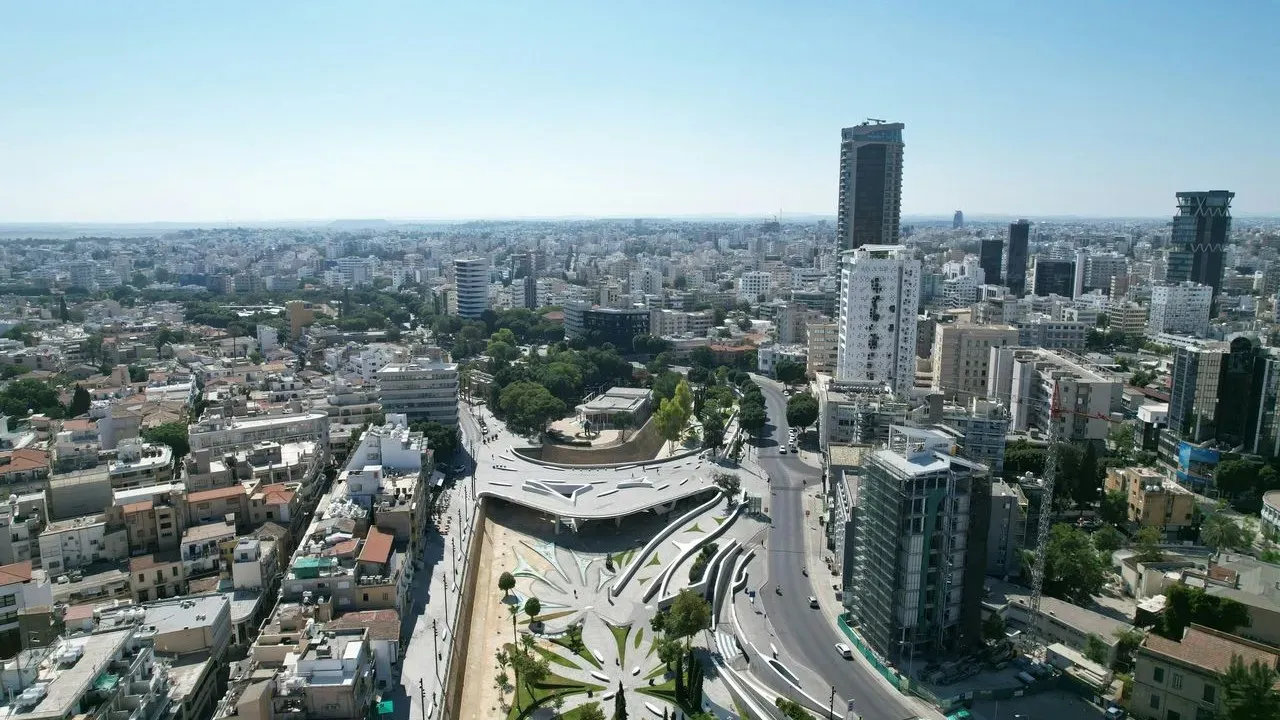

Nicosia, Cyprus – In the heart of the Mediterranean’s easternmost capital, the rhythms of contemporary life unfold in close proximity to a boundary that has shaped the island for generations. Swanky nightclubs, bohemian cafes, and lively bars stand just steps from the United Nations-controlled buffer zone that runs through the medieval center. This quiet juxtaposition invites travelers to experience a city where daily routines continue alongside a visible reminder of a long-standing division.
The Green Line and Its Place in the City
The buffer zone, often called the Green Line, slices through Nicosia and separates the northern and southern parts of the capital. On one side lies the internationally recognized Republic of Cyprus, while the other is administered by Turkish Cypriot authorities. The line emerged after events in 1974 and remains one of the most tangible markers of the island’s complex history. Pedestrians and vehicles can cross at designated points, yet the presence of guard posts and the restricted no-man’s land underscores the enduring separation. Travelers who walk the historic streets quickly notice how the urban fabric adapts around this divide. Medieval architecture, narrow lanes, and open squares continue on both sides, while the buffer zone itself holds abandoned structures that have stood untouched for decades. The result is a layered cityscape that rewards slow exploration and attentive observation.
Daily Life and Cultural Continuity
Residents on both sides of the line maintain vibrant routines that reflect Cyprus’s rich heritage. Markets offer fresh produce and traditional goods, while cafes serve strong coffee and local pastries to locals and visitors alike. Nightlife pulses in restored buildings and open-air venues, creating spaces where conversation and music fill the evenings. These everyday scenes demonstrate how communities sustain their identities and connections even as the physical boundary persists. The coexistence of modern amenities and historic reminders encourages a thoughtful approach to visiting. Travelers who approach the city with respect for its living history often find that small gestures, such as learning basic greetings in Greek or Turkish, open doors to genuine exchanges. Such interactions highlight the human dimension of a place defined as much by continuity as by division.
A Timeline of the Division
Understanding the Green Line benefits from a clear view of key developments over the past half century. The division took its current form in 1974 following a period of political upheaval on the island. Subsequent decades brought multiple rounds of United Nations-mediated discussions aimed at finding a comprehensive settlement. The most recent major effort involving the guarantor powers concluded without agreement nearly a decade ago. Today, renewed diplomatic engagement continues under the auspices of the United Nations. Secretary-General António Guterres has scheduled meetings with leaders from both communities to explore possibilities for resuming formal talks. An informal gathering later this year involving Greece, Turkey, and the United Kingdom is also under consideration. These steps reflect ongoing efforts to address a situation that affects not only Cyprus but also broader regional dynamics involving energy, security, and cooperation.
Visiting Responsibly and With Purpose
Nicosia offers travelers a chance to engage with a European capital in a distinctive way. Crossing the buffer zone at official checkpoints provides a direct sense of the geography involved, while time spent in neighborhoods on either side reveals shared traditions in food, music, and hospitality. Guided walks focused on architecture or local history can deepen appreciation without reducing the experience to a single narrative. Practical considerations include checking current crossing procedures in advance and allowing ample time for unhurried exploration. Supporting locally owned businesses, whether a family-run taverna or an independent gallery, contributes to the economic vitality of both communities. Such choices align with purposeful travel that values cultural exchange and mutual understanding. The city’s story ultimately centers on resilience and the quiet persistence of daily life. Visitors who arrive with curiosity and respect often leave with a richer sense of how places hold multiple layers of meaning at once. In Nicosia, the Green Line serves as both boundary and bridge, inviting reflection on history while celebrating the present.
AI Disclaimer: This article was created with the assistance of AI tools and reviewed by a human editor.