
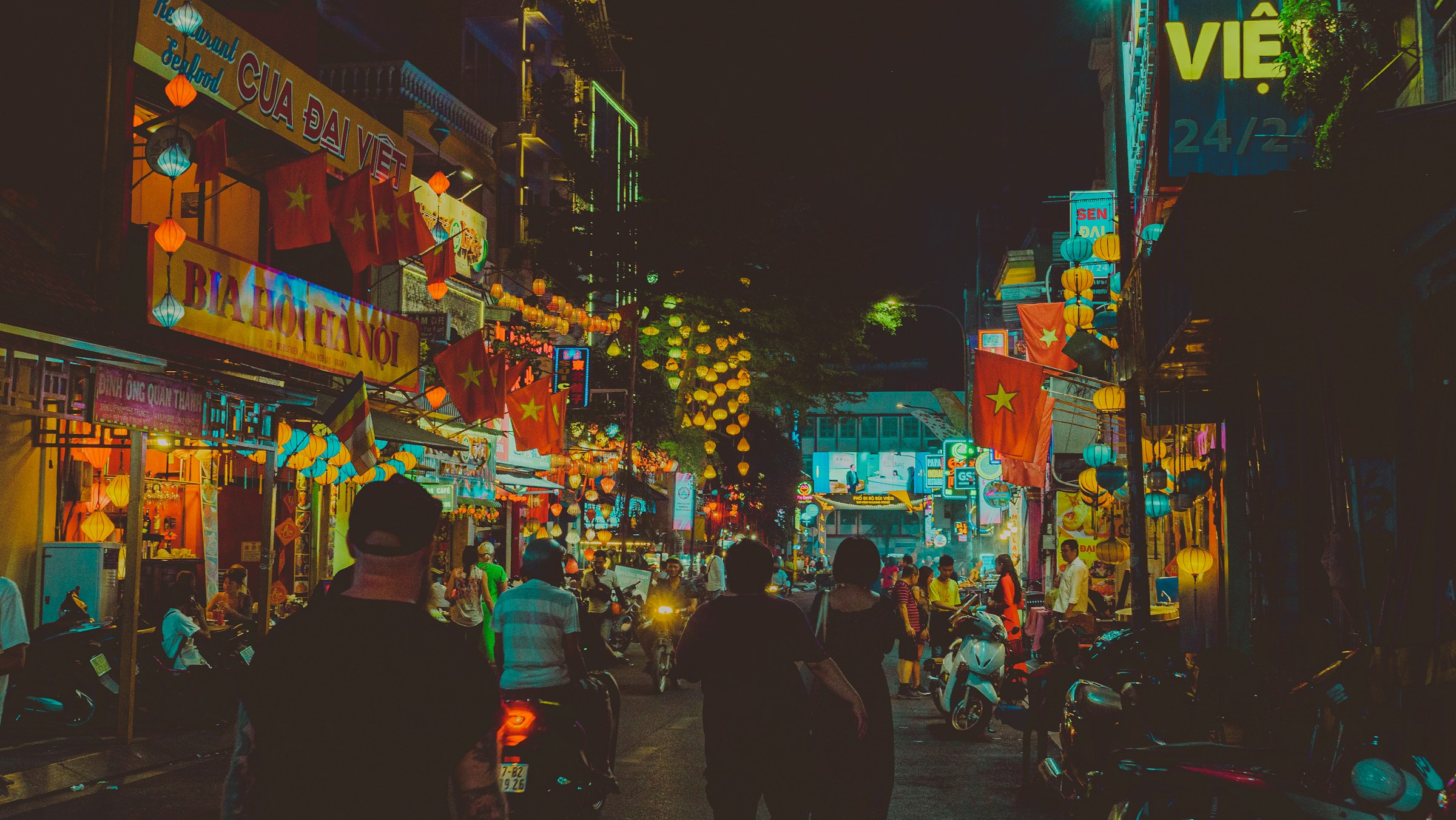

There’s a certain magic to a night market in full swing. The sizzle of a hot wok, the glow of string lights overhead, the smell of something extraordinary drifting past you from three stalls away. The problem, of course, is that everyone else wants a piece of it too. Knowing when to show up changes the entire experience, from a shoulder-to-shoulder shuffle to something that actually feels like a pleasure.
Vendors around the world, from Taipei to Seoul to New York, have quietly been sharing the same piece of advice for years. The window before the crowd peaks is short, but if you catch it, you get fresher food, friendlier service, and room to actually breathe. Here’s what the evidence tells us about making the most of that window.
The Golden Window: Why 5:00 PM to 6:30 PM Is Worth Setting an Alarm For

Early evening, roughly 5:00 to 7:00 PM, features the full array of options with freshest ingredients and shortest lines. This is the hour most vendors quietly point to when asked off the record. Ingredients are at their peak, the oil is freshly changed, and the vendor who will be too slammed to make eye contact by 8 PM still has time to tell you what to order.
During this window, vendors have just finished setting up with the day’s freshest ingredients, local office workers haven’t arrived yet, and tourist groups are still at dinner, meaning all stalls are open and operating with comfortable navigation between them. It’s not a rumor or a travel blog myth. Multiple markets across Asia and North America consistently point to this same early slot as the best access point for anyone who genuinely cares about the food.
Peak Hours Are Real, and They Hit Hard
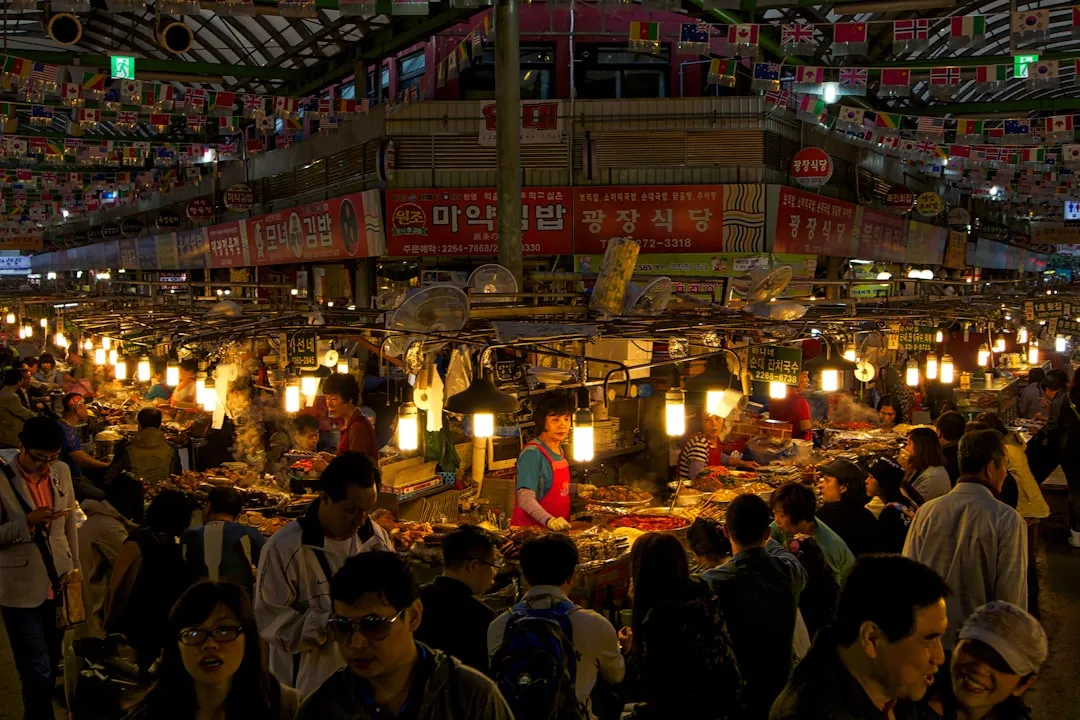
Peak hours, generally 7:00 to 9:00 PM, bring maximum variety but also the longest waits and highest energy. At many markets, this is when the experience tips from festive into overwhelming. Lines stretch past two or three stalls, vendors fall behind on orders, and the spontaneity of wandering gets replaced by strategic queue management.
If crowds don’t bother you, the busiest time is typically between 6:30 PM and 8:30 PM. That’s a reasonable window if energy and atmosphere are your priority. If you’re there for the food itself, that same window can work against you. The math is simple: more people, fewer calm moments, and a vendor who’s been on their feet for hours.
What Happens After 9:00 PM Is More Interesting Than You’d Expect
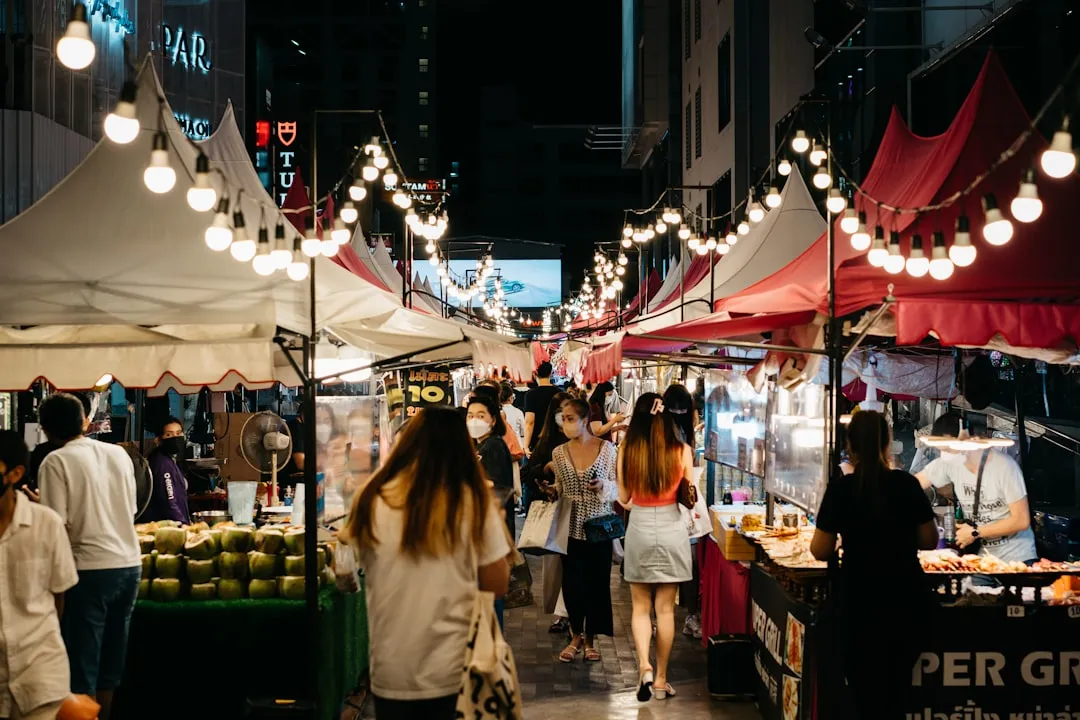
After 9:00 PM, the number of visitors decreases significantly, and food stall owners start moving their carts closer to the market entrance to attract the last customers. This is a different kind of opportunity. The crowd thins, the atmosphere softens, and some vendors begin offering better value to move remaining inventory before closing.
Late evening, from 9:00 PM onward, sees some vendors closing while others cater to the dinner crowd seeking more substantial options, and the shift toward night workers and university students often leads to better prices and more authentic preparations as vendors compete for local rather than tourist business. The late visit has real merit, just a different kind of merit than the early one. You trade selection for atmosphere and, sometimes, a more honest interaction with the market itself.
Arriving Early Means the Food Is Actually at Its Best
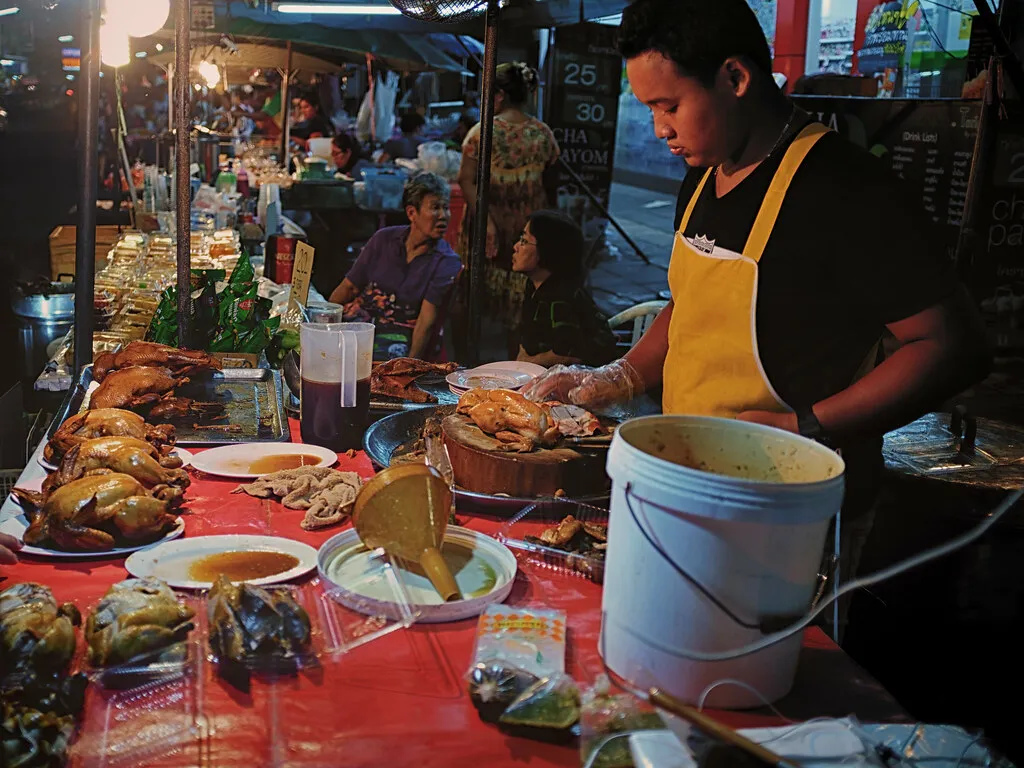
The best food is often available from 4:30 PM onward, when preparations are fresh and complete. This might be the single most underappreciated fact about night markets. Most visitors assume the food gets better as the night builds, but the opposite is often true. Ingredients prepared hours earlier for the opening rush are usually superior to those being restocked mid-service under pressure.
Arriving before the market opens, or right at opening time, means lines tend to build after 7:00 PM and some vendors sell out much earlier than visitors expect. Selling out is a real factor, especially at smaller stalls with limited quantities of specialty items. The most sought-after dishes at popular markets are gone well before the crowd peaks, not after.
Weekdays Versus Weekends: The Day of the Week Matters Just as Much

Fridays and Saturdays are generally busier than Sundays, while holiday Mondays are often less crowded. This pattern holds across markets in very different cultural contexts, from British Columbia to Southeast Asia. The rhythm of the working week shapes foot traffic in ways that are predictable enough to plan around.
The optimal days for a calmer visit are Tuesday through Thursday, when locals are focused on their week and fewer tourist groups are present. If you want shorter lines and more elbow room, Friday afternoon or Sunday tend to be better choices than peak Saturday nights. Midweek visits reward a certain flexibility of schedule, but they’re genuinely worth it if you have the option.
The Rain Day Secret Most Visitors Ignore
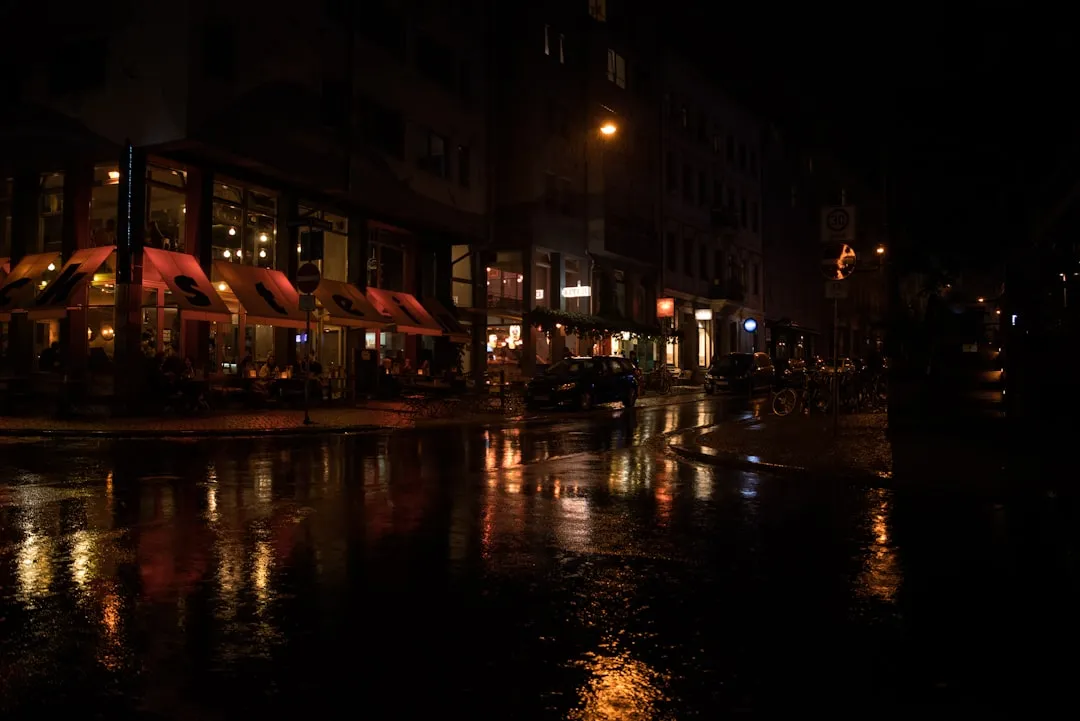
If you don’t mind rainy days, those can be the best evenings to visit a night market, since most markets operate rain or shine. Rain keeps the casual crowd at home. The people who show up on a drizzly Tuesday are almost exclusively the ones who truly want to be there, vendors and visitors alike. The energy is more focused, quieter, and often more genuine.
This isn’t a minor tip. At markets where weekend crowds can number in the thousands, a rainy weekday can feel like a private preview. You won’t be fighting for standing space at a popular stall, and you might have an actual conversation with the person making your food. Bring an umbrella and consider it your insider advantage.
The Line-Length Myth That Costs You Time and Taste
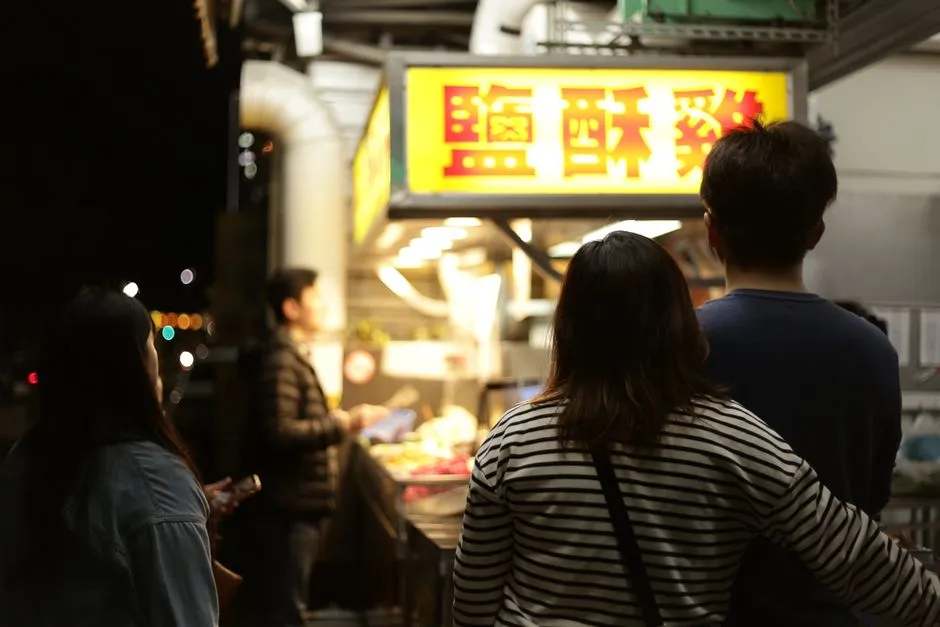
The length of a line is not necessarily a reflection of how popular a vendor is. Sometimes it just means the vendor is a little slow at service. This is one of those observations that seems obvious in retrospect but rarely occurs to people in the moment. The instinct to join the longest line, assuming it signals quality, can lead you straight past the best food at the market.
A long line doesn’t always mean a vendor is the most popular – sometimes it simply means they have a smaller team or a slower service pace. The practical takeaway: trust your instincts and the menu over herd behavior. Look for stalls with the longest local customer lines rather than just tourist crowds for the most authentic preparations. Locals, not tour groups, are usually the most reliable guide to what’s worth waiting for.
The Strategy of Splitting Up: How Groups Navigate Smarter
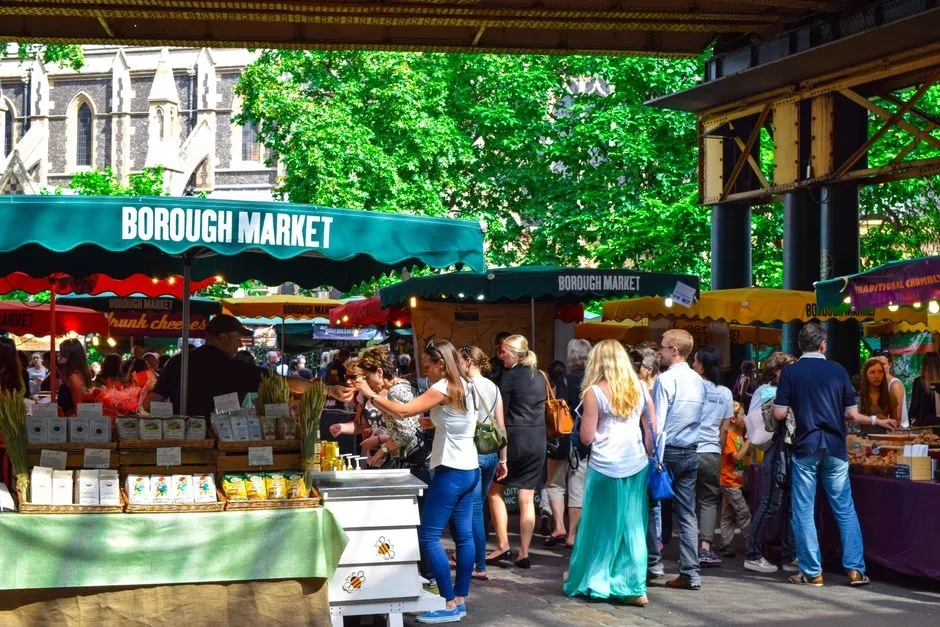
When you do decide to join a line, the best strategy is to split the task of waiting with a partner or a friend. Check the vendor list beforehand, divide and conquer when you arrive, hop on different lines, and buy enough to share with everyone. This approach works particularly well at markets with dozens of stalls, where sampling widely is part of the joy.
Starting to line up for your next vendor while still eating helps you sample everything you want before the biggest crowds roll in, and coming with a few friends to cover multiple lines before reconvening to eat together is a practical strategy that seasoned market visitors rely on. It sounds simple, but it genuinely transforms the pacing of a crowded market visit. Less waiting, more eating, and a better sense of the range a good market offers.
Seasonal Timing: When the Market Is at Its Best (and Most Packed)
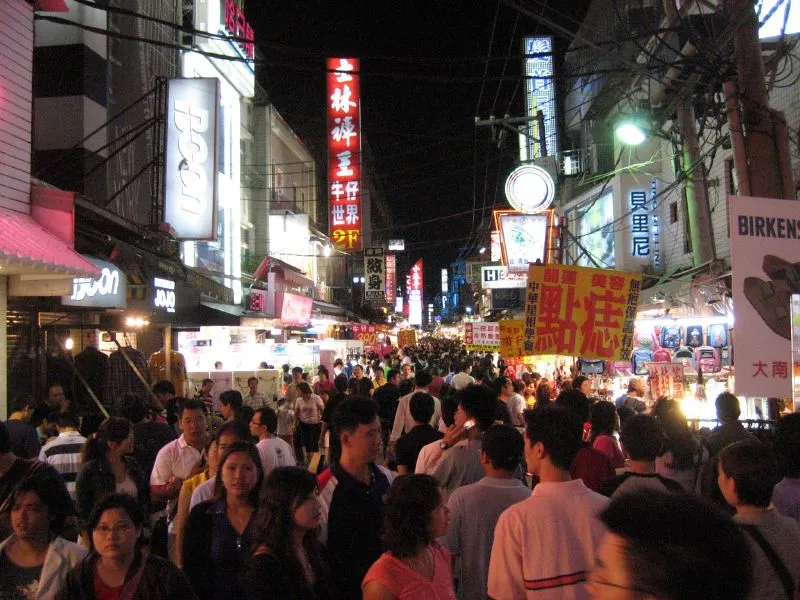
Night markets can be very busy, especially during the peak weeks of summer, and arriving earlier in the season or making a return visit toward the end of the run tends to mean smaller crowds. This applies to long-running seasonal markets in North America and Asia alike. The height of summer draws the height of visitors, and that relationship is direct.
The best seasons for a calmer experience at markets like Shilin in Taipei are October through November and March through April, with the advice to avoid 7 to 10 PM on weekends during summer when crowds peak. Shoulder seasons offer something the summer rush cannot: room to explore at your own pace without the logistical friction that peaks bring. The food is the same. The experience is noticeably different.
What Night Markets Actually Represent, and Why the Timing Is a Form of Respect
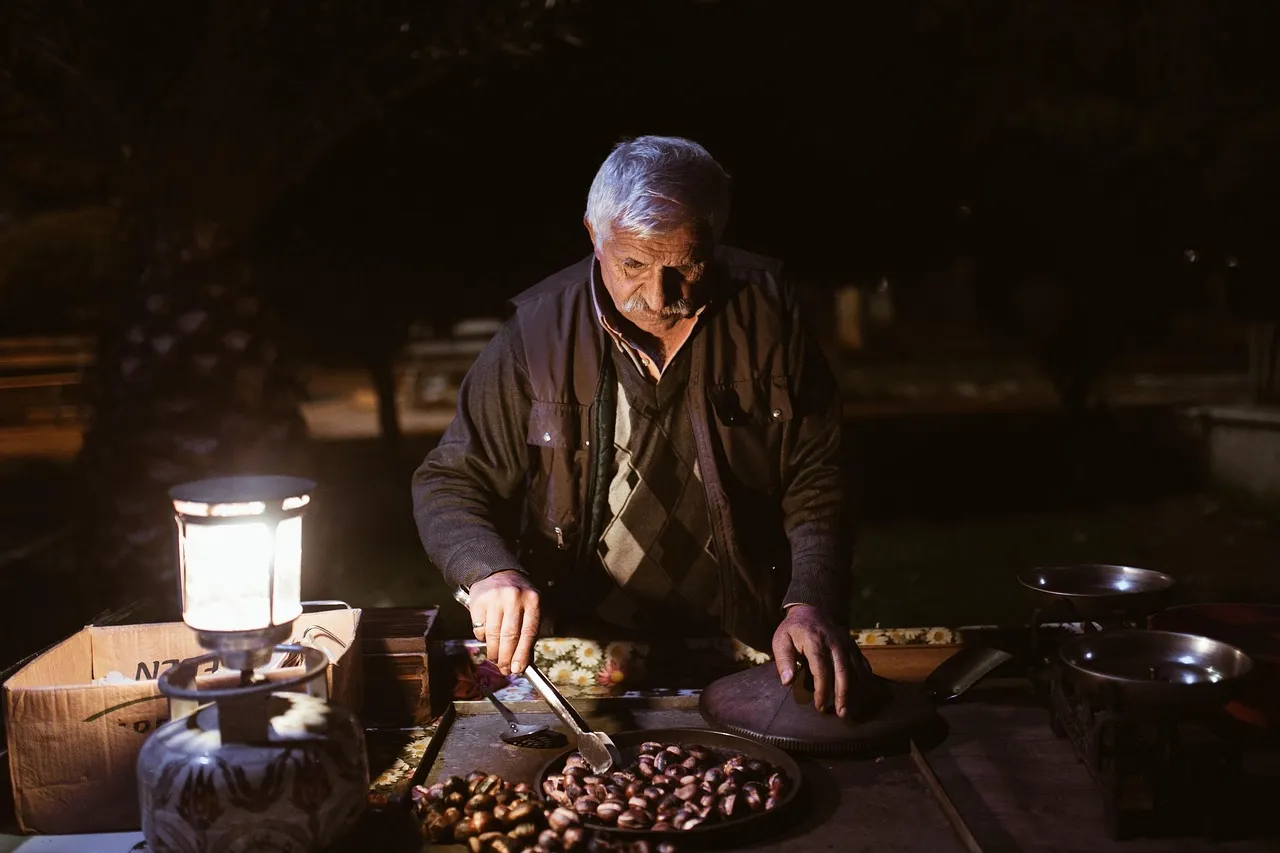
Night markets originated in China over a thousand years ago, and the open-air evening bazaars have been cropping up across the United States for more than a decade, woven into community life and the experiential culture of cities. These are not just tourist attractions. They’re economic ecosystems, often built around small operators and family businesses where a single busy or slow night genuinely matters.
The Queens Night Market in New York is a true celebration of diversity, with the majority of vendors being small operators serving the food they grew up with. Arriving early, moving intentionally, and spending thoughtfully are quiet ways of honoring that reality. The timing advice isn’t just about personal convenience. It spreads foot traffic more evenly across the evening, which helps vendors maintain consistent quality and reduces the pressure that peak-hour surges create for everyone present.
The Takeaway
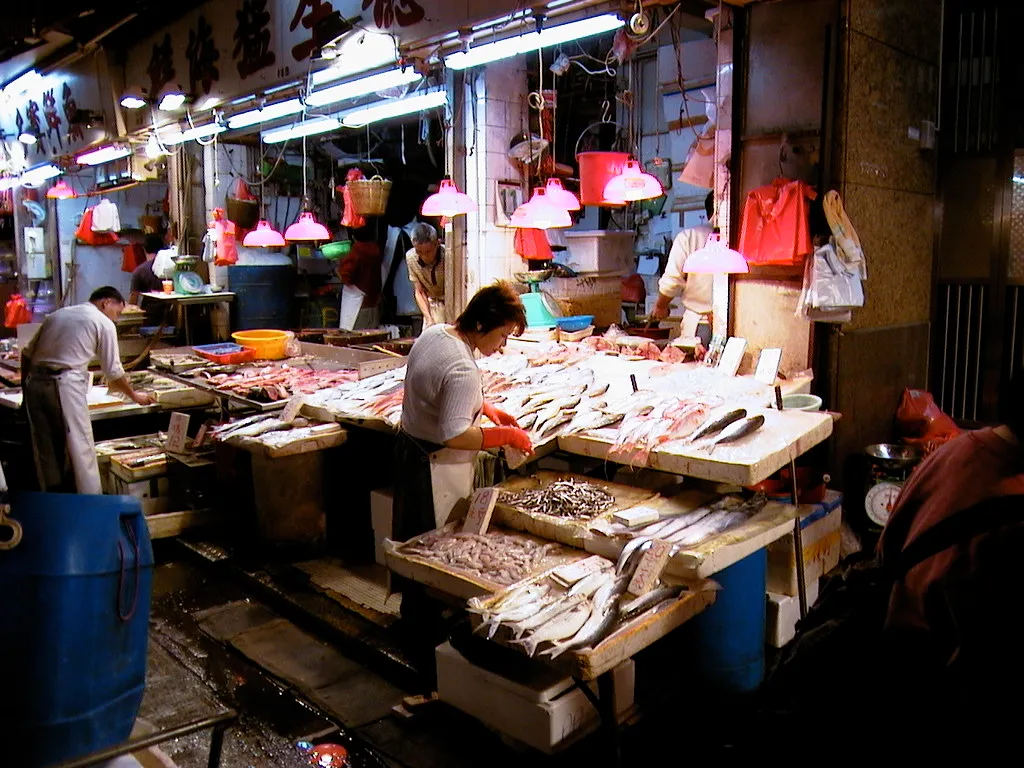
The best hour, according to vendors and experienced market-goers across multiple continents, falls somewhere between opening time and that first wave of post-dinner crowds. It’s not a secret kept under lock and key. It’s simply a rhythm that rewards people who show up with intention rather than impulse.
Go early. Eat widely. Talk to the person making your food when they have a moment to talk back. Night markets exist at their best in those quieter minutes before the rush arrives, and once you’ve experienced that version of it, the packed Saturday peak will feel like a different market entirely.
AI Disclaimer: This article was created with the assistance of AI tools and reviewed by a human editor.