
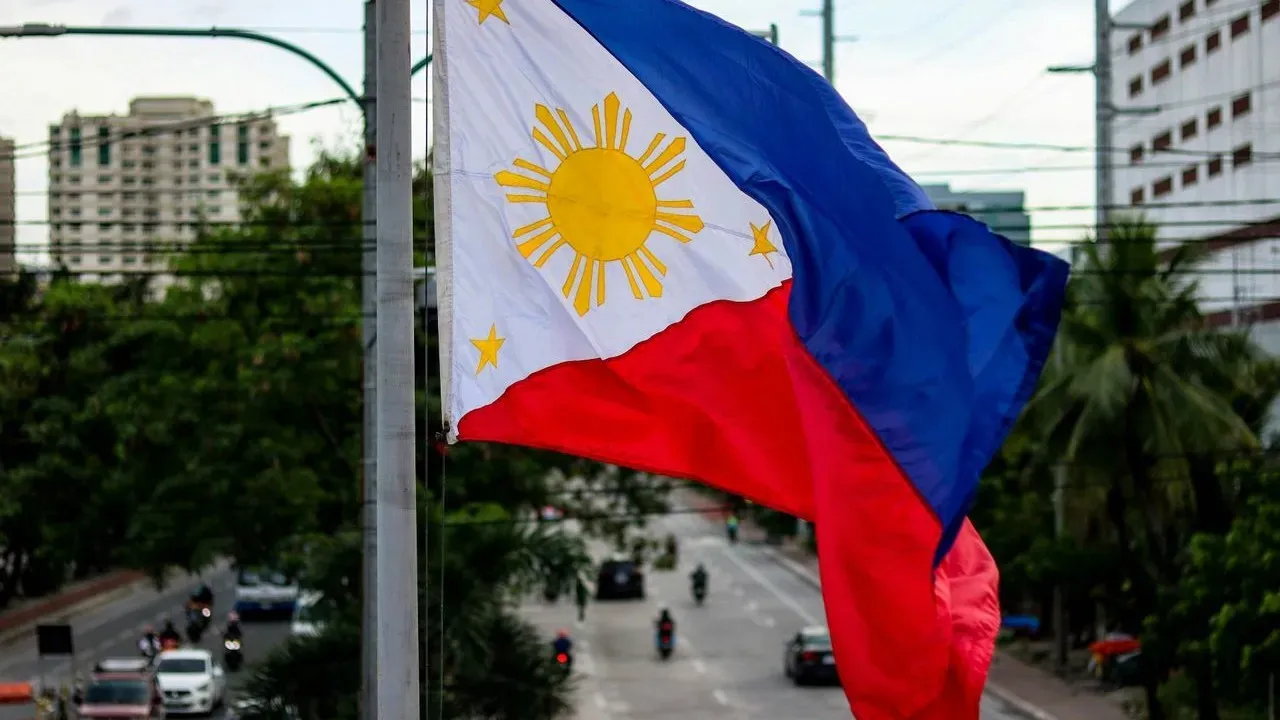

Malacañang’s Proclamation No. 1427, signed in September 2026, sets the calendar for regular holidays and special non-working days across the Philippines next year. ([1]) The dates create clear opportunities for extended time away from work, especially when annual leave is used strategically around clusters of observances. For many employees, nine carefully chosen leave days can stretch into 28 consecutive days off spread across three meaningful breaks. The practical effect reaches beyond simple math. Families gain breathing room to observe traditions together, while travelers can plan slower journeys that honor local customs and reduce the rush of peak-season crowds. Eid’l Fitr and Eid’l Adha dates remain pending separate proclamations, so those windows require later confirmation. **The seven long weekends that arrive without any leave** Seven stretches already align with weekends or consecutive non-working days, offering built-in rest for Monday-to-Friday workers. These include the New Year period from January 1 to 3, Holy Week from March 25 to 28, Araw ng Kagitingan from April 9 to 11, National Heroes Day from August 28 to 30, the Undas period from October 30 to November 2, Christmas from December 24 to 26, and the year-end bridge from December 30 into January 2, 2028. ([2]) Each break carries its own cultural weight. Holy Week invites reflection and community processions in towns across the country. Undas brings families to cemeteries and ancestral homes in quiet remembrance. The year-end cluster supports both solemn observances and gatherings that strengthen ties across generations. **Strategic leave that multiplies time away** Three blocks stand out for maximum return on minimal leave. Filing leave for March 22–24 turns Holy Week into nine days off. Taking November 3–5 extends the Undas period to nine days. December 27–29 creates a ten-day window from Christmas Eve through the first days of the new year. Together these nine leave days deliver 28 days of continuous time away. ([3]) Additional short extensions remain possible around Bonifacio Day or the Feast of the Immaculate Conception, though planners often choose one or the other to avoid overlapping busy periods. The approach rewards early coordination with employers and attention to company policies on rest-day counting. **Where longer breaks open doors to purposeful travel** The nine- and ten-day stretches suit journeys that move beyond quick escapes. Domestic routes to quieter provinces or nearby visa-free destinations such as Hong Kong or Taiwan become realistic for those holding Philippine passports during the trial visa-free window. Shorter three-day weekends favor closer domestic hops or regional flights that keep carbon footprints modest. Travelers who align their plans with these dates often find more space to engage respectfully with communities, support local businesses outside peak surges, and return home with deeper appreciation for both the places visited and the traditions observed at home. Early booking for the first major break of the year protects availability while leaving room for the unexpected. The 2027 calendar rewards foresight. Those who map their leave now can shape a year of measured, meaningful time away that respects both work commitments and the rhythms of Philippine life.
AI Disclaimer: This article was created with the assistance of AI tools and reviewed by a human editor.