
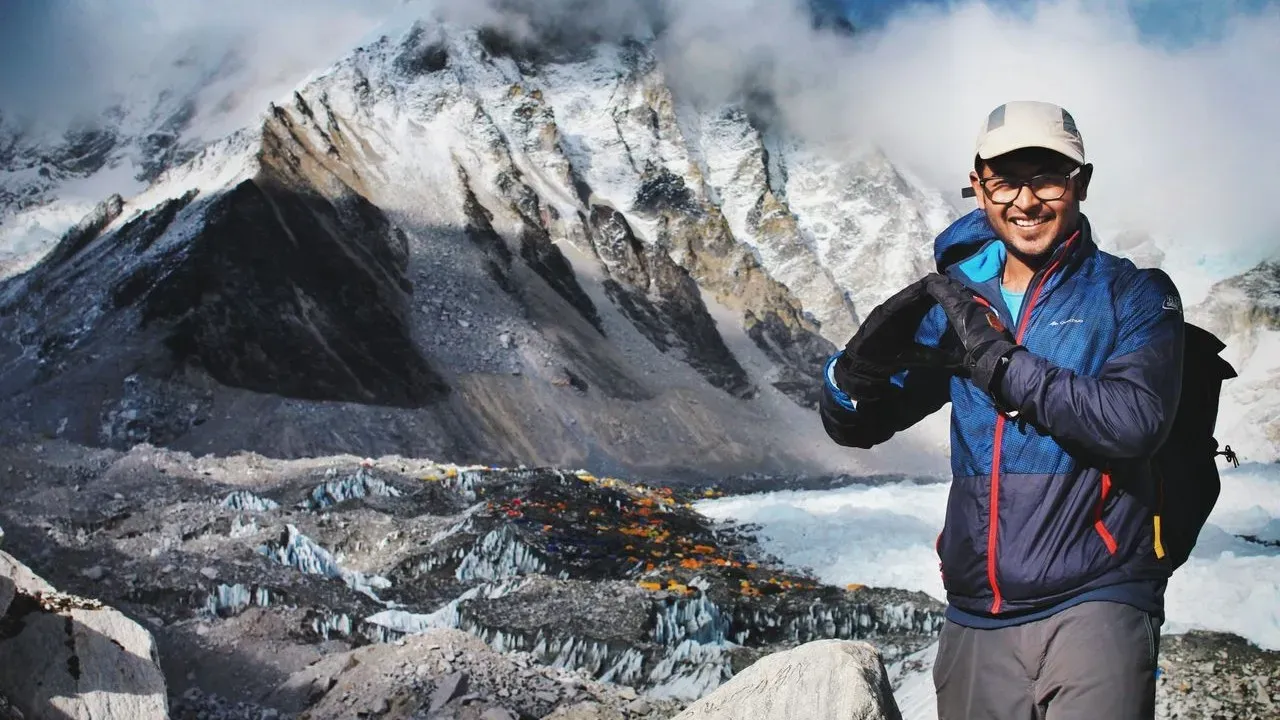

Nirmal Purja achieved what many considered impossible in the world of high-altitude mountaineering. In 2019 he completed Project Possible, summiting all fourteen of the world’s peaks above 8,000 meters in just six months and six days. That single effort rewrote the record books and drew global attention to the skill and determination of Nepali climbers.
A Feat That Redefined Human Limits
Purja’s Project Possible required precise planning, rapid acclimatization, and repeated exposure to extreme conditions across the Himalayas and Karakoram. He moved between Everest, K2, Kangchenjunga, Lhotse, Makalu, Cho Oyu, Dhaulagiri, Manaslu, Nanga Parbat, Annapurna, Gasherbrum I, Gasherbrum II, Broad Peak, and Shishapangma with remarkable efficiency. Each ascent demanded not only physical endurance but also the ability to read weather windows and manage logistics in remote terrain. The achievement stood out because it compressed what had previously taken years into a single season. Earlier climbers had tackled the fourteen peaks over decades, often with large support teams and extended recovery periods. Purja’s pace highlighted new possibilities for experienced mountaineers while underscoring the risks and rewards of pushing boundaries in the world’s highest ranges.
Roots in Nepal and Gurkha Service
Born in Nepal, Purja brought a distinctive perspective shaped by his service as a Gurkha soldier in the British Army. That background instilled discipline and resilience that later translated directly to the mountains. He often spoke of the deep connection between his military training and the mental focus required at altitude. His success also reflected the long tradition of Nepali climbers who have guided expeditions on Everest and other peaks for generations. By completing the fourteen summits himself, Purja helped shift attention toward the capabilities of local athletes rather than viewing them solely as support staff for international teams.
Advocacy for Sherpa Recognition
Throughout his career Purja worked to elevate the profile of Sherpa guides and porters who make high-altitude travel possible. He highlighted their technical expertise, cultural knowledge, and the physical demands they face on every expedition. This advocacy resonated with travelers and climbers who seek more equitable partnerships in the mountains. His efforts encouraged a broader conversation about fair compensation, safety standards, and cultural respect in the guiding industry. Many who follow Himalayan routes today cite his example when choosing operators that prioritize local leadership and sustainable practices.
Global Spotlight Through Film and Royal Praise
The 2021 Netflix documentary “14 Peaks: Nothing Is Impossible” brought Purja’s story to audiences far beyond climbing circles. The film captured both the technical challenges of his record attempt and the personal motivation rooted in his Nepali heritage. Viewers gained insight into the landscapes and communities that sustain high-altitude travel. Purja received formal recognition from the British royal family for his accomplishments. Queen Elizabeth II honored him, and Prince William publicly praised his contributions to mountaineering. These acknowledgments underscored the international reach of his work and its alignment with values of courage and service. Purja’s legacy continues to inspire purposeful journeys into the mountains. His record stands as a testament to what disciplined preparation and cultural pride can achieve, inviting future travelers to approach the Himalayas with respect, preparation, and an appreciation for the people who call them home.
AI Disclaimer: This article was created with the assistance of AI tools and reviewed by a human editor.