
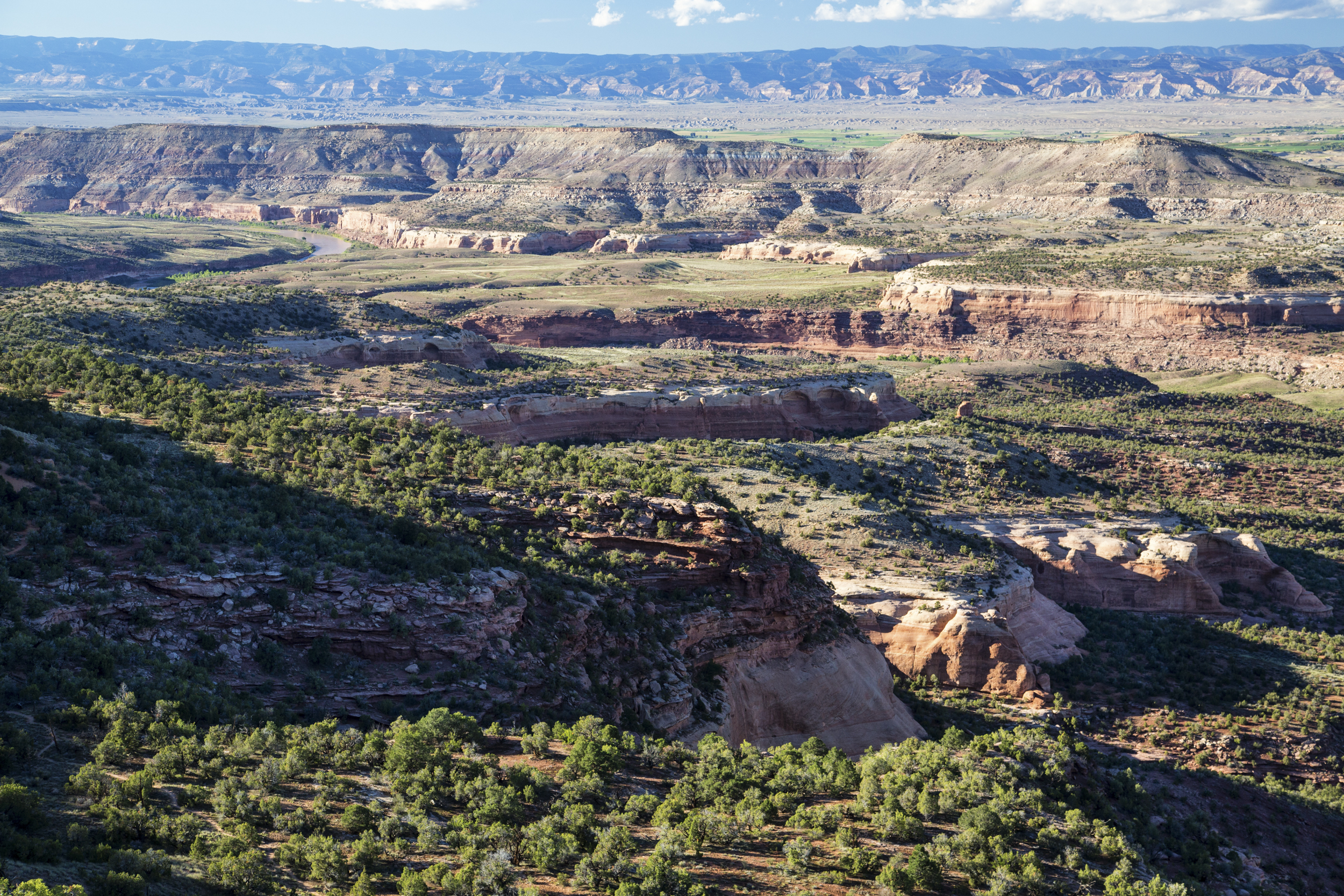
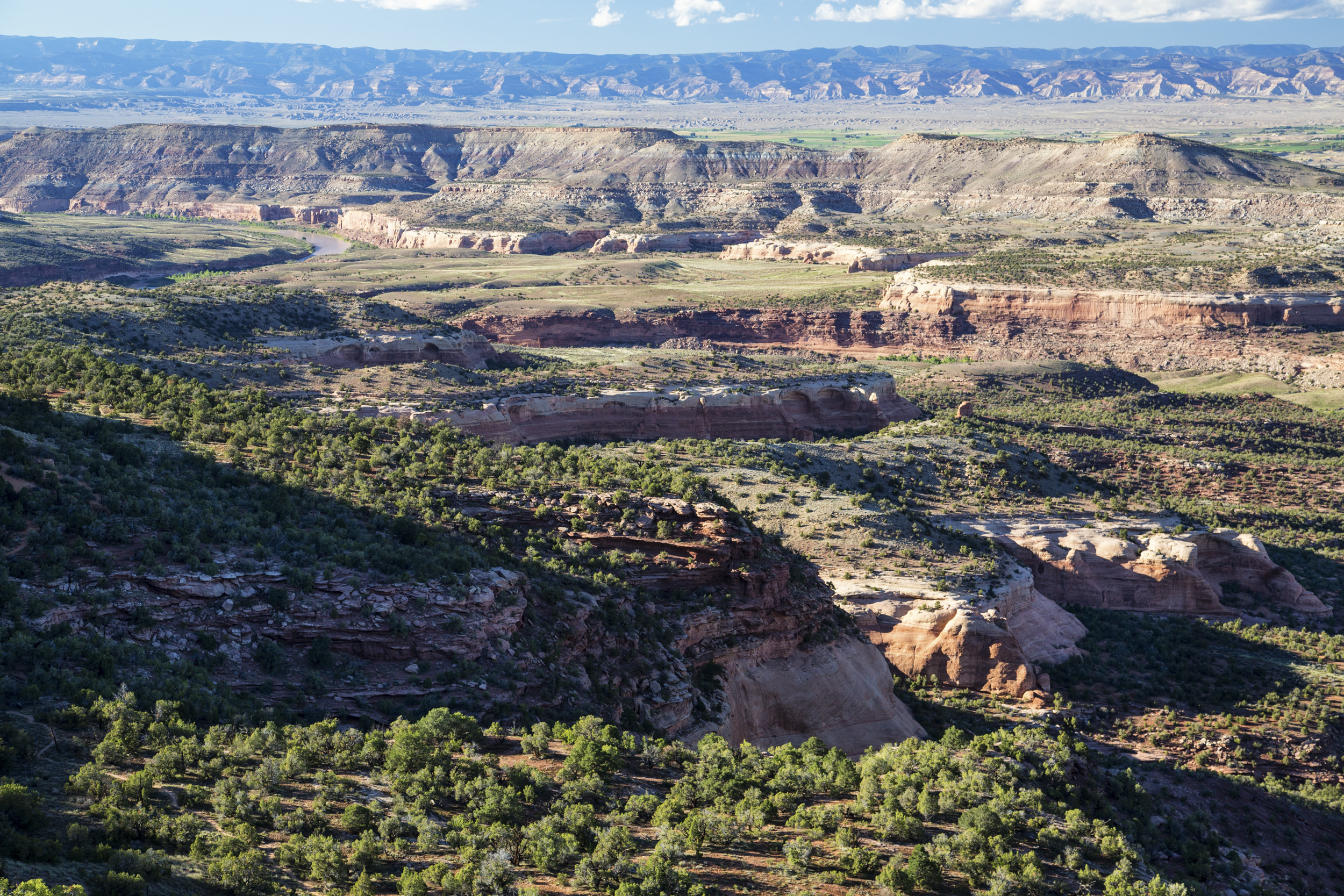
There’s a particular kind of quiet you only find when the signal bars hit zero. No ping. No buzz. No soft glow from a screen demanding your attention. For a growing number of travelers, that silence isn’t a bug in the trip plan. It’s the whole point.
The search for genuine solitude has become one of the more interesting shifts in modern travel. People are moving away from the obvious landmarks and shoulder-to-shoulder viewpoints, toward small, unhurried places where the landscape does the talking. Tucked in mountain terrain far from cell towers, these tiny outposts are becoming sanctuaries for people who feel, perhaps for the first time in years, truly off the grid.
The Screen Fatigue That’s Sending People to the Mountains

Digital burnout is the mental, emotional, and physical exhaustion that comes from overusing digital devices. With the average person spending roughly six hours and forty minutes per day on screens, it’s no wonder people are taking increasingly drastic measures to unplug.
The always-on nature of modern life comes with hidden costs. Studies have shown that excessive screen time leads to diminished attention spans, increased stress, and a weakened ability to connect with others. Living in a digital haze can also disconnect us from ourselves, drowning out our inner voice amidst the constant noise.
Modern professionals find themselves tethered to technology, with boundaries between work and home life blurrier than ever. A remote mountain outpost offers something increasingly rare: a place where the infrastructure simply won’t allow you to stay connected, even if you tried.
A Booming Market That Proves the Demand Is Real

The digital detox tourism services market was valued at roughly $52 billion in 2024 and is projected to grow from $65 billion in 2025 to $466 billion by 2034, exhibiting a compound annual growth rate of nearly twenty-five percent during that period.
Travelers are increasingly willing to pay premium prices for experiences that enforce disconnection. Resorts like Grand Velas in Mexico and Urban Cowboy Lodge in New York offer packages where guests surrender their devices, engaging instead in activities like biking and hiking.
Experts forecast continued growth in the unplugged travel sector as more individuals prioritize wellness and mental health. The travel industry is adapting, with dedicated detox retreats, hotels offering device-free zones, and incentives for longer stays at unplugged destinations. The numbers make it clear: this is no longer a niche interest.
Why No Cell Service Is a Feature, Not a Flaw

Detox vacations are often situated in secluded areas with poor cell service, but with flourishing natural beauty, specifically to support travelers in staying away from their phones and encourage new habits like walking, meditation, and creative experiences.
A true digital detox isn’t about spa music and an “Unplugged” sign on the door while Wi-Fi hums in the background. It means places where the signal drops out, phones stay locked away, and in-room Wi-Fi or TV simply don’t exist.
Mountain terrain naturally creates these conditions. Valleys cut off signals. Elevation eliminates repeaters. The geography does the work for you, removing the temptation entirely rather than relying on willpower alone.
The Overcrowding Crisis Driving People Toward the Overlooked
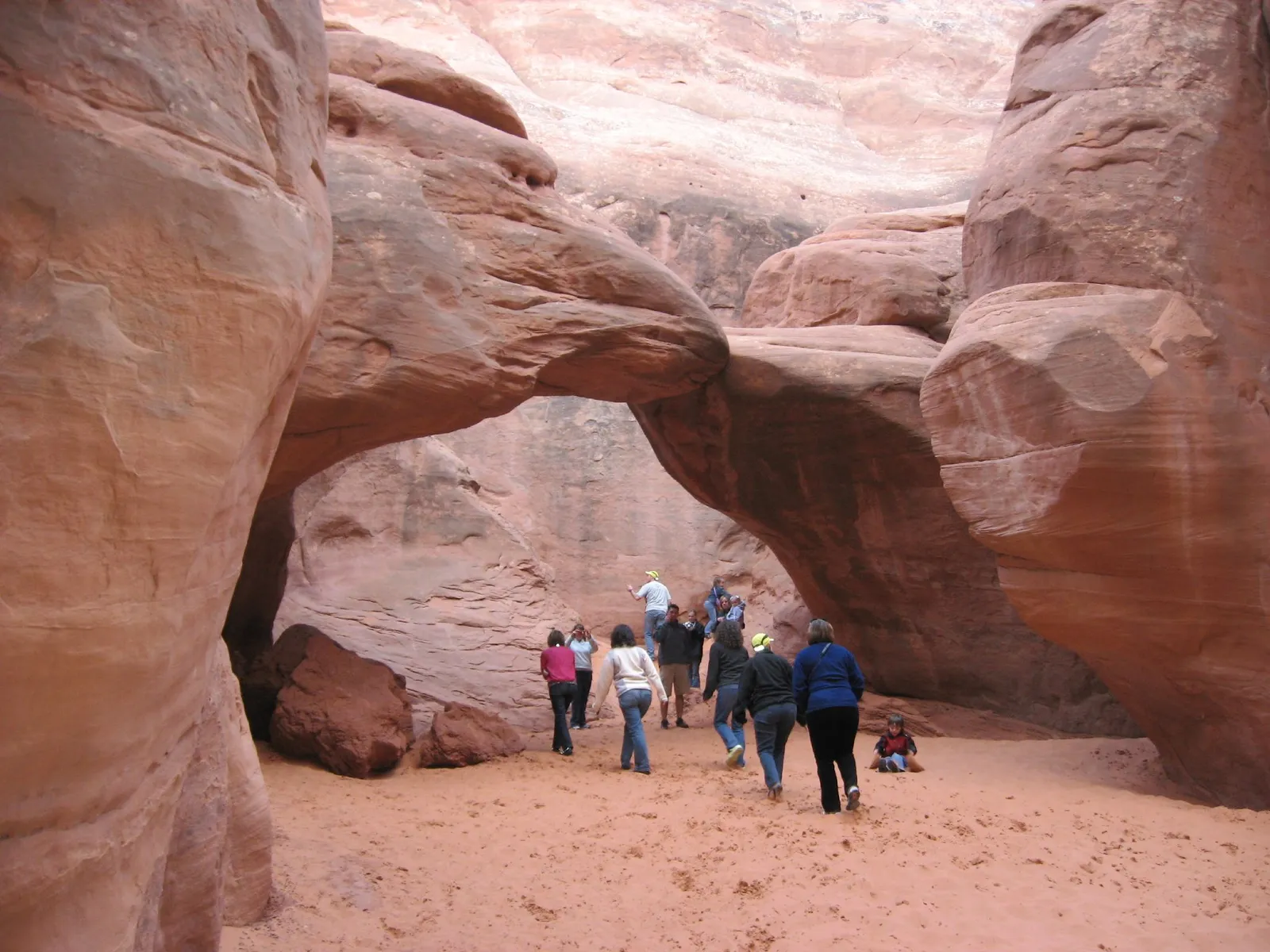
Last year was a record-breaking year for the National Park Service, with about 331.9 million recreational visits in 2024, a nearly two percent increase from the previous year and surpassing the previous all-time high in 2016.
According to a survey commissioned by Intrepid Travel, nearly two-thirds of Americans say a less crowded national park would provide a more rewarding experience than a notable park, while nearly three-quarters believe overcrowding diminishes the travel experience. The findings come as visitation continues to surge at marquee parks such as Yosemite, Glacier, and Arches, fueling conversations around overtourism and sustainable visitation.
The same survey found that the vast majority of respondents want to visit destinations they don’t regularly see on social media, more than half actively prioritize off-the-beaten-path travel experiences, and half cite peace, quiet, and time in nature as primary motivations for visiting natural spaces. A tiny mountain outpost with no cell service ticks every single one of those boxes.
What the Science Says About Nature and the Unplugged Mind
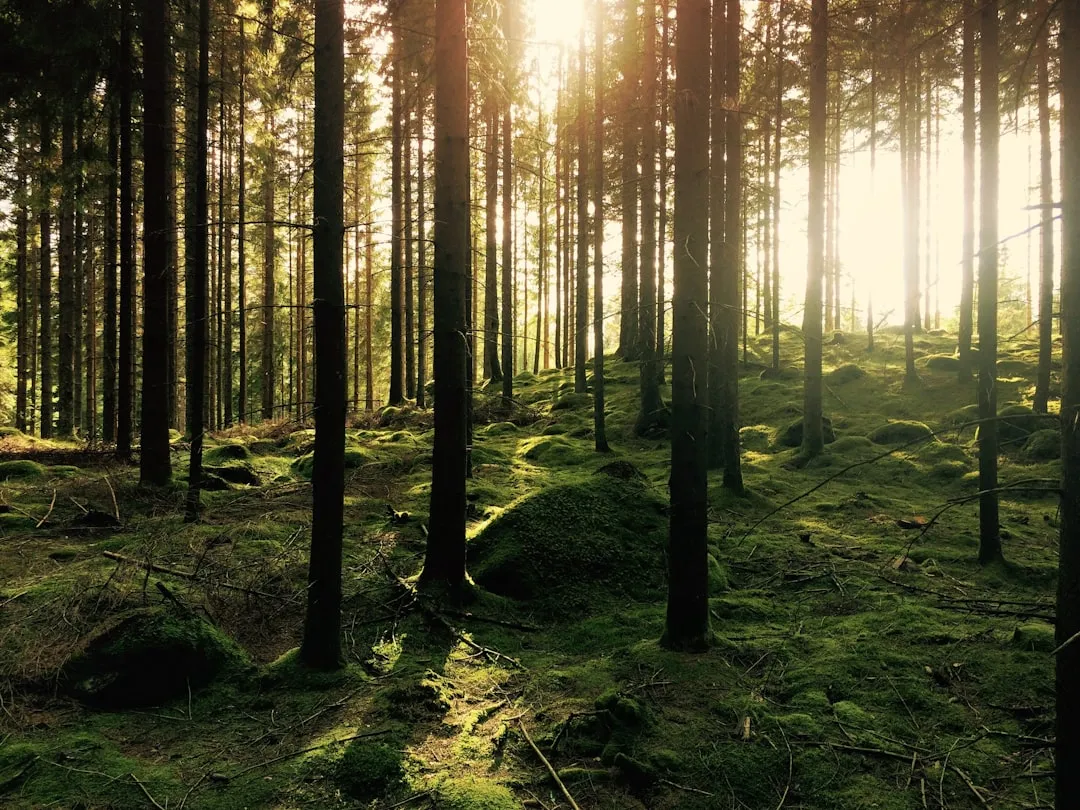
According to the Journal of Environmental Science and Technology, spending time in nature has been shown to reduce stress, improve mood, and enhance cognitive function.
Spending time in nature can work wonders for human health, from lowering blood pressure and stress hormones to sparking feelings of awe. Growing research suggests it may also improve sleep by resetting our internal clocks to a natural sleep cycle.
Nature is not just a backdrop for relaxation. Research shows that spending time outdoors increases creative problem-solving significantly. For anyone who has sat for hours staring at a blank document or an unsolved problem at work, that finding is worth taking seriously.
The Adjustment Period Is Real, but Brief

Studies indicate that while initial discomfort is common when surrendering devices, many guests adjust after roughly forty-eight hours and often feel reluctant to return to digital life. That two-day threshold matters. Most weekend travelers never push through it.
There is a genuine risk that anxiety levels can creep up if you feel that you’re missing something important on your phone, such as a work email or a message from a friend. Knowing this in advance makes it easier to prepare mentally rather than being caught off guard by the discomfort.
The mountain setting accelerates the adjustment. When the view from your window is a ridgeline rather than a loading screen, the pull of the phone fades faster than most people expect.
Analog Activities That Fill the Void Naturally

A newer travel trend has emerged in which hotels and retreats are not only helping people log off but also helping them “analog-on,” meaning experimenting with old-school, pre-digital tools, arts and crafts, and analog experiences to fill the digital void.
The shift toward analog travel is evident in the offerings of luxury resorts and wellness retreats. Guests are provided with printed maps, pocket dictionaries, and Polaroid cameras, encouraging sensory engagement and authentic experiences. This trend reflects a broader desire to escape digital fatigue and rediscover the joys of tactile interactions.
In a mountain outpost, the analog activities practically suggest themselves: a slow hike to a viewpoint, a meal cooked over an open fire, an evening with a book and no artificial light competing with the stars overhead.
Who Is Actually Making These Trips

The appeal of digital detox travel spans various age groups. Young adults seek adventure and new experiences. Middle-aged travelers pursue self-discovery and a change of pace. Seniors desire serene surroundings and exploration. Solo travelers in particular are drawn to these retreats for the freedom and independence they offer, with many valuing the opportunity for personal growth and meaningful connections.
According to the 2025 Hilton Trends Report, nearly one in four travelers prioritize turning off social media and avoiding work communications while on vacation, marking a clear shift in attitudes.
The demographic is broader than the stereotype suggests. It isn’t just burned-out tech workers or wellness enthusiasts chasing a trend. It’s parents, retirees, and couples who simply want a trip where the experience isn’t immediately filtered through a camera lens and posted for validation.
The Responsible Case for Choosing the Remote and Overlooked

Excessive visitation in national parks results in crowded trails, overflowing parking lots, and damage to fragile ecosystems, threatening both the visitor experience and the very landscapes these parks were created to protect.
Throughout 2024, various efforts by tourism authorities and frustrated locals to curb the sheer number of visitors in the world’s most popular destinations continued to grab headlines. As the demand for travel shows few signs of slowing, overtourism is poised to remain a critical challenge for visitors, residents, and affected destinations.
Choosing a tiny, unhyped mountain outpost isn’t just good for your own mental state. It’s a quietly responsible travel choice. Visitor pressure redistributed toward lesser-known places gives both ecosystems and local communities at famous destinations a chance to recover and breathe.
How to Prepare for the Real Silence

Despite the digital detox trend, it’s still considered unusual to fully disconnect, so it pays to let friends, family, and colleagues know about your plans before you go. Setting clear boundaries with yourself and loved ones about your time away matters. Starting small by practicing screen-free hours at home before your trip can ease the transition significantly.
Because retreat policies shift, especially when it comes to Wi-Fi and mobile service, it’s worth verifying current conditions directly with the property before you travel. What was genuinely off-grid last year may have quietly gained satellite coverage since.
These remote places require more planning and logistical hurdles, but the reward of experiencing nature at its most raw is a memory you’ll always hold onto. Pack a physical map, a notebook, and the willingness to be a little uncomfortable at first.
The Quiet That Stays With You After You Leave
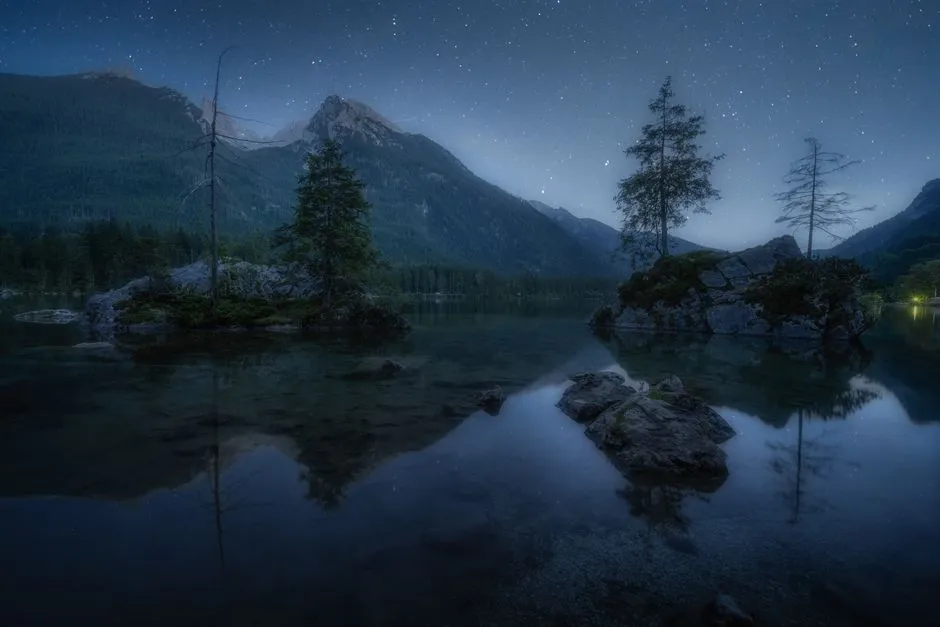
By creating distance from your devices, you give your mind the space it needs to relax, refocus, and even spark creativity. Many travelers return from these escapes reporting that the clarity lingers well beyond the trip itself, that they check the phone less, sleep better, and feel more genuinely present in daily life.
Traveling in nature amplifies this practice, offering a space to reconnect with ourselves, deepen relationships, and experience the beauty of the world around us. Whether it’s a simple walk in the park or a multi-day wilderness adventure, the act of stepping away from technology and stepping into nature can be profoundly transformative.
The mountains were indifferent to your notifications long before you arrived. Spending a few days living by that same standard turns out to feel less like sacrifice and more like relief.AI Disclaimer: This article was created with the assistance of AI tools and reviewed by a human editor.