
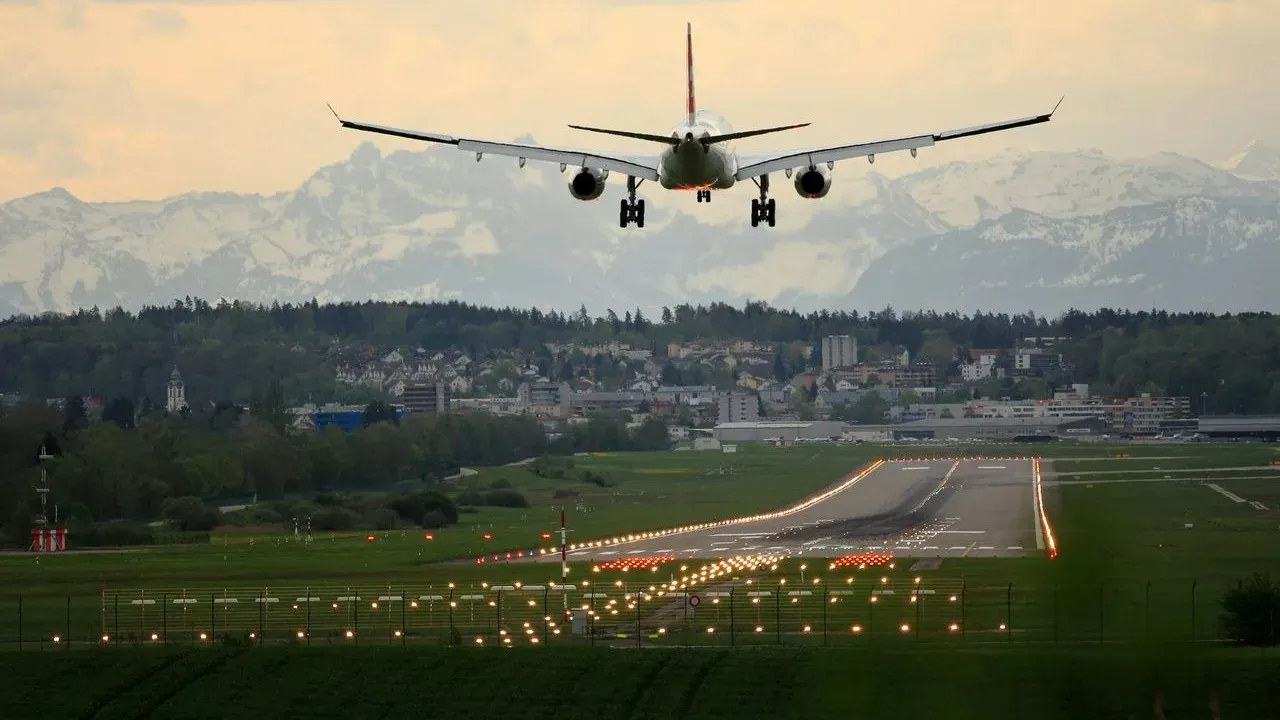

Late on Wednesday, Norse Atlantic Airways began dropping flights from its schedule, and by Thursday the Norway-based long-haul budget carrier had halted all of its service. At the time of the shutdown, its only remaining U.S. route linked Orlando International Airport with London Gatwick. Travelers with bookings in the coming weeks now need to know where things stand and what steps are worth taking. The airline had not yet published refund or rebooking details in the reporting available so far. ([1])
A late cancellation wave, then a full pause
The first signs appeared overnight. Norse Atlantic’s website did not carry information about the suspensions, but its flight tracking data showed a wide run of cancellations for flights scheduled to leave on Thursday. The disruption also reached service the airline ran for Pakistan International Airlines, which had been using Norse aircraft and crews on certain routes. Two flights on PIA’s behalf, from London to Islamabad and Manchester to Lahore, were cancelled at the last minute on Wednesday evening.
On Thursday, 26 November, the airline confirmed that it had suspended all flights scheduled for that day and said it intends to file for bankruptcy unless emergency financing can be secured. The company apologized to passengers affected by the cancellations but did not provide details regarding refunds or alternative flights. That gap is the most important practical point for anyone holding a ticket right now.
The financial strain behind the pause
Investors reacted quickly. Norse shares ended Wednesday’s trading session down 85%. The company had described its position as critical a day earlier, and its latest statements point to a search for short-term funding. The airline is in talks with investors regarding a possible takeover that would include a financing solution. The board has warned that “there can be no assurance that a viable solution will be found.”
Several pressures built up over the past year. Norse operates a fleet of 12 Boeing 787s, and it had leased part of that fleet to others to ease costs. That agreement ended on 1 November, leaving Norse to carry the lease costs of the aircraft by itself through the winter. The airline also never reported an annual profit during its years of operation, and it gradually reduced its scheduled passenger network in favor of aircraft leasing agreements with other carriers. Norse had started commercial flights in June 2022, a little more than a year after Norwegian Air Shuttle left the long-haul market.
If you hold a Norse booking
Because the airline has not yet set out its refund or rebooking policy, the steps below focus on what travelers can do now. They do not replace any terms the airline may announce later, so check each step against official updates as they arrive.
- Identify where you bought the ticket. A booking made directly with the airline, through an online travel agency, or through a travel agent may follow a different path for refunds, so start with the seller named on your confirmation.
- Contact the airline through its official channels and keep a written record of every message, including dates and reference numbers.
- If you bought flights on PIA’s behalf or booked a connection, contact PIA as well, since its flights were among those affected.
- Ask your credit card issuer whether your card includes trip cancellation, trip delay, or purchase protection, and what paperwork it requires. Note any filing deadlines.
- Compare rebooking options on other airlines early. Seats on transatlantic routes can fill quickly during the winter season.
- Save your confirmation, cancellation notices, and receipts for any extra costs, such as hotel nights or ground transport.
Where transatlantic budget travel stands
Norse was among the last carriers still trying to run low-cost long-haul service between the United States and Europe. Its exit follows the shutdown of Play, a carrier that attempted a similar model through a hub in Iceland and stopped flying in September 2025. Industry conditions have been difficult. Jet fuel prices have climbed sharply, geopolitical tensions have closed large areas of airspace, and borrowing costs remain high. The chief executive of International Airlines Group, which owns British Airways and Iberia, told the Financial Times in October that smaller airlines would struggle this winter because of these pressures. ([1])
Travelers who want lower-cost transatlantic options still have some choices. French Bee operates as an independent carrier, and budget brands tied to larger European groups, including Discover, Level and Edelweiss Air, continue to fly these routes. Comparing schedules and fare rules across those airlines can help travelers who need to replace a canceled trip.
What to watch in the days ahead
The next few days will show whether Norse secures the financing it needs or moves toward bankruptcy. The company had scheduled its third-quarter results for Monday, 30 November, so that release may provide more clarity on its finances. ([2]) For travelers, the most useful habit is to rely on confirmed updates from the airline, the booking channel, and the card issuer. Checking those sources before making new plans will help avoid unnecessary costs while the situation develops.
AI Disclaimer: This article was created with the assistance of AI tools and reviewed by a human editor.