
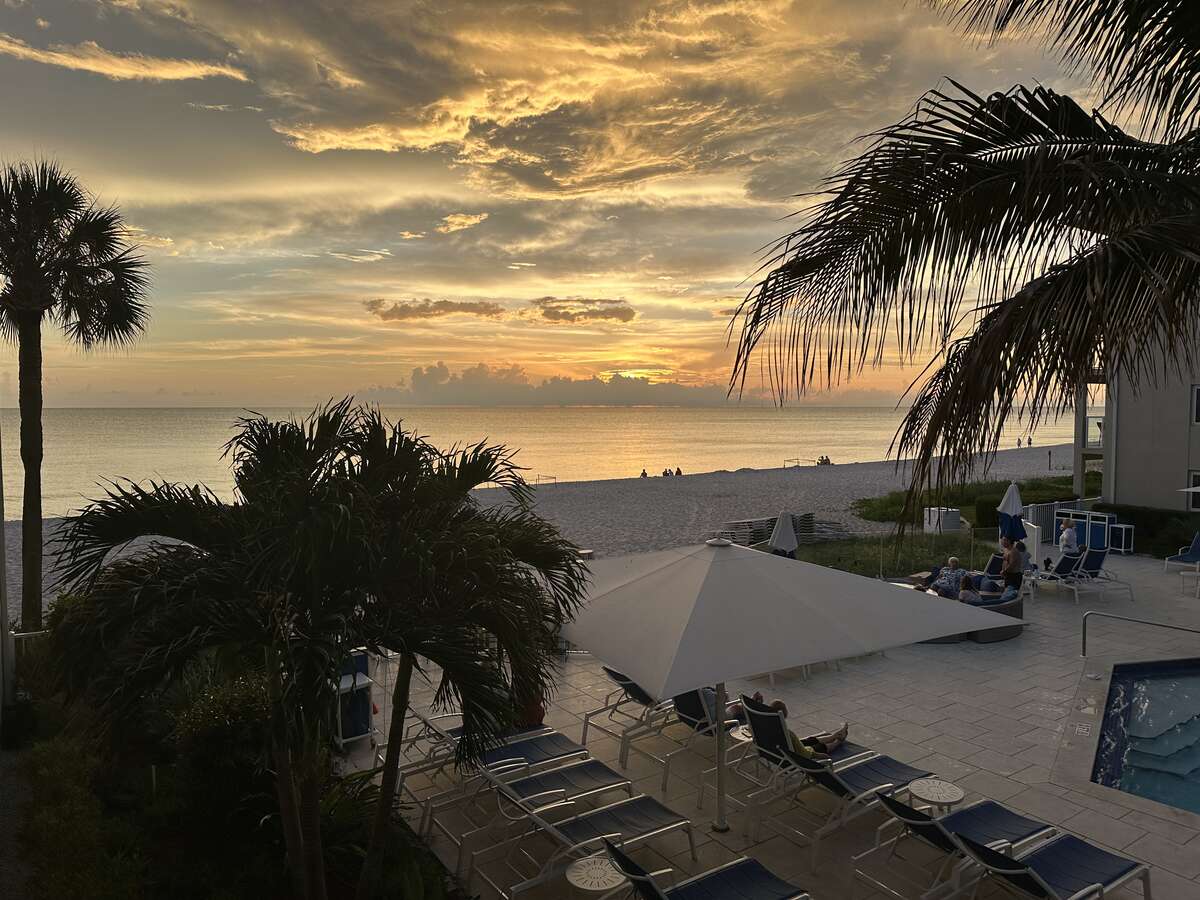

Florida’s Paradise Coast has a line that stayed with me: this is where the high life meets the wildlife.
After spending time in Naples and Marco Island, I understand why.
This part of Southwest Florida has the polished pieces travellers expect: beachfront hotels, beautiful restaurants, designer boutiques, soft white sand, and Gulf views that make it very easy to stay put. But the best part of the trip was not the “high life” on its own. It was how quickly nature entered the story.
In Naples, Edgewater Beach Hotel became the kind of home base that made it easy to settle in. The all-suite beachfront property sits steps from the Gulf of Mexico, with the ease of a resort and the comfort of a condo-style stay. My second-level suite opened onto a balcony overlooking the pools, the beach bar, and the Gulf beyond, where I was also treated to beautiful sunsets. Having free parking just outside my room made coming and going simple, while the hotel itself had everything I needed close at hand: beach towels, swimming pools, room service, a small shop for sunscreen, swimwear, other necessities and gifts to bring home, and Coast, the main-level restaurant where I had a fabulous dinner.
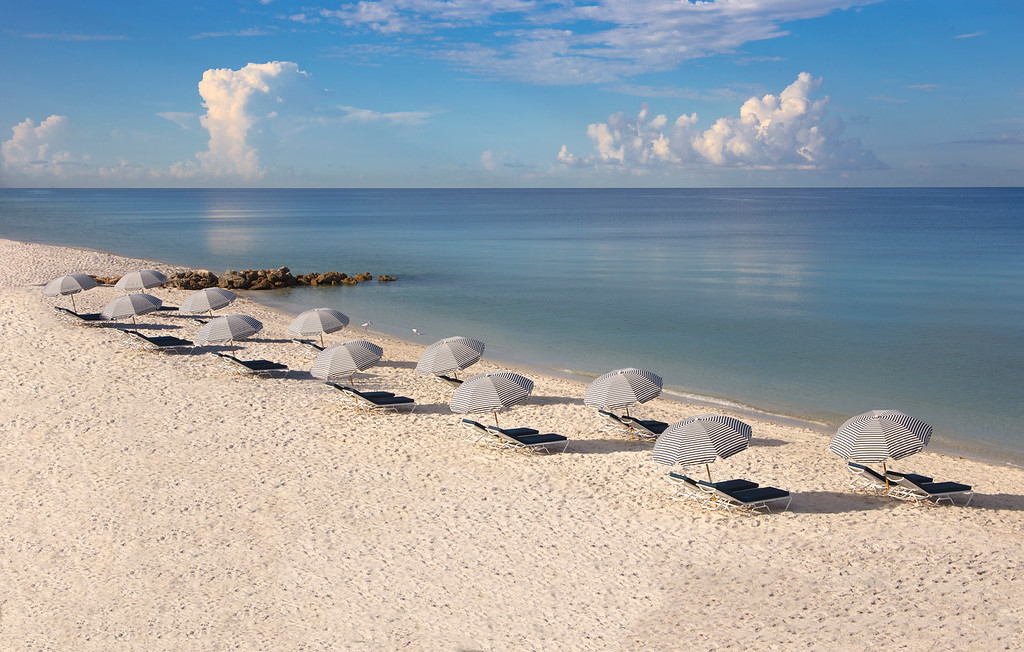

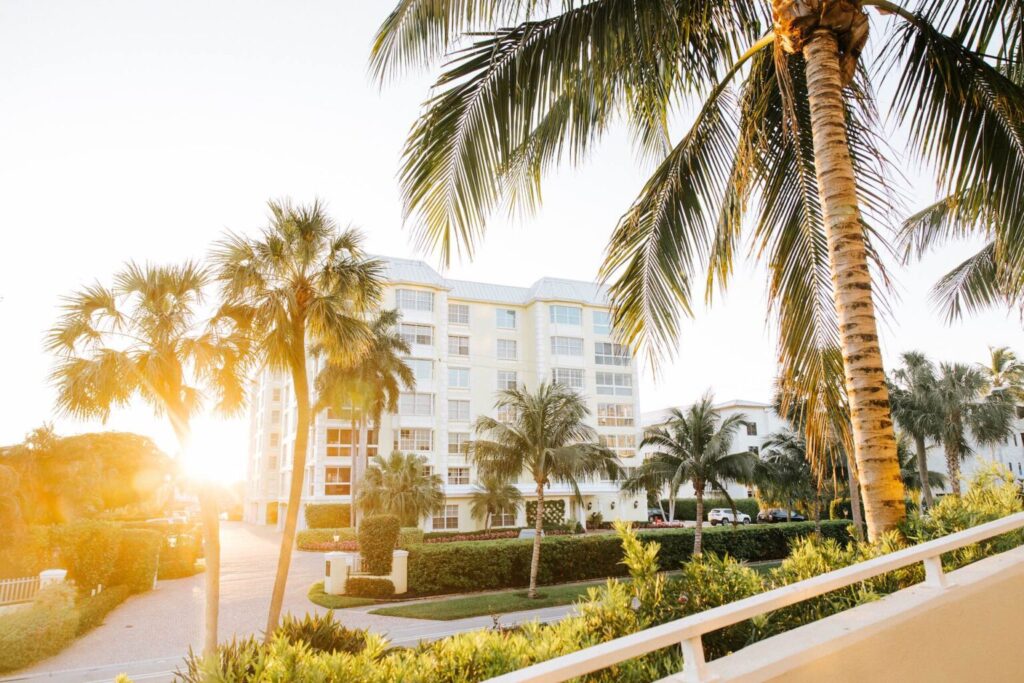


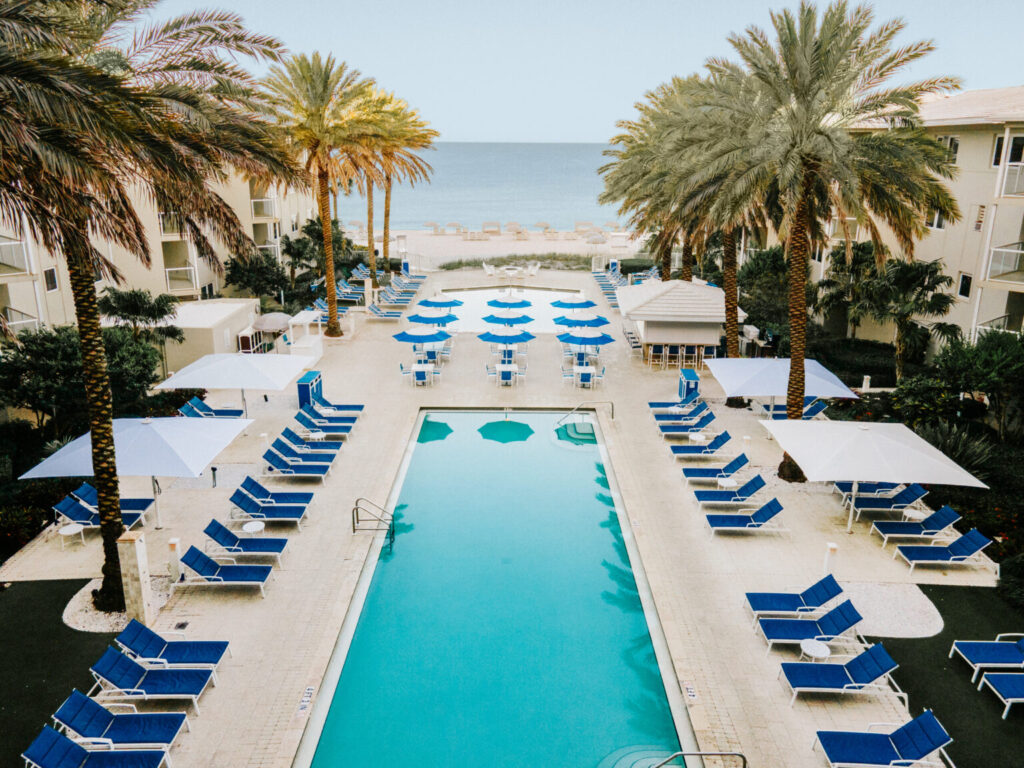
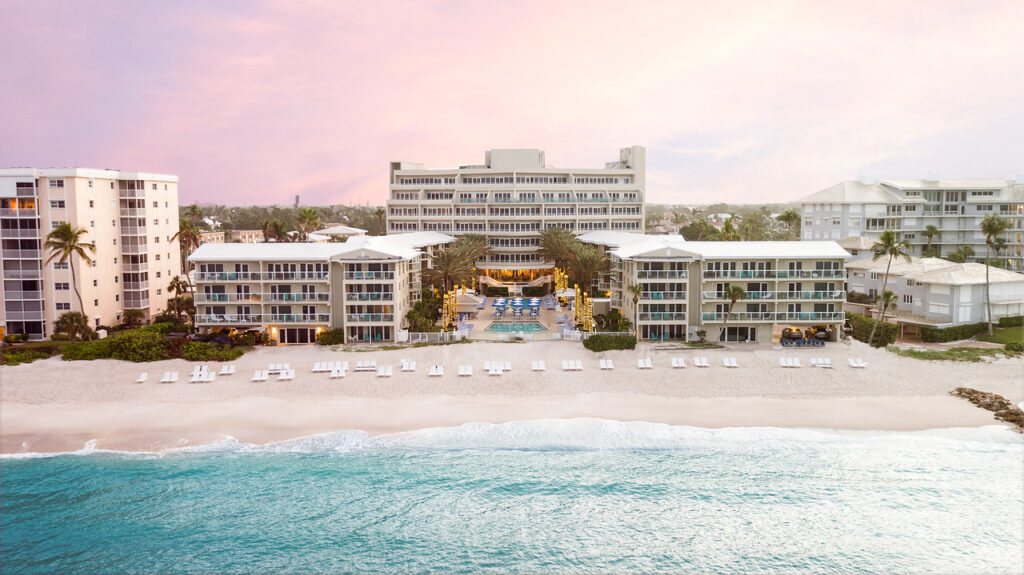
It would have been very easy to make the stay all about the hotel.
Then the dolphins showed up.
From my balcony, I watched dolphins feeding offshore for almost an hour. Long enough to FaceTime family and friends so they could see it too. I was simply looking out at the Gulf, and there they were.
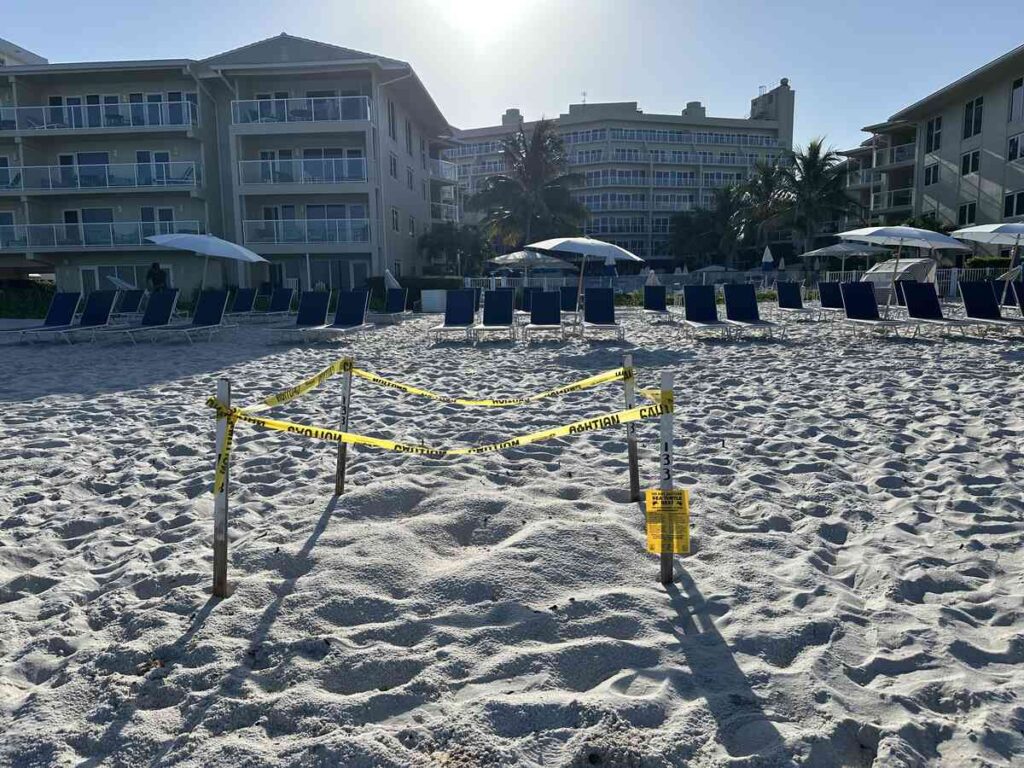
The beach had another important story unfolding. Loggerhead sea turtles had been coming ashore to nest, and volunteers had carefully marked and protected the nesting areas. It was a quiet reminder that even on a polished stretch of Gulf Coast, we are not the only ones using the beach. We share these places with fellow inhabitants who arrive by instinct, season, tide, and moonlight. Enjoying a coastline also means making room for the lives that depend on it.
Marco Island is beautiful in the obvious ways. There are waterfront homes, boats, beaches, restaurants, and that particular Florida ease that makes you understand why people come and stay. But to understand Marco Island properly, you need to get on the water and then go back in time.
I started with the water.
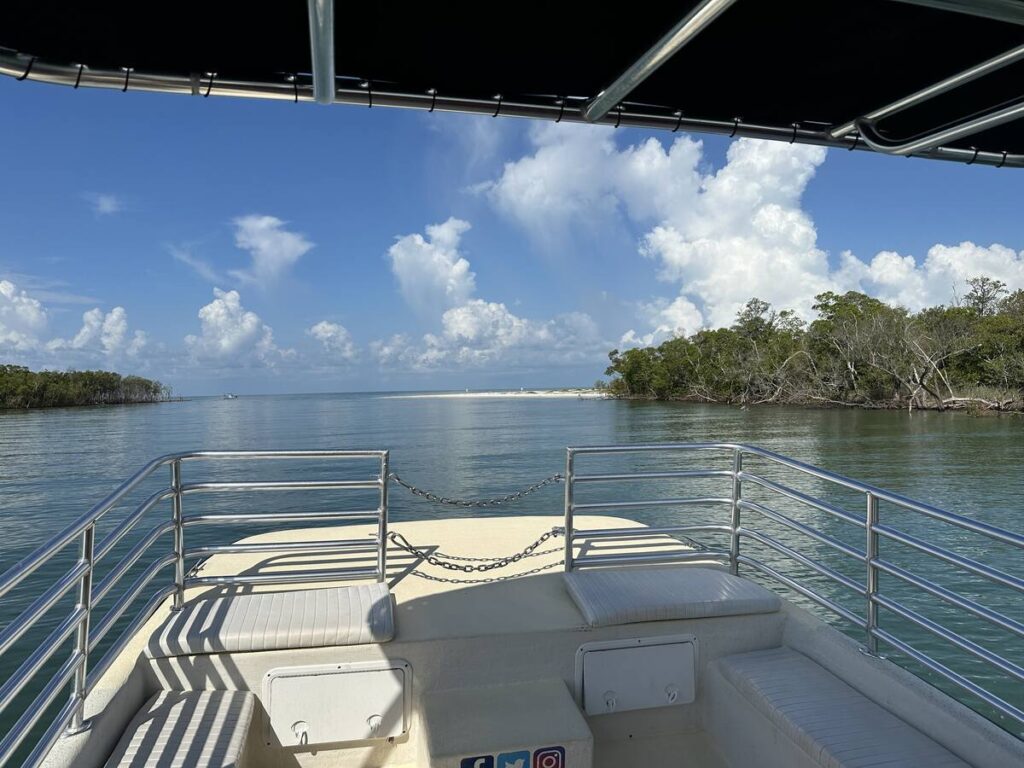
Florida Adventures and Rentals hosted a guided eco tour through the mangroves of Marco Island and the Ten Thousand Islands, with time for shelling on a remote barrier island. Before we even left the dock, it was worth remembering that this region has never been only one thing. Marco Island is known today for its homes, beaches, and boating culture, but the surrounding estuaries and mangrove systems also tell a story of restraint. In the broader Rookery Bay area, proposed roadway and coastal development plans were met by local conservation efforts that helped protect one of Southwest Florida’s most important mangrove estuaries.
That history gives an eco tour more weight. You are moving through a place shaped by competing ideas about what land and water are for.
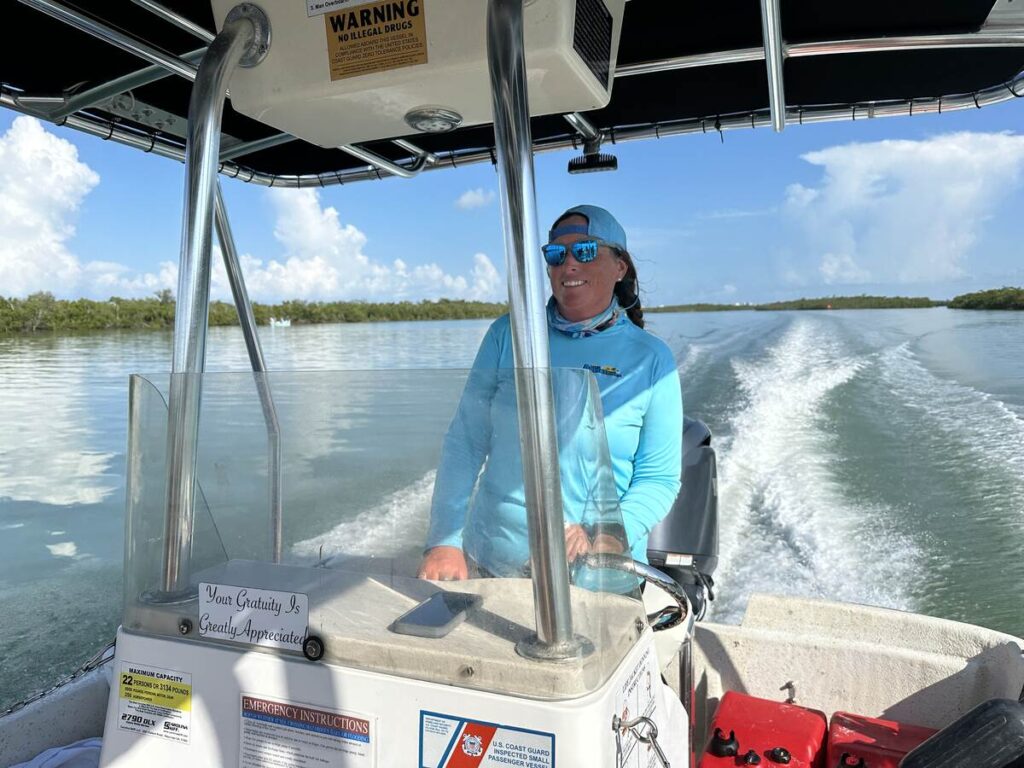
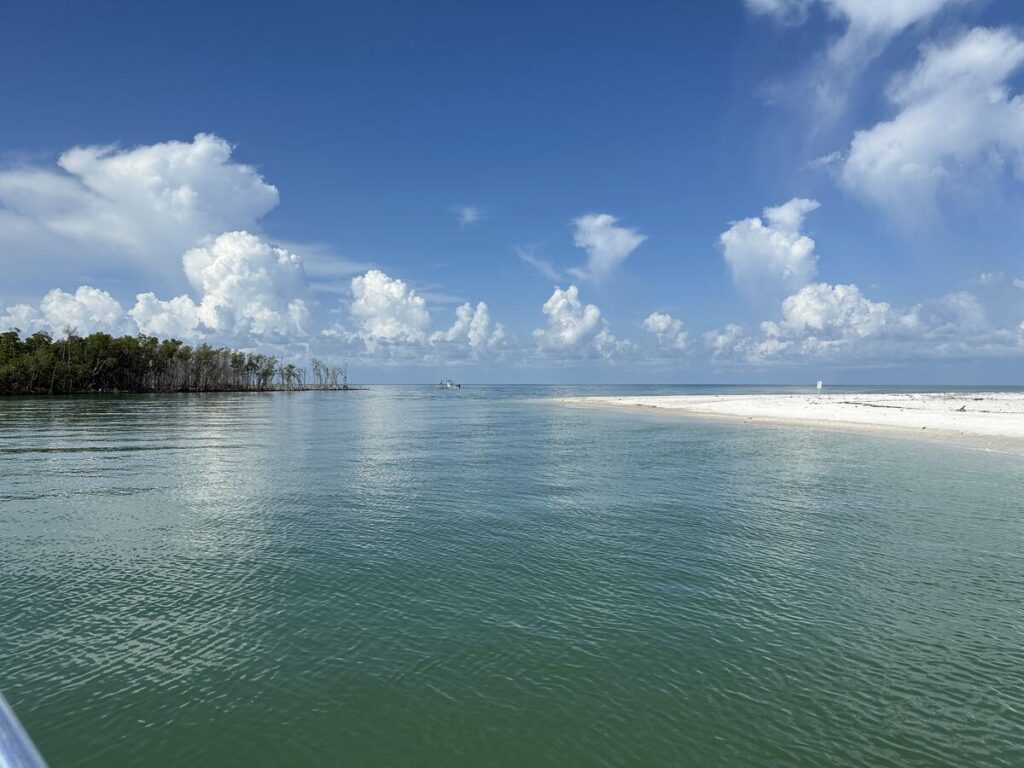
Florida Adventures offers several ways to experience the area, including dolphin tours, shelling trips, kayak tours and customized excursions. For me, the value was in being out with people who knew the waterways well and were paying close attention to what was happening around us.
Our captains were Colleen Gill, a naturalist, and Jessica Falco, a marine biologist with a focus on sea turtles. That combination shifted the experience from a pleasant boat ride into something more thoughtful. We were still there for the beauty of it all: the water, the birds, the mangroves, the chance of seeing dolphins and manatees. But the tour had depth because the commentary came from people who understood the ecosystem.
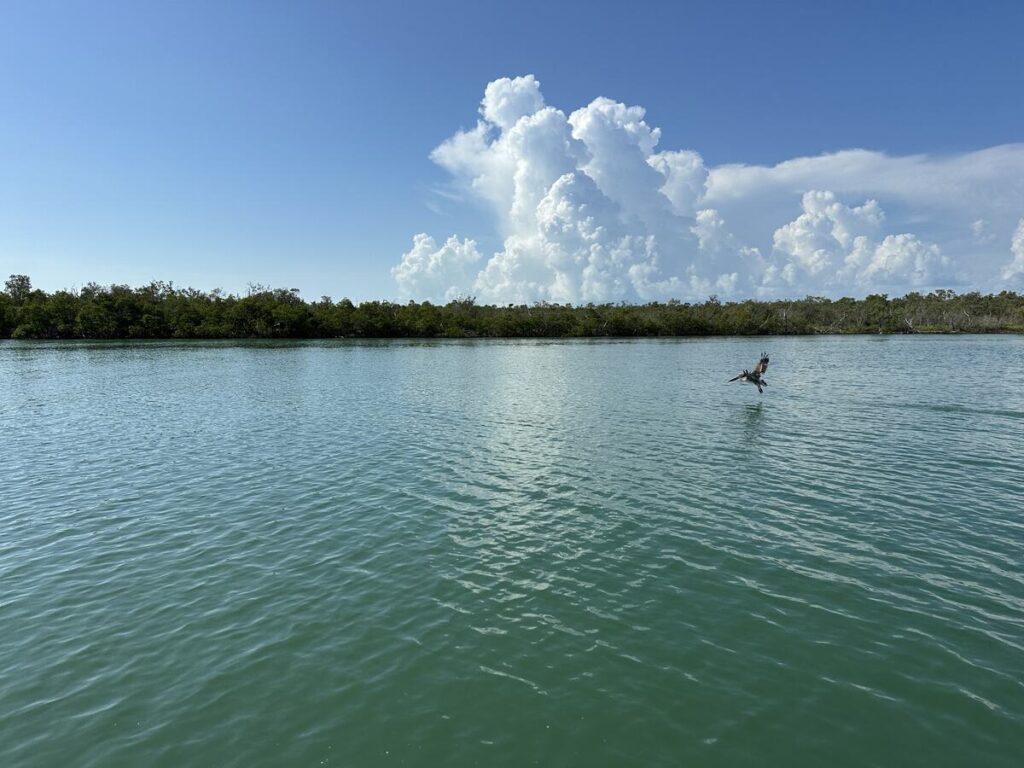
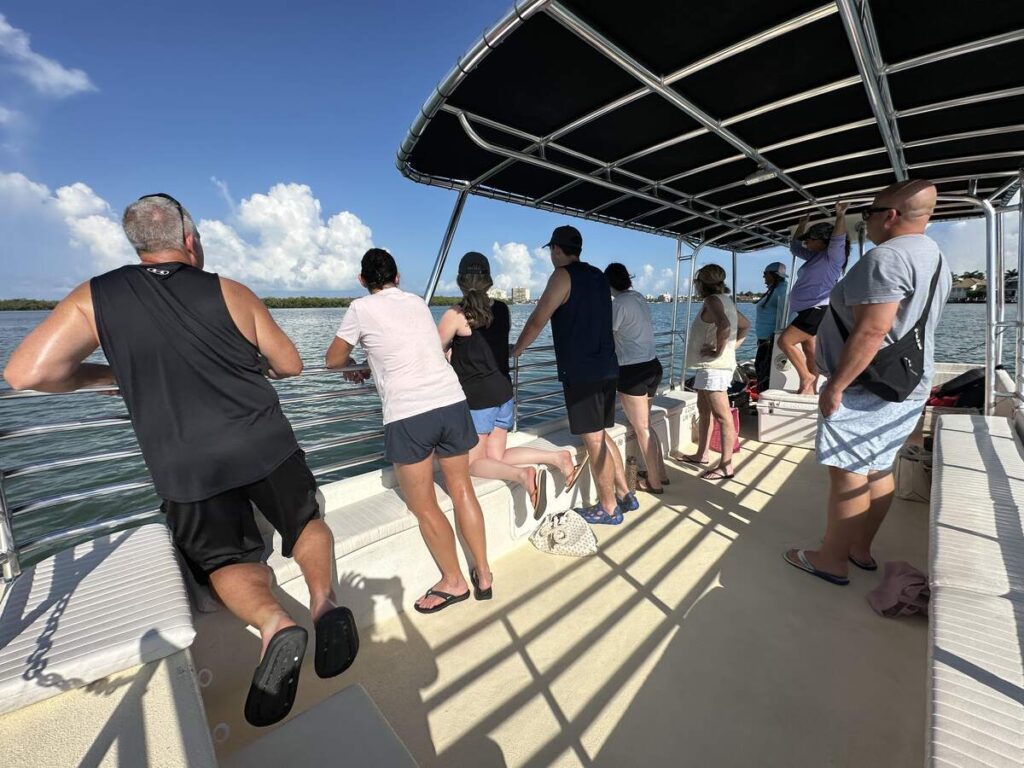
The Ten Thousand Islands are the kind of place where the details matter. From the boat, the mangroves appear dense and beautiful, but once you slow down, you begin to notice how much life is tucked into the roots and shallows. Birds move along the edges. Fish shelter below. Oyster reefs, mudflats, hidden bays, and narrow passages all become part of the same living landscape.
We saw dolphins enjoying the wake of our tour boat, birds along the route, and manatees moving through the water. The dolphins were the obvious thrill, but what stayed with me was how carefully Colleen watched them. She was not trying to create a moment. She was reading their behaviour. If they wanted to come toward the wake, they did. If they did not, we moved on.
That restraint said a lot.
Wildlife encounters are always more meaningful when they are not forced. The best guides know when to speak, when to slow down, and when to let the animals have space. Colleen and Jessica did that well.
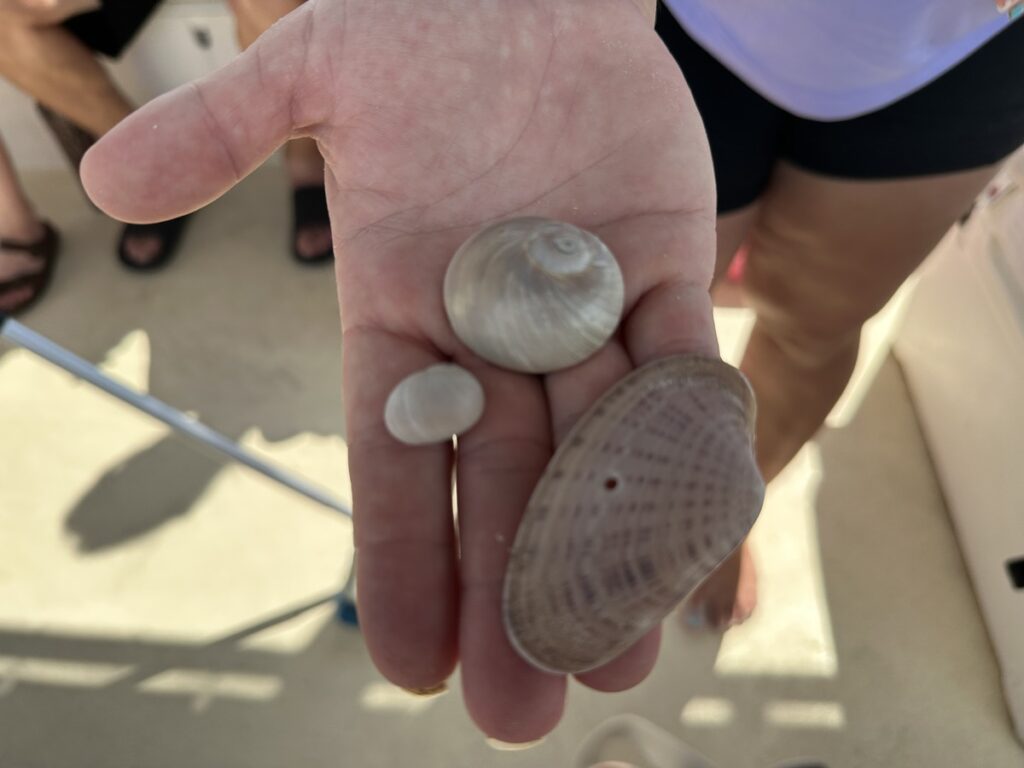
The shelling stop was beautiful, but it also came with an important reminder. A shell may look empty at first glance, but beaches are full of small lives and hidden uses. Some shells become homes for hermit crabs. Others break down over time and return minerals to the sand. The best approach is to look carefully, take very little, and leave anything with a living creature exactly where it is. In a place as rich as the Ten Thousand Islands, the point is not to leave with a bag full of shells. It is to leave with a better eye.
The same thinking applies before you even step into the water. Choosing reef-safe or ocean-conscious sunscreen is a small but practical way to reduce what we leave behind. Florida’s waterways already carry enough from human life on land: lawn fertilizers, pesticides, stormwater runoff, motor oil, plastics, and microfibres from clothing. The least we can do, especially in places where dolphins, manatees, sea turtles, birds, and fish depend on healthy habitat, is make choices that lighten our footprint.
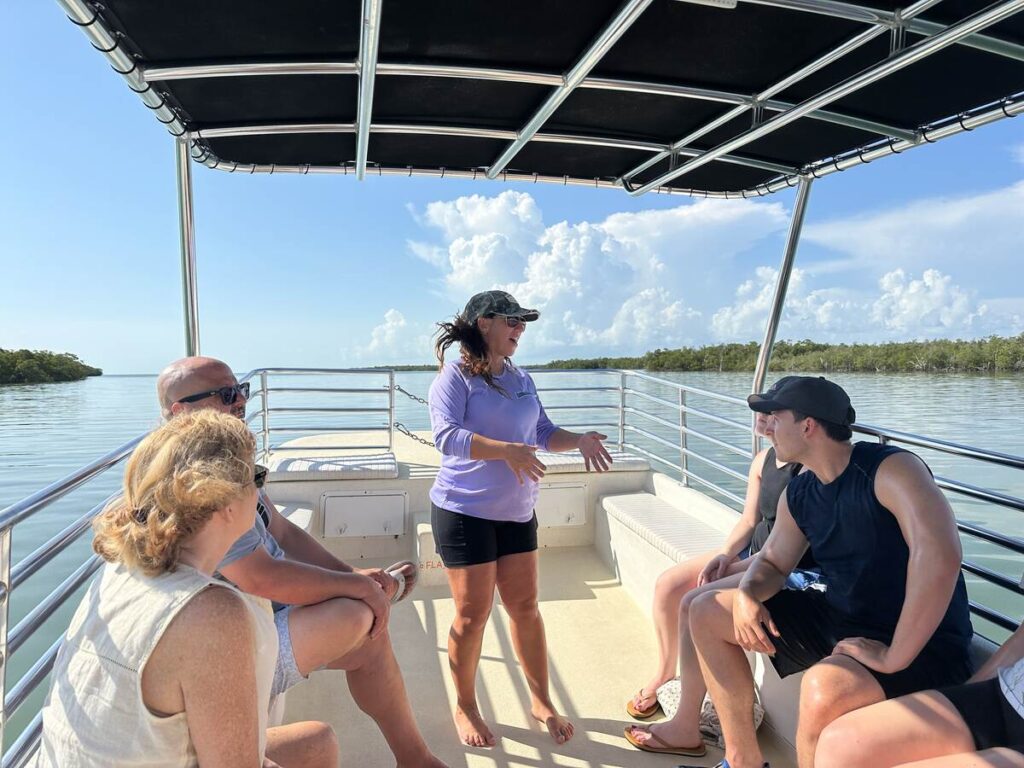
During the tour, the guides spoke honestly about Marco Island. Yes, it is known for beautiful homes, boating, beaches, and a certain level of wealth. But it is also home to burrowing owls, sea turtles, dolphins, manatees, birds, mangroves, and fragile coastal habitats. Conservation is not a side note here. It is part of the daily work for people who spend their lives on and around the water. You can also see the beautiful dolphins from this trip in my Instagram post.
The team talked about education, cleanups, water quality, injured animals, community work, and helping visitors understand the Ten Thousand Islands beyond the pretty views. They also spoke about the owners, Maria and her husband, and how their values attract guides who care about the area, not just the business.
One of the guides said their job is to help people fall in love with the place, because once people love something, they are more likely to protect it.
That is the line I carried with me.
It is easy to book a tour because you want to see dolphins, collect shells, or spend time on the water. Those are all good reasons to go. But the better tours change the way you look. A shelling stop becomes more than a beach break. A bird sighting becomes part of a larger habitat story. A manatee moving through the water reminds you to slow down and remember that boats are passing through someone else’s home.
By the time we returned, I had seen the water, the mangroves, and the wildlife differently than when we set out. That is what a good eco tour should do.
After the water, Marco Island Historical Museum helped connect the landscape to what came before.
The museum, supported by the Marco Island Historical Society, shares the island’s long and layered history through exhibits, collections, gardens, and community projects. It is known for the Key Marco Cat, one of the most remarkable archaeological discoveries connected to North America’s Indigenous past. The original artifact is held by the Smithsonian, but its story remains central to understanding Marco Island.
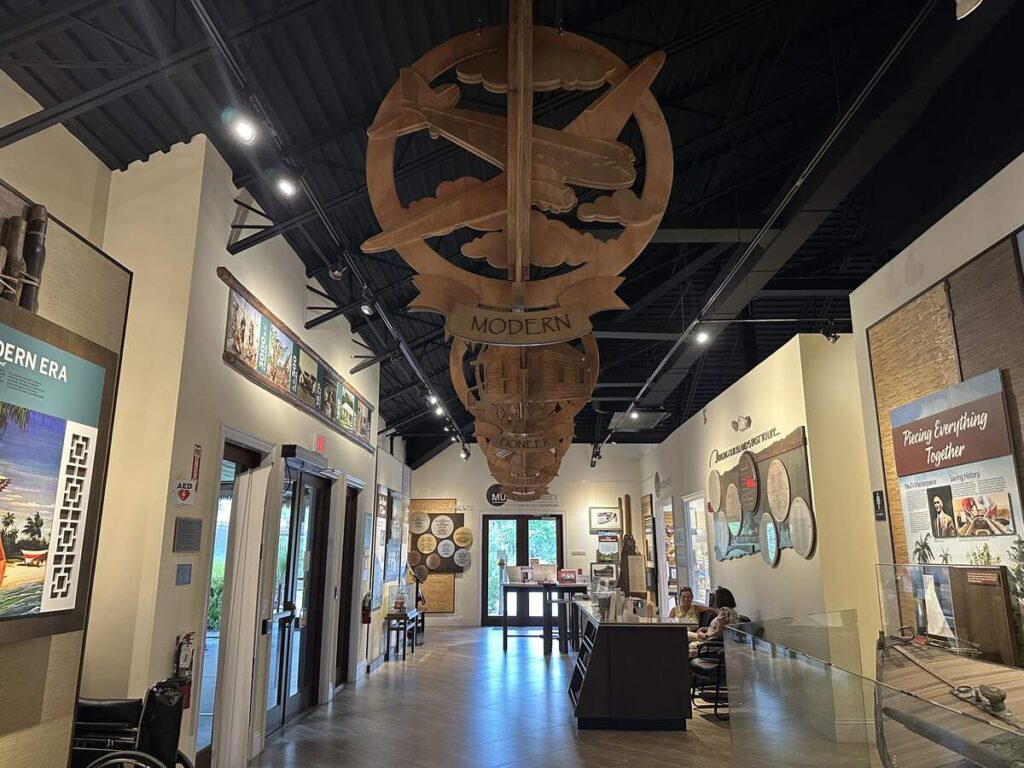
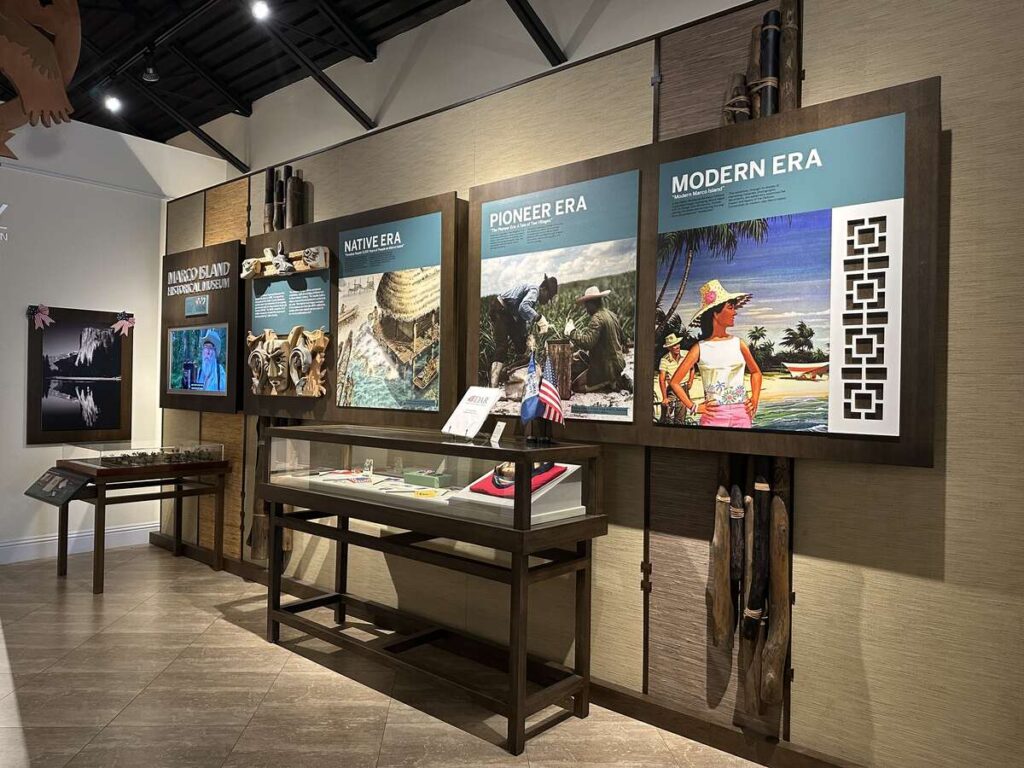
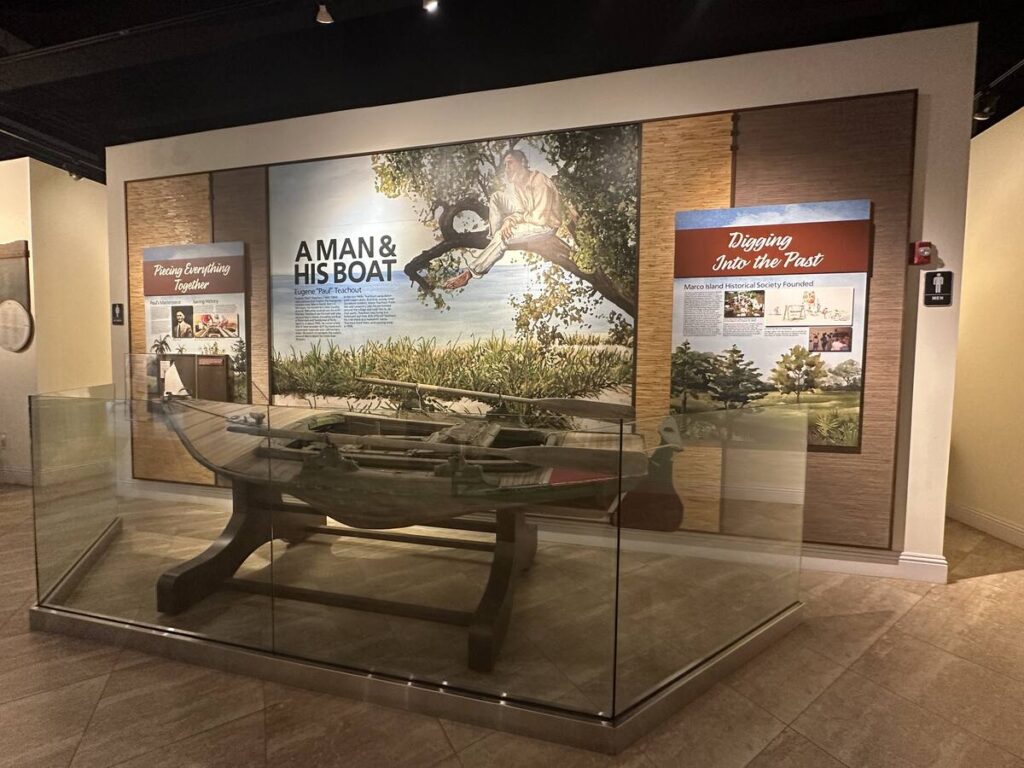
The museum also helps explain the island visitors see today. Its exhibits trace Marco Island from early Indigenous history through its pioneer years as a fishing village, pineapple plantation, and clam cannery, and into the rapid development of the 1960s by the Miami-based Deltona Corporation. After time spent in the mangroves, that context feels important. The museum makes clear that Marco Island is not just a beautiful place; it is a place shaped by ambition, adaptation, development, and, increasingly, the need to protect what remains.
To know where you are going, it helps to understand what came before.
The museum explores the Calusa, the Muspa, and other Indigenous histories of Southwest Florida through displays and a recreated village scene. After moving through the mangroves and barrier islands, you begin to understand that this landscape was never empty. People lived here for thousands of years. They adapted to the water, the shell, the fish, the weather, and the coast long before modern tourism found it.
This is where the trip slowed down in a different way.
The Ten Thousand Islands are not just a beautiful place to boat through. Marco Island is not just a beach destination with nice restaurants. People lived here, adapted here, built here, harvested here, transformed the land, and left traces behind.
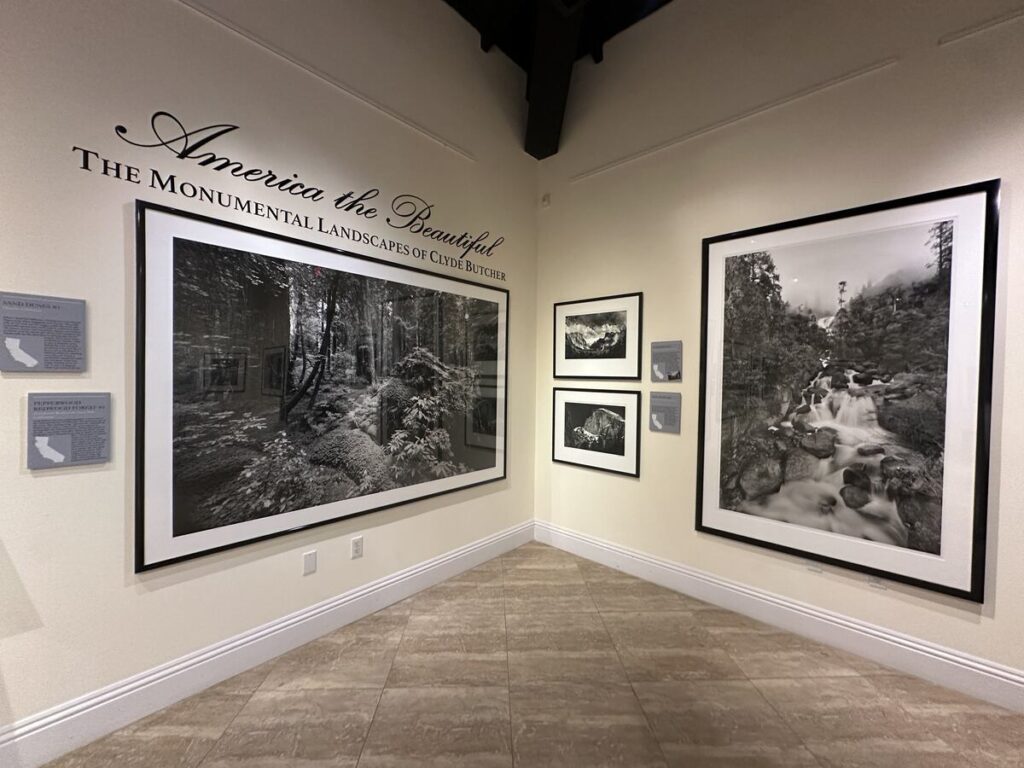
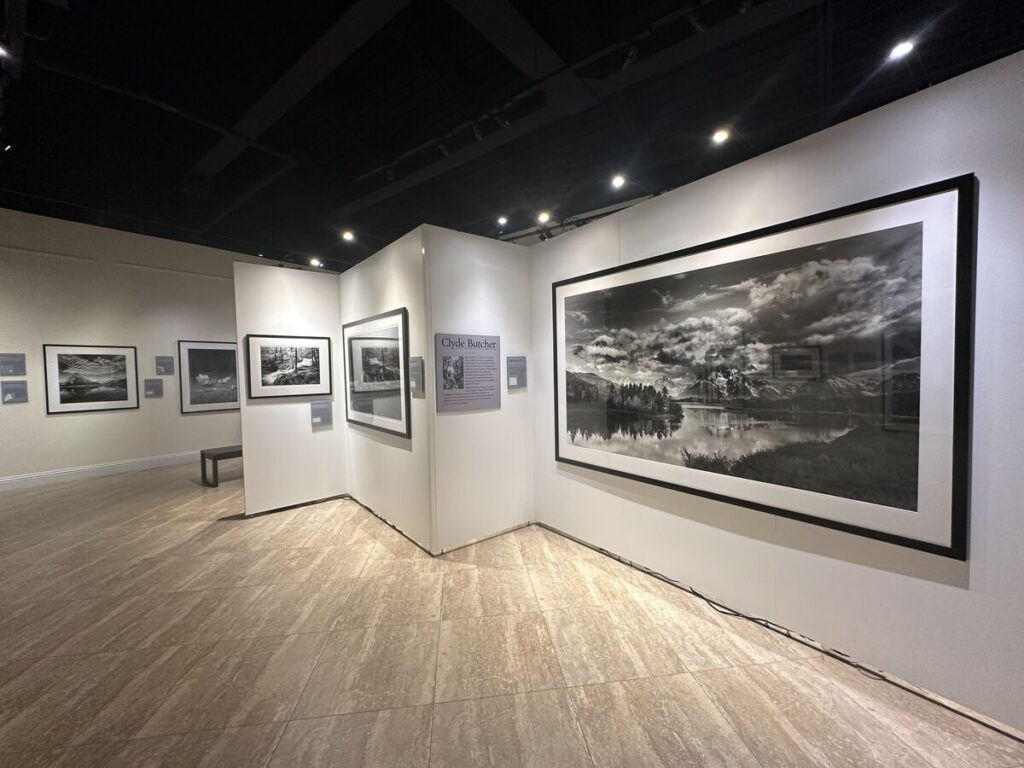
During my visit, the museum also featured Clyde Butcher’s America the Beautiful, part of the America250 celebration. Butcher is known for large-scale black-and-white photography that captures the drama and quiet power of America’s wild landscapes. His work felt like a natural companion to the eco tour. On the water, I saw mangroves, dolphins, manatees, birds, and barrier islands. In the museum, Butcher’s images asked me to look again at wilderness, not as background, but as something with weight, scale, and consequence.
The eco tour showed the living landscape. The museum gave it memory. Together, they made Marco Island feel less like a pretty stop and more like a place with layers: ecological, cultural, historical, and human.
And then, because fresh air and saltwater make you hungry, there was Snook Inn.
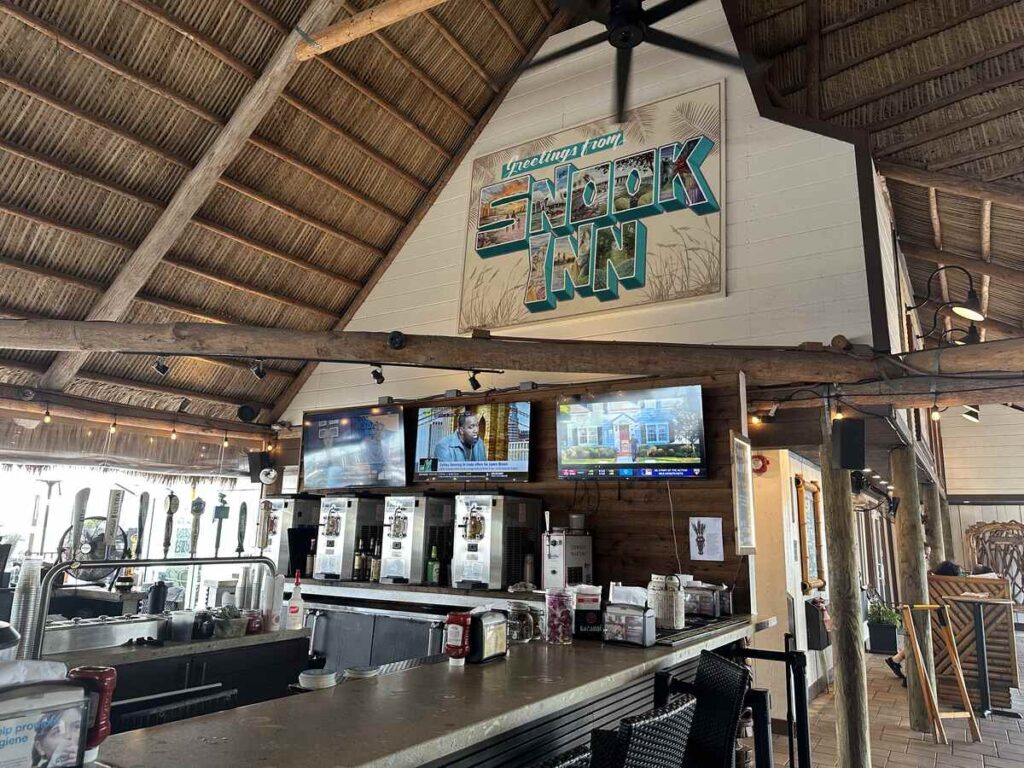
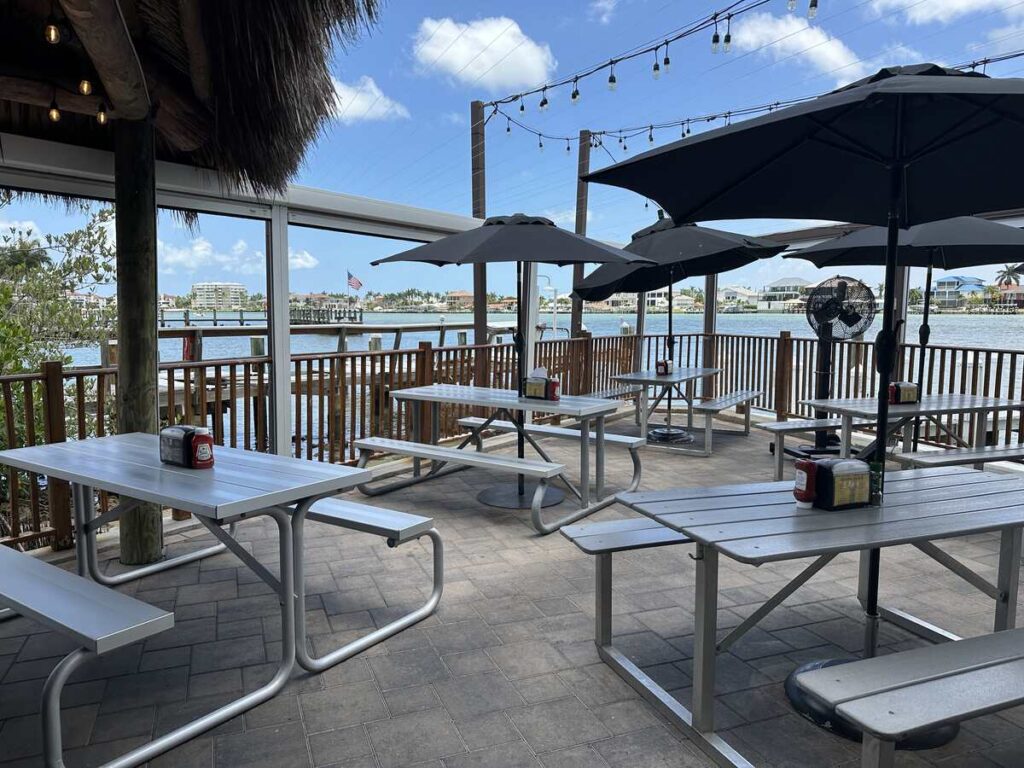
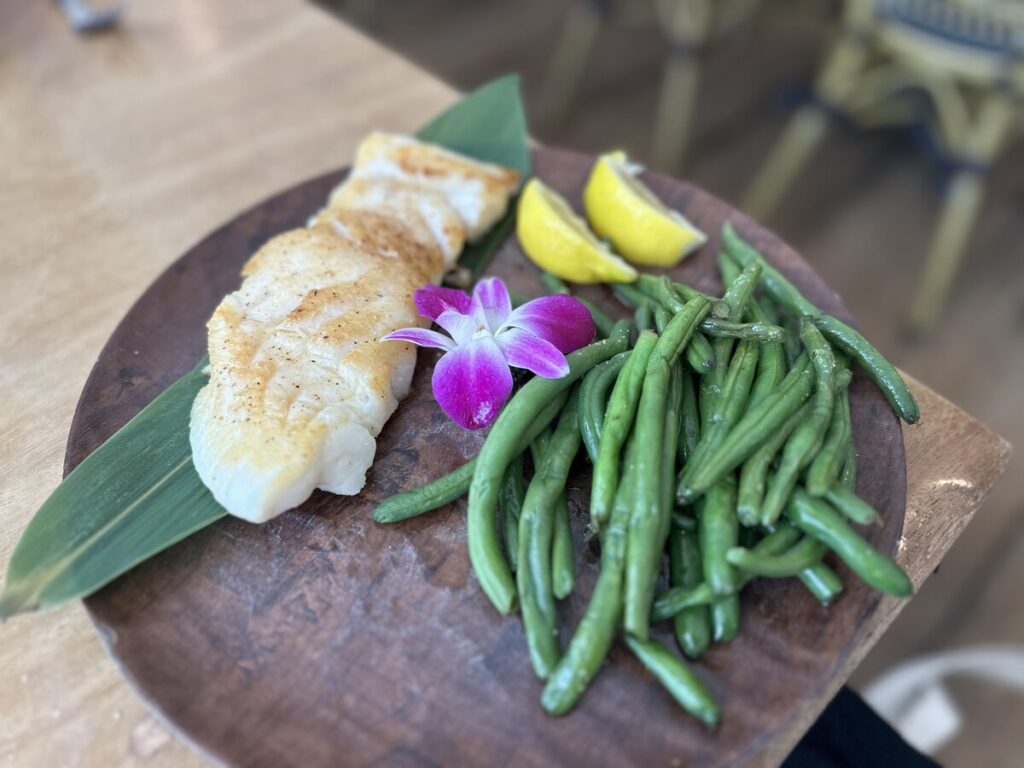
Located on Bald Eagle Drive along the Marco River, Snook Inn has been serving the Marco Island community for more than 30 years. It is the kind of place that makes sense after a day on the water: casual, local, waterfront, with seafood, drinks, music, and boats moving by. Their own wording says you can come by boat, come by car, and watch dolphins from the Chickee Bar. That feels very Marco Island.
It was the right way to end the day: off the water, with the island’s history still fresh in mind, and a table by the river bringing everything back to the present.
What I appreciated most about this part of Florida was the balance. Florida’s Paradise Coast can give you the refined version of travel: a beachfront suite at Edgewater, dinner at Coast, a cocktail by the pool, and a balcony looking out over the Gulf. But it can also give you something deeper: dolphins feeding offshore, turtle nests protected by volunteers, manatees in the water, guides who know when to slow the boat, and a museum that reminds you this land has a story much older than tourism.
That is where the destination becomes more interesting.
The high life is lovely. I am not pretending otherwise. A good hotel, a good meal, and a great view matter.
But the wildlife is what stayed with me.
The dolphins from my balcony. The turtle nests on the beach. The dolphins riding the wake only because they chose to. The manatees moving through the water. The birds. The mangroves. The guides who kept reminding us, by action more than words, that we are guests in these places.
And good guests pay attention.
The Takeaway
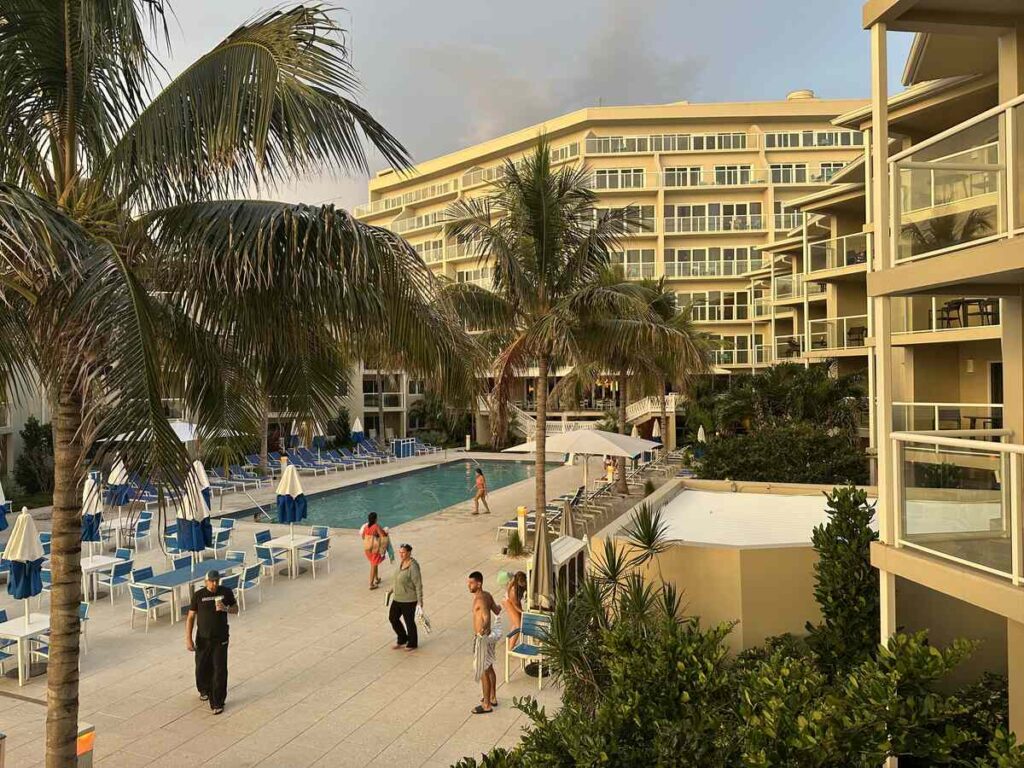
Naples and Marco Island offer the polished pleasures of Florida’s Paradise Coast, but the real story is where comfort meets conservation. Stay by the Gulf, eat well, get out on the water with guides who respect the ecosystem, visit the museum to understand the land’s history, and leave with a better sense of how fragile and connected this coastline really is.
As with every destination, I encourage travellers to tread lightly and leave places better than they found them. Respect cultural wildlife and stay on designated paths, observing them from a distance. We are visiting their home.
Follow us on Instagram at Trip_Jaunt
This trip was hosted by Collier County/Naples, Marco Island, Everglades CVB , but all reflections, opinions, and editorial content are entirely my own.
All photographs by Helen Hatzis unless otherwise indicated.