
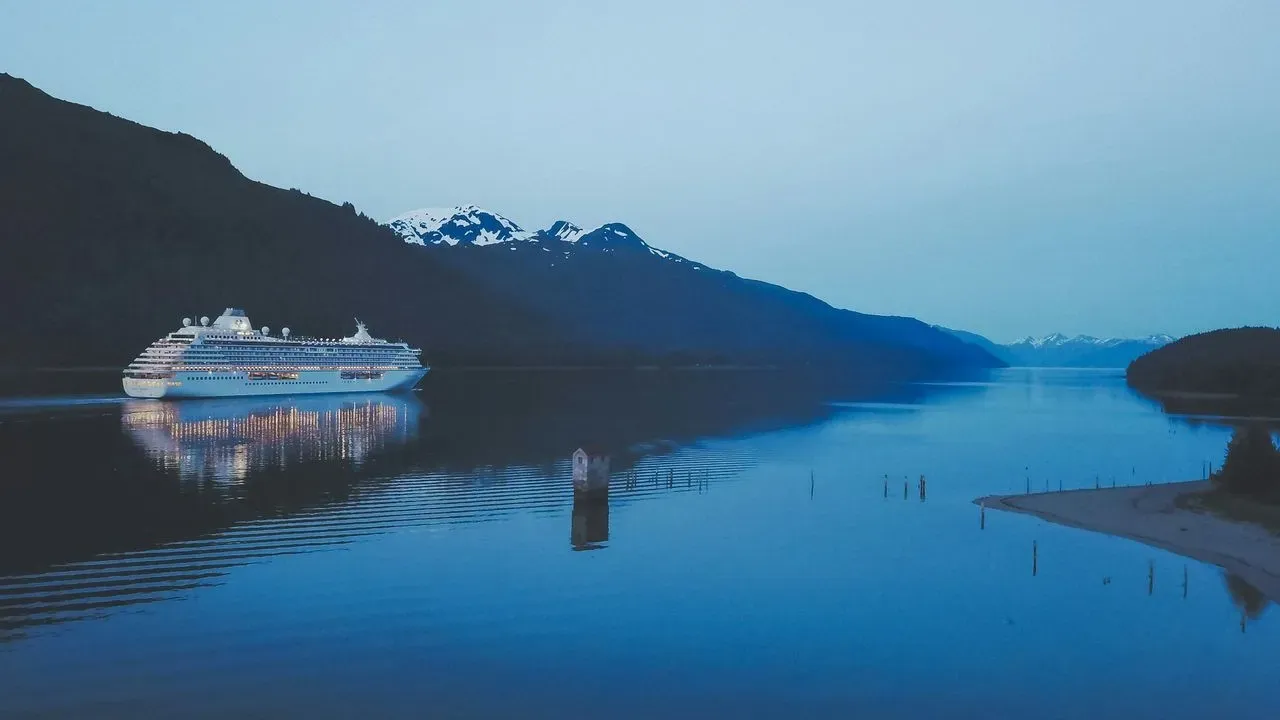

Juneau sits at the heart of Alaska’s Inside Passage, where cruise ships typically remain in port for a full day. This extended stay gives visitors time to move between downtown streets and the surrounding wilderness without feeling rushed. The city’s setting, ringed by mountains and the Tongass National Forest, shapes every choice travelers make during those hours. ([1])
The Daily Cap and Its Effect on the Port
A passenger limit took effect in 2026, capping daily arrivals at 16,000 from Sunday through Friday and 12,000 on Saturdays. The policy directly reduces pressure on trails, tram lines and downtown sidewalks during the busiest cruise months. Saturday visits now feel noticeably quieter, with shorter waits for last-minute excursions and more space along the waterfront. Travelers who arrive mid-week still encounter the higher end of the cap, yet the overall measure supports a steadier pace for both residents and visitors. Local operators report steadier demand across the week rather than concentrated rushes. The change reflects ongoing efforts to balance tourism with the city’s limited infrastructure and sensitive natural areas.
Walking Through the Historic Core
Most cruise berths sit within a short stroll of South Franklin Street and the compact downtown grid. Gold rush-era buildings now house galleries and shops that feature work by Tlingit, Haida and Tsimshian artists. The Juneau Visitors Center, located steps from the docks, supplies maps and current trail conditions at no charge. A few blocks inland, the Sealaska Heritage Institute presents contemporary and traditional Alaska Native art in a building designed as a work of cultural expression. Nearby, the Alaska State Museum and the 1931 State Capitol offer further context on the region’s layered history. The Juneau Seawalk, a wide boardwalk completed in 2017, curves along the water with public sculptures and evening lighting, providing an easy route for those who prefer to stay near the ship.
Reaching Mendenhall Glacier and Beyond
Mendenhall Glacier lies roughly seven miles from the port and remains one of the few glaciers in North America accessible by road. The visitor center overlooks the ice, while maintained trails lead to viewpoints and Nugget Falls. Shuttle buses and taxis serve the route regularly, allowing independent travelers to set their own schedule. Further along the same road, Auke Bay offers a sheltered harbor where many whale-watching boats depart. Operators run three- to four-hour cruises on vessels ranging from small research boats to larger craft with heated cabins. For those seeking a quieter outing, the National Shrine of St. Thérèse sits on a causeway-linked island about fifteen minutes beyond Auke Bay, its gardens and stone chapel offering a calm contrast to busier sites.
Choosing Activities With Care
Juneau’s range of excursions includes helicopter landings on the glacier, seaplane flights to remote lodges, and guided hikes through the rainforest. Prices vary widely, from roughly eighty dollars for basic gold panning to several hundred for flightseeing or ice-cave tours. Many operators now emphasize smaller group sizes and lower-impact routes in response to the passenger cap. Independent options remain plentiful. The Goldbelt Tram carries visitors 1,800 feet up Mount Roberts for short trails and views, while Cycle Alaska and local outfitters rent bicycles and kayaks near the harbor. Eagle Beach Recreation Area, a thirty-mile drive north, provides a quieter shoreline where two rivers meet the Lynn Canal.
Practical Considerations for the Day
English is the primary language, and the U.S. dollar is used throughout. Juneau observes Alaska Standard Time, one hour behind Pacific time, and the temperate rainforest climate brings frequent rain even in summer. Layers and a waterproof jacket remain essential regardless of the morning forecast. Taxis, ride-hailing services and narrated shuttles operate from the docks. Rental cars become useful for multiple stops beyond downtown, though rates rise during peak season. Most restaurants and shops accept credit cards, and several breweries, including Alaska Brewing Company, maintain tasting rooms within walking distance of the port. A single day in Juneau reveals how a capital city can remain deeply connected to its surrounding wilderness. The passenger cap and the city’s compact layout together encourage measured choices that respect both the landscape and the communities that call it home.
AI Disclaimer: This article was created with the assistance of AI tools and reviewed by a human editor.