
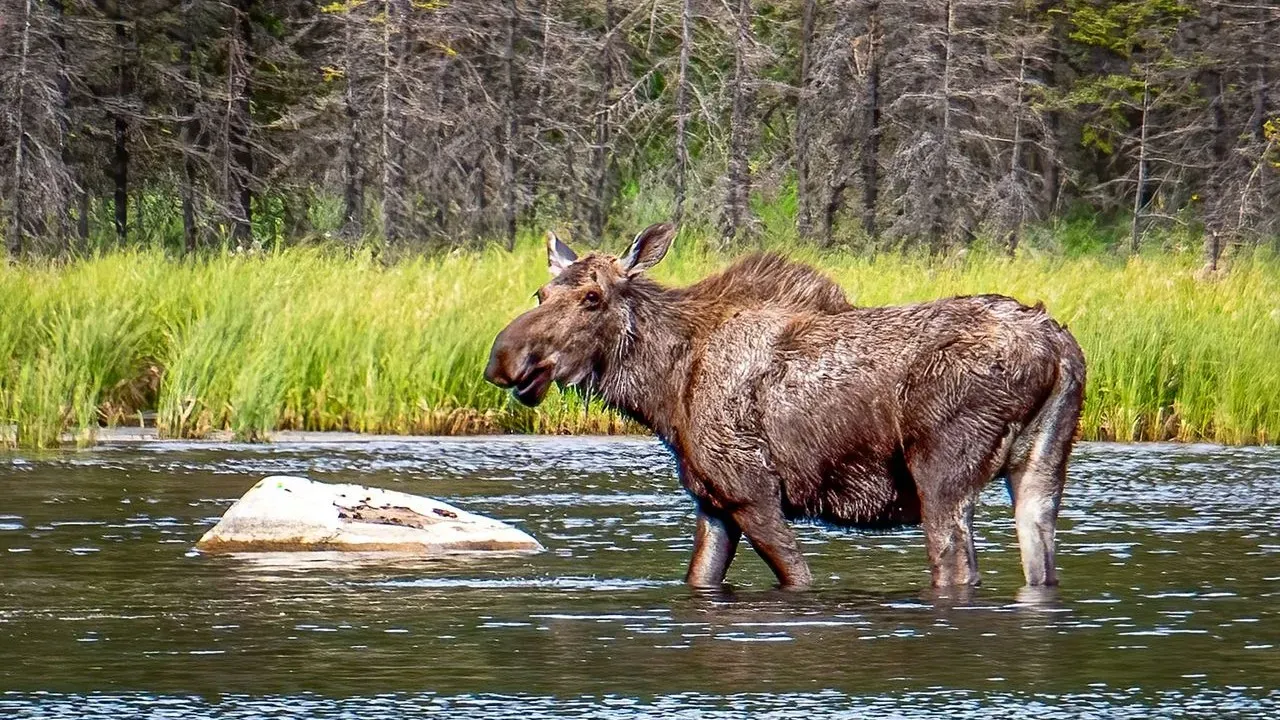

In remote Alaska, a moose hunter survived a close encounter with a bear and later reflected that he was glad to have lost consciousness during the incident. The event, reported in news accounts from mid-September 2026, offers a stark reminder of the untamed character of the state’s vast interior. Travelers drawn to Alaska’s backcountry often seek precisely this sense of scale and unpredictability, yet the story also highlights why preparation and respect remain essential when venturing into bear habitat. ([1])
The Hunter’s Experience and Its Immediate Context
The hunter was engaged in a traditional moose hunt when the bear approached. During the confrontation he blacked out, an outcome he later described in positive terms because it spared him the full memory of the animal’s actions. He emerged alive, a result that speaks to both chance and the resilience sometimes required in such remote settings. News coverage of the incident has circulated quickly, reaching audiences far beyond Alaska who follow stories of wilderness travel.
Accounts emphasize that the encounter took place in classic backcountry terrain, far from roads or immediate assistance. Such distances are common for those who pursue game or simply explore Alaska’s interior. The hunter’s survival stands as one data point among many that illustrate both the risks and the rewards of spending time in these landscapes.
Alaska’s Backcountry as a Place of Scale and Solitude
Alaska’s remote regions draw visitors precisely because they remain among the largest intact wild areas in North America. Vast stretches of spruce forest, tundra, and river corridors support populations of moose, bears, and other wildlife that continue to live with minimal human interference. Travelers who reach these places often describe a profound sense of perspective that comes from moving through country where natural processes still dominate daily rhythms.
The same qualities that make the landscape inspiring also require travelers to adjust expectations. Distances between services can stretch for days, weather changes rapidly, and wildlife follows its own patterns rather than human schedules. Those who return safely frequently cite careful planning, local knowledge, and a willingness to yield space to animals as the factors that allowed them to experience the country on its own terms.
Traveling Responsibly in Bear Country
Anyone considering time in Alaska’s interior benefits from understanding basic realities of sharing space with large predators. Bears are present across much of the state, and encounters, while uncommon, are a recognized possibility rather than an abstract risk. Hunters and hikers alike routinely carry deterrents, maintain clean camps, and travel in ways that reduce surprise meetings.
Respect for wildlife extends beyond personal safety. Ethical travelers minimize disturbance to feeding areas, avoid approaching animals, and follow local regulations designed to protect both people and bears. These practices allow future visitors the same chance to witness wildlife behaving naturally rather than conditioned to human presence. The hunter’s account, while dramatic, ultimately reinforces the value of approaching these environments with humility and preparation rather than bravado.
Carrying Forward a Sense of Awe
Stories like this one circulate because they capture the tension between human plans and the autonomy of wild animals. Yet the deeper invitation of Alaska’s backcountry lies in the opportunity to move through country that still operates largely on its own schedule. Visitors who arrive with that understanding often leave with renewed appreciation for the balance required to enjoy such places safely and sustainably.
The hunter’s relief at having blacked out during the encounter serves as a quiet testament to the intensity of these moments. For those planning their own journeys, the lesson is not avoidance but informed engagement: study conditions, respect distance, and recognize that the wilderness retains the final say. In that recognition lies much of the enduring appeal of traveling through Alaska’s remote landscapes.
AI Disclaimer: This article was created with the assistance of AI tools and reviewed by a human editor.