
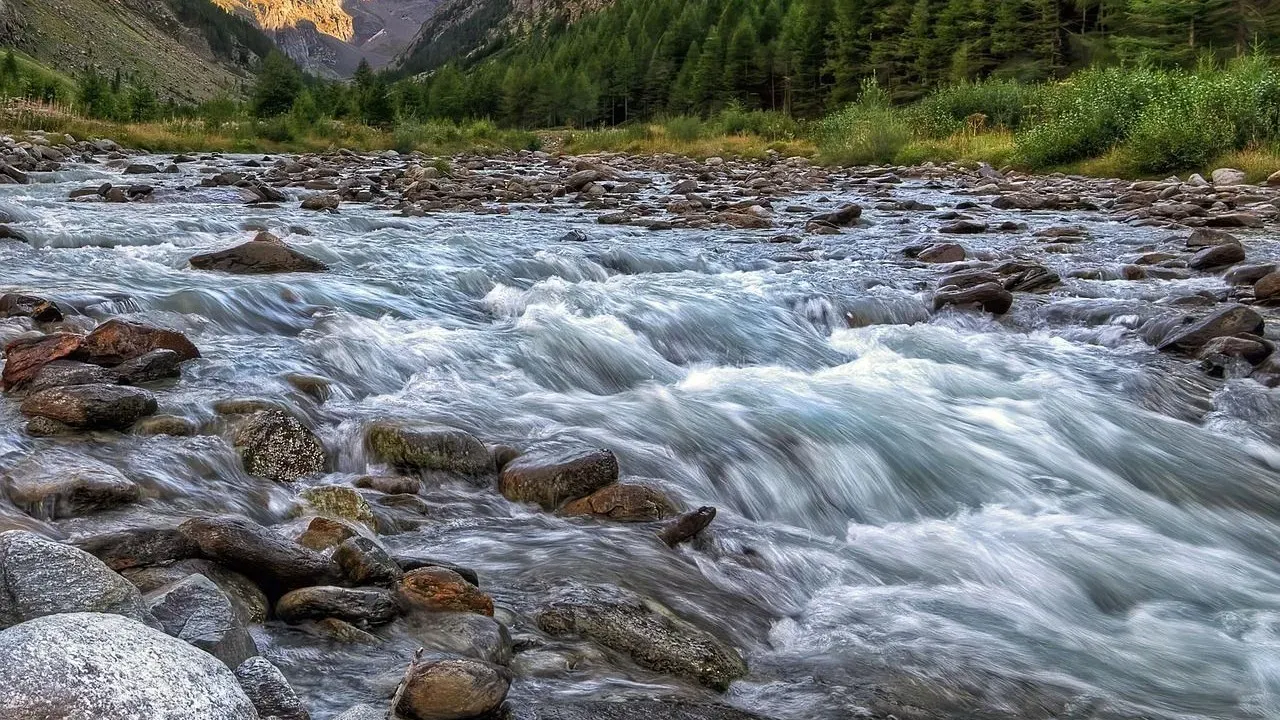

Southern Oregon’s Umpqua Valley draws travelers with its distinctive mix of dramatic waterfalls, family-run wineries, and the clear waters of the North Umpqua River. The region centers on Roseburg yet stretches east along Highway 138 into forested canyons and quiet river bends. Visitors often find that a single drive can shift from vineyard tastings to short hikes ending at plunging cascades. The landscape reflects the meeting of mountain ranges, creating varied elevations and microclimates that support both cool- and warm-climate grapes. **Waterfalls That Define the North Umpqua Corridor** More than twenty waterfalls line the North Umpqua River corridor, many reachable by short trails or roadside paths. Watson Falls drops nearly 300 feet over basalt cliffs framed by ferns and moss, while Toketee Falls offers a two-tiered view through a narrow gorge lined with columnar basalt. Clearwater Falls fans across mossy rocks beneath tall Douglas firs, and Whitehorse Falls provides an easy stop surrounded by old-growth forest. Susan Creek Falls and Fall Creek Falls reward slightly longer walks with multi-tiered drops and volcanic rock formations. A guided tour can simplify planning when cell service fades along the highway. Local operators select accessible sites and handle navigation, leaving visitors free to focus on the scenery. Those who prefer independent exploration benefit from downloading maps in advance and wearing shoes with good traction on wet rocks and bridges. Early starts help avoid crowds at popular viewpoints and allow time for unexpected river overlooks along the route. **Wine Heritage Rooted in Family Estates** The Umpqua Valley AVA ranks among Oregon’s older wine regions, with plantings dating to the 1960s. More than thirty wineries and seventy vineyards now occupy roughly four thousand acres, growing over fifty grape varieties. Northern sections near Elkton favor Pinot Noir and Riesling, while central and southern areas suit Tempranillo and Syrah. Many producers remain family-owned, offering tastings that often include direct conversations with those who tend the vines. Reustle–Prayer Rock Vineyards stands out for its hand-carved wine cave and early adoption of Grüner Veltliner. HillCrest Vineyard, established in 1961, continues as Oregon’s oldest continuously operating estate winery. Meadows Estate and Girardet Vineyards emphasize small-batch production in rural settings, while Paul O’Brien Winery brings an urban tasting room to downtown Roseburg. Reservations remain advisable on weekends, and grouping visits by geography reduces driving time between stops. **River Life, Wildlife, and Quiet Retreats** The North Umpqua River supports legendary fly fishing, particularly for summer steelhead, though regulations change with fish returns and require current checks through the Oregon Department of Fish and Wildlife. Guided outings provide equipment and local knowledge for those new to the sport. Wildlife Safari in nearby Winston offers a 600-acre drive-through experience where visitors observe giraffes, rhinos, and other species from their own vehicles, with optional close-up encounters available by reservation. Accommodations range from riverside cabins at Steamboat Inn to apartment-style stays in downtown Roseburg. Splitting time between the two locations allows easy access to both natural areas and town amenities. Dining options along the river remain limited, so planning meals around Steamboat Inn’s seasonal menu or Roseburg’s locally owned restaurants supports the community directly. **Thoughtful Planning for a Rewarding Trip** Three to five days provide a comfortable pace for combining waterfall hikes, winery visits, and river time. Spring through fall generally offers the most reliable conditions for outdoor activities, though fall brings harvest activity and changing vineyard colors. Renting a car is essential, as attractions spread across rural roads with limited public transit. Practicing Leave No Trace principles at trailheads and supporting family producers at tasting rooms align with responsible travel values. Cell service can drop quickly east of Roseburg, making offline maps and printed directions practical. Checking seasonal hours and road conditions before each outing prevents unnecessary backtracking. The valley rewards unhurried exploration, where time spent watching the river or lingering over a glass of estate wine often becomes the most memorable part of the journey. ([1])
AI Disclaimer: This article was created with the assistance of AI tools and reviewed by a human editor.