
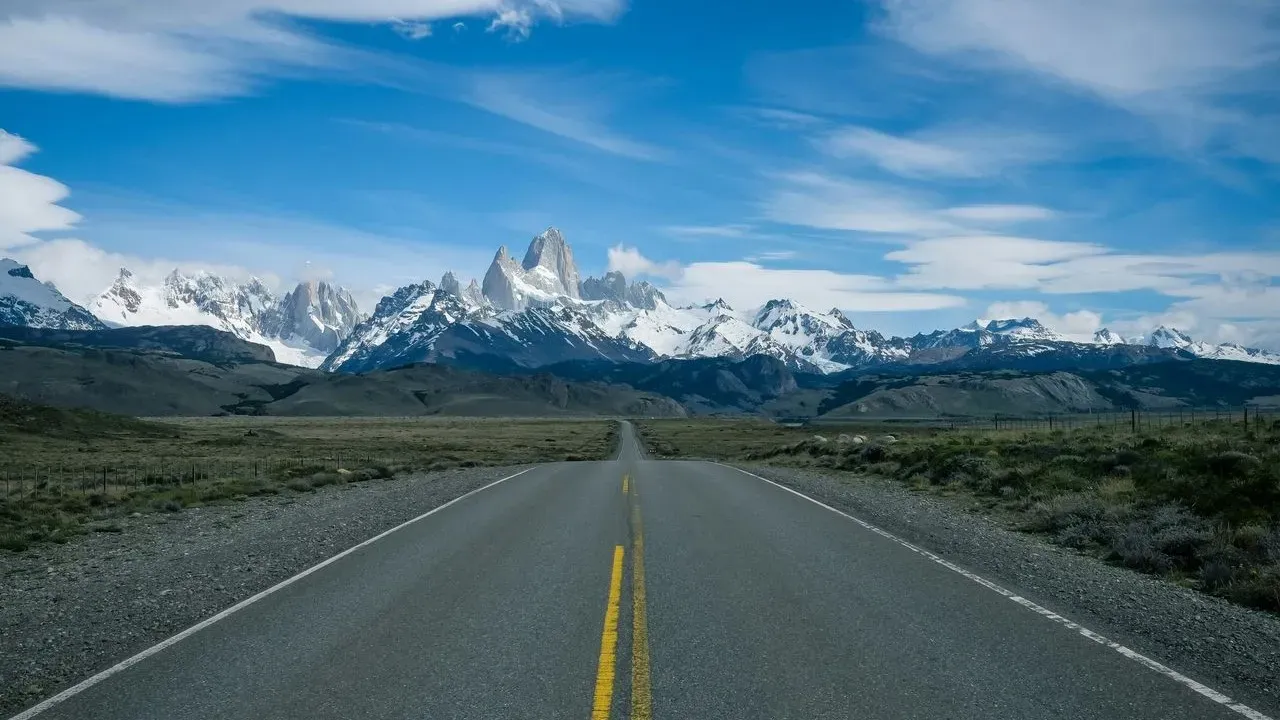

Colombia marks the northern gateway for a journey that unfolds across seven countries and half a year of continuous overland movement. The traveler begins without a single word of Spanish yet finishes the route with practical fluency in ordering meals, asking directions, and holding everyday conversations. Landscapes evolve steadily from humid lowlands into arid expanses and then into high cordilleras, offering a continuous lesson in how geography shapes daily life and local traditions.
Beginning in Colombia’s Varied Terrain
The journey opens amid Colombia’s mix of coastal plains, Andean foothills, and tropical forests. Early days involve adjusting to new rhythms of bus travel, market bargaining, and the warmth of roadside encounters. These first weeks establish the pattern of slow progress that defines the entire trip, allowing time to notice how communities adapt to elevation changes and seasonal rains.
Local hospitality often appears in simple gestures: shared coffee, directions offered without prompting, or invitations to join family meals. Such moments build confidence for the longer stretches ahead. The traveler learns that patience with language barriers opens doors more effectively than any guidebook phrase.
Shifting Landscapes and Daily Realities
As the route continues southward, the environment changes in clear stages. Tropical humidity gives way to drier plateaus, then to the stark beauty of desert regions where water sources dictate settlement patterns. Further south, the terrain rises into mountain ranges that demand different clothing, pacing, and respect for altitude.
Each transition brings new practical considerations. Bus schedules tighten in remote areas, and meals reflect local crops and altitude crops. The traveler observes how architecture, clothing, and even greetings adjust to these conditions, revealing the deep connection between place and culture.
Overland movement encourages attention to these details. Stops at small towns become opportunities to watch how residents navigate the same landscape changes that the traveler experiences in sequence.
Language as a Bridge
Starting with no Spanish creates an immediate need to listen closely and improvise. Markets, bus stations, and guesthouses become daily classrooms. Simple requests for food or lodging gradually expand into longer exchanges about routes, weather, and local events.
By the later months, ordering meals or asking for directions feels natural rather than effortful. The language skill proves useful not only for logistics but also for understanding stories shared by fellow passengers and hosts. This gradual acquisition mirrors the journey itself: steady, cumulative, and grounded in repeated practice.
The Value of Extended Time on the Road
Six months allows the traveler to move beyond first impressions. Repeated border crossings and long bus rides create space to notice patterns across countries rather than isolated highlights. The pace reveals how communities maintain traditions while adapting to modern travel routes.
Weather, festivals, and harvest cycles become part of the itinerary rather than interruptions. The traveler gains a sense of how distance and duration alter perceptions of scale and connection. What begins as a geographic crossing becomes a record of personal adjustment to new environments and social norms.
Returning with a Broader Perspective
The completed route leaves a lasting impression of continuity across diverse nations. The traveler carries practical language ability and a clearer understanding of how landscape influences daily choices. These outcomes emerge directly from the decision to travel slowly and continuously rather than through isolated visits.
Such an experience underscores the rewards of allowing time for gradual discovery. The journey demonstrates that extended overland travel can reshape both practical skills and a sense of how places relate to one another across an entire continent.
AI Disclaimer: This article was created with the assistance of AI tools and reviewed by a human editor.