


Why the Cabin Decision Matters More Than You Think
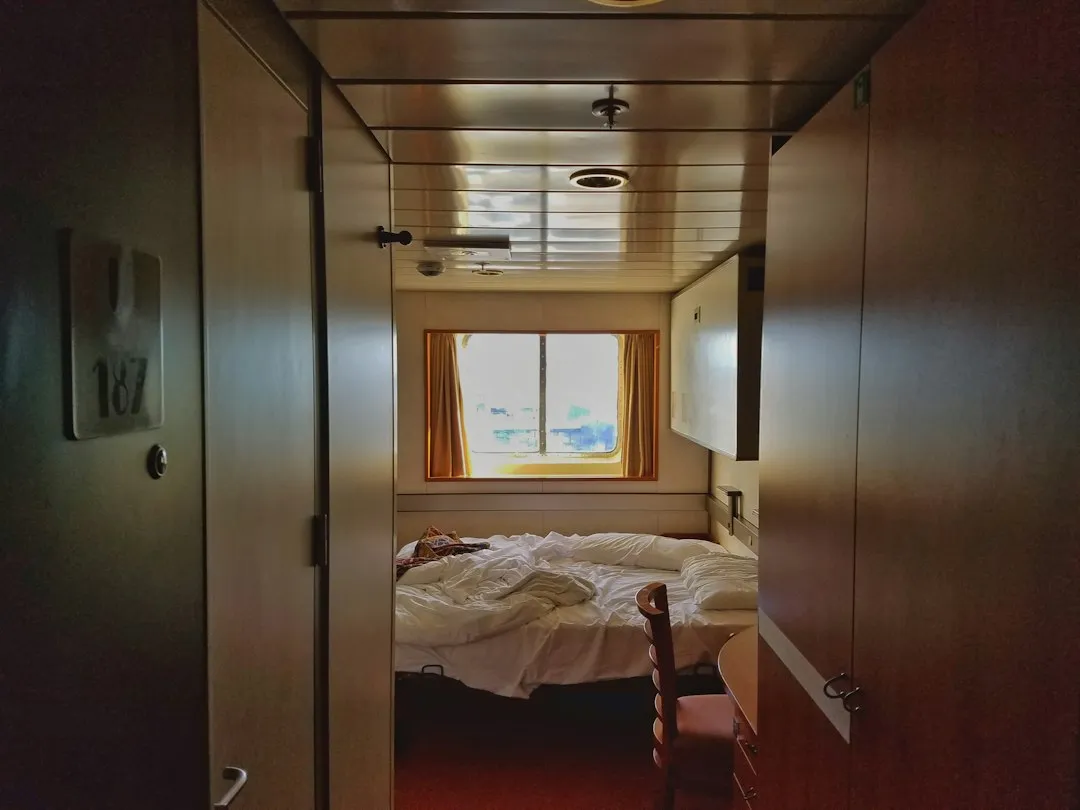
An overnight ferry can be one of the more pleasant ways to travel long distances. You board in the evening, the sea does the work while you sleep, and you arrive somewhere new in the morning without having spent money on a hotel. Done well, it is practical and even enjoyable. Done badly, with the wrong cabin category, a noisy corridor, or a rough crossing, it becomes a very long night.
On any crossing over about six hours, a cabin makes clear financial sense. It replaces a hotel night and arrives you able to drive, which on a long route is a safety consideration rather than a comfort one. That reframe changes the calculation immediately. You are not paying extra for luxury. You are paying to function the following day.
The Inside Cabin: Surprisingly Good Value for Most Travelers
Inside cabins are considered the value option across most overnight routes. You are asleep for the majority of the crossing, and the money saved against an outside cabin often covers dinner on board. The absence of a window matters far less at night than daytime instinct suggests.
A budget inside cabin typically offers two or four bunk beds, a private lock, and shared or private bathroom access depending on the ship. It is completely adequate for sleeping. You won’t see anything outside because there’s no window, but you’ll sleep just as well. For travelers primarily crossing to rest, it is a clean, logical choice.
The Outside Cabin: The One Worth the Upgrade
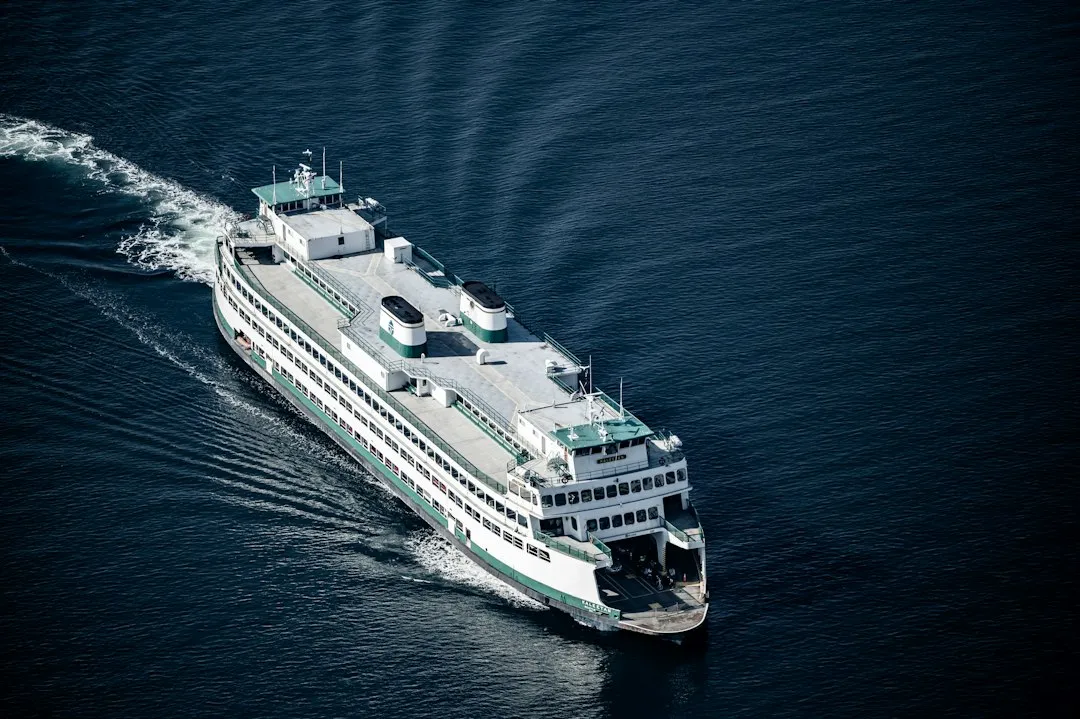
The sea-view cabin with a porthole or window has become the recommended default among experienced overnight ferry travelers. It is a modest step up in price, but the difference in experience is real. Waking up to see a coastal archipelago through a porthole while the ship threads between islands is one of those quiet travel moments that stays with you. The extra cost, typically around twenty to thirty euros per person, is widely considered worth it.
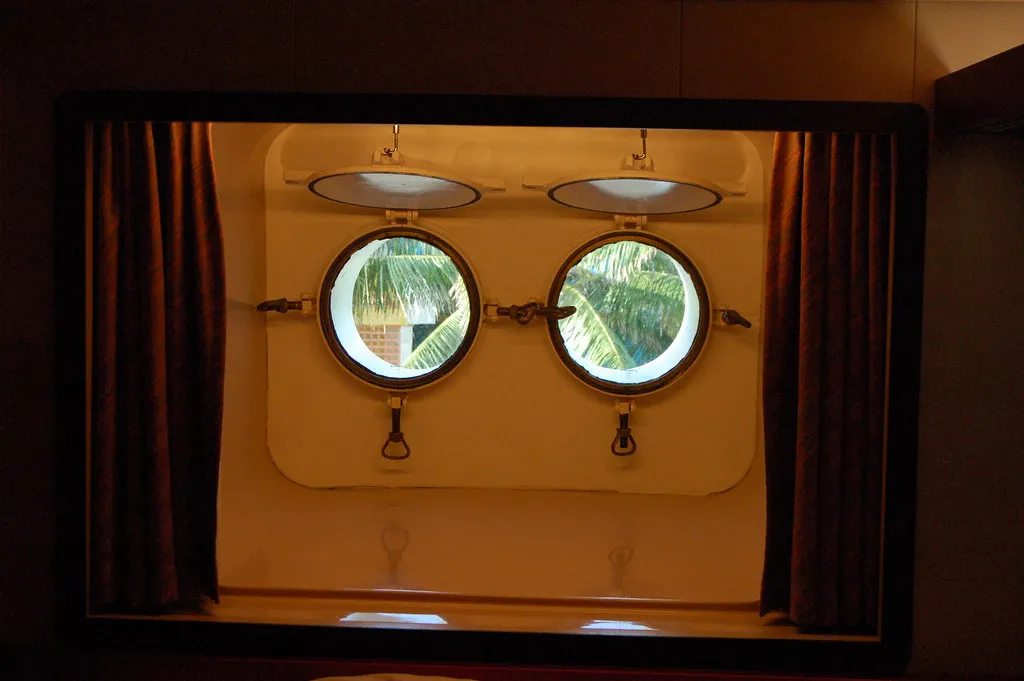
Outside cabins feature a porthole or window, offering natural light and views of the sea, which many passengers find a genuinely pleasant addition. They are generally slightly more expensive than inside cabins, but the psychological lift of waking up with light rather than darkness is real, especially on longer crossings where you might be awake before arrival.
Where on the Ship the Cabin Sits Matters as Much as the Grade

When a ship rocks in rough seas, the movement is most pronounced at the bow and stern. The midship area, roughly the center of the ship, experiences the least motion because it functions as the fulcrum point. If you are prone to seasickness or motion sensitivity, booking a midship cabin on a lower deck is the practical choice.
If you are prone to motion sickness, book a cabin amidships on a lower deck, as this is the most stable part of the vessel. Cabins on very low decks can sometimes carry more mechanical noise or vibration, particularly toward the aft of the ship. If you are sensitive to both motion and noise, a midship cabin around deck four to six may offer a good balance of stability, quiet, and comfort.
What Pursers and Crew Consistently Recommend

Among practical cabin tips shared by those familiar with overnight Baltic routes, booking a lower deck cabin is specifically recommended for anyone prone to seasickness, since the Baltic can be rough in autumn and winter and lower decks feel less motion. Cabin doors are thick, but corridors can get noisy in the first hour after boarding. Earplugs are recommended regardless of cabin type.
Checking the cabin number range on the booking form is also worthwhile. On Tallink Silja, for instance, cabins in the 8000 to 9000 range tend to sit amidships, which is calmer in rough weather than forward or aft positions. That kind of ship-specific knowledge is what distinguishes a well-rested crossing from a rough one.
Routes Where Cabin Quality Is Genuinely High
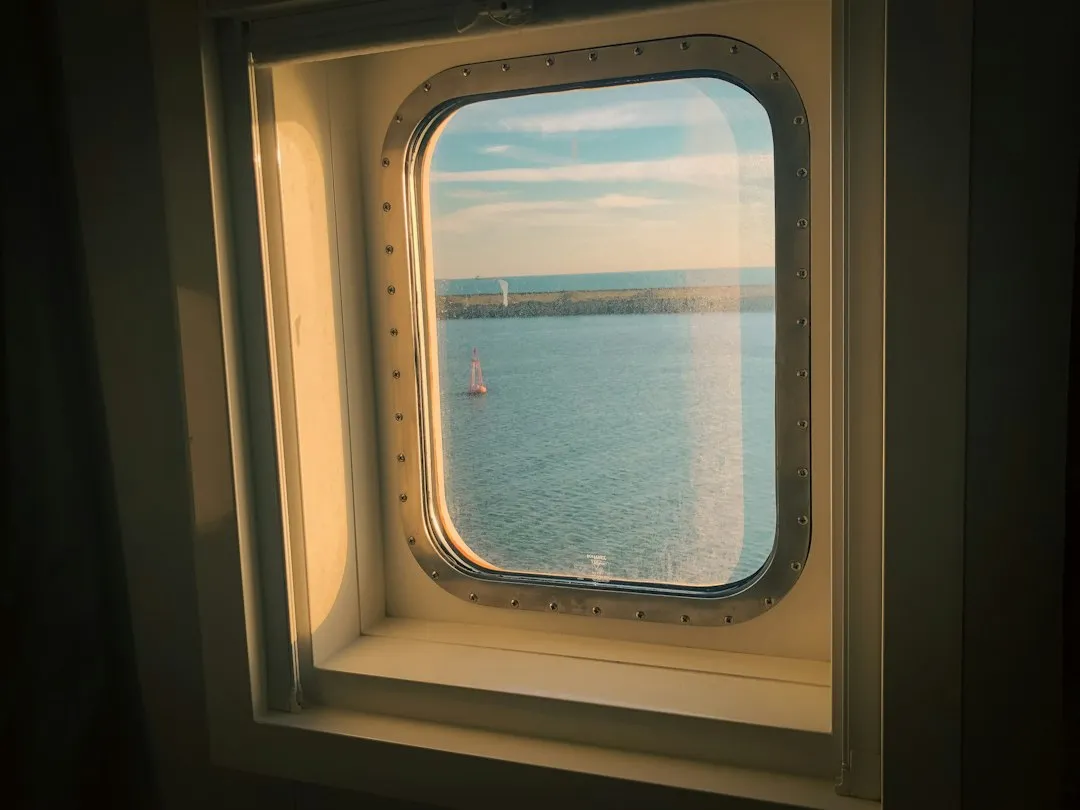
On routes like Stockholm to Helsinki, Copenhagen to Oslo, and the UK to Spain Brittany Ferries crossings, private cabin quality can be genuinely high. These are not ocean liners, but the better cabins are comfortable hotel-room equivalents. The investment in fleet quality on these routes reflects the fact that overnight travel is core to how passengers use the service, not an add-on.
Routes like Helsinki to Stockholm and Turku to Stockholm take between ten and fifteen hours, depart in the evening, and arrive by morning. Travelers can expect a private cabin, a large buffet, duty-free shopping, and generally smooth sailing on the Baltic. Budgeting from roughly forty to one hundred and twenty euros per person depending on cabin class and season is a reasonable guide.
Premium and Commodore Cabins: When They Justify the Cost
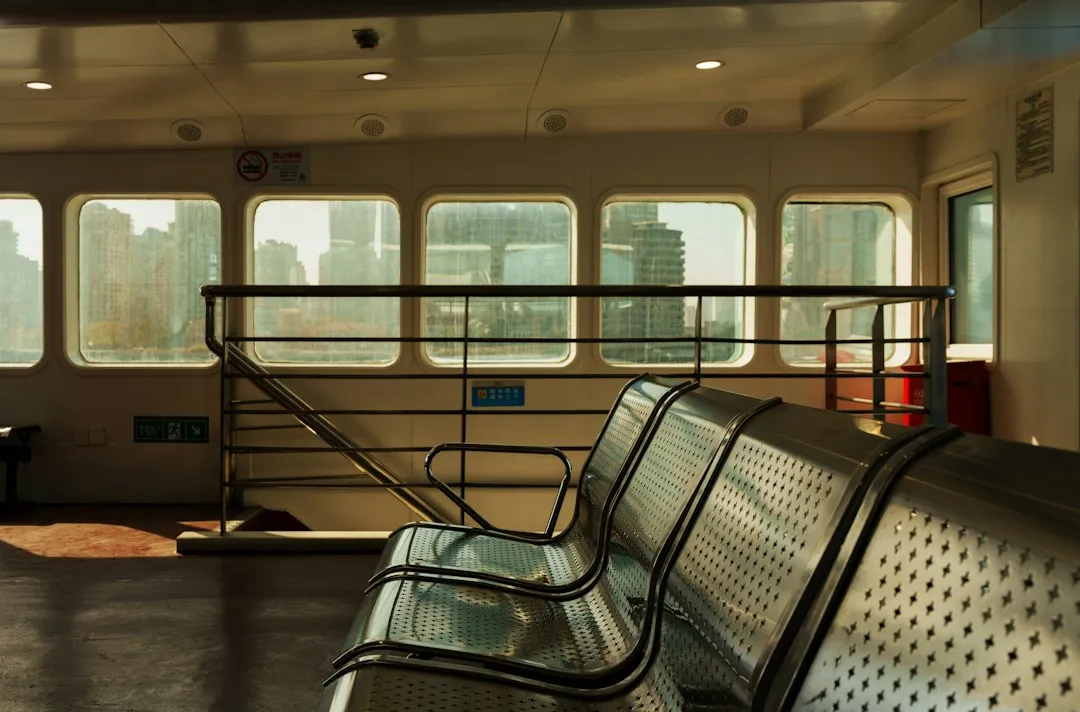
Cabin categories vary widely by operator. Some Baltic cruise ferries offer substantial commodore or commodore sea view categories with full double beds, bathrooms, and considerably more space than a standard inside berth. If you want guaranteed sleep and a degree of comfort, a private cabin is worth the premium, especially if there are two travelers splitting the cost.
On longer routes like Portsmouth to Santander or Plymouth to Santander, the Club or Commodore tier becomes worth considering when the comfort difference genuinely justifies the extra cost, particularly if the crossing forms part of the holiday experience itself rather than being purely transit. A thirty-hour Bay of Biscay crossing in a good cabin is a different trip entirely from the same route in a budget berth.
When Reclining Seats Are Acceptable and When They Are Not

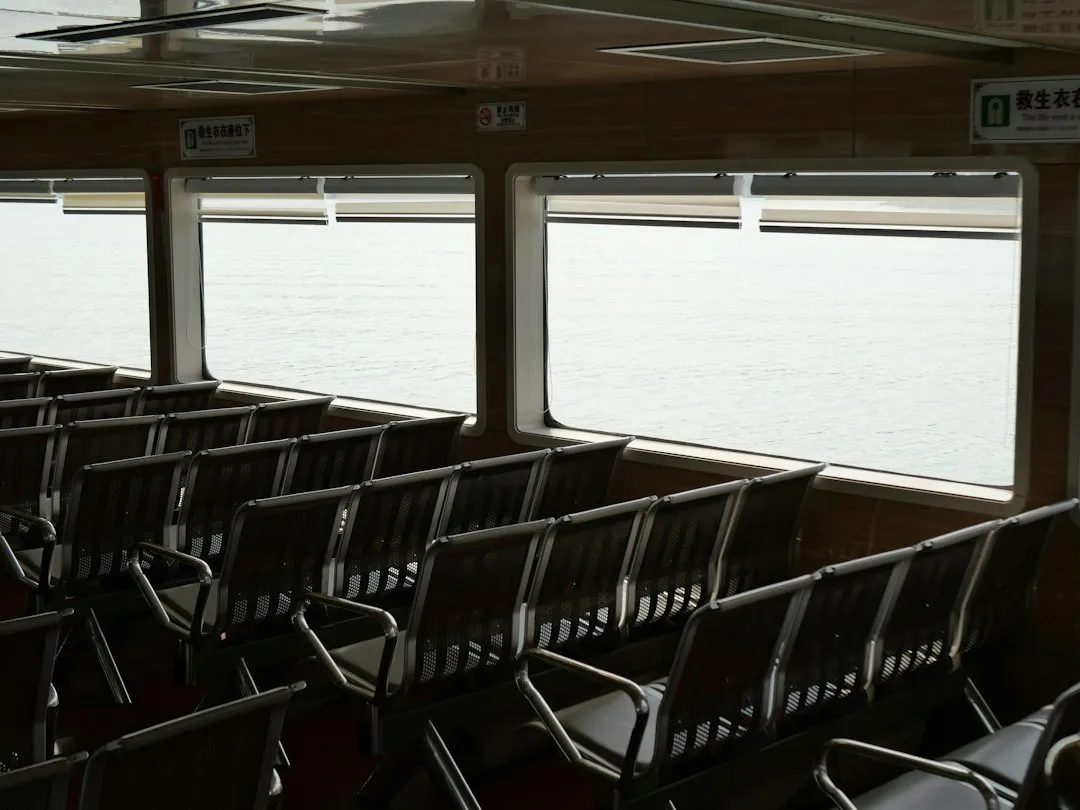
Whether reclining seats are worth booking depends heavily on the crossing length. On a short overnight they are workable. On a crossing over eight hours, most people arrive tired, and that matters significantly if driving at the other end. The math shifts quickly once you account for what tiredness costs in road safety and general functioning.
Deck passage and reclining seats represent the lowest tier, similar to long-haul economy aircraft seating but often with more legroom. On calm crossings and short nights, this is a reasonable budget option. Bringing a travel pillow, an eye mask, and earplugs helps considerably. On rougher crossings, or if you are a light sleeper, it is a gamble.
Book Early: Cabins Disappear Long Before the Sailing Fills
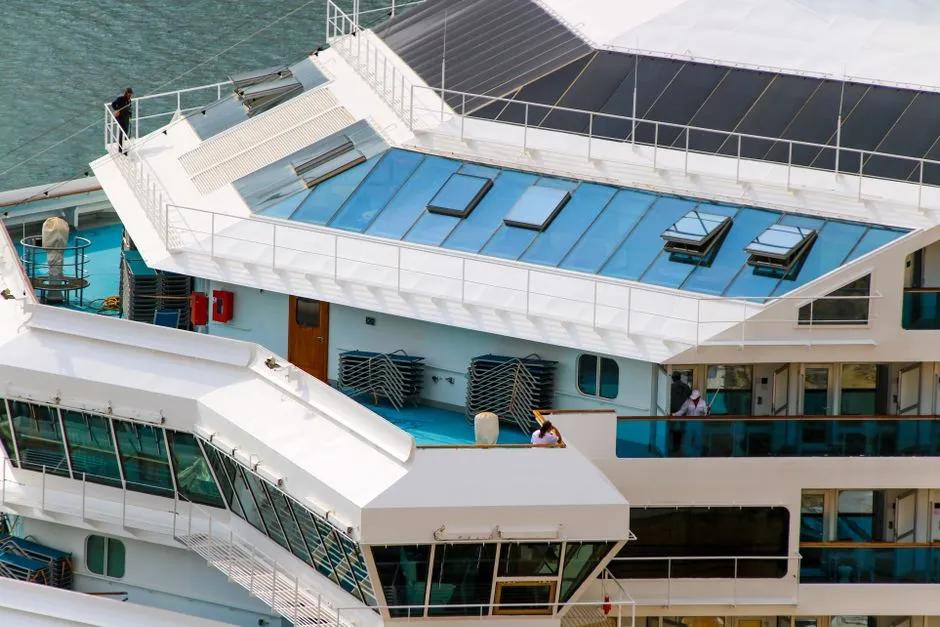
Cabins are the first thing to sell on a popular sailing, often weeks before the ship itself is full. Pet-friendly cabins and family cabins go first because there are fewest of them. Waiting until the crossing itself is confirmed before thinking about the cabin is a common mistake that leaves travelers with reclining chairs they did not want.
For summer sailings or holiday weekends on popular Nordic routes, booking at least three to four weeks ahead is advisable. Sea-view cabins in particular sell out first. The booking window for a good outside midship cabin on a Friday night Baltic sailing in July is genuinely short. Treat it like a hotel room in a busy city, not like an add-on you can sort later.
What to Pack That Most Travelers Forget

Essential items for overnight ferry travel include an eye mask and earplugs for corridor noise, a travel pillow and light blanket or sleeping bag liner if seated, flip-flops for shared bathrooms in couchette cabins, and everything you need from the car before boarding, since the vehicle deck becomes inaccessible once underway.
A private cabin offers privacy, a quiet space, and typically an en-suite bathroom, providing a much more comfortable and secure sleeping experience compared to recliner seats or deck access. The added cost often translates directly to arriving feeling refreshed. A power bank is also a practical addition since cabin plugs are not always positioned near the berth, and no one wants a dead phone at arrival port.
The Practical Checklist Before You Click Confirm
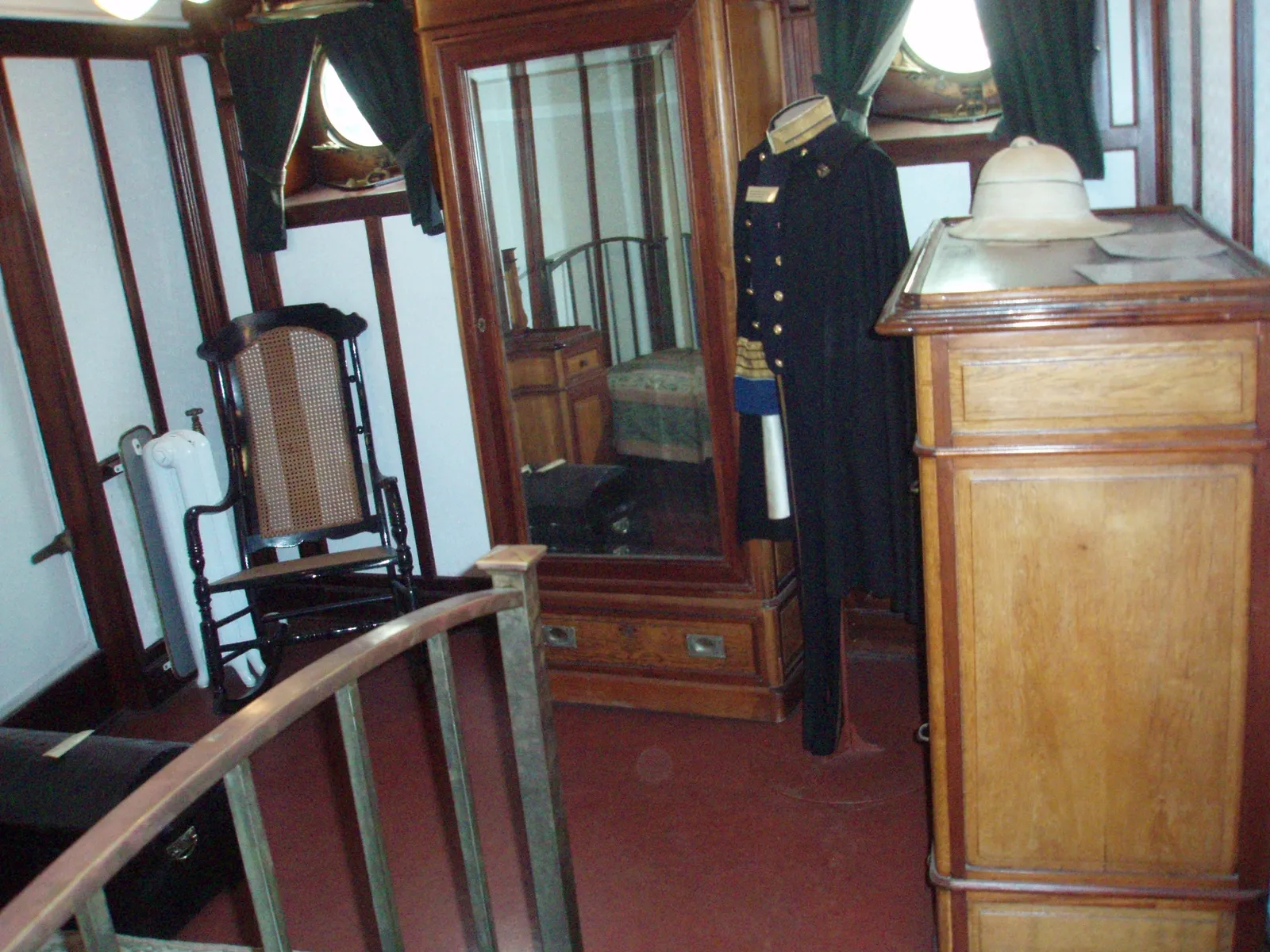
When booking a cabin for an overnight crossing, the consistent advice is to request one that is midship and on a lower deck. Cabins located very high up or at the extreme ends of the ship should be avoided if comfort during rough weather is a priority.
For travelers prone to seasickness, taking any relevant medication before departure rather than after symptoms begin is important. Choosing a cabin in the middle of the ship or on a lower deck also helps minimize motion during the crossing. Check the specific cabin number range for your vessel, verify whether an en-suite bathroom is included, and confirm the deck position before finalizing. Those three steps take two minutes and make a meaningful difference.
The Takeaway
AI Disclaimer: This article was created with the assistance of AI tools and reviewed by a human editor.