
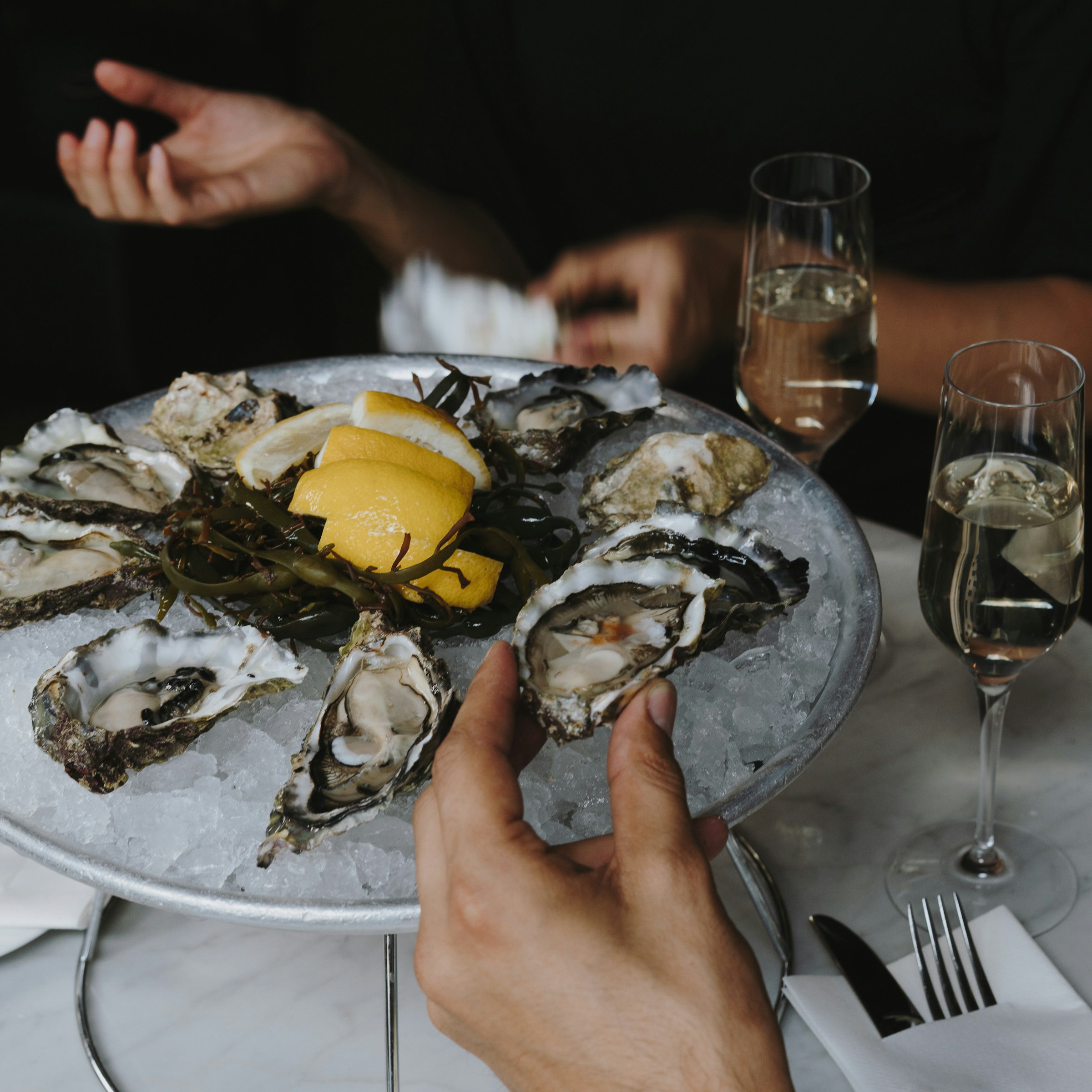

Pick up an oyster from the coast of Maine and another from a bay in the Gulf of Mexico, and you’d be forgiven for thinking they came from completely different planets. One is sharp, briny, and cold on the tongue. The other is soft, meaty, and almost mild. Yet they might be the same species, grown by two farmers using similar methods.
The explanation lies somewhere between biology, geography, and the particular chemistry of the water around each farm. Oyster farmers who spend years watching their harvests know this intimately. Scientists are now catching up with what the farmers have always observed firsthand.
The Concept of “Merroir” and Why It Matters
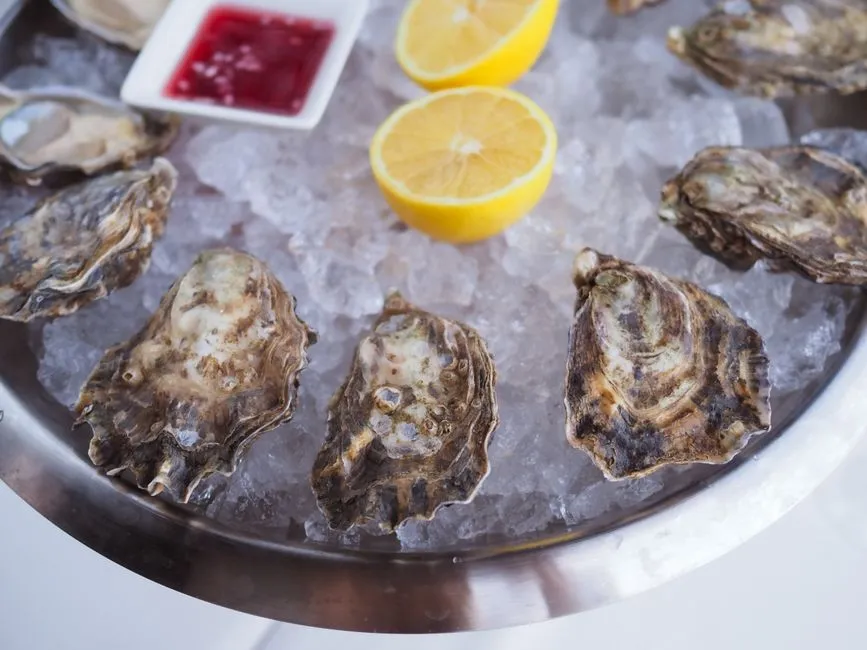
Merroir (pronounced “mer-WAHR”) is the marine version of terroir: the way an oyster’s growing water, including its salinity, temperature, tides, minerals, and the plankton it eats, shapes how it tastes. The word itself is borrowed from the French wine world, swapping “terre” (earth) for “mer” (sea).
Because oysters stay in one place and filter large volumes of water, the same species grown in two different bays can taste completely different. That single fact is the foundation of everything farmers and scientists understand about coastal flavor variation.
When applied to oysters, merroir accounts for the variations in flavor and texture that the same species grown in different bodies of water can exhibit. It’s a concept that has gained serious traction among chefs, food writers, and shellfish researchers over the past decade.
Salinity: The Most Immediate Influence on Taste
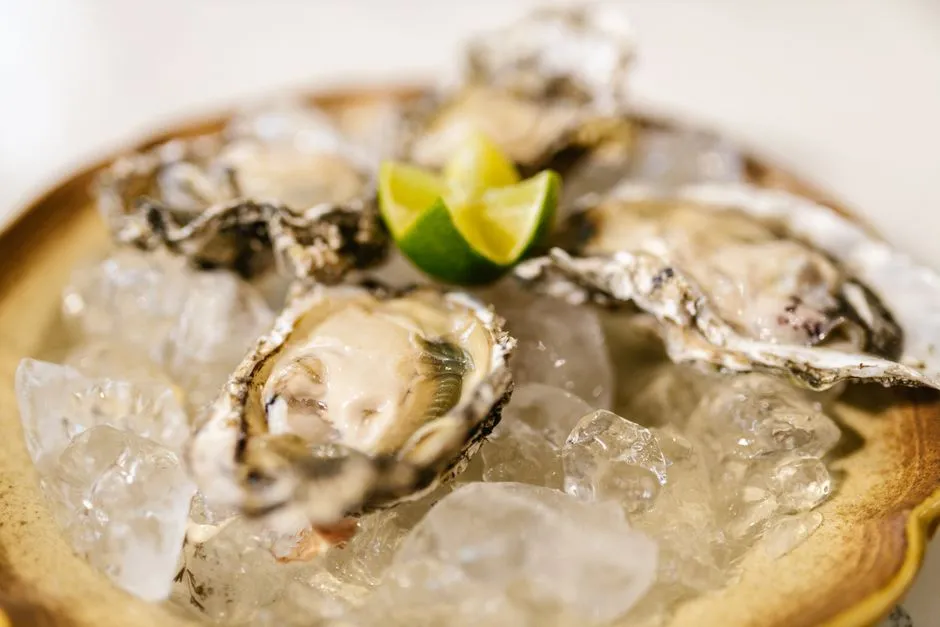
The saltiness of an oyster directly correlates with the salinity of the water it filters. High-salinity waters, like those of the Atlantic coast, produce brinier oysters, while lower-salinity environments, such as river estuaries, yield sweeter, milder flavors.
Waters close to the open ocean or in coastal inlets with strong tidal exchange, typically measuring between 25 and 35 parts per thousand (ppt), tend to produce oysters with pronounced briny, salty characteristics that deliver a classic “taste of the sea” experience, assertive, mineral-forward, with flavors reminiscent of seaweed and ocean spray.
Oysters from estuaries, bays, and brackish waters where rivers meet the sea, usually measuring between 10 and 15 ppt, typically develop sweeter, milder profiles with less aggressive salt punch. These oysters often surprise first-timers who expect overwhelming brininess.
Filter Feeding: You Are What You Eat, and So Is the Oyster
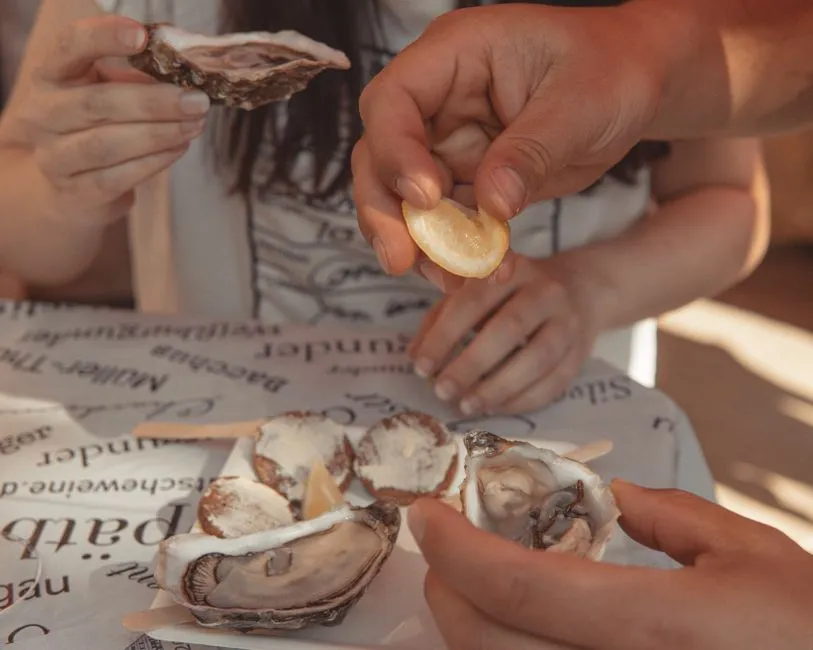
All oysters are filter feeders and, as a result, they will taste like what they eat. This is not a metaphor. It is a direct, measurable consequence of how the animal survives.
An oyster filters up to 50 gallons of water a day. Everything dissolved in that water, from microscopic algae to mineral sediment, passes through the animal and leaves its mark on the finished flavor.
Oysters are filter feeders, meaning their diet comes from whatever microscopic life is in the water. Different algae species contribute to flavor nuances, giving some oysters a cucumber-like freshness, a buttery sweetness, or even a nutty undertone.
East Coast vs. West Coast: A Tale of Two Flavor Profiles
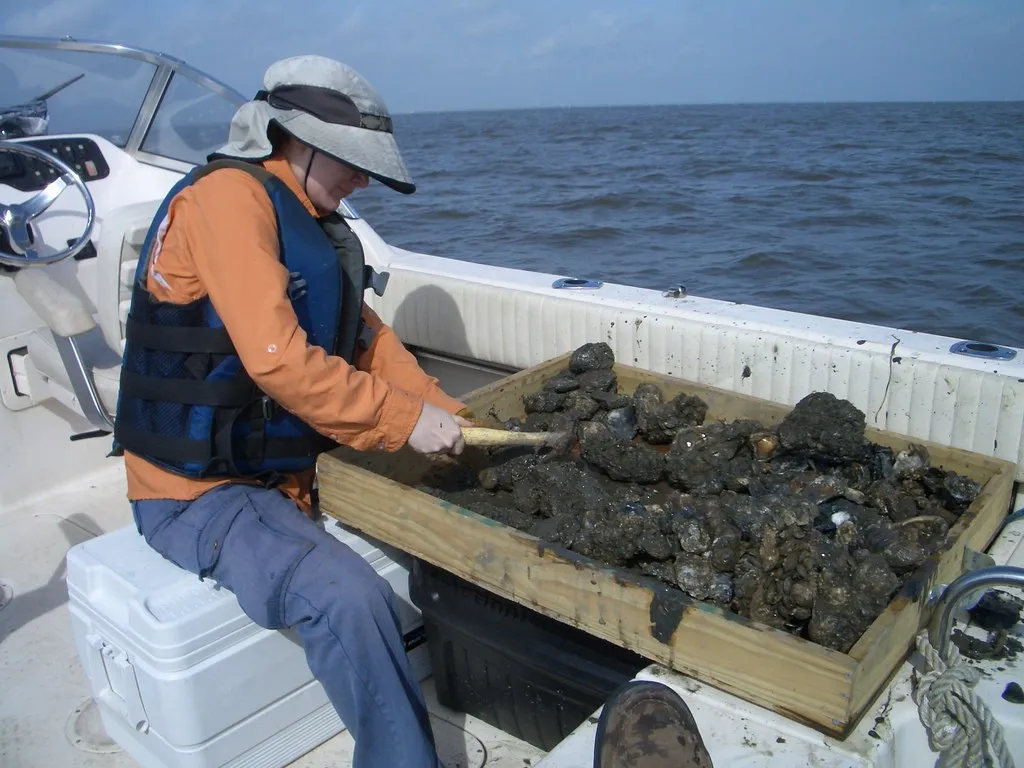
Cold Atlantic waters lend crisp, sweet flavors to East Coast oysters, whereas Pacific West Coast bivalves tend toward intensity with notes of cucumber and fish. The difference is not subtle. Side by side, they feel like entirely separate foods.
Texturally, the two coasts also diverge significantly. East Coast oysters are usually firm to silky compared to the creamy, custard-like consistency found with catches from the West Coast.
Cold, nutrient-rich Pacific water, consistent plankton availability, and the specific temperatures of Puget Sound and Tomales Bay produce the high glycogen content that translates to sweetness and creaminess on the palate. Kumamotos taste of butter and cucumber and mild brine rather than the assertive salinity of their Atlantic counterparts, which is a direct consequence of the Pacific water they filter rather than a stylistic choice made by the farmer.
The Gulf Coast: A Flavor Profile All Its Own
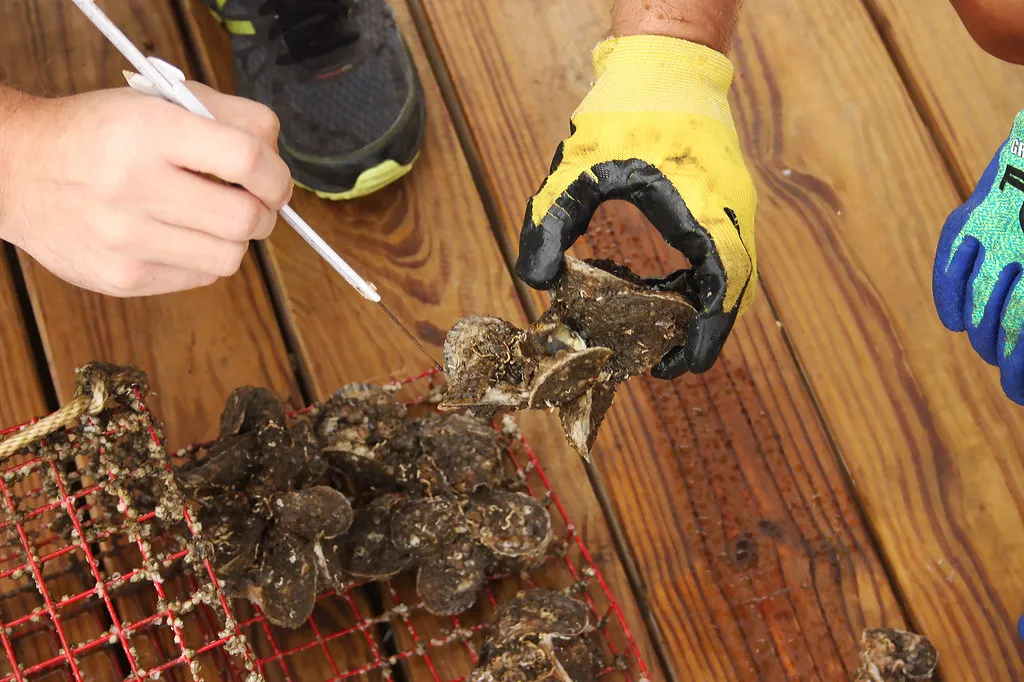
The Gulf Coast produces oysters that confuse people who expect the Atlantic or Pacific flavor profile, larger, softer, with lower perceived salinity and a fuller, meatier texture that reflects the warmer, more productive waters of the Gulf of Mexico.
Briny oysters are a product of filtering salty water and usually come from the ocean or areas with high salinity. Sweeter-tasting oysters are usually produced in bays and creeks. The mix of salt and fresh water in these areas gives these oysters a sweet finish when eaten.
NOAA has documented oyster farmers describing seasonal shifts in flavor. One Texas grower, for example, described his oysters as sweeter and more buttery in summer and saltier with a seagrass character in fall. The Gulf, with its warm, shallow waters and heavy river influence, creates conditions that simply don’t exist anywhere else on the continent.
How the Seabed Shapes the Shell and the Flavor Inside
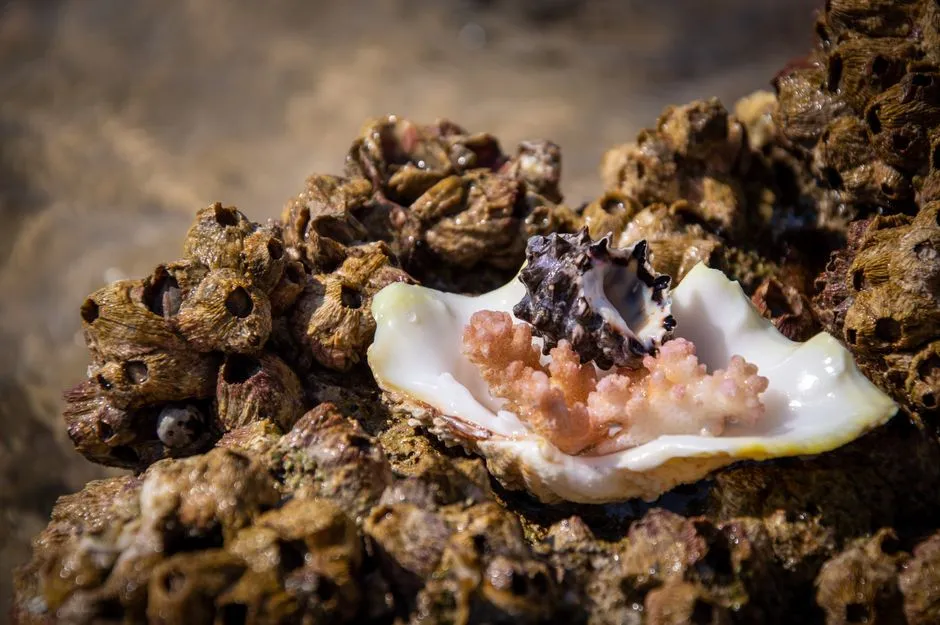
The seabed composition, whether it’s rocky, sandy, or muddy, affects an oyster’s taste. Oysters from waters with high calcium content may develop firmer shells and a cleaner, crisper flavor.
Rocky beds add metallic notes, sandy bottoms create mild sweetness, and peaty waters give smoky flavors. Farmers along the Pacific Northwest have noted for years that the specific geology beneath their leases shapes not just shell strength but the entire character of the meat.
Since bottom-cultured oysters grow directly on the seabed, they absorb minerals and nutrients from the ocean floor, resulting in complex and robust flavors. These oysters often have stronger brininess due to prolonged exposure to tides, along with richer mineral notes from seabed interaction.
Tidal Flow and Currents: How Water Movement Builds Flavor
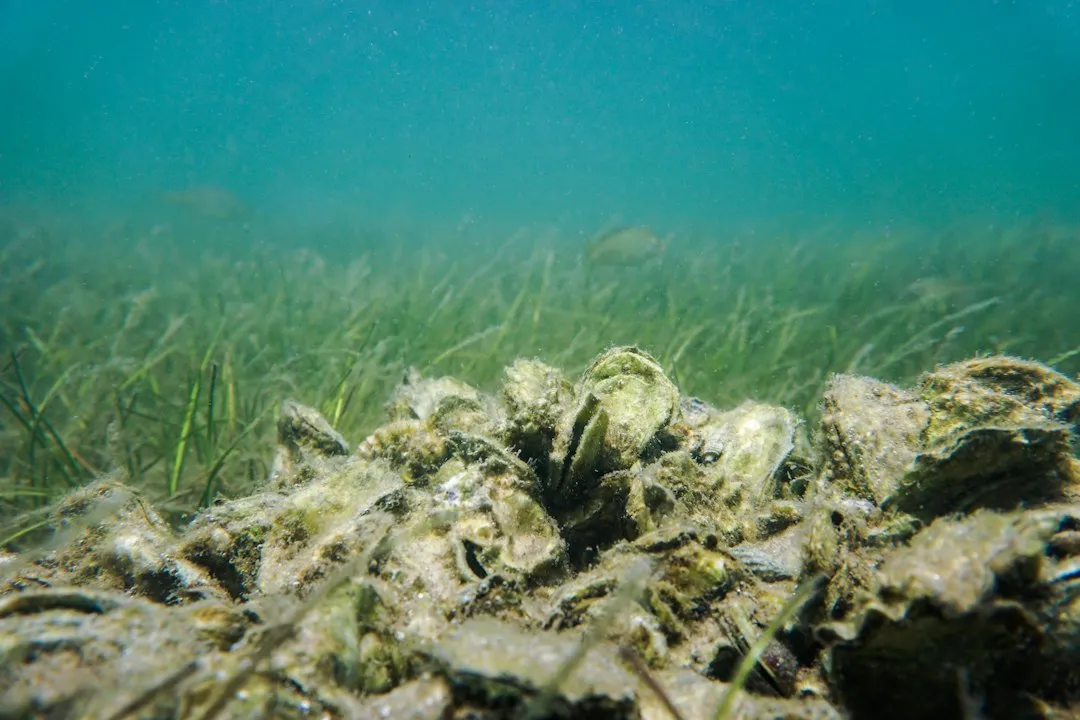
The strength of water currents affects an oyster’s muscle development. Oysters in strong tidal areas often have firmer, meatier textures, while those in calmer waters tend to be plumper and softer.
Strong tides constantly wash fresh nutrients over the oysters, keeping them well fed and often giving them a fuller, more complex flavor. Calmer waters can produce a gentler, more delicate taste. The oyster, in a sense, trains against the current just as an athlete does.
It goes deeper than coasts, too. Even within a single region, location changes everything. Two farms just a few miles apart within the same estuary can produce measurably different oysters if one sits in a stronger tidal channel than the other.
Seasonality: How the Same Oyster Changes Through the Year
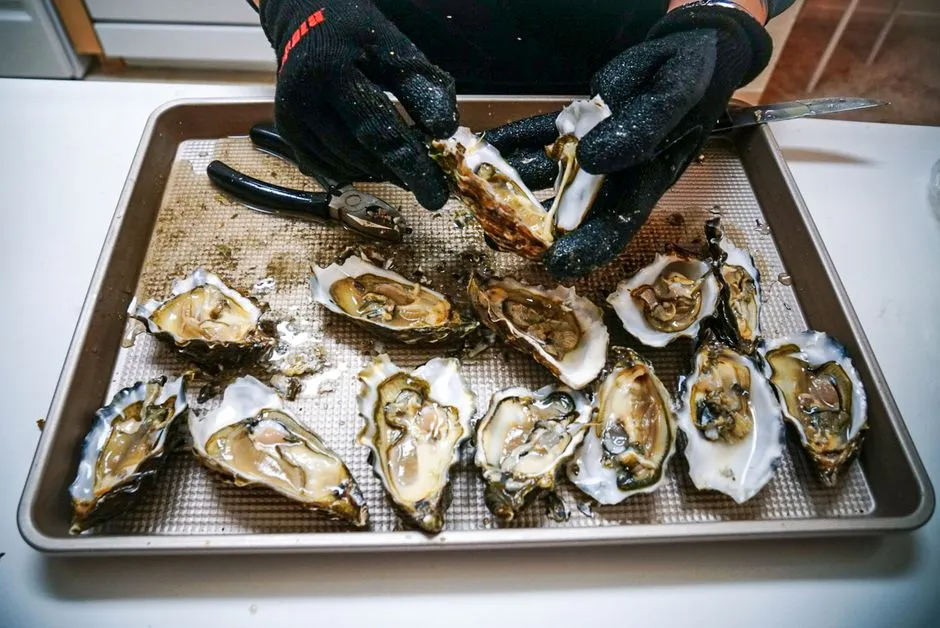
The concept of merroir gets even more fascinating when you factor in the seasons. In Virginia, the flavor of oysters evolves throughout the year due to shifts in water temperature, salinity, and algae availability.
Warmer waters can encourage faster growth, affecting texture. Oysters harvested in colder months tend to be firmer and more flavorful, as they store more glycogen, which gives them a sweet, rich taste.
Freshwater runoff in spring reduces salinity, creating milder, slightly vegetal flavors. Phytoplankton blooms provide more nutrients, affecting both taste and texture. A farmer harvesting from the exact same lease in December and again in June is effectively selling two different products, and the honest ones will tell you so.
How Farming Method Shapes Flavor From the Outside In
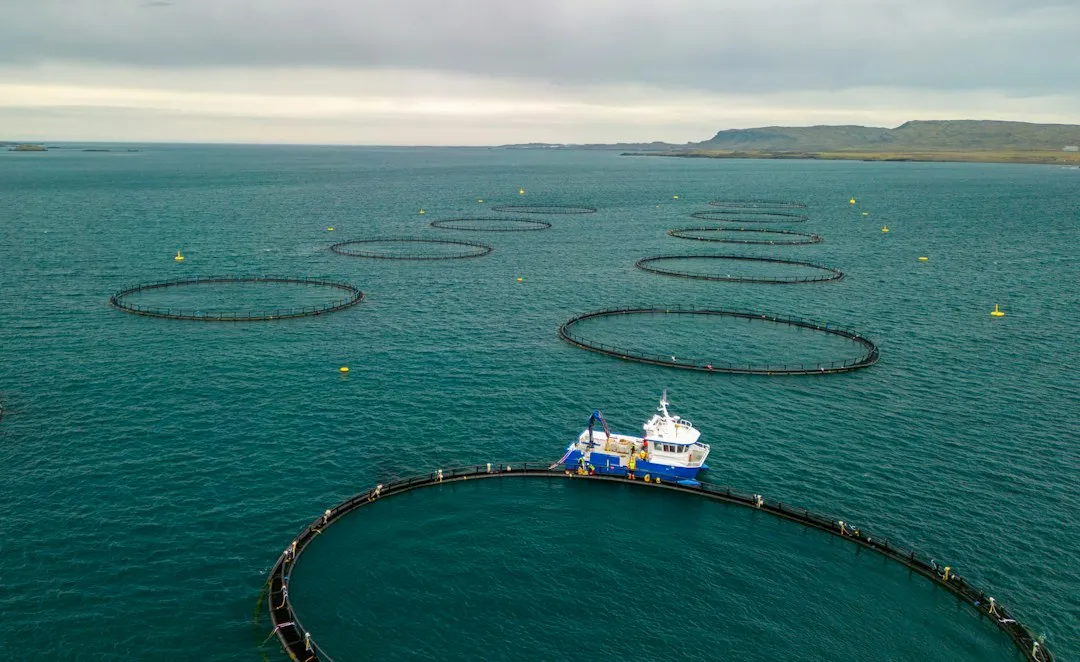
There are four main techniques for raising oysters in North America: beach or bottom culture, rack and bag culture, longline culture, and suspended tray or lantern culture. Each method imparts different qualities to the oyster’s flavor profile, texture, and shell characteristics.
Oysters from bottom-culture methods develop thicker, more durable shells due to the rugged environment. The continuous motion helps shape their shells into deep cups and results in firmer, denser meat. These oysters often have a bolder, saltier flavor because of their close contact with natural minerals.
Off-bottom cultivation suspends oysters above the seabed using systems like racks, bags, cages, or trays. This approach typically produces oysters with cleaner, more uniform shells and softer, creamier meat. Since they don’t interact directly with sediment, these oysters develop with little to no grit.
The Species Factor: Genetics Beneath the Merroir
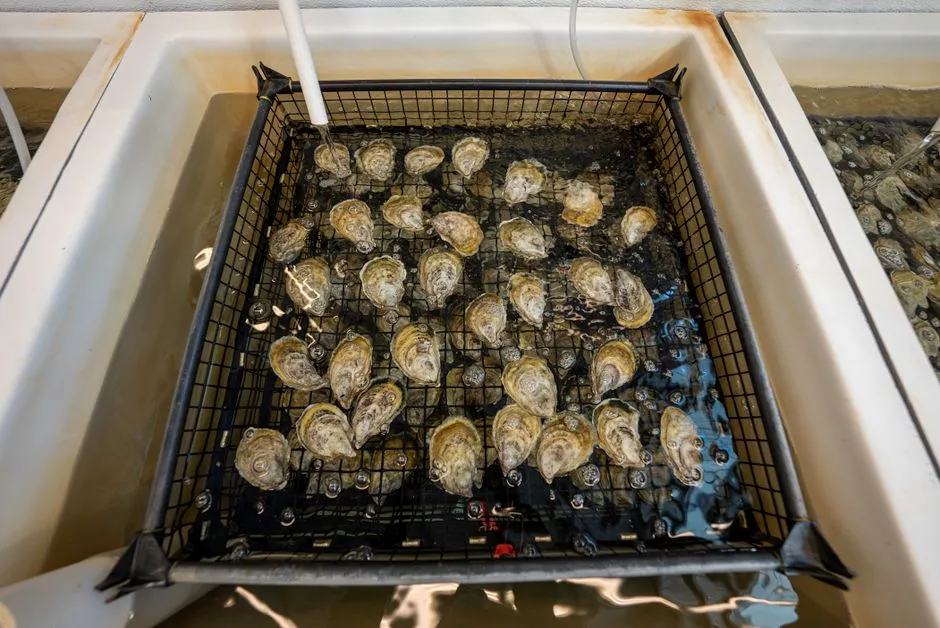
The West Coast primarily harvests Crassostrea gigas, Pacific Oysters originally introduced from Japan. While they share a family tree with Atlantic species, their DNA results in wildly different experiences on the half-shell.
While oyster varieties number in the thousands, only five species are commercially cultured and harvested in the United States. The genetic starting point matters, but merroir then layers complexity on top of whatever the species brings to the table naturally.
The Olympia oyster, Ostrea lurida, the only oyster native to the West Coast, was nearly wiped out by the industrial pollution of the early twentieth century and is now being slowly restored through specific aquaculture programs in Washington’s Puget Sound. Its return is a meaningful story for both conservation and flavor diversity on the American table.
What the US Oyster Industry Is Learning Right Now
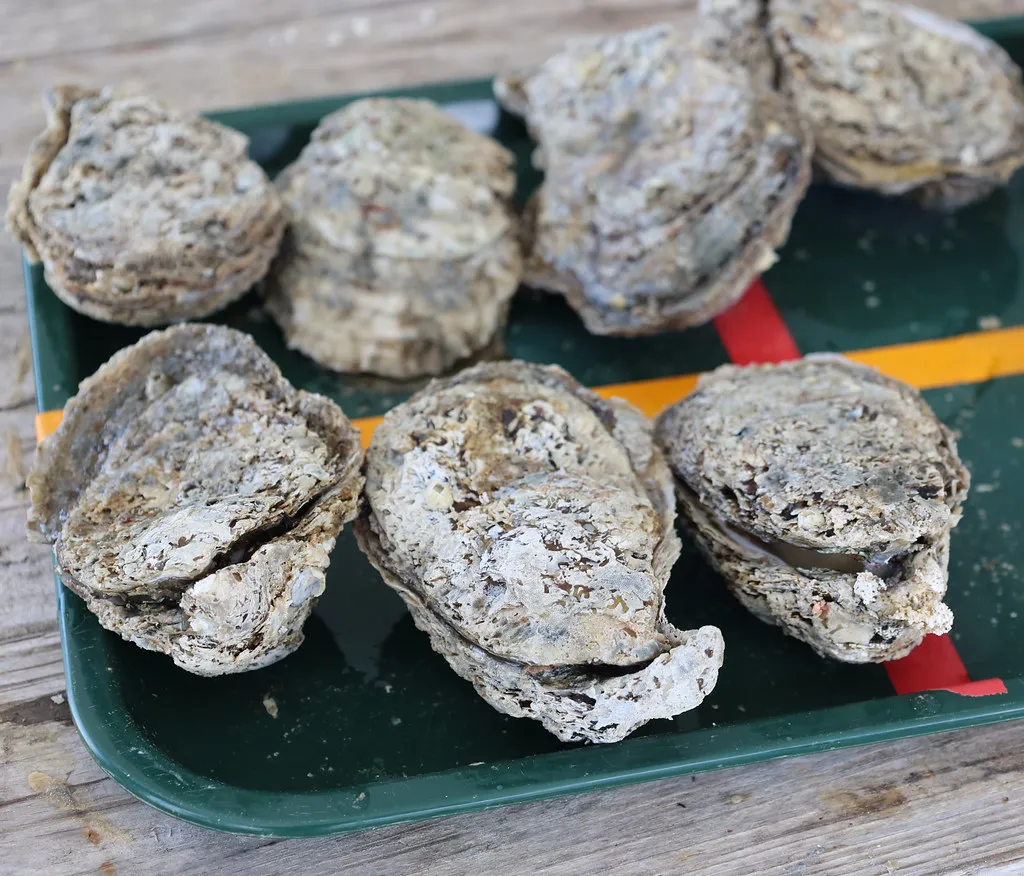
The oyster aquaculture industry is steadily growing in the United States, principally driven by the rise of small farms. With an increasingly crowded marketplace, farmers are searching for methods to diversify their crops and remain competitive.
In 2024, the Northeast Fisheries Science Center’s Milford Lab and the U.S. Department of Agriculture’s Agricultural Research Service launched a state-of-the-art Northeast Oyster Breeding Center. The investment reflects how seriously researchers now take the link between genetics, environment, and the commercial value of flavor.
Enhancing oyster liquor in wet storage while preserving the water’s signature flavor, or merroir, is one way to create a new product line and differentiate crops, especially with oysters grown in low-salinity environments. The science of flavor, in other words, is becoming as commercially important as the science of yield.
The Takeaway
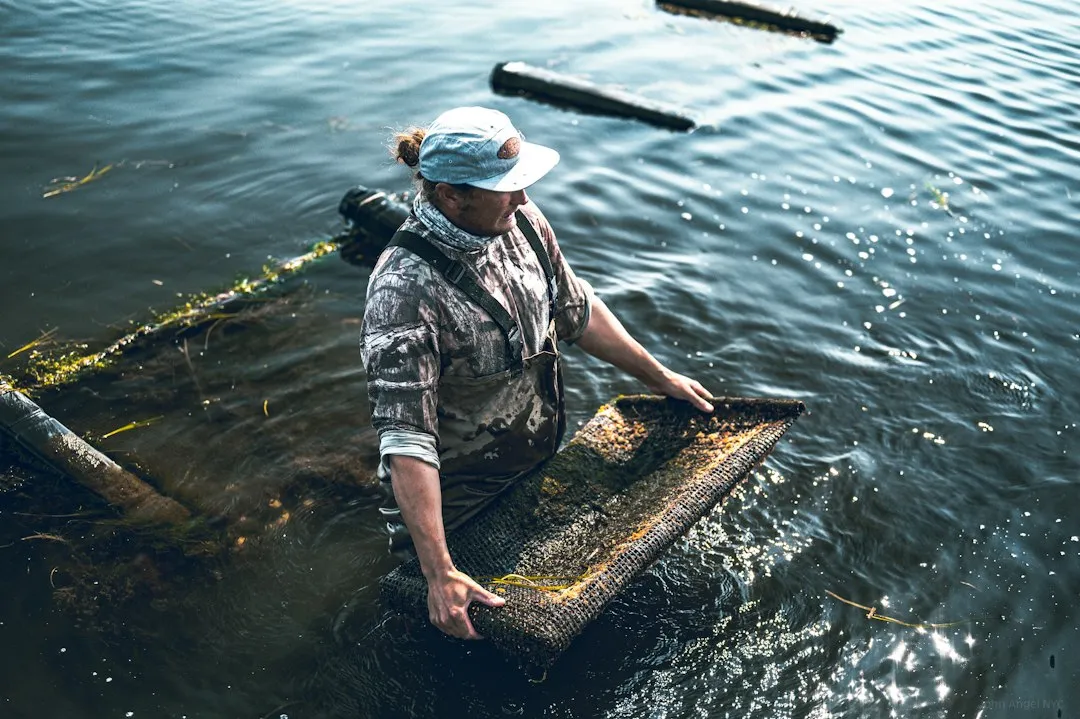
Every oyster is a small, edible record of the water it came from. Salinity, seabed geology, tidal strength, seasonal temperature swings, the microscopic algae drifting past on any given tide: all of it ends up on the half-shell in front of you.
Oyster farmers along every stretch of coastline already know this, even if they describe it in plain, practical terms rather than scientific ones. The water tells the story. The oyster just delivers it.
For anyone drawn to responsible food sourcing, that connection between place and plate is worth paying attention to. Understanding where an oyster was raised, and how, is one of the most direct ways to appreciate what a particular stretch of coast actually tastes like.
AI Disclaimer: This article was created with the assistance of AI tools and reviewed by a human editor.