
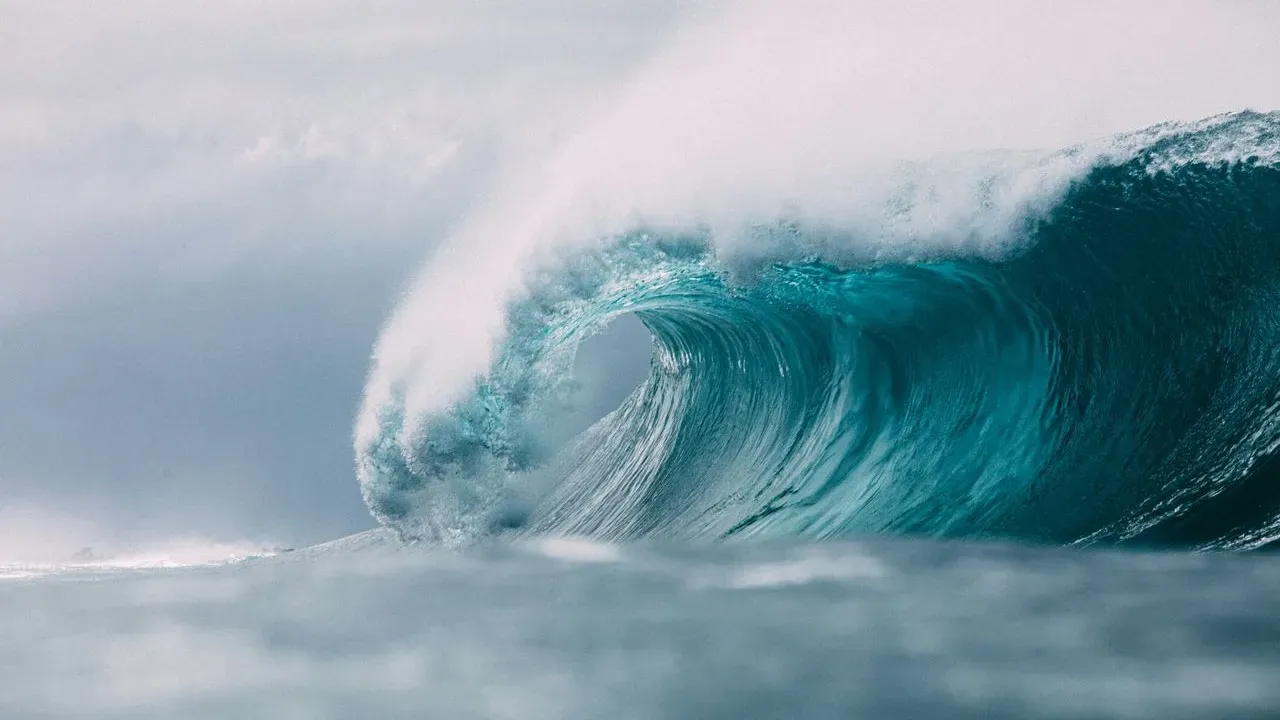

Large swells rolled into California’s coastline over the weekend, sending breakers against piers in both the southern and northern parts of the state. Forecasters warned of dangerous surf and possible coastal flooding, and dramatic video captured powerful swells crashing near piers as the threat spread along the shoreline. For travelers who want to see the Pacific at its most forceful, the moment is a striking one, and it also calls for care. ([1])
Walls of whitewater at Ventura and Pacifica
Video recorded Sunday morning shows enormous waves breaking near the Ventura Pier and Surfers Point, sending walls of whitewater toward shore as lifeguards stood watch. The footage points to the scale of the swell, and the presence of lifeguards on the sand reflects how quickly conditions can change along an exposed stretch of coast.
Farther north, waves estimated at 30 to 50 feet slammed into the Pacifica Pier near San Francisco on Sunday, according to Traffic News Los Angeles. Those figures are estimates reported by a secondary outlet, so they are best read as an indication of how violent the surf became rather than as official measurements.
Closures and a forecast that stays high
The Ventura Pier was among several Southern California piers that shut down during the high surf. The city of Ventura said the closure was a precautionary measure to protect public safety during hazardous ocean conditions. Reports differ on how long it will last. The Ventura Police Department said the pier was not expected to reopen until 3 p.m. Tuesday, while CBS Los Angeles reported that the closure continues through Thursday, Nov. 19 at 5 p.m. Visitors should confirm the current status with the city before making plans.
Forecasts for the coming days remained demanding. Waves are forecast to reach 10 to 14 feet on Saturday, and 8 to 12 feet on Sunday. Coastal flooding is the larger concern for low-lying communities, since beach parking lots, bike paths and harbor walkways could experience flooding, while moderate to significant beach erosion is possible. Officials are also working on protection. The city of Ventura said a temporary protective sand berm would be built along a vulnerable stretch of coastline to help safeguard beachfront neighborhoods and public infrastructure.
The swells arrive at a time when the coast is already under pressure. Ventura’s work comes in anticipation of high surf, El Niño-related winter storms, and upcoming king tides. Residents who live near the water have seen this kind of event before. In late December 2023, bulldozers built sand berms in Ventura to protect beachfront homes in one of California’s coastal cities hit hard by a powerful Pacific swell.
How to experience the surf without putting yourself at risk
The most meaningful way to appreciate this kind of ocean is from a distance that respects its power. A few practical habits make that easier:
- Check the National Weather Service high surf advisories and local forecasts before heading to the coast.
- Watch from the sand, well back from the water’s edge, and stay off jetties, rocks, and the piers themselves.
- Respect closure signs and follow any instructions from lifeguards, even when the water looks calm.
- Avoid the water near storm drains, creeks, and river mouths after rain, when potentially elevated bacteria levels are a concern.
Officials have also urged the public to remain out of the water and avoid piers, jetties and other exposed coastal infrastructure during the most dangerous conditions. Boaters face their own risks, since breaking waves at harbor entrances can be dangerous, and the forecast points to the risk of vessels capsizing at places such as Ventura Harbor.
Watch the Pacific from the shore, heed the closures, and give crews, lifeguards, and coastal residents the space they need during a dangerous swell.
A reminder of what the coast asks of visitors
For the people who live along these beaches, a swell like this is not only a spectacle. It can mean closed parking lots, flooded bike paths, and neighbors who spend long hours preparing sandbags and berms. Travelers who choose to stay back, follow posted guidance, and support local businesses once conditions ease are helping those communities through a demanding stretch of weather.
The ocean will keep reshaping this coastline, and the piers that stand along it are a reminder of how closely California’s towns live with the water. Forecasts for the days ahead suggest the surf will remain significant, so the most rewarding approach may be the simplest one: watch from a safe place, learn from the people who know these waters, and wait for the sea to settle before stepping closer.
AI Disclaimer: This article was created with the assistance of AI tools and reviewed by a human editor.