
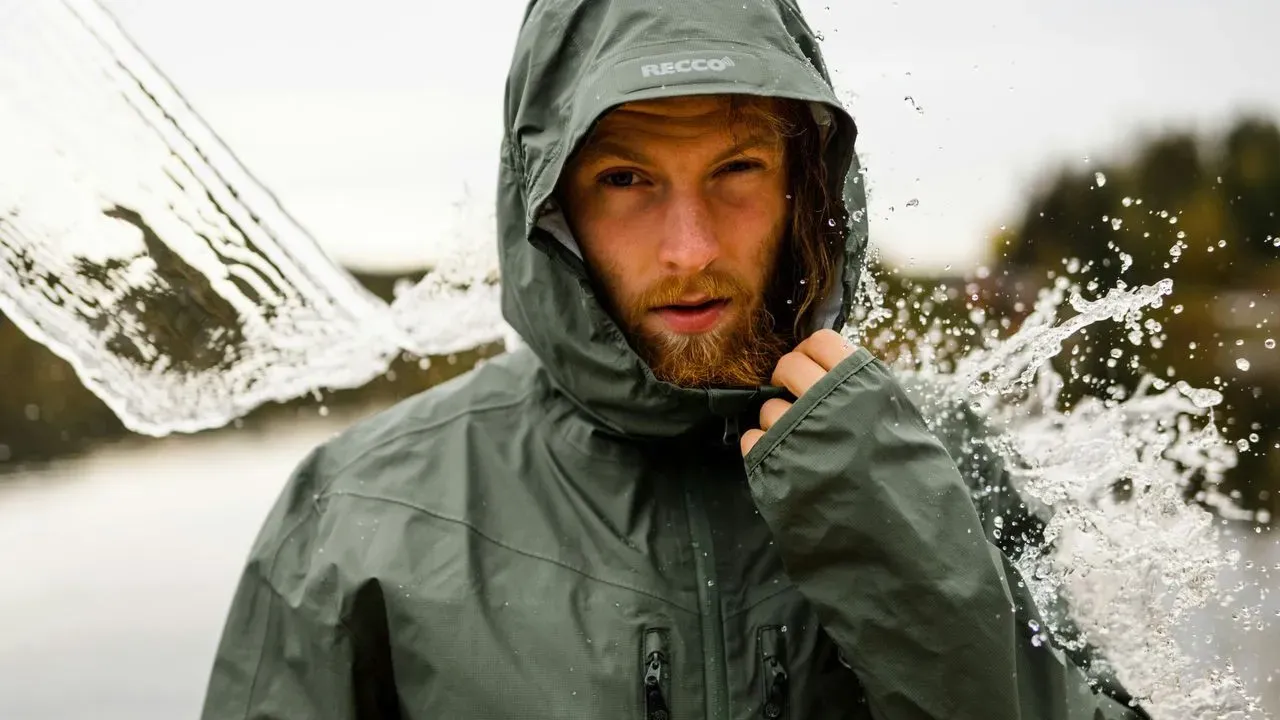

A rain shell that folds into a daypack is only useful if it still performs after a long trip and several seasons of use. The author of the original piece, a professional travel photographer working since 2010, has spent years waiting out showers for the right light, and has lived in Edinburgh and driven Iceland’s ring road in June. Those experiences shape a question many travelers now ask before buying: what happens when the jacket wears out? That question is ruling out more gear than it used to, and it is worth a closer look. ([1])
Why repair matters as much as the first purchase
On a trip, a jacket often takes more abuse than it does at home. It gets stuffed into a bag, snagged on a rucksack strap, and dried over a radiator in a guesthouse. Small tears and failing zippers can turn an easy purchase into a costly replacement, and the cheapest option at checkout is not always the least expensive over time. Repairability has become a practical factor for travelers who want their gear to last, not just a bonus feature.
Several outdoor companies now run programs designed to keep gear in use. The question for shoppers is less about whether a brand offers any repair service and more about how far that service reaches.
Brands with repair programs to know about
Patagonia is one of the best-known examples. Its Worn Wear program offers repair guides, in-store repair, and mail-in service, and its customers can request free patch kits for small holes and tears. ([2])The company operates one of the largest repair centers in North America, fixing tens of thousands of items each year.
Arc’teryx has built its own repair channel. The company has credited its ReBird program with saving more than 30,000 kilograms of carbon in a single year. ([3])Independent repair shops also report that Arc’teryx shells are among the most-repaired jackets they handle, which suggests that owners are actively keeping these jackets in service. ([4])
Other brands take a similar approach. Here is a short list of programs that cover jackets and outerwear:
- Mountain Hardwear runs a Repair Over Replace program, aimed at fixing gear whenever that is possible.
- Fjällräven offers repairs at its flagship stores and through a mail-in service for customers who live far from a shop.
- Rab operates an in-house Repair and Care program that covers patching, seam work, and zipper replacement for salvageable gear.
- Cotopaxi’s Guaranteed for Good program covers manufacturing defects over the life of a product and offers repairs for damage outside warranty.
Each program has its own scope, so the details matter more than the slogan. Some are free, some are charged by the repair, and some apply only to certain product lines.
Reading the fine print before you travel
Repair coverage is not uniform across the industry, and terms can change. Buyers should check which version of a policy applies to the specific jacket, whether the warranty or a separate service governs the repair, and how to ship the garment before a trip.
Independent repair shops can also help, particularly for waterproof garments. Rainy Pass, a repair business that has worked on outdoor gear since 1986, describes itself as an authorized GORE-TEX repair service. It says every patch and zipper replacement on a waterproof garment is seam sealed to preserve performance. When a jacket is beyond repair, the same shop says it can route the fabric through a recycling program rather than a landfill. ([5])
Before sending a jacket in, check the brand’s current repair terms, keep the original receipt, and ask whether a repair or replacement is the better option for the garment’s age and condition.
A jacket that lasts is a quieter kind of travel gear
A good rain shell rarely draws attention. It sits in a bag until a cold drizzle arrives on a mountain road or a damp harbor walk, and then it does its job. Choosing one that can be mended, and buying from a company that will stand behind that promise, reflects the same care many travelers bring to the places they visit.
For anyone who has stood in a wet field waiting for a sky to clear, a jacket that keeps going season after season is a small but meaningful kind of responsible travel.
AI Disclaimer: This article was created with the assistance of AI tools and reviewed by a human editor.