
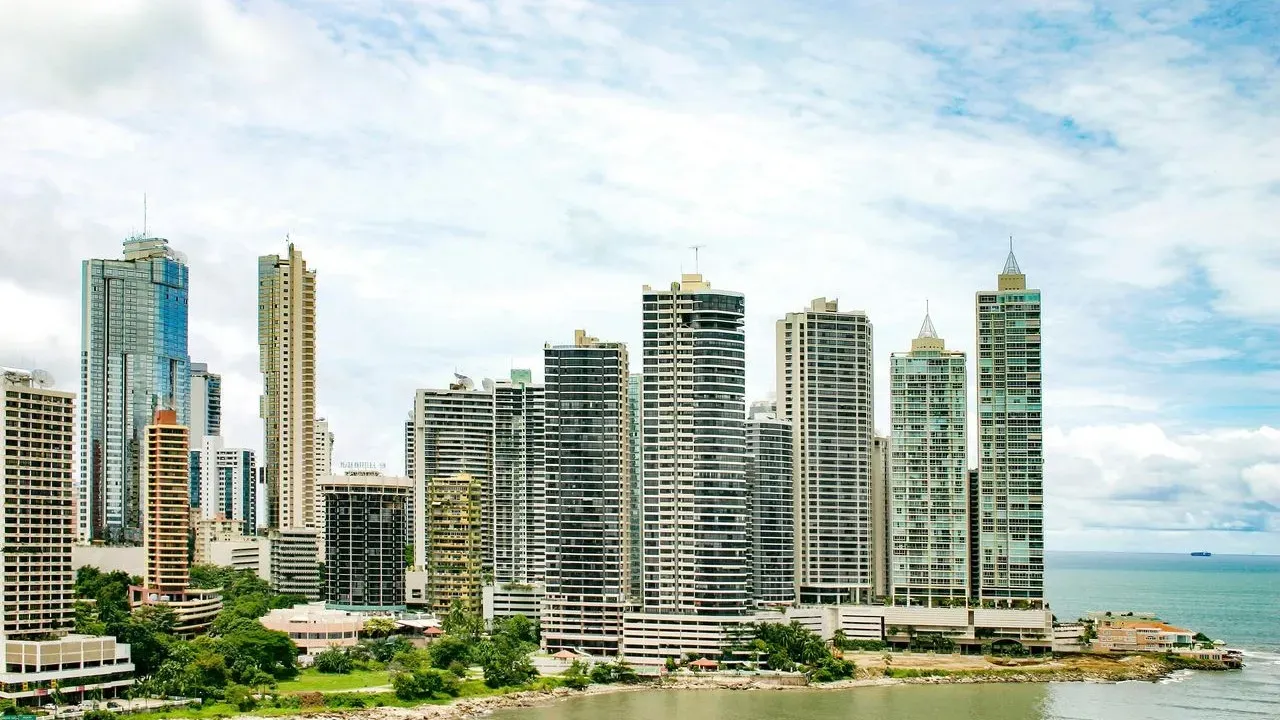

Panama City marks the point where many journeys through Central America begin, and its layered character often surprises those who arrive expecting only a brief transit. The city sits at the meeting of engineered waterways, preserved colonial quarters, and pockets of tropical forest that reach almost to the edges of its financial district. This combination gives the capital a distinct rhythm that rewards time spent on foot and by water rather than hurried passage.
The Quiet Power of First Impressions
Arriving in Panama City, the eye moves quickly between glass towers and the green fringe of nearby hills. The contrast feels immediate rather than staged, a result of deliberate urban planning that left room for natural corridors even as the city expanded. Early walks along the waterfront reveal how the Pacific and the Caribbean influences meet here in daily life, from the pace of commerce to the availability of fresh seafood at modest markets.
That first sense of scale stays with visitors who choose to stay beyond the airport. The city functions as both a global financial node and a place where residents maintain close ties to surrounding ecosystems. This dual identity shapes everything from public parks to evening conversations in neighborhood cafés.
Casco Viejo and the Layers of Urban Memory
The restored colonial district known as Casco Viejo offers a compact area for unhurried exploration. Stone streets lead past restored churches and pastel facades that date to the seventeenth and eighteenth centuries, while newer galleries and small restaurants occupy ground floors without erasing the older fabric. Walking these blocks reveals how preservation efforts have kept the neighborhood residential as well as touristic.
Evenings here carry a measured energy. Locals and visitors share plazas where live music drifts from open doorways, and the nearby sea wall provides space to watch the light change over the bay. The district’s scale encourages repeated visits rather than a single checklist pass, allowing time to notice details such as wrought-iron balconies or the way afternoon shadows fall across cobblestones.
The Panama Canal as a Living Landmark
The Panama Canal remains one of the most accessible major engineering sites in the world. Observation platforms at Miraflores and Agua Clara let visitors watch vessels transit the locks in real time, an operation that continues around the clock. The scale of each ship moving through the narrow channels underscores both the original construction challenges and the ongoing maintenance required today.
Boat tours through the canal’s wider stretches provide a different perspective, placing the waterway in its broader landscape of lakes and forested shores. These excursions highlight how the canal functions not only as a shipping route but also as a managed freshwater system that supports surrounding communities. Travelers who allocate a full day to the experience often return with a clearer sense of the infrastructure’s role in regional economies.
Nature at the City’s Edge
Within minutes of the central districts, protected areas such as Metropolitan Natural Park and Soberanía National Park offer trails through secondary rainforest. These green spaces host howler monkeys, toucans, and a variety of orchids, all reachable by taxi or short bus ride. The proximity means a traveler can move from a business meeting to a birding walk in the same afternoon.
Local guides emphasize low-impact practices that keep these reserves viable for both wildlife and residents. Morning visits tend to be cooler and quieter, while late-afternoon light brings different species into view along the canopy walkways. Such outings reinforce the city’s identity as a place where urban growth has not fully displaced its natural setting.
Extending the Stay and Moving Forward
Many visitors who plan only a single night find themselves adding days once they experience the ease of moving between these elements. The city’s compact layout, combined with reliable public transport and walkable neighborhoods, supports a slower pace that reveals more than any single attraction. This measured approach aligns with the growing interest in travel that respects both cultural heritage and ecological limits.
Panama City continues to evolve, yet its core appeal rests on the same contrasts that have long defined it: engineered ambition alongside living forest, colonial foundations alongside contemporary ambition. Those who linger discover a capital that invites return visits rather than quick departures.
AI Disclaimer: This article was created with the assistance of AI tools and reviewed by a human editor.