
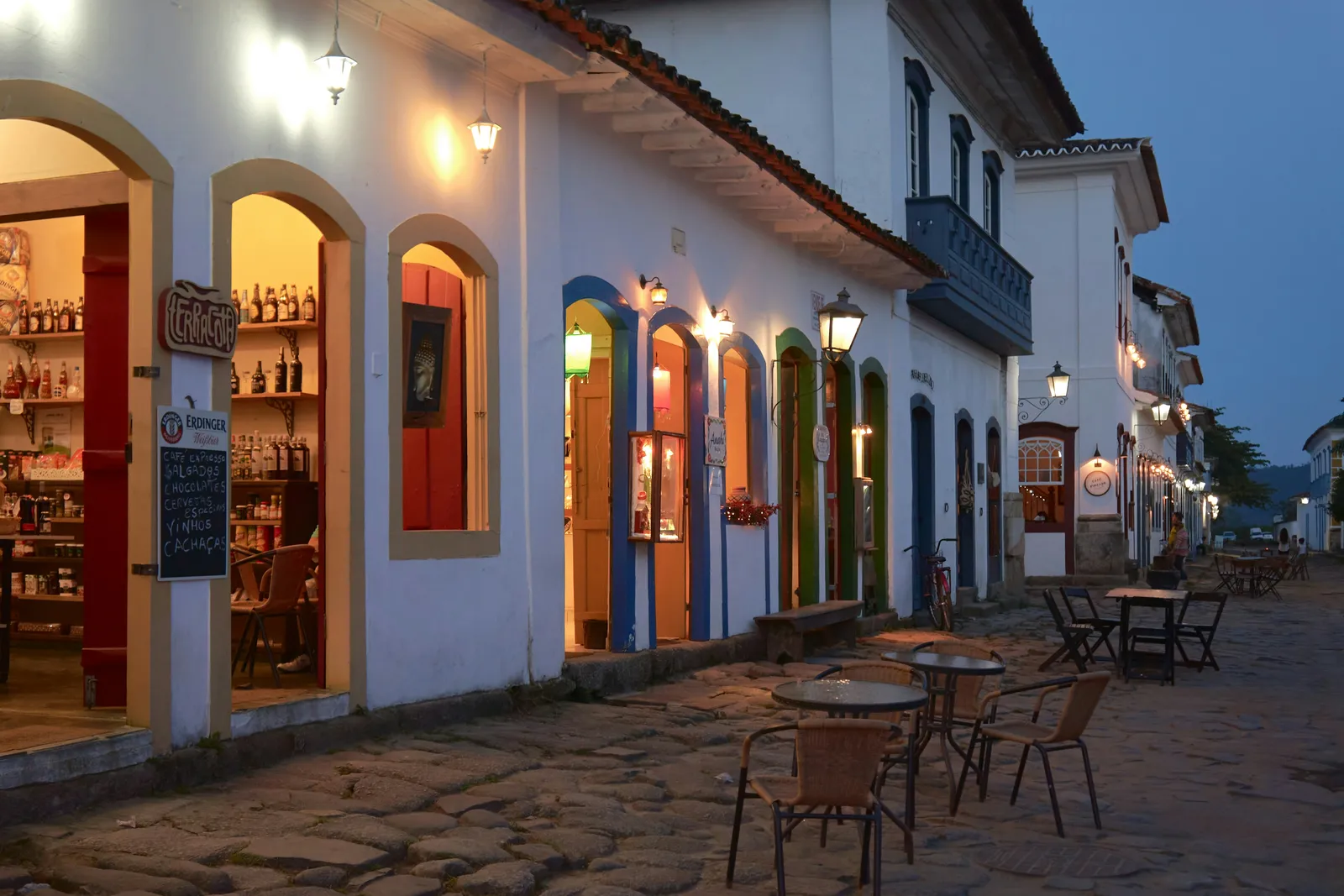

Paraty, Brazil, sits along the country’s southeastern coast as a preserved colonial settlement that many international visitors pass by in favor of Rio de Janeiro. The town combines cobblestone streets lined with historic buildings and direct access to the sea, creating an atmosphere that feels both lived-in and unhurried. Travelers who arrive after time in Rio frequently note the shift in pace, where the energy remains present without the same intensity of crowds and events.
Why the Contrast With Rio Matters for Travelers
Rio de Janeiro draws millions each year with its iconic beaches, vibrant festivals, and urban scale. Those experiences can leave visitors seeking a reset, particularly after peak periods such as New Year’s celebrations. Paraty provides that reset through its smaller footprint and slower rhythm, allowing time to absorb surroundings rather than navigate constant activity. The result is a destination that complements a Rio itinerary instead of competing with it. The practical effect appears in daily movement. Streets in Paraty remain walkable and shaded by colonial facades, while the surrounding landscape transitions quickly from town to rainforest-covered hills. This proximity reduces the need for long transfers and supports shorter, more frequent outings. Stakeholders include independent travelers and small groups who value flexibility over packed schedules.
Colonial Streets and Coastal Setting
The historic center features buildings that date back centuries, many restored yet retaining original proportions and materials. These structures sit directly beside the water, so views of the bay appear at the end of many lanes. The layout encourages exploration on foot, with public spaces that open onto the shoreline rather than isolating visitors from it. This integration of architecture and sea creates consistent visual interest throughout the day. Morning light highlights whitewashed walls and wooden details, while evenings bring softer reflections across the water. The effect supports extended stays without requiring additional transport or planning.
Surrounding Landscape and Natural Features
Beyond the town limits, mountains covered in dense rainforest rise sharply from the coast. These slopes frame the area and contribute to a microclimate that keeps temperatures moderate even in warmer months. Bays dotted with islands lie within easy reach, offering protected waters that differ from the open Atlantic beaches found farther south. The combination of forest, mountains, and marine environment supports a range of low-impact activities. Visitors can move between shaded trails and waterfront areas within a single day, adjusting plans according to weather or energy levels. The setting remains accessible without extensive infrastructure, preserving the sense of discovery that first-time arrivals often describe.
Practical Takeaways for Planning a Visit
– Location places Paraty roughly four hours by road from Rio de Janeiro, making day trips or short overnights feasible.
– The town’s scale supports independent exploration, with most points of interest reachable without organized tours.
– Atmosphere stays lively through local commerce and visitors yet avoids the density that characterizes larger coastal cities.
– Seasonal considerations include higher demand during Brazilian holidays, though overall capacity remains lower than Rio. These elements together position Paraty as a measured addition to broader Brazil itineraries rather than a replacement for them. What matters now is the growing interest among travelers in destinations that balance history, nature, and manageable crowds. Paraty meets that interest through its intact colonial core and immediate natural surroundings, offering a clear alternative when Rio’s pace becomes too concentrated.
AI Disclaimer: This article was created with the assistance of AI tools and reviewed by a human editor.