
There’s a reason the most seasoned park rangers are already out on the trail long before most visitors have finished their morning coffee. Wildlife watching is as much about timing as it is about location, and the people who spend their careers observing animals in protected wild spaces have very clear opinions about when the magic happens.
Understanding the rhythms that govern animal behavior doesn’t require a biology degree. It just requires knowing when to show up, where to stand quietly, and how to let nature do the rest.
The Golden Window: Dawn and Dusk Are the Answer
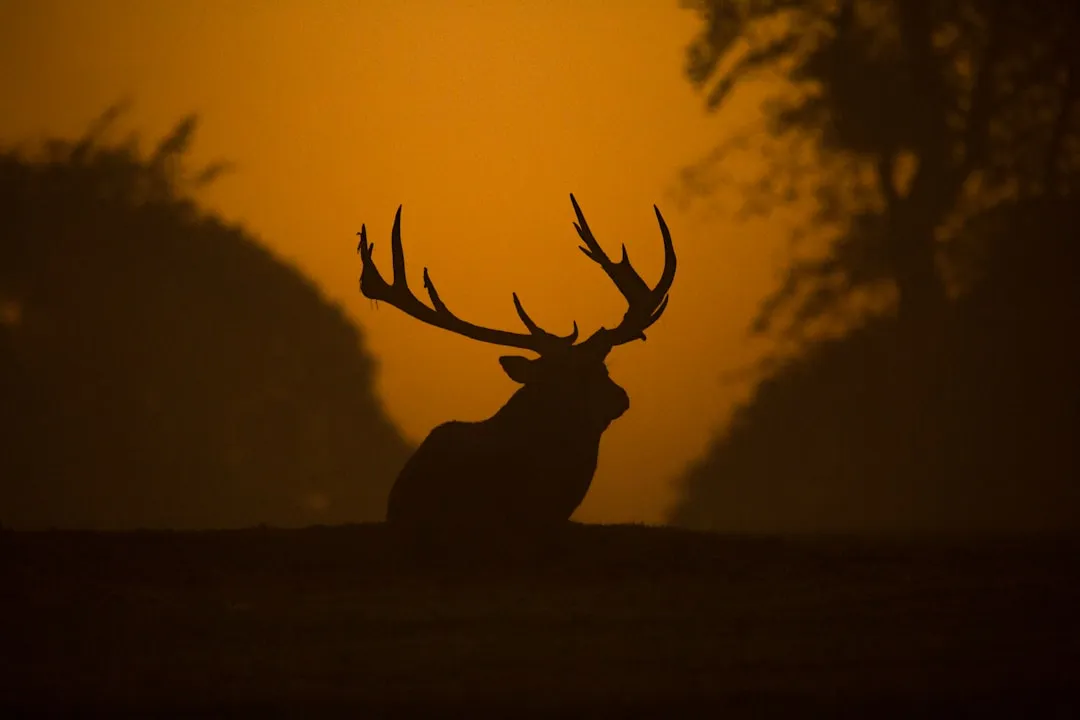
Wildlife is most active at dawn and dusk, according to the National Park Service. This is when animals are out to feed, making it the best time to see wildlife up close. It’s one of those pieces of advice that rangers give so consistently, it almost feels like a rule rather than a suggestion.
Ask ten rangers when to look for wildlife, and you’ll likely get the same answer ten times: get up early. Some of the most memorable wildlife moments happen while the parking lots are still quiet and the coffee is still hot. As the sun rises, animals move into open areas to feed before temperatures climb and crowds arrive.
Most mammals are active between roughly 5 to 8 a.m. and again between 6 and 9 p.m., though exact times vary by location and season. Cooler temperatures, lower visitor traffic, and active feeding behavior all work in your favor during those windows.
What “Crepuscular” Actually Means for Wildlife Watchers
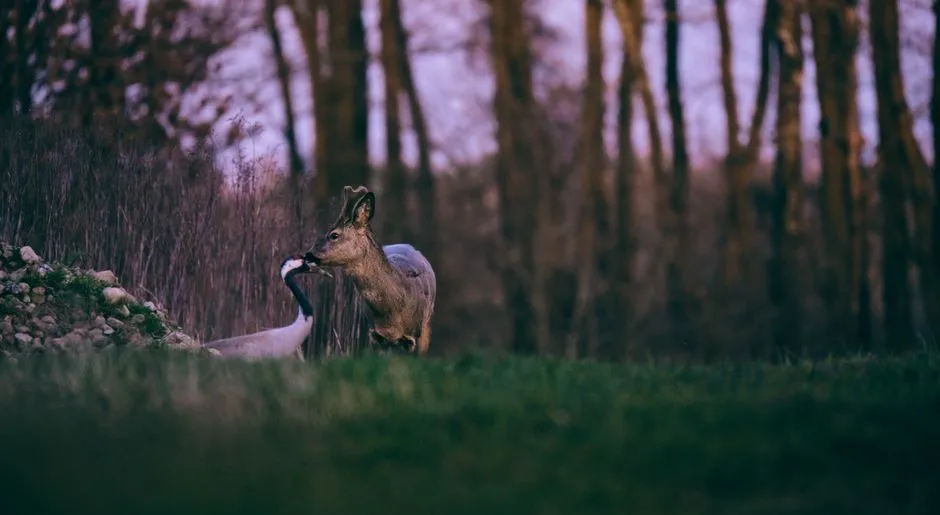
The term “crepuscular” describes animals that are primarily active during twilight hours, specifically at dawn and dusk. This behavioral pattern distinguishes them from animals that are strictly diurnal, meaning they are active exclusively during daylight hours, and from nocturnal animals, which conduct their activities predominantly at night.
Many of the most iconic park animals, such as moose, elk, deer, bears, coyotes, and foxes, exhibit what is called crepuscular behavior, referring to this heightened activity during twilight hours. That list alone covers most of what people travel hundreds of miles to see.
Scientists call this behavior “crepuscular,” derived from the Latin word crepusculum, meaning twilight. Some crepuscular animals exhibit what’s known as “matutinal” behavior, meaning they are active only at dawn, while others show “vespertine” behavior, meaning they are active only at dusk, and still others show activity peaks during both periods.
Why Animals Come Out at Twilight: The Science Behind the Schedule
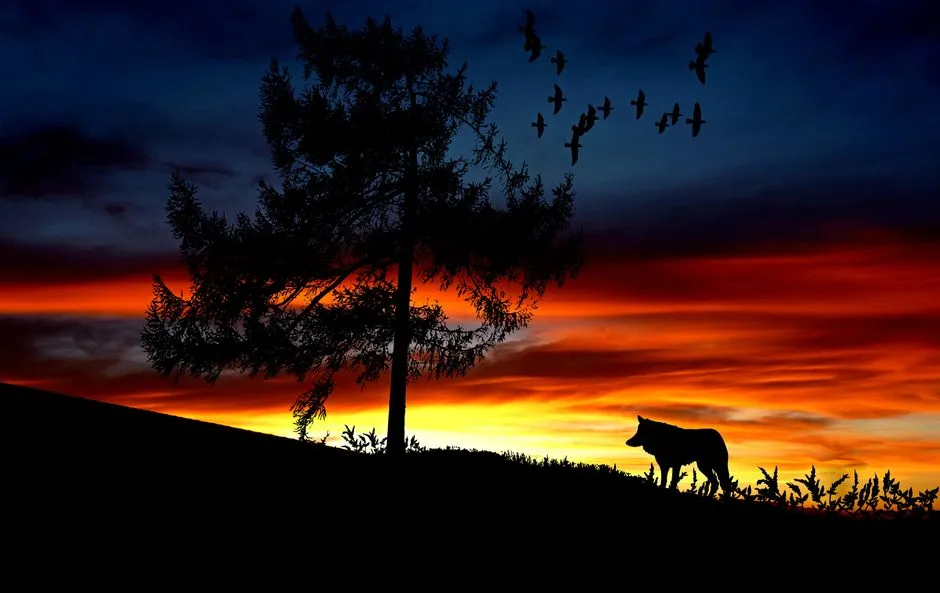
During the heat of the day, animals often seek shade to conserve energy. As temperatures cool in the early morning and late evening, they become more active for foraging and other essential behaviors. For some prey animals, twilight also offers a period of lower visibility for predators that primarily hunt during full daylight, though some predators also take advantage of the dim light for hunting.
Animals active at dawn and dusk gain several advantages, with reduced predation risk being a key benefit, since dim light makes both predators and prey less visible. It’s an ecological balancing act that has evolved over millions of years.
During warmer months, dawn activity often begins earlier and extends longer as animals take advantage of abundant food sources. Breeding behaviors also intensify crepuscular activity, as many species use twilight hours for courtship and territorial displays.
The Specific Time Window Rangers Recommend
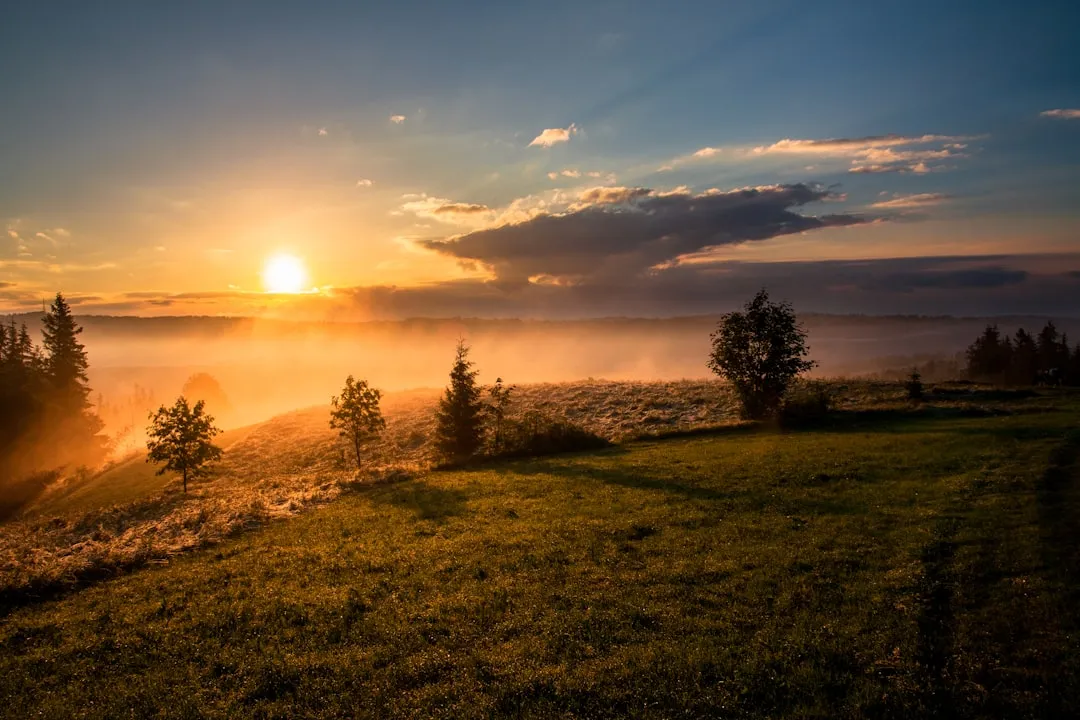
Plan for the 30 to 90 minutes around sunrise and the 30 to 90 minutes around sunset, adjusting seasonally, as these windows shift earlier in summer and later in winter. That’s the practical, actionable timeframe wildlife professionals actually use in the field.
Observing crepuscular animals requires patience and an understanding of their natural rhythms. The best times to look for these creatures are within an hour or two of sunrise and sunset, a window that offers the highest likelihood of spotting them as they begin or conclude their daily activities.
In colder months, animal activity concentrates into shorter time windows, as animals must maximize feeding efficiency during limited daylight hours while conserving energy for survival. This means winter visits can actually produce surprisingly intense wildlife activity, but only for a brief stretch.
Where to Position Yourself: Transition Habitats Are Key
Focus on transition habitats where animals enter and exit cover: field edges, woodland margins, creek corridors, wetlands, and trail intersections. These in-between zones are where the action concentrates, not in the deep forest interior where visibility is low and animals have more cover to avoid detection.
Elk sightings are frequently made when the sun is off the fields and animals come out to graze, either before sunrise or after sunset. This pattern applies broadly across many species that use open meadows and fields for feeding. Arriving even 20 minutes before first light puts you in position before the movement begins.
Bears, including both grizzly and black bears, are most active during spring as they forage for food after hibernation. Driving along known wildlife corridors like the Bow Valley Parkway offers a good chance of spotting them, particularly at dawn.
Early Morning Birding: A Special Case
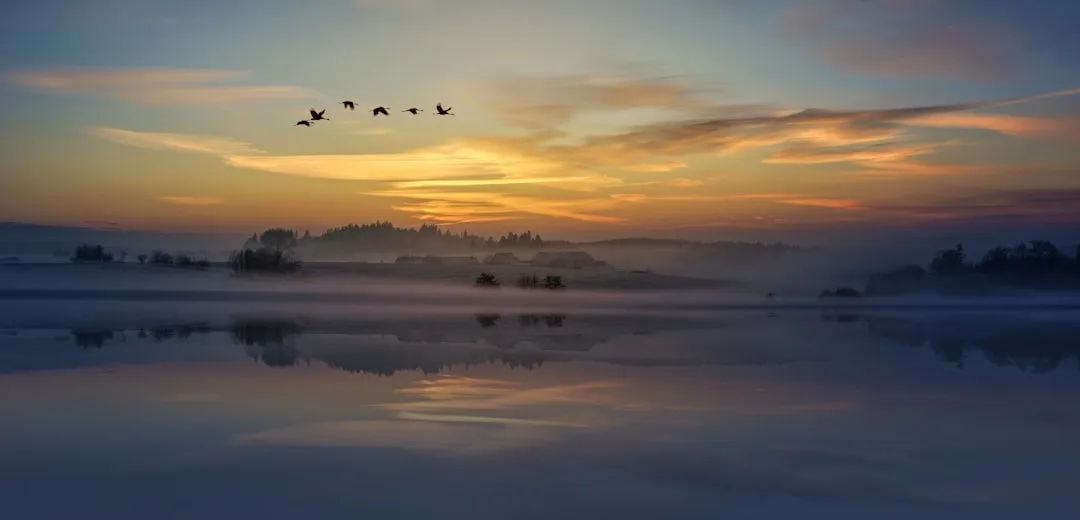
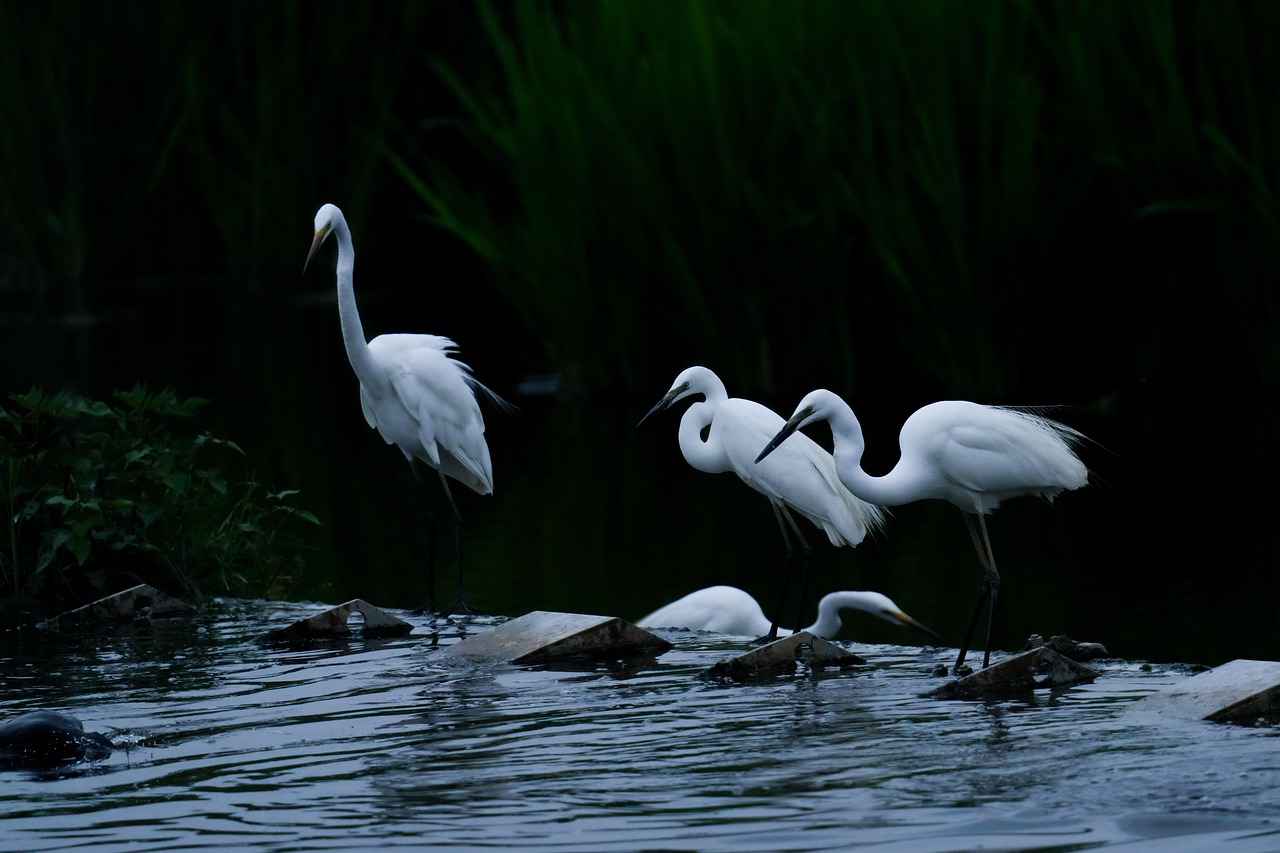
Early morning is the best time to see birds, when they are most active and vocal. The phenomenon known as the “dawn chorus,” when birds call most intensively just before and after sunrise, is one of the most reliable wildlife spectacles in any forested or wetland park setting.
Some parks, like the Everglades, offer daily ranger-guided bird walks from mid-December to mid-April. These structured walks are one of the best ways to learn bird behavior in real time from people who know the exact spots and peak moments. Joining a ranger-led outing dramatically shortens the learning curve.
The advantage birds have over larger mammals is that their calling gives you an acoustic cue even before you can see them. Arriving at a good vantage point before the chorus begins, then staying still, is far more effective than wandering around looking for movement.
How Temperature Shapes Wildlife Activity Through the Day
During the heat of the day, animals often seek shade to conserve energy, becoming more active for foraging and other essential behaviors as temperatures cool in the early morning and late evening. This explains why midday wildlife sightings in summer parks are relatively rare compared to the shoulder hours around sunrise and sunset.
Many visitors to parks like the Everglades prefer visiting during the cooler months of the dry season, when conditions are more comfortable and lowering water levels concentrate aquatic species including alligators, freshwater fish, and invertebrates, along with the birds that prey on them. Season and time of day work together, not in isolation.
In alpine and desert environments especially, the midday heat can push temperatures to levels where most mammals simply stop moving. The thermal logic of wildlife behavior is consistent: cool air means movement, heat means rest.
The Role of Park Rangers in Real-Time Wildlife Tracking
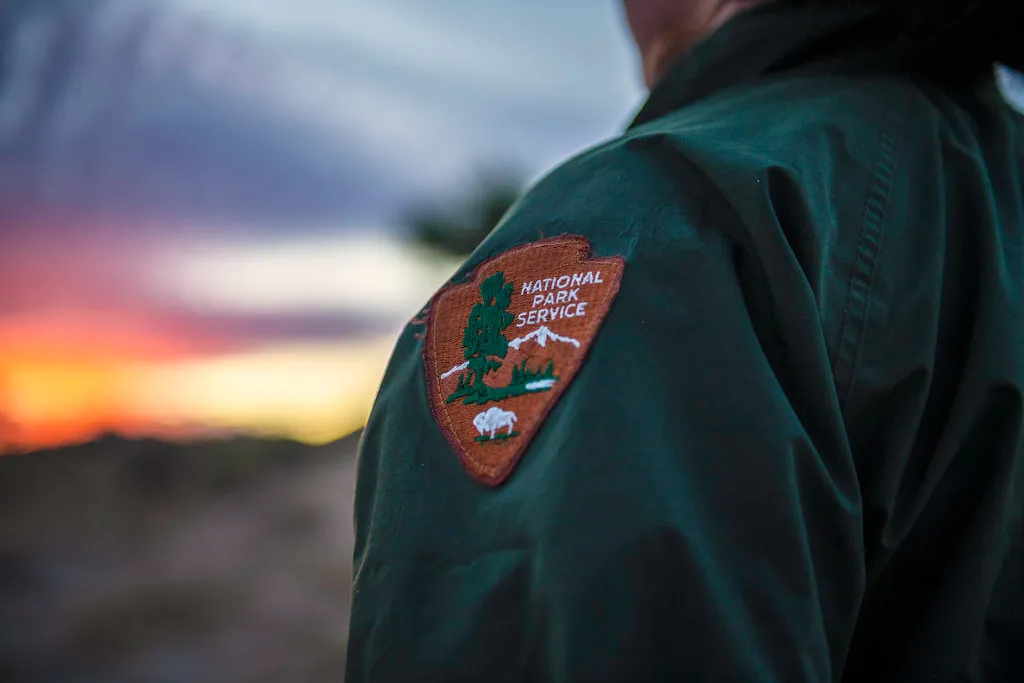
Park rangers are a tremendous asset for wildlife watchers. These dedicated employees are curious about the natural world around them and committed to sharing what they know. They have up-to-date information on the most recent wildlife sightings in the area and can point visitors in the right direction in real time.
Checking in at a visitor center first thing in the morning is one of the highest-value habits a wildlife watcher can develop. Rangers log sightings reported by staff and visitors throughout each day, essentially building a live map of animal activity across the park. That information is free and available to anyone who simply asks.
Familiarizing yourself with the behavior of local wildlife before your visit and remembering that park rangers are available for guidance on how to handle specific encounters makes a genuine difference in how rewarding a wildlife trip turns out to be.
Staying Quiet and Still: The Technique That Changes Everything
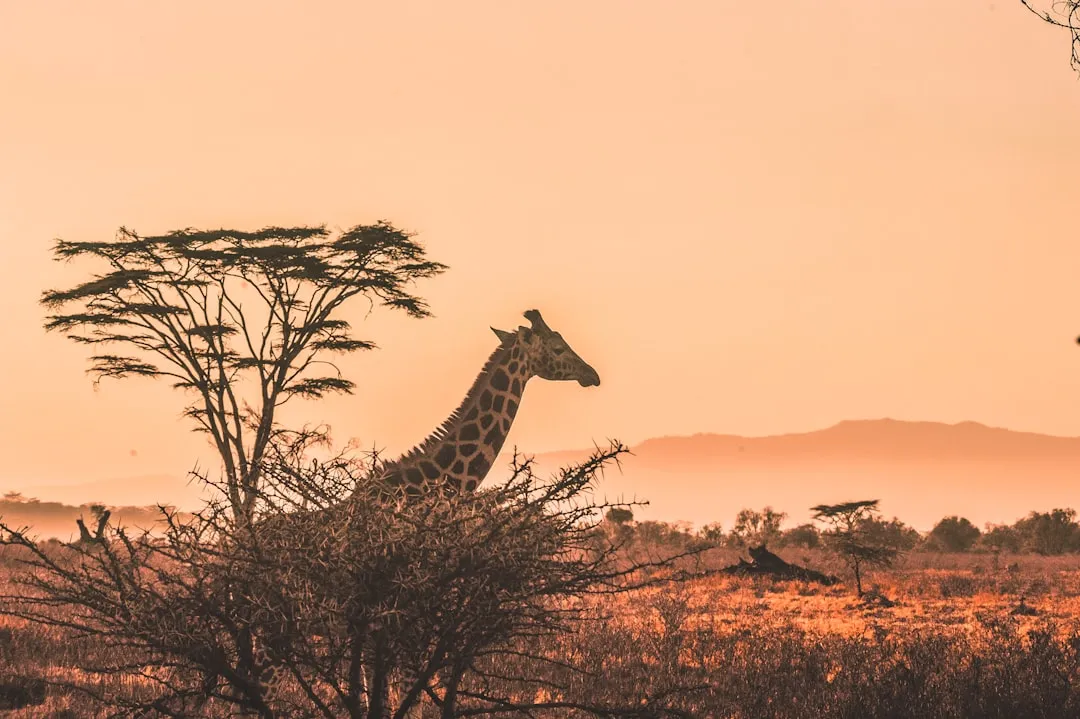
Approaching observation sites quietly and minimizing disturbances is important for successful viewing. Animals are sensitive to sound and sudden movements, and remaining still significantly increases the chances of a natural encounter. Most unsuccessful wildlife outings can be traced to movement and noise, not bad timing.
Many animals use cover such as hedgerows, brush, and riparian edges, and move quickly and quietly to avoid both daytime predators and nocturnal hunters. Human activity and noise are often high at twilight in parks and along roads, prompting animals to stay just out of view or delay movement until it’s quieter.
The patience required for wildlife watching is real, but it’s also the whole point. Sitting still in good habitat at the right hour of the day, without talking or checking a phone, creates the conditions animals need to feel safe enough to emerge and behave naturally.
Safe Distance Is Part of Responsible Watching
The best way to stay safe when watching wildlife is to give animals room to move. Many parks require you to stay a minimum distance of 25 yards from most wildlife and 100 yards from predators like bears and wolves. These rules protect both visitors and the animals themselves.
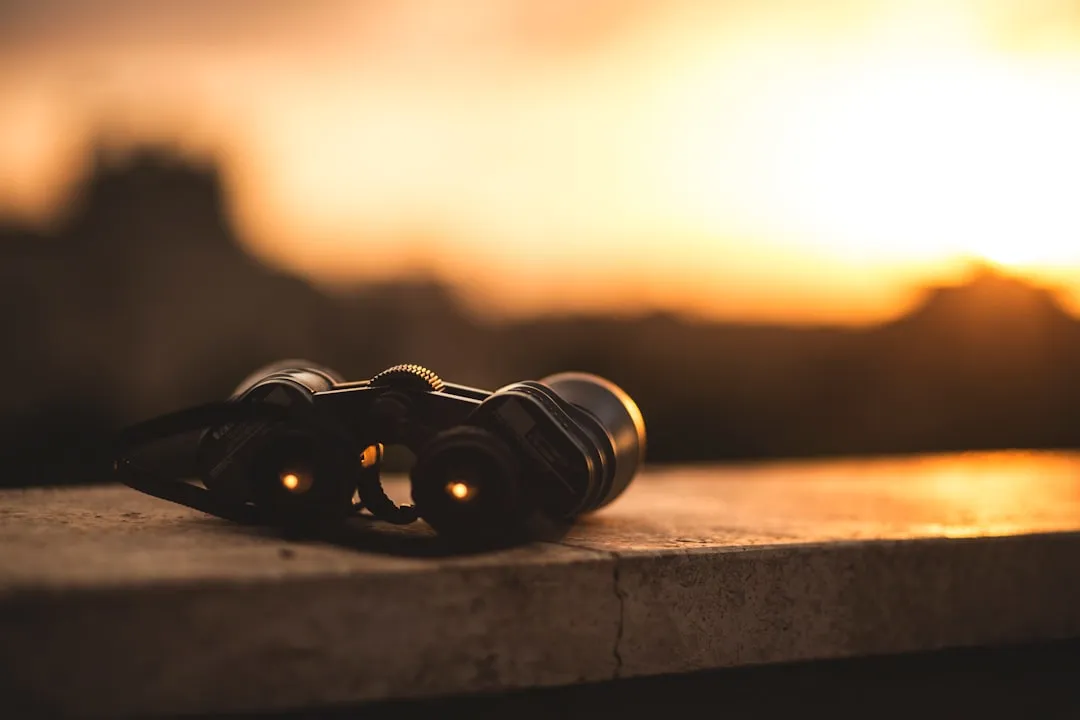
Binoculars and spotting scopes are a wildlife watching necessity, allowing you to get up close and personal without moving an inch, while the wildlife act naturally and you remain comfortably at a safe distance. Rangers also recommend bringing a pair of binoculars specifically to make it easier to spot and observe wildlife from a safe distance.
It is illegal to feed, touch, tease, frighten, or intentionally disturb wildlife in national parks. Once animals learn that people are a source of food, they can become aggressive toward people, putting visitors at risk of injury and the wildlife at risk of being removed and humanely killed by wildlife managers. Responsible viewing isn’t just etiquette; it’s essential conservation.
The Takeaway: Show Up Before the World Wakes Up
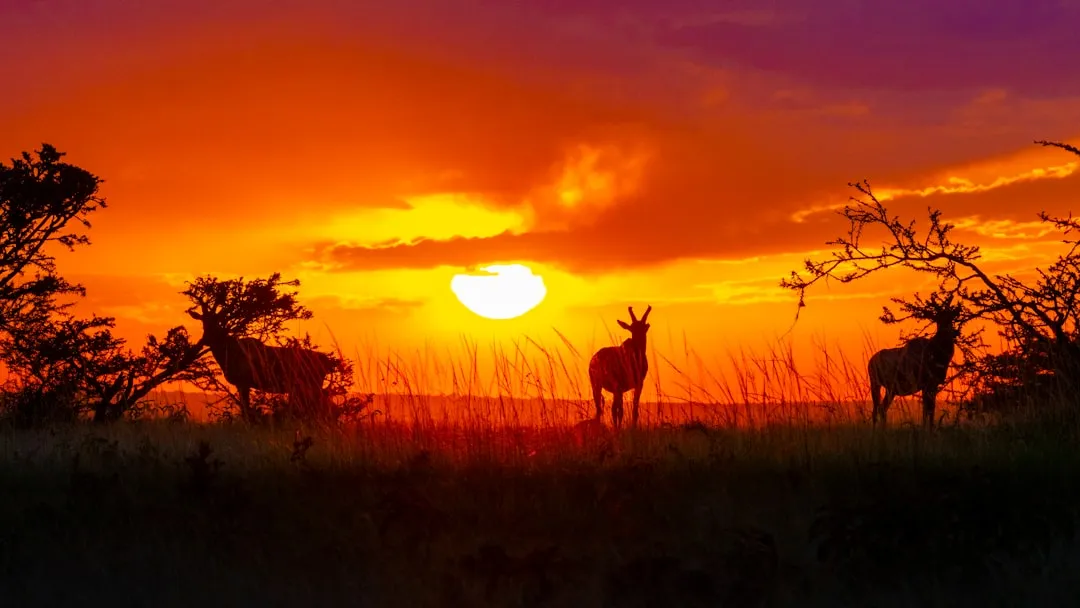
The single most consistent piece of advice from park rangers across the country comes down to one discipline: arrive before most people think to. Early mornings are a great time to spot moose, deer, wolves, bears, and elk, and that list represents the wildlife bucket lists of most nature travelers.
Protected areas like national parks provide crucial dawn and dusk wildlife viewing opportunities while preserving the essential habitats that make those moments possible. These parks exist precisely to hold space for wild creatures living on their own terms.
The animals don’t check the visitor log or wait for a crowd to gather. They move when the light is soft, the air is cool, and the trails are quiet. Meet them on their schedule, and the rewards are unlike anything a midday stroll through a park can offer.
AI Disclaimer: This article was created with the assistance of AI tools and reviewed by a human editor.