


Every summer, the same story unfolds in national parks across the country. A hiker sets out on what looks like a straightforward trail, takes a small, almost unconscious wrong turn, and ends up needing a search and rescue team. It’s rarely dramatic at the start. It rarely feels like a mistake in the moment.
Rangers who field these calls year after year are remarkably consistent about what causes most of it: one deeply common trail habit that hikers repeat without thinking. Understanding it is the first step to not repeating it yourself.
The Single Habit That Starts Most Getting-Lost Incidents

According to research, wandering off trail is the number one reason, ahead of injury and bad weather, that adult hikers require search and rescue. It sounds obvious once stated, but most hikers who step off the path don’t realize they’ve done it until they’re well and truly turned around.
The most common way that hikers got lost was by wandering off the trail, accounting for roughly two in every five cases. In seventeen percent of cases, bad weather was to blame, while sixteen percent cited falling off the trail.
The habit isn’t recklessness. It’s a slow, incremental drift – following what looks like a more obvious route, chasing a view, or simply losing focus for a few minutes. That small drift is where most rescues begin.
Day Hikers Are Far More Vulnerable Than They Realize

Research suggests that the most vulnerable group of hikers aren’t those going deep into the wilderness on backpacking expeditions – it’s day hikers. This surprises most people, who assume serious incidents happen to those spending multiple nights in the backcountry.
One search and rescue team leader in the Smokies noted that roughly ninety percent of their hundred-plus annual rescue incidents involve day hikers. Across all U.S. national parks from 2004 to 2014, day hikers comprised forty-two percent of the 46,609 search and rescue cases, almost four times more than the next biggest group.
The reason, according to rangers, is a preparation gap. Day hikers frequently carry minimal gear, underestimate the terrain, and assume a short trip doesn’t require a plan. That assumption is where things quietly start to unravel.
The “Decision Point” Problem Rangers Keep Talking About
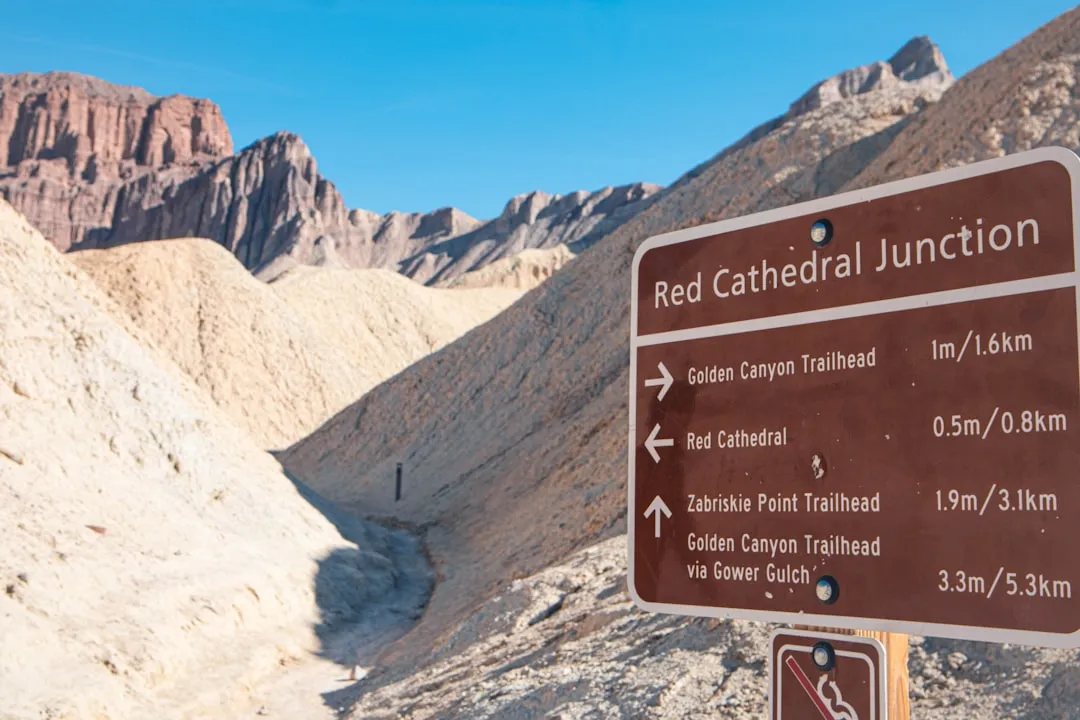
According to Andrew Herrington, a survival instructor, search and rescue team leader, and wildlife ranger in the Smokies, getting lost happens to alert, experienced hikers too, most often at what he calls a decision point on the trail. These moments are easy to miss precisely because they feel routine.
Trail intersections are where most hikers make wrong turns. Extra caution at junctions prevents most navigation errors. The instinct is to walk through on autopilot – but the right move is to stop completely and pull out your map.
A decision point could be a water bar that seems like a trail but funnels down into a maze of rugged, heavily vegetated terrain. Once a hiker commits to that false path with confidence, reversing course becomes much harder.
The Scale of the Problem Across U.S. Parks
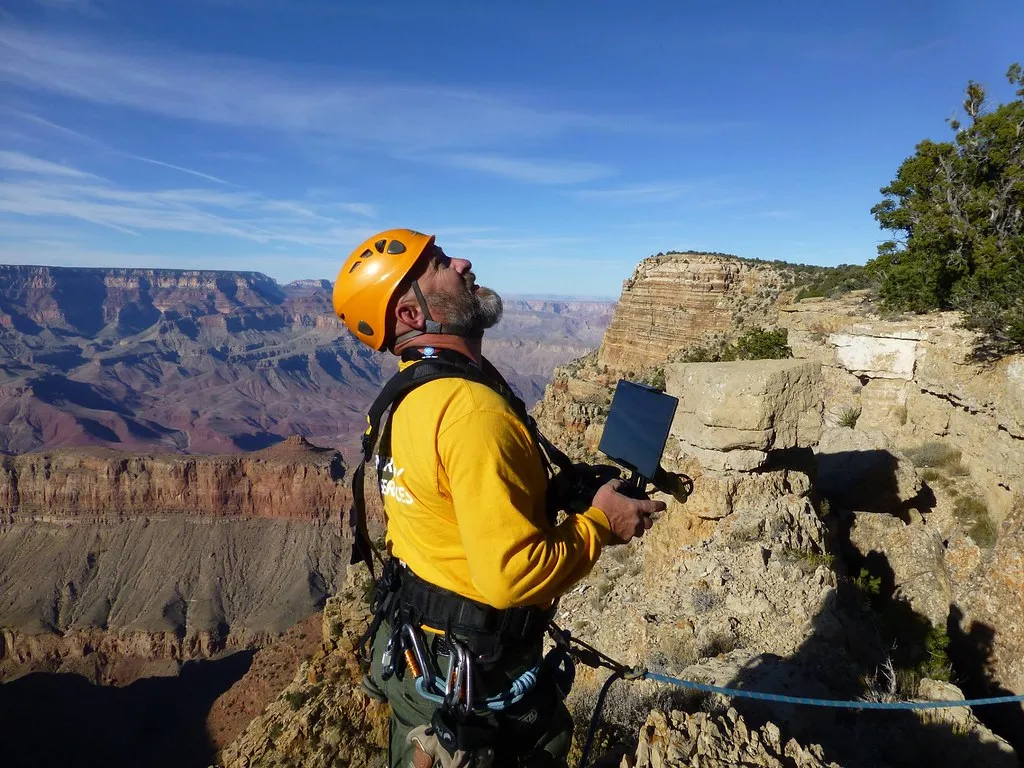
Nationwide, an estimated 50,000 search and rescue missions are conducted each year. That number is difficult to fully absorb, but it reflects how consistently and predictably hikers find themselves in trouble.
The activities with the highest rate of lost people are hikers, accounting for roughly half of all cases, followed by boaters at about a fifth. No other outdoor group comes close.
During 2025 alone, Grand Canyon Search and Rescue responded to 848 hiker assists and 232 search and rescue incidents. Eleven people died. These numbers reflect a park that sees enormous visitor volume, but the pattern plays out across hundreds of parks nationwide.
When You Start Matters More Than You Think
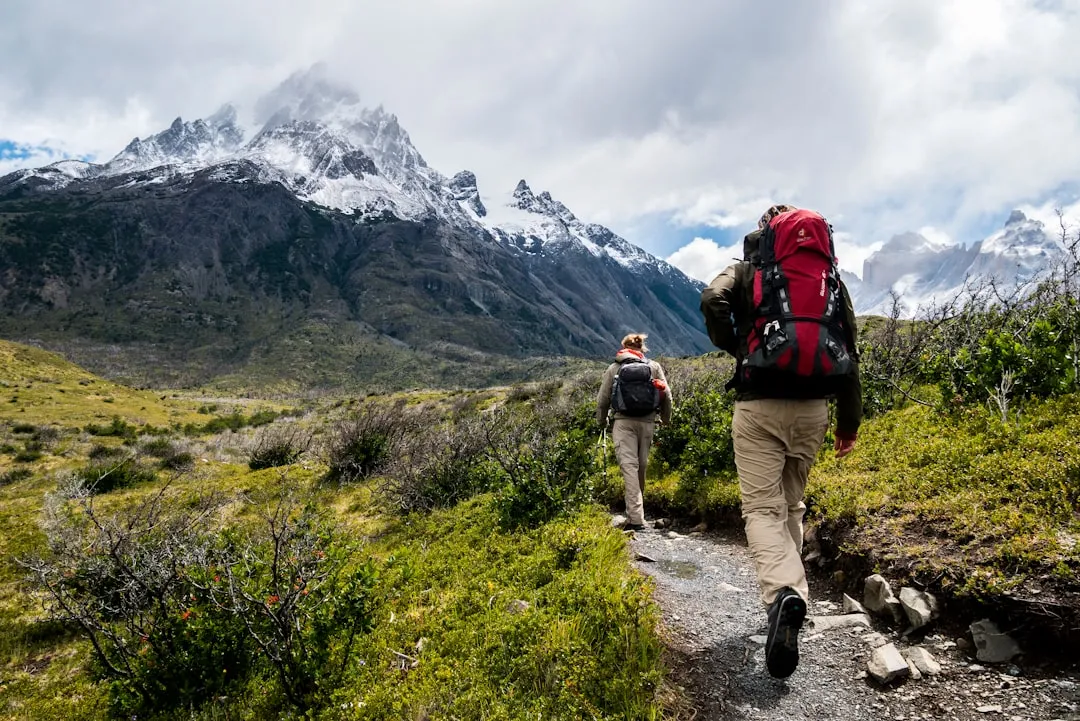
Hikers who depart around 2 to 3 p.m. on weekends are the most likely to get lost. Weekend hikers are often less experienced than those who make time during the week. Those heading out in the early afternoon think they’ll have enough time to make it back before dark – but getting lost for even an hour or two can leave them stumbling around in the darkness.
June through September are the most dangerous months by sheer number of people lost. Trails are busier, visitor experience levels vary widely, and the combination of heat and overconfidence creates predictable trouble.
Rangers consistently note that late-afternoon starts on unfamiliar trails are one of the clearest warning signs they see before a rescue call comes in. Timing a hike is not just about convenience – it’s a genuine safety decision.
Overconfidence: The Invisible Risk Factor
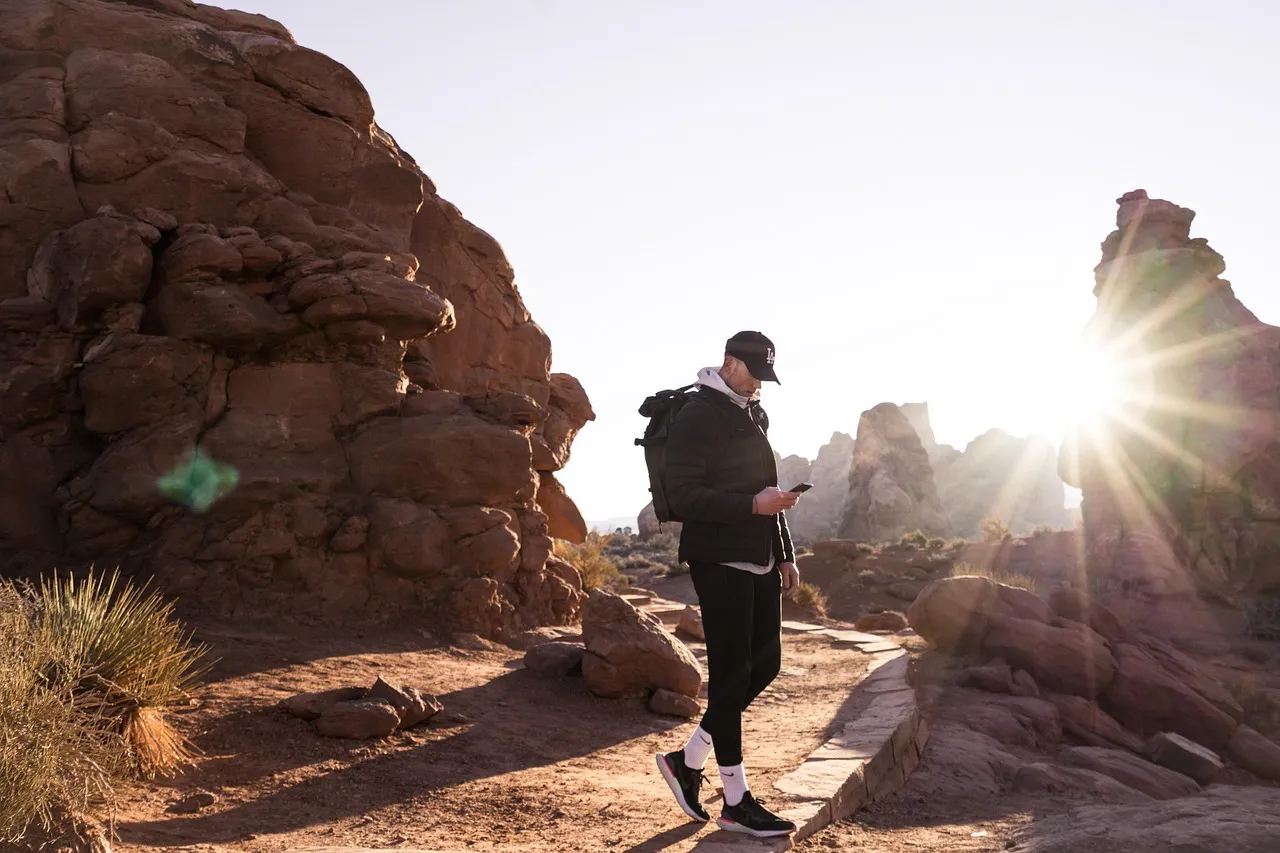
Overconfidence, fatigue, or distraction often leads hikers to ignore early warning signs of disorientation. By the time a hiker accepts they may be lost, they’ve often been off-trail long enough to make recovery complicated.
Men aged twenty to twenty-five and fifty to sixty make up a significant portion of reported missing cases. Younger men often take unnecessary risks, while older hikers may face physical limitations on demanding hikes. Men also tend to venture off-trail more frequently than women, increasing their chances of getting lost.
Backcountry rangers note that they cringe when articles describing a challenging route as “not that difficult” get published online, because the result is often novice hikers arriving at trails that require a skill set they simply don’t have yet.
How Close Lost Hikers Usually Are to Safety

The average lost individual was found just 1.8 kilometers from their starting point – less than a mile. On average, they were found only 58 meters from the nearest trail or road. That detail is both reassuring and striking. Lost hikers are rarely deep in wilderness. They’re usually just slightly off the path they started on.
The average search takes about ten hours to find the individual, and they have typically been missing for a total of about fourteen hours. These efforts cost an estimated 5.1 million dollars each year.
Proximity to safety doesn’t equal safety, though. Dense vegetation, difficult terrain, and fading light can make that short distance genuinely dangerous to cross without help.
Relying on Your Phone Is Its Own Problem
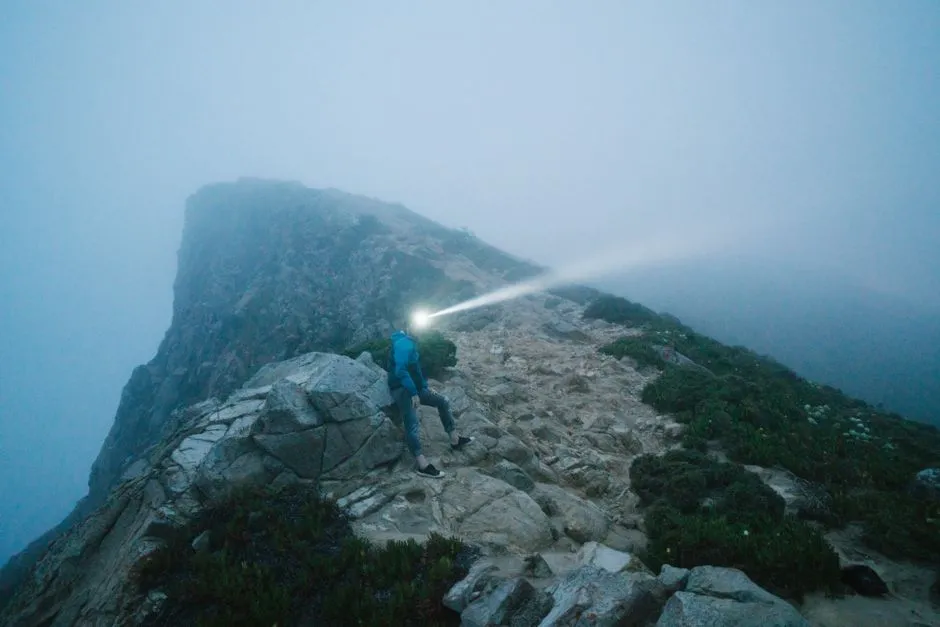
Rangers advise hikers to bring dedicated light sources such as headlamps with extra batteries and to not rely on phones for navigation or light. In wilderness settings, cell phone batteries lose charge more quickly due to poor signal reception and temperature extremes.
GPS does not always work in national parks, especially those that are more remote, and apps don’t always reflect current trail or road conditions – making paper maps an essential backup.
Poor trail markings, changing weather, dead phone batteries, or simple navigation mistakes can lead hikers off course faster than they expect. A device that works perfectly at a trailhead parking lot can become useless an hour into dense forest. Planning for that possibility isn’t pessimism – it’s just good sense.
What Happens When Ranger Presence Shrinks
Despite the vital role played by park rangers and search teams, recent budget cuts have raised concerns about the future of these operations. Staff reductions at national parks have limited the number of available personnel to respond to emergencies, reducing ranger presence and making it harder to monitor visitor safety. Fewer resources mean longer response times when someone goes missing.
Some experts warn that as staffing shortages increase, national parks may struggle to maintain the same level of search-and-rescue effectiveness. This concern has been echoed by rangers and visitors alike, who have noted slower emergency response times in parks like Zion and Grand Canyon.
The lesson for hikers is a practical one: don’t assume that help is immediately nearby. The safety net that exists in national parks is real, but it is under strain. The best rescue is the one that never needs to happen.
The Simplest Fixes Rangers Always Recommend

Search and rescue experts say the most important thing hikers can do is tell two people their hiking plans in the event that they do not come back as intended. It’s a low-effort step that has saved an enormous number of lives.
Carrying a paper map and compass, downloading offline GPS maps before departure, checking your position every fifteen to twenty minutes, confirming directions at every junction, and stopping immediately when unsure about your route are the core habits that prevent most navigation failures.
If you’ve been separated from the trail for more than about fifteen minutes, think very carefully before continuing to wander. At that point, moving in the wrong direction may only make the situation worse. Stopping, orienting, and waiting are often the safest options available.
The Takeaway
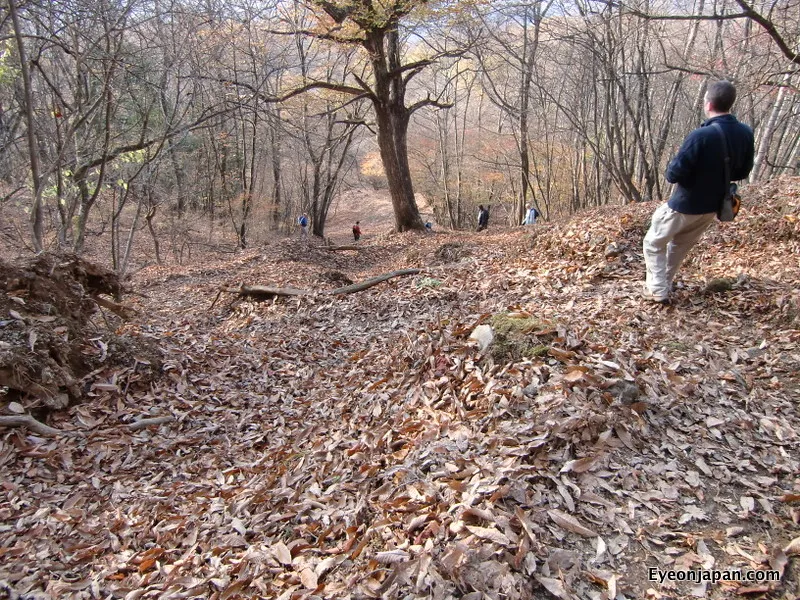
The trail habit that gets hikers lost every year isn’t exotic or unusual. It’s the slow, confident drift off a marked path combined with the assumption that the situation is still under control. Rangers see it play out the same way, season after season, across every kind of terrain.
The fix is unglamorous: stop at junctions, carry a paper map, tell someone your plan, and leave early enough that fading light never becomes a factor. These aren’t rules designed to take the adventure out of hiking. They’re what keeps the adventure from ending badly.
The wilderness is genuinely worth exploring. Approaching it with a little more humility and a little more preparation is simply the most respectful way to do it – for the landscape, for the search and rescue teams who show up when things go wrong, and for yourself.
AI Disclaimer: This article was created with the assistance of AI tools and reviewed by a human editor.