

What “Peak” and “Shoulder” Actually Mean
Shoulder season is usually defined as the travel period between the peak summer and low winter seasons, typically bringing thinner crowds and lower prices for flights and accommodations compared with the most in-demand times in popular locations. The definition sounds straightforward, but it shifts depending on where you’re headed.
For instance, if a place’s peak season is summer and its off-season is winter, then the shoulder season would be between mid-March and mid-June, and the months between September and December. South America, with its reversed seasons, shifts these windows entirely.
Peak periods largely follow the weather, but festivities and natural phenomena, such as the northern lights and Africa’s Great Migration, drive high seasons too. Knowing what draws crowds to a specific destination is the first step toward timing your trip well.
The Real Cost Difference in Airfare

Round-trip flights from the United States to Europe during September or early October 2024 were on average roughly a quarter cheaper – or about $195 less – than the same flights in June, July, and August, according to Hopper’s 2024 Summer Travel to Europe report.
New data from KAYAK shows that flying abroad in September and October costs on average about a quarter less than flying in July and August 2026. Spain has been particularly compelling, with four cities in the top ten for flight price cuts, offering lower airfares by nearly half for shoulder season compared to peak summer.
For international travelers, Albania leads the pack with prices more than half cheaper on average than the summer months, followed by Romania and Bulgaria, proving that Eastern Europe’s most captivating destinations reward those willing to shift their timing.
Hotel Rates Tell a Different Story by Destination

To find out where deals still exist, CNBC Travel analyzed hotel rates in five popular destinations, comparing peak and shoulder season prices for entry-level rooms for two travelers, inclusive of most taxes. The results were uneven, which is worth noting.
Among U.S. destinations, Expedia found some of the steepest combined savings on lodging and flights in Aspen (roughly 45%), Anchorage (roughly 40%), and Fort Walton Beach (roughly 30%). These numbers are real, but they aren’t universal.
New data from Expedia and Vrbo shows fall 2026 lodging prices in top U.S. destinations running about a fifth higher than summer on average. That doesn’t mean shoulder season stopped being worth it – it means the savings are now concentrated in specific places instead of showing up everywhere automatically.
Shoulder Season’s Shrinking Edge

Traveling during the shoulder season has traditionally been a reliable way for people to save money. Data now suggests those savings are dwindling – and in some cases, they’ve disappeared altogether in 2026.
In 2023, flights from the U.S. to Europe were roughly a third cheaper during the fall shoulder season than during summer, on average. The savings margin has declined to about a fifth in 2026. Travelers flying to Asia could save an average of about a fifth in 2026 by flying during the fall shoulder season – down from nearly three tenths in 2023.
In 2026, prices are equivalent in fall and summer for an average round-trip flight from the U.S. to the Mexico and Central America region, according to Hopper. Four years ago, fall flights were around 11% cheaper relative to summer. The window is narrowing.
Why Demand Is Blurring the Seasonal Lines

In 2024, bookings for fall travel were up nearly a quarter compared to fall 2023, according to a survey by Virtuoso. Three quarters of Virtuoso advisers reported that their clients are opting to travel off-season more frequently, primarily to avoid crowds.
A Zicasso survey of roughly 200 travel specialists found that more than four in ten said high seasons are lasting longer, with more people traveling during what used to be considered shoulder seasons, while a similar share said more places are moving into year-round destinations with no distinct low season.
Close to eight in ten travel advisers now say clients are opting for shoulder season or off-peak travel, while a similar share say they now favor destinations with more moderate weather, according to Virtuoso. When that many travelers make the same move, the crowd just relocates rather than disappearing.
What You Actually Gain in Peak Season

Peak season exists for real reasons. The weather is often at its best, the full roster of tours and experiences is available, and the social energy of a destination in full swing can be genuinely wonderful. Festivals, outdoor events, and extended operating hours are real draws that shoulder season often can’t replicate.
Kyoto’s Sakura season results in hordes of travelers descending on the city to see the blooming of cherry blossom trees in late March to early April. For those who have made it a life goal, the timing is non-negotiable.
The price hikes during peak season aren’t only in hotels – everything from guides to trains to museum tickets goes up. Restaurant prices may remain stable, though reservations at high-end establishments become very difficult to secure, even for hotel concierges.
Overtourism Is Reshaping the Peak Season Experience

The small Austrian town of Hallstatt, despite its population of only 800 people, receives around 10,000 visitors per day in peak season. This caused local residents to protest against overtourism while holding signs reading “tourism yes, mass tourism no.”
In 2024, Venice introduced a €5 fee for visitors accessing the city centre during peak travel season between 8:30am and 4pm. The main reason was to reduce congestion, especially from day-trippers who are exempt from the overnight tourist tax. Athens, meanwhile, capped Acropolis visitors at 20,000 per day.
By peak season in July 2024, things reached a breaking point in many European places. Locals sprayed tourists with water guns in Barcelona, holding “Go Home” banners, and the mayor announced plans to ban Airbnb by 2028. The experience of peak season travel now carries this context, whether visitors choose to acknowledge it or not.
What Shoulder Season Genuinely Delivers Beyond Price

Shoulder season travel provides a variety of advantages beyond affordability, including smaller crowds that let you explore at your own pace, shorter lines and less demand at popular attractions, and better airline seat assignment and flight time availability than during high season.
People travel to connect with culture, learn about a country’s history, and try local food. Recommending overcrowded destinations during peak season is likely to disappoint, as it becomes harder to find authenticity. With less-trafficked destinations, it becomes far easier to book local activities and guarantee a genuine experience.
In Portugal, W Algarve reported a significant rise in shoulder season bookings following warm weather in September and early October, with a 30% increase in September and October bookings compared with the same time the previous year, while May and June bookings increased by a quarter. These numbers reflect a shift in traveler values, not just wallet-watching.
The Family and School Calendar Constraint

For many families, the choice between peak and shoulder season is barely a choice at all. School calendars in most countries anchor family travel firmly to summer, Christmas, and Easter, which overlap almost perfectly with peak demand windows. This is not a niche concern – it shapes the decisions of an enormous portion of the traveling public.
Travelers who do make the shoulder season shift are typically adults without school-aged children. However, parents are increasingly willing to take kids out of school for travel, according to CNBC Travel reporting. This remains the exception, not the norm.
Shoulder season travel has grown in popularity in recent years, especially as vacationers try to avoid increasingly hot summers. Climate is quietly becoming as influential as the school calendar in driving timing decisions.
Heat, Climate, and the Changing Shape of “Good Weather”
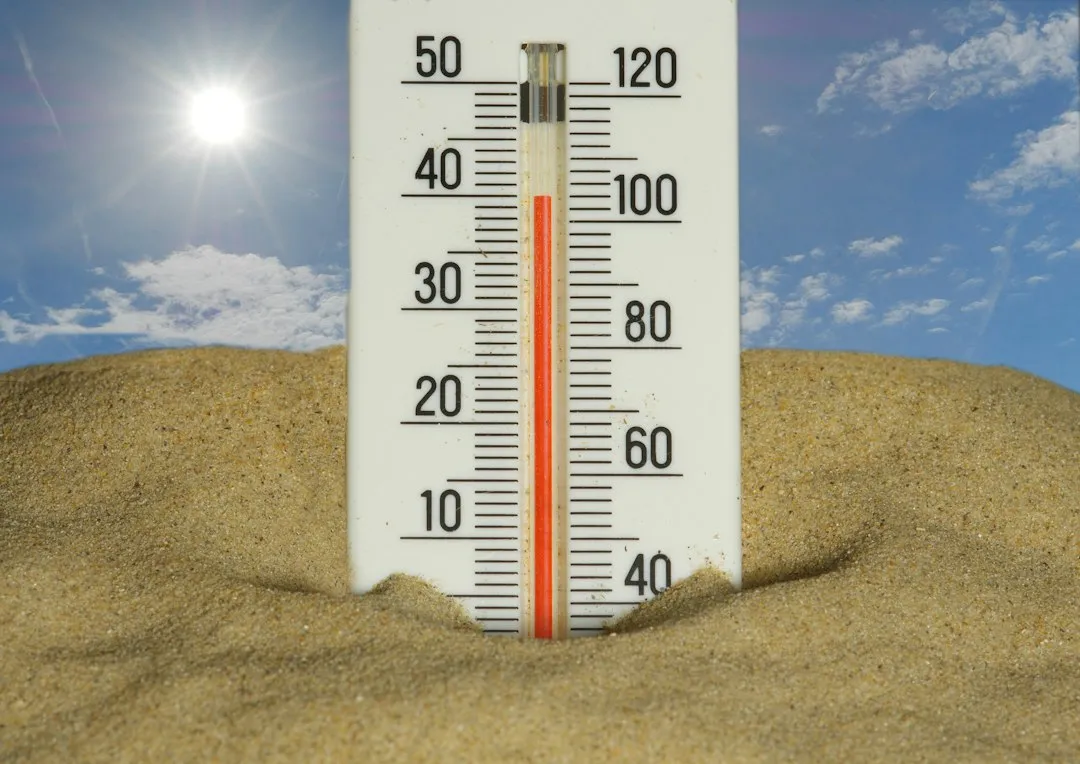
Push factors toward shoulder season now include concern among some travelers around the rising temperatures in the summer months in many well-established sun, sea, and sand destinations over the last few years. Destinations that once guaranteed pleasant peak-season weather are no longer as reliable.
OAG airline capacity data identified August 2, 2024, as the busiest day in aviation history. That volume of simultaneous travel, in the middle of increasingly intense summer heat in parts of Europe and the Mediterranean, is prompting genuine rethinking about when “summer” is even desirable.
The idea of a perfect peak-season getaway has always carried some mythology with it. Turquoise water and empty beaches at the height of summer are, in most popular destinations, a marketing image rather than a lived reality. Shoulder season can’t guarantee perfection either, but it does tend to offer something quieter: room to actually breathe.
How to Read the Data and Make a Smart Choice in 2026

The smartest approach is to treat “shoulder season” as a research starting point rather than a guarantee. Checking a specific destination’s actual pricing before assuming a random fall or spring date will be cheaper is essential – in 2026, it might not be.
Across several featured destinations, Expedia found the average combined savings for lodging and flights in fall versus summer to be roughly a quarter. That average is meaningful, but it hides enormous variation between destinations. Aspen in September is a different calculation than Rome in October.
Discounts can still be found during the fall shoulder season relative to summer. Travelers may have to look later into October or November for the best deals, according to travel experts. Flexibility, more than any fixed calendar rule, is the real advantage here.
The Bigger Trade-Off Worth Naming

At its core, the peak versus shoulder question isn’t really just about money. It’s about what kind of experience you want, and whether you’re willing to accept some uncertainty in exchange for more space, more savings, and sometimes a more authentic encounter with a place.
As the boundary between high and shoulder season disappears, the savings are vanishing too. That’s a real shift. But the non-financial benefits – quieter streets, shorter waits, easier conversations with locals – haven’t evaporated at the same pace.
Travelers are increasingly encouraged to stay informed about new destination restrictions and to consider off-peak travel and responsible tourism practices. The choice of when you travel is, quietly, also a choice about what kind of traveler you want to be. Both seasons have something real to offer. The honest question is what you’re actually willing to trade.
AI Disclaimer: This article was created with the assistance of AI tools and reviewed by a human editor.