
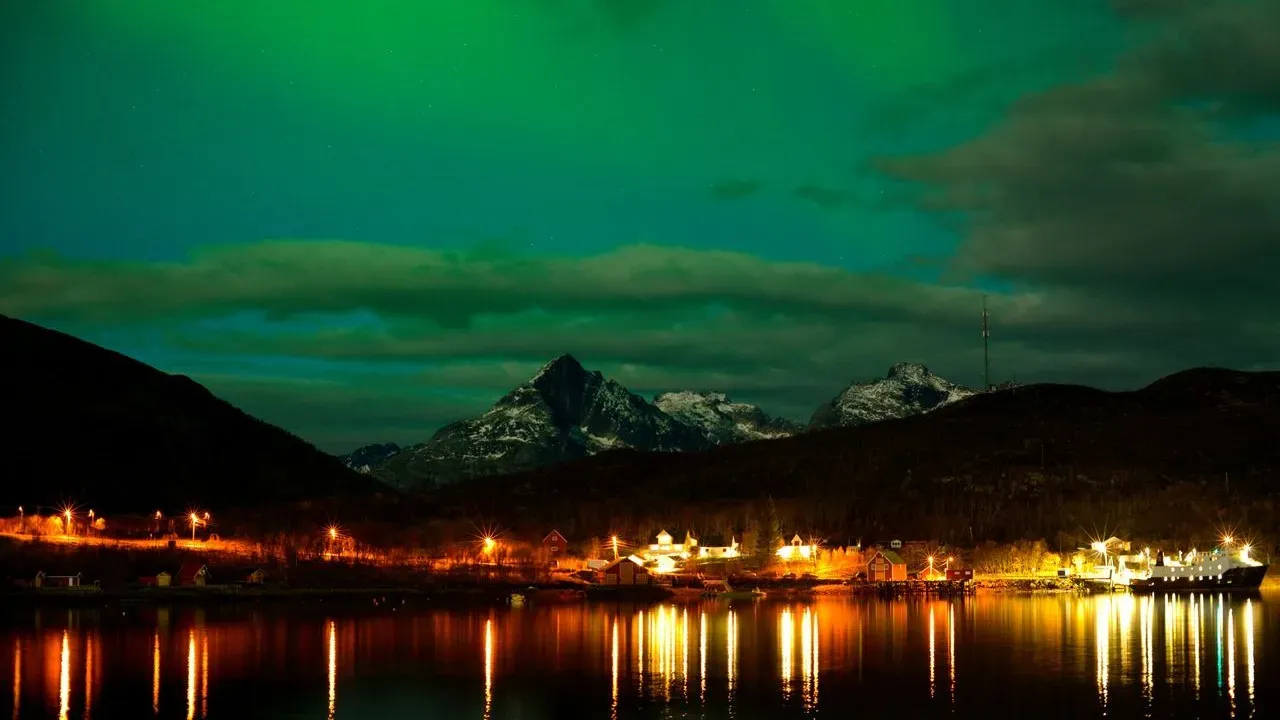

Norway’s northern reaches have long drawn travelers seeking the Northern Lights, yet 2026 stands apart because of heightened solar activity expected to intensify aurora displays across the Arctic. The solar cycle reaches its maximum around that time, increasing the frequency and strength of geomagnetic storms that produce vivid lights. This alignment of astronomical conditions and accessible viewing locations creates a notable window for observation in one of Europe’s most dramatic coastal regions.
Understanding the Solar Maximum
Solar activity follows an approximately eleven-year cycle, with peaks marked by more sunspots and stronger solar winds. During these periods, charged particles interact more vigorously with Earth’s atmosphere, generating brighter and more frequent auroras at higher latitudes. Astronomers note that the upcoming maximum could extend favorable conditions well into the year, offering repeated opportunities rather than isolated events. Travelers benefit from longer windows of darkness in winter months, when clear skies align with these heightened solar outputs.
Norway’s Distinct Viewing Advantages
Norway’s coastline north of the Arctic Circle provides stable platforms for aurora watching, with fjords and coastal waters offering unobstructed northern horizons. The combination of dark skies, minimal light pollution in remote areas, and reliable infrastructure supports extended stays. Coastal routes allow visitors to move between sheltered bays and open sea, adjusting for cloud cover while remaining close to cultural centers and small communities. This geography supports both spontaneous sightings and planned excursions without requiring extreme overland travel.
Traveling With Care and Purpose
Responsible observation begins with choosing operators that prioritize low-impact practices and support local economies. Respect for wildlife corridors, quiet zones, and Indigenous Sámi perspectives on the landscape helps preserve the very conditions that make the region special. Small-group sailings or land-based programs often emphasize education about the aurora’s scientific context alongside practical guidance on staying warm and safe during long nights outdoors. Such approaches turn a visual spectacle into a deeper encounter with Arctic ecology and heritage.
Practical Considerations for 2026
Bookings for winter sailings typically open well in advance, and demand rises during solar maximum years. Visitors should monitor space-weather forecasts closer to departure, as sudden geomagnetic activity can produce displays even on shorter notice. Layered clothing, flexible itineraries, and patience remain essential, since clear skies and timing determine success more than any single location. Those who plan with these factors in mind often return with memories shaped as much by the journey as by the lights themselves.
AI Disclaimer: This article was created with the assistance of AI tools and reviewed by a human editor.