
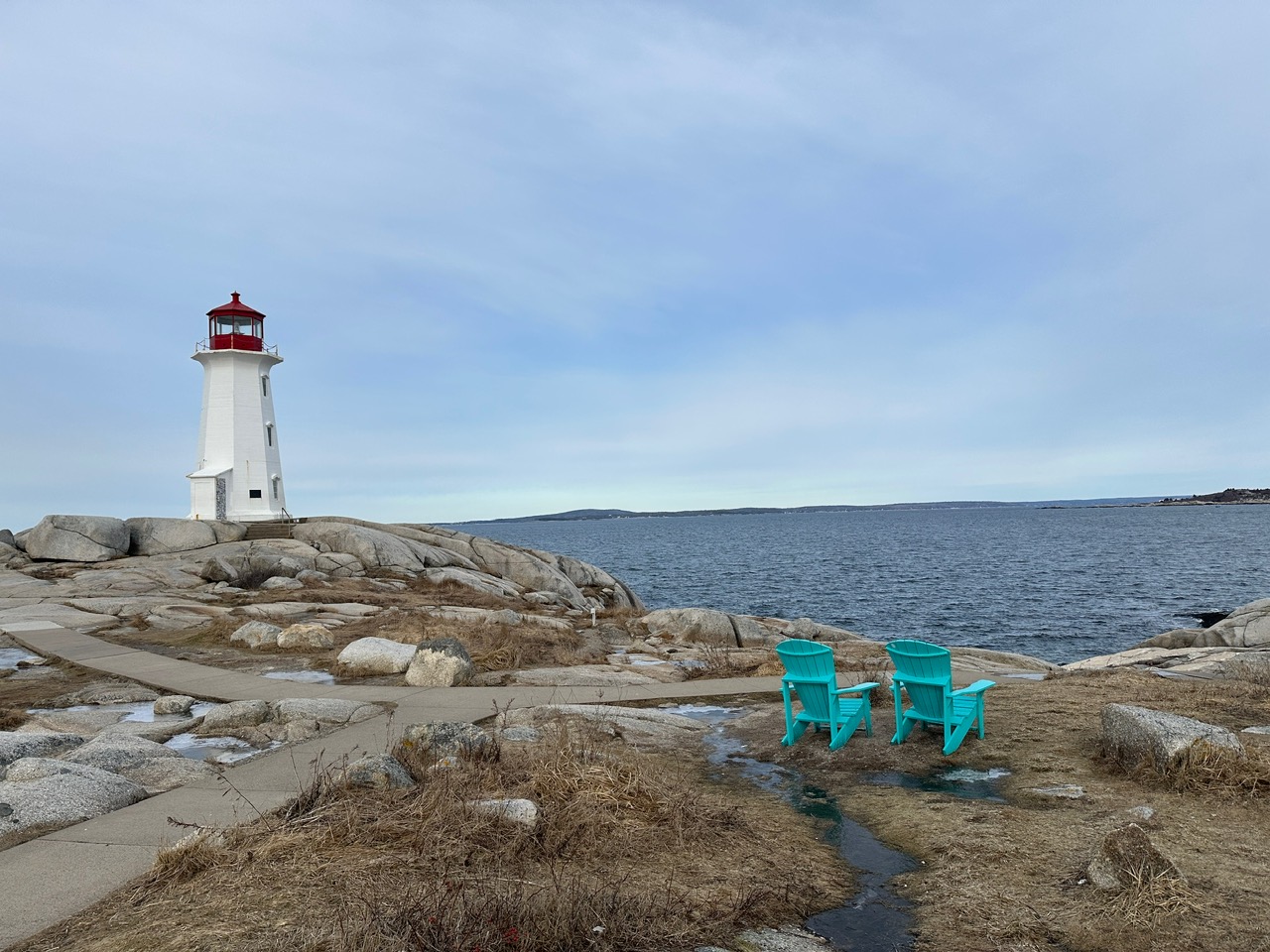

Even with some seasonal shops closed, Peggy’s Cove remains deeply compelling in spring’s shoulder season — not only for its lighthouse, but for its working harbour, wave-worn granite, artist legacy, and enduring way of life.
A Famous Place That Still Feels Lived In
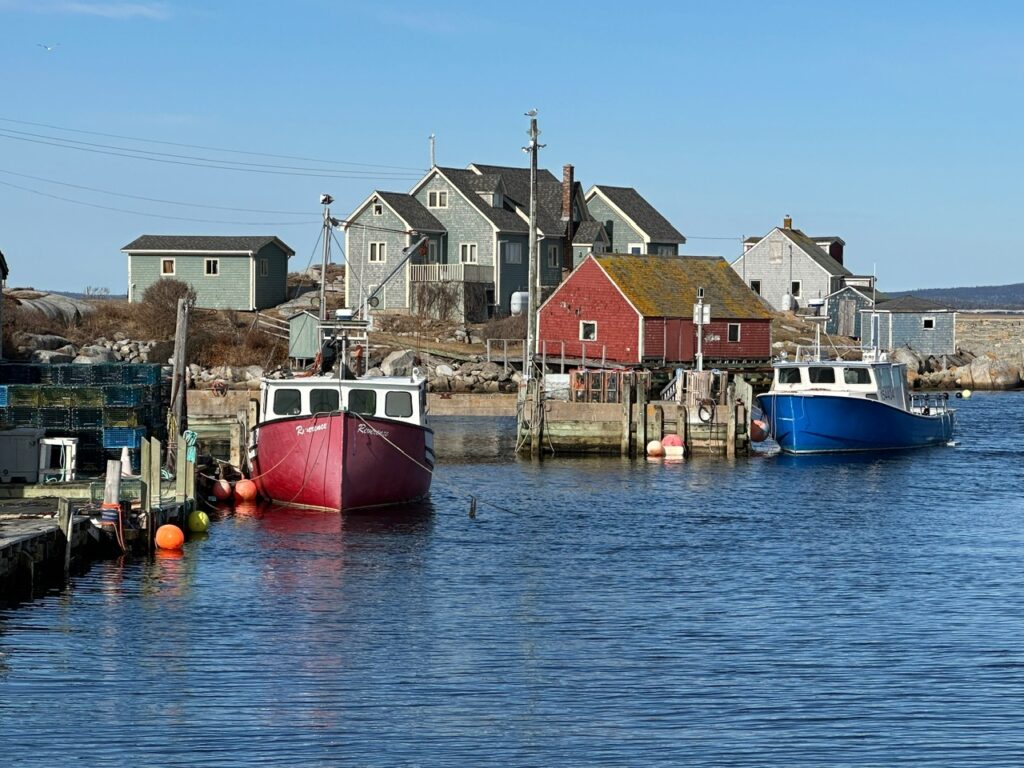
Some places become so photographed that you arrive wondering whether the real thing can possibly live up to the image. Peggy’s Cove does, but not in the way you might expect. Yes, the lighthouse is there, poised high on smooth granite above the Atlantic. Yes, the harbour below is full of weathered fish sheds, colourful boats, and the maritime texture that has made it one of the most photographed places in Canada. But what stayed with me was something quieter: Peggy’s Cove is still a living village shaped by the people who continue to call it home.
I visited in the off-season, when several shops were closed and the village moved at a calmer pace. Even so, visitors were still arriving, drawn by the lighthouse and, I think, by the hope of glimpsing something more than a postcard — a way of life shaped by weather, water, and endurance.
Beyond the Lighthouse
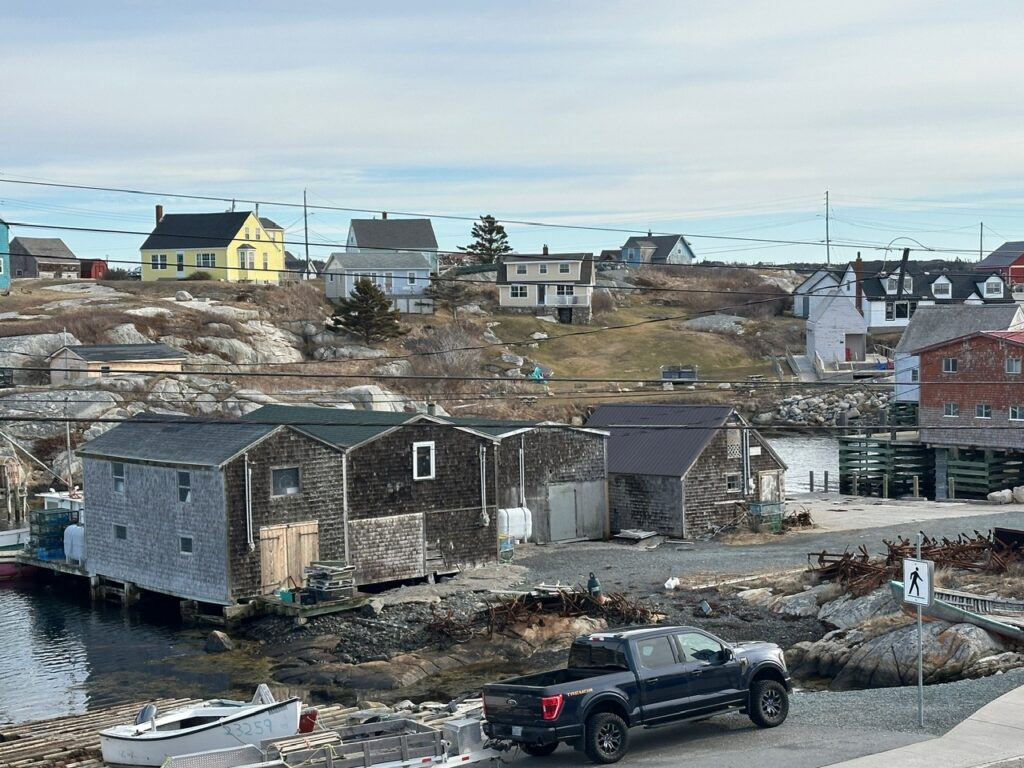
Peggy’s Cove is home to only a small year-round population of 32 residents, which is part of what makes the place so affecting. This is not an open-air stage set. It is a real community living inside a place the world has decided is iconic.
In the quieter months, that reality becomes easier to feel. Without the full hum of peak-season commerce, the village’s bones show through more clearly: the harbour, the church, the old homes, the artists’ traces, the roads curving around exposed rock, and the sea doing what it has always done.
Granite, Sea, and Deep Time
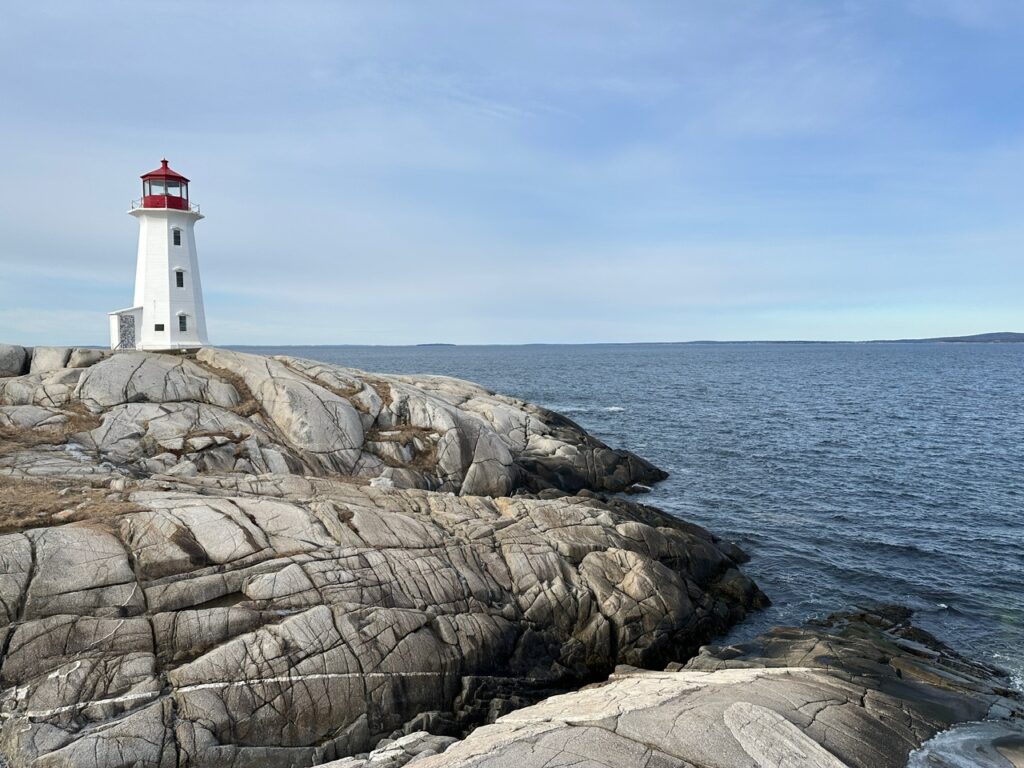
The rock at Peggy’s Cove tells a story far older than the village itself. The grey-white granite underfoot was formed deep below the surface and exposed over immense spans of time through uplift, erosion, and glaciation. Standing there, that ancient history does not feel abstract. The rock feels elemental, immense, and alive under your feet.
It also reminds you that beauty here comes with force. The black rocks and the warning signs are not decorative cautions. They are a direct reminder that the ocean at Peggy’s Cove is powerful and unpredictable. This is a place to experience with humility. The cove is magnificent, but it is not ornamental.
A Village Shaped by Work and Weather
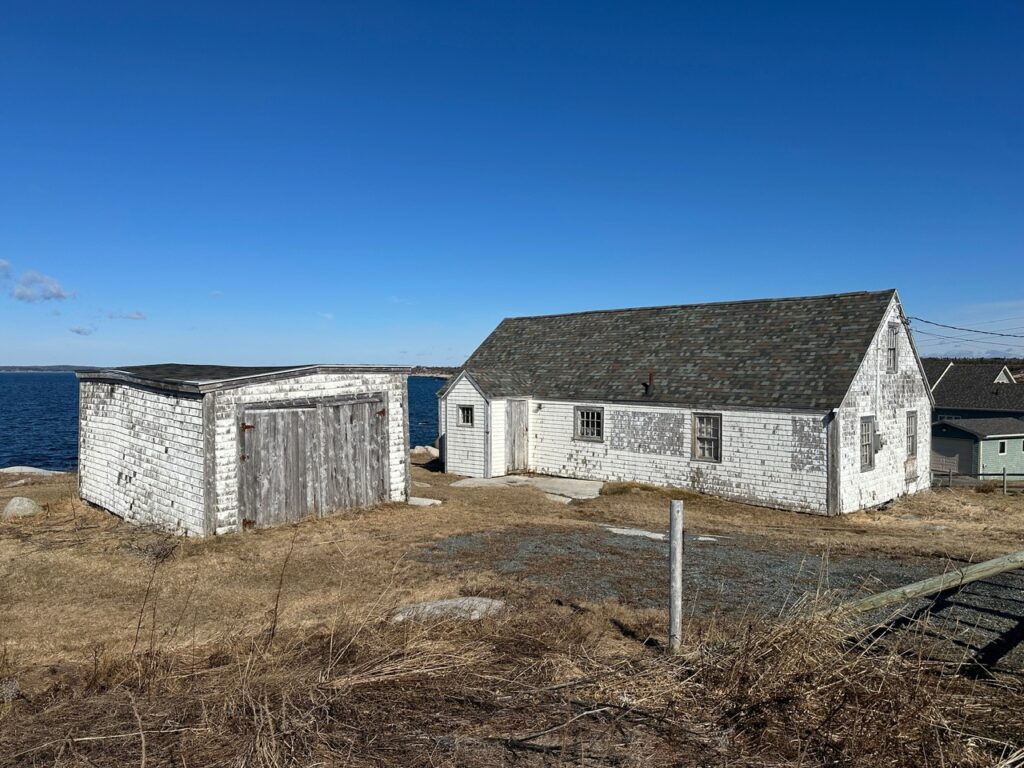
What makes Peggy’s Cove so memorable is not only its scenery, but the way human life has adapted to it. Homes were built on exposed granite in a place with little tree cover, fierce winds, and constant weather. The oldest surviving house near the lighthouse was built in 1812, and seeing it still standing sharpens your sense of what endurance really means here.
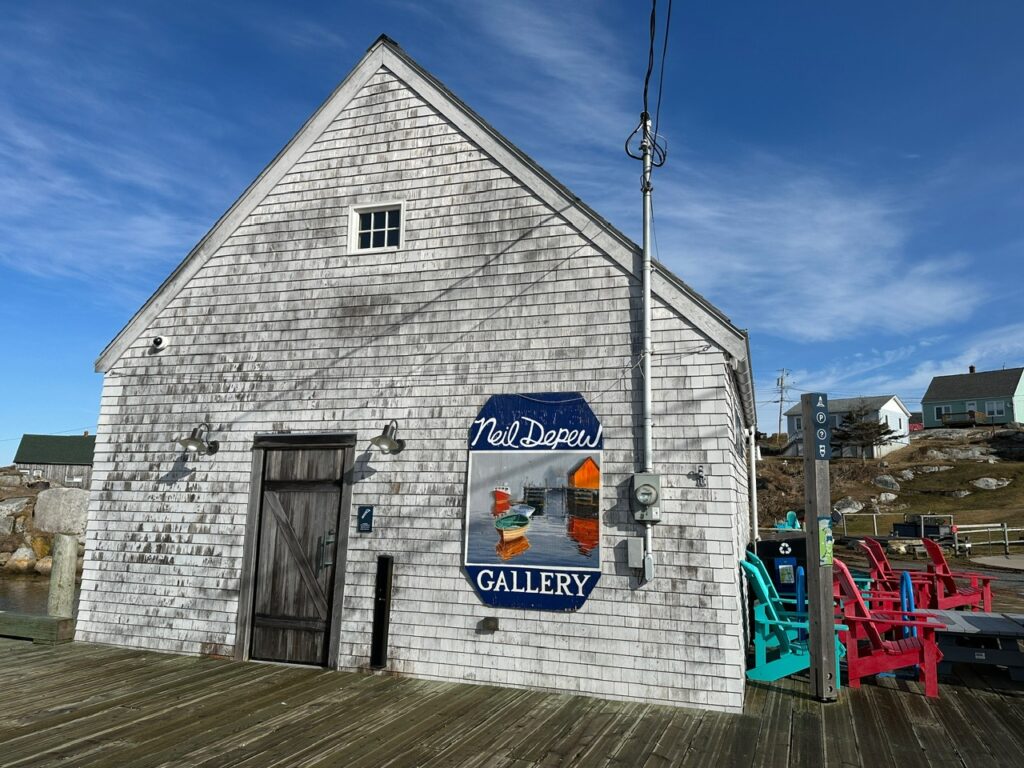
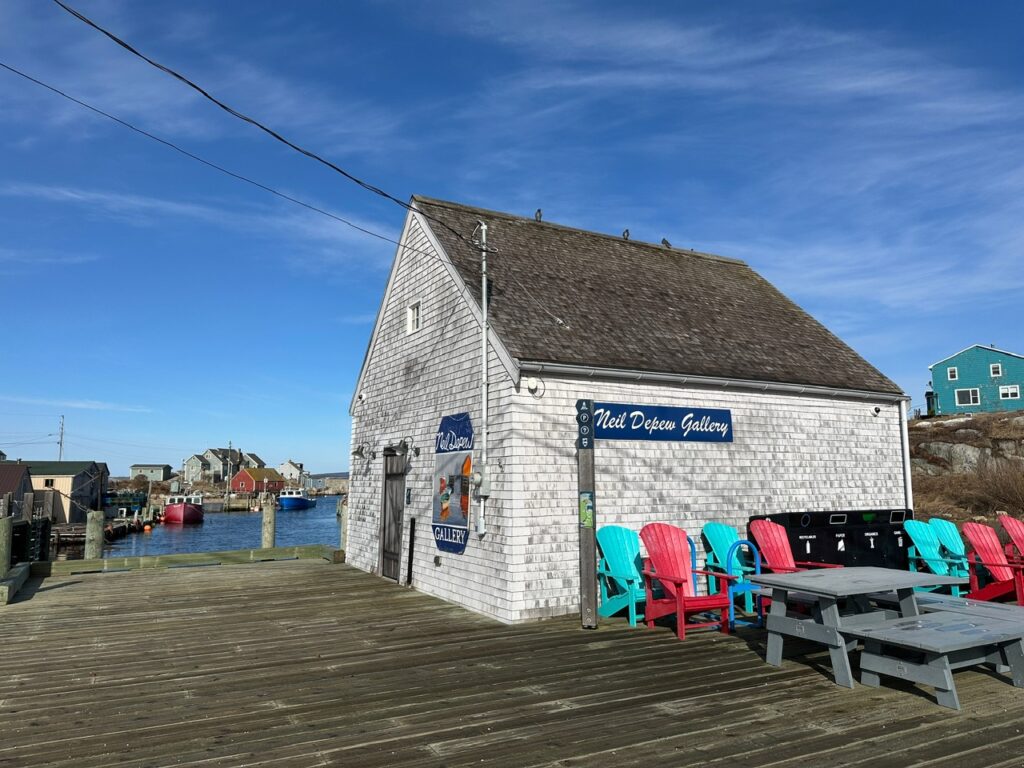
Fishing shaped Peggy’s Cove from the beginning, and that legacy is still visible in the boats, wharves, sheds, and working structures that define the shoreline. Even for visitors, there is a quiet understanding that this place was not created for us. We are entering a community that already has its own rhythm.
An Artist’s Eye on Peggy’s Cove
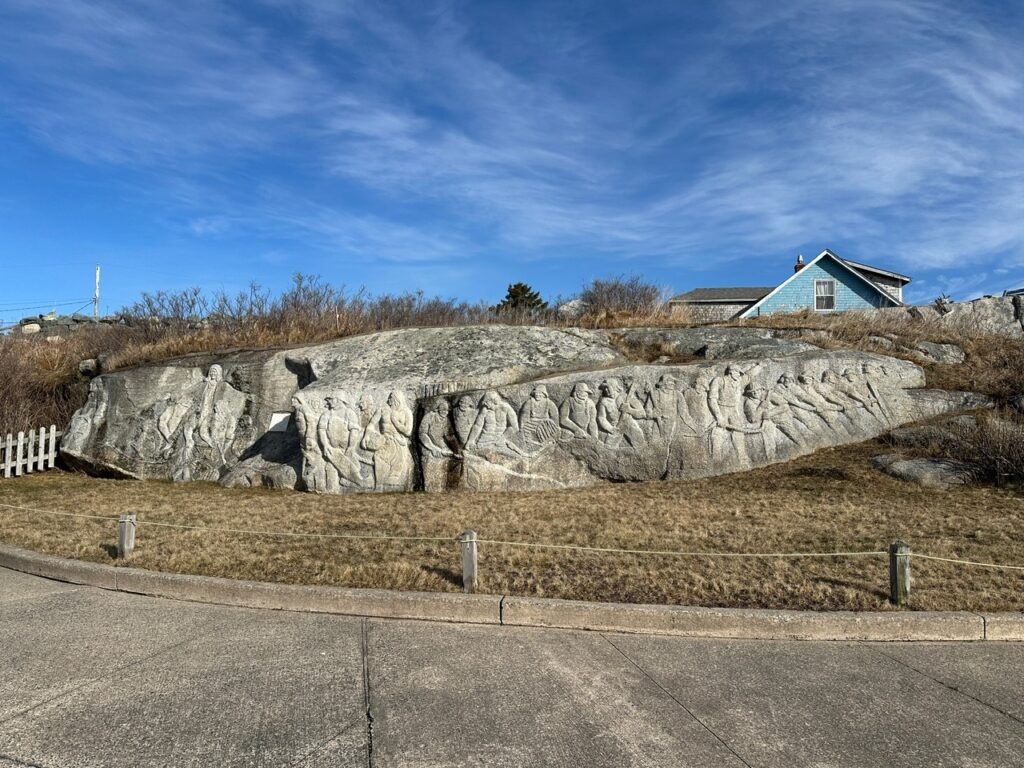
Peggy’s Cove has also long belonged to artists. William E. deGarthe, who settled here after coming to Canada from Finland, spent decades painting the cove and helped secure its place in Canada’s visual imagination. His gallery and the monumental granite carving nearby still anchor that artistic legacy.
It is easy to understand why so many painters and photographers kept returning. The houses sit in dialogue with the land. The boats throw colour against the water. The granite holds light in a way that makes the whole village feel at once stark and luminous. Even with some galleries closed for the season, that creative pulse remains.
St. John’s Anglican Church and the Hand of Boat Builders
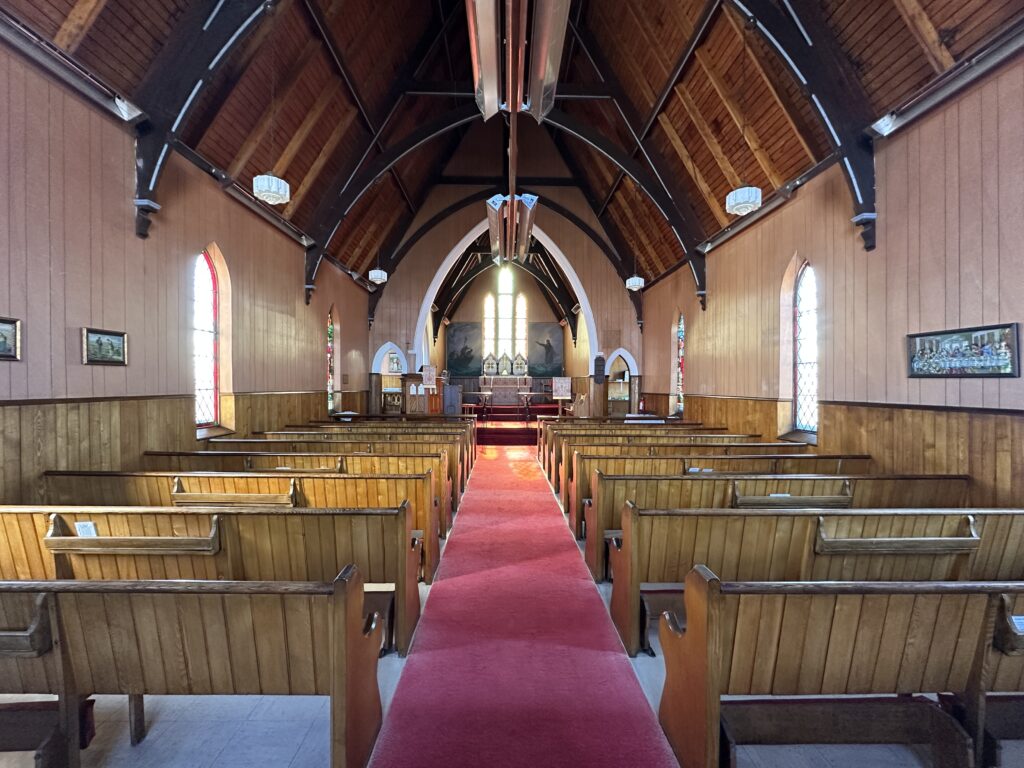
One of the most affecting stops in Peggy’s Cove is St. John’s Anglican Church, consecrated in 1885 and built as the second church on the site. It rises simply and beautifully above the village, its red roof vivid against the sky and sea.
Inside, the structure says even more. Looking up, the roofline feels unmistakably nautical, as though the church was framed by people who understood boats as much as buildings. The beams and curves resemble the bones of a wooden vessel turned upward in prayer. It is one of those details that tells you everything about a place without needing to say much at all. In Peggy’s Cove, even sacred space carries the logic of the sea.
A Village Being Cared For

Outside the church, I met Gavin, who was working on the front doors, which he had made by hand from white oak. That small moment stayed with me because it felt emblematic of how locals respect their history. Peggy’s Cove is not frozen in time. It is maintained, repaired, cared for, and lived in.
Why the Off-Season Feels Different
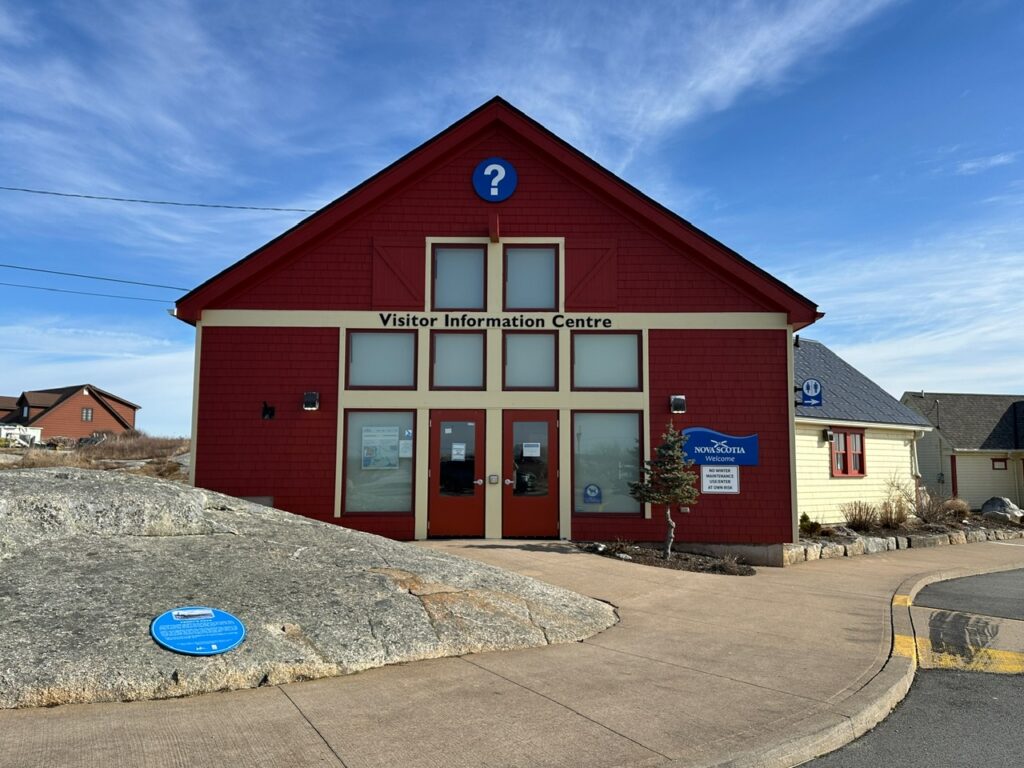
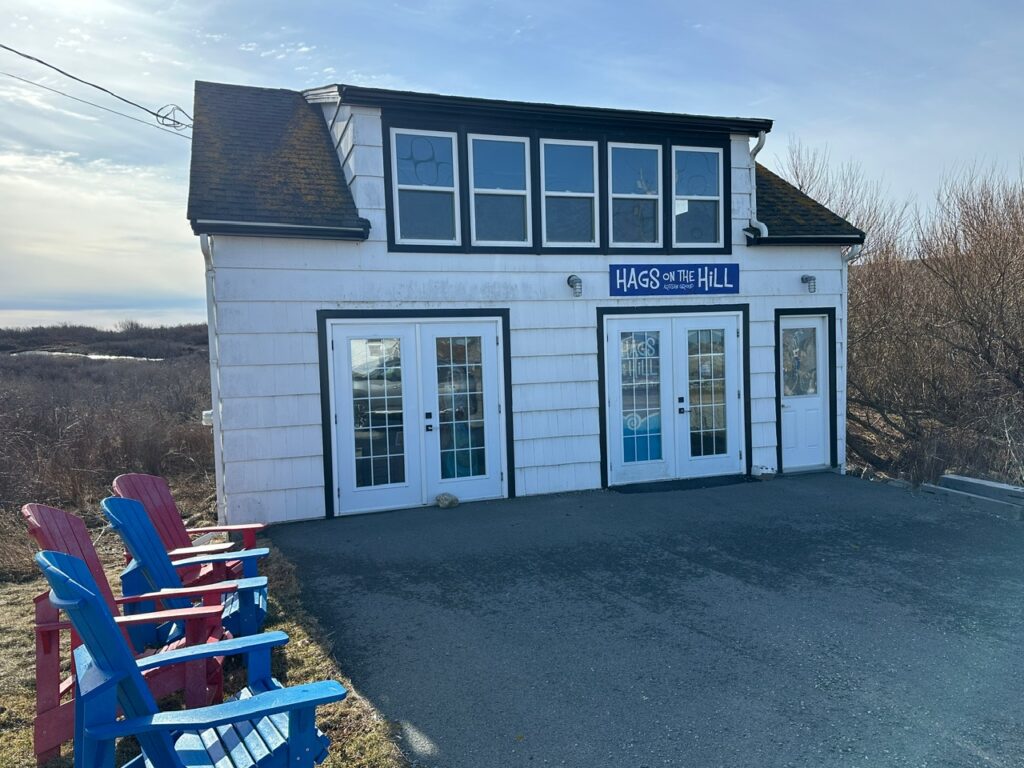
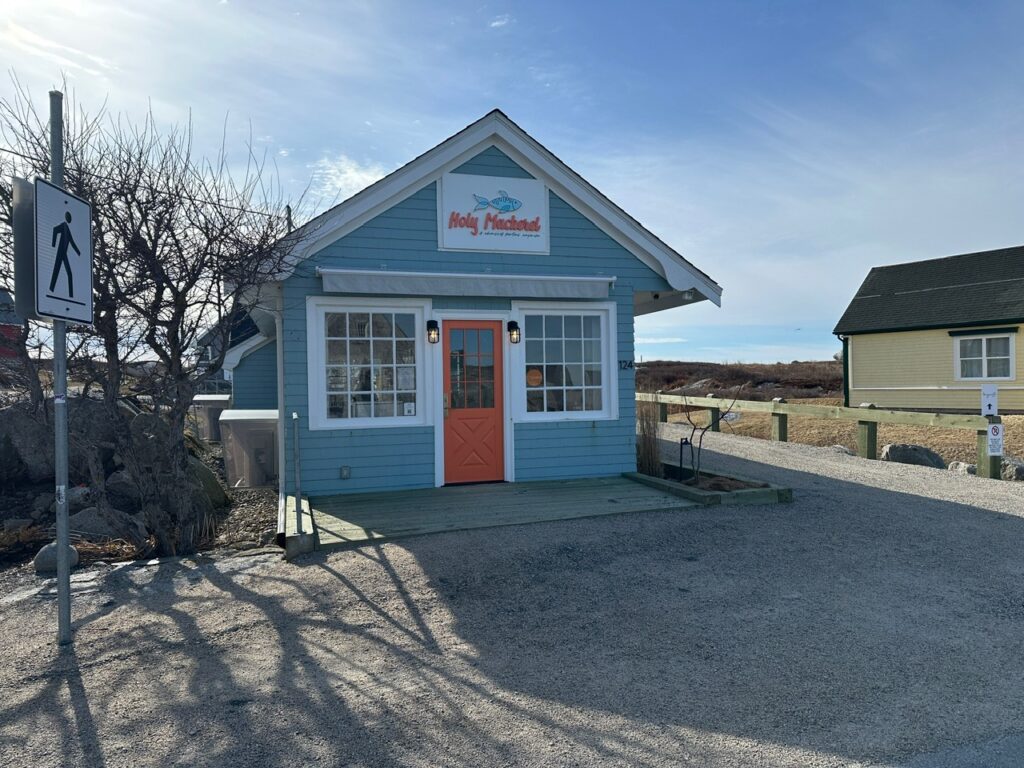
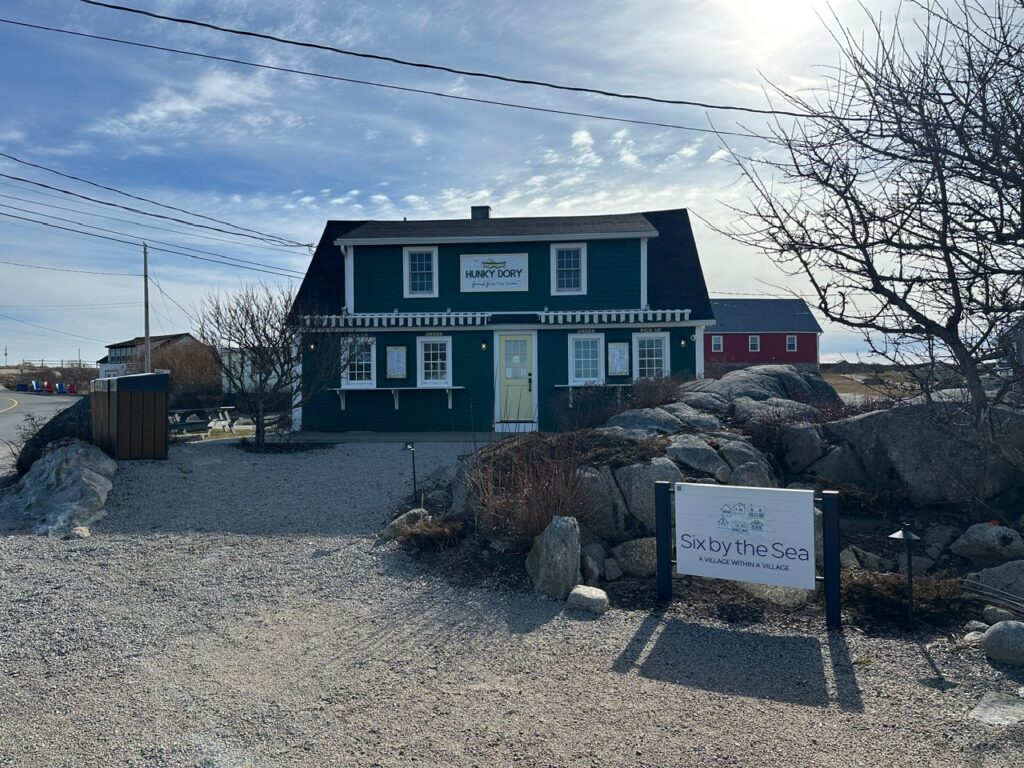
I loved visiting Peggy’s Cove at this time of year. There is a gentleness to it. A little breathing room. The village still receives visitors, but the atmosphere is quieter, more spacious, and perhaps more honest. With some shops closed for the season apart from the restaurant and a small gift shop, the emphasis shifts. You notice the harbour more. The church more. The geology more. The houses more. That does not make an off-season visit lesser. In some ways, it makes it richer.
Even when the visitor centre is closed for the season, the educational placards outside still offer meaningful context, helping visitors understand the village’s layered history, geology, and cultural legacy.
The Beautiful Drive Back to Halifax

The drive back to Halifax felt like part of the experience rather than simply the way home. After the exposed granite, the sea, the church, the harbour, and the quiet pull of the village itself, the road became a way of letting the place settle in. It was beautiful, peaceful, and grounding in exactly the way a coastal drive should be.
Tips
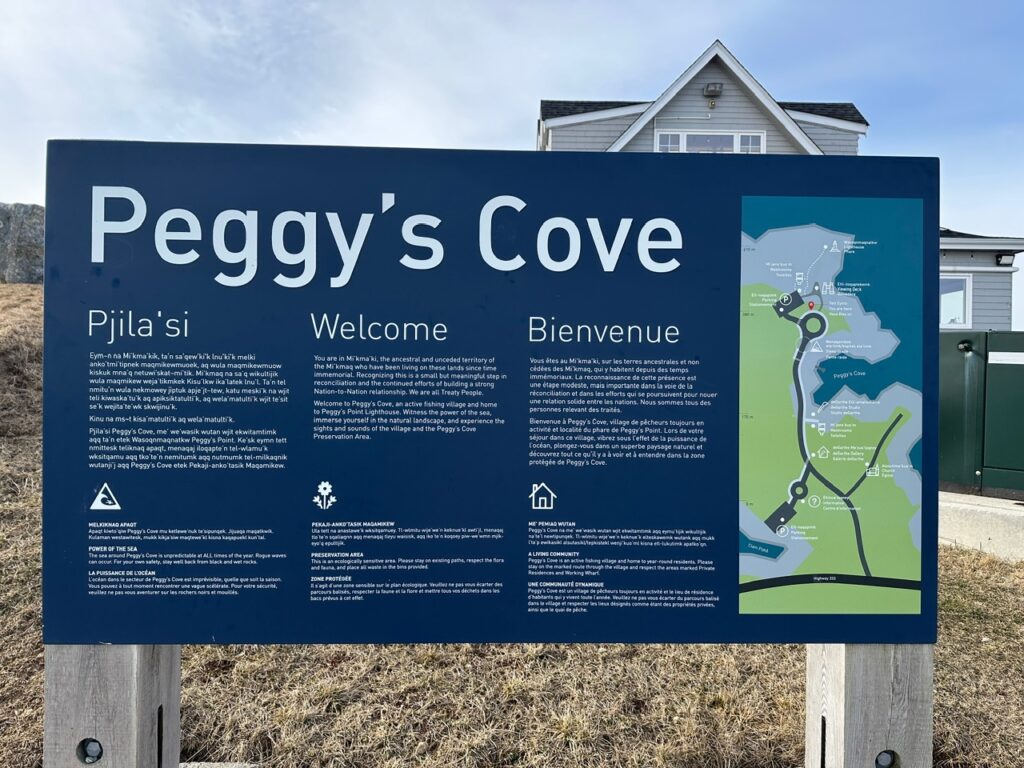
- Respect that Peggy’s Cove is a living village, not just a famous lookout. People call this place home year-round, and visitors should move through it with care and consideration.
- Stay on marked paths and keep well away from the black rocks. The coastline is beautiful, but the ocean here is powerful and unpredictable.
- Give yourself time beyond the lighthouse. The church, harbour, homes, and artistic history are what turn Peggy’s Cove from a famous stop into a fuller story.
- Slow down. Peggy’s Cove is best experienced with attention, not haste.
The Takeaway
Peggy’s Cove is famous for a reason, but the lighthouse is only the beginning. The fuller story is one of granite, weather, artistry, faith, and a small community that still lives and works at the edge of the Atlantic. That is what stayed with me most — not just the view, but the life behind it.

Every journey leaves a mark, and small choices can make a big difference. Choosing eco-friendly stays, supporting local communities, and being mindful of plastic use help preserve the beauty of the places we visit. Respecting wildlife, conserving resources, and travelling sustainably ensure future generations can experience the same wonders. By treading lightly and embracing responsible travel, we create meaningful connections and lasting memories. Here’s to adventures that inspire and footprints that honour our planet. Safe and mindful travels!
This trip to Nova Scotia was graciously hosted by Visit Nova Scotia.
Photos by Helen Hatzis.