
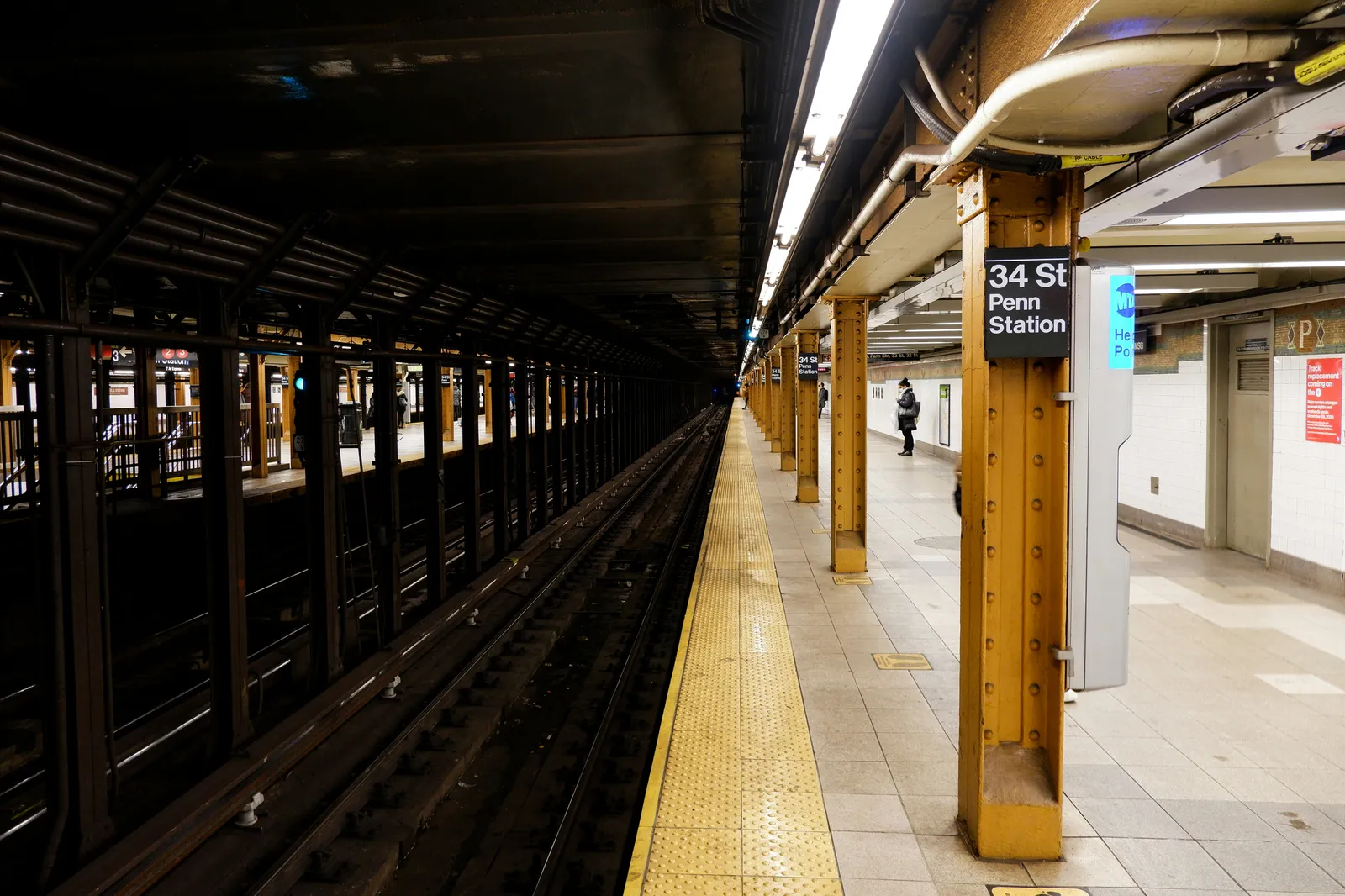

New York’s Penn Station serves millions of passengers each year as a critical link in the Northeast rail network. Daily operations there have been marked by crowding, confusing layouts, and aging infrastructure that affect commuters, long-distance travelers, and regional economies alike. Fresh redesign proposals now aim to tackle several of these entrenched difficulties through targeted physical and functional upgrades.
Daily Realities for Passengers and Operators
Travelers routinely navigate narrow concourses and limited seating while transferring between Amtrak, Long Island Rail Road, and New Jersey Transit services. Peak-hour congestion often leads to delays in boarding and alighting, creating ripple effects across connecting routes. Station staff and rail operators have documented repeated bottlenecks that slow overall throughput and increase the risk of missed connections.
These conditions impose measurable costs on businesses that rely on reliable employee commutes and on freight-adjacent logistics that intersect with passenger movements. Local officials have noted that the station’s shortcomings extend beyond inconvenience to affect broader mobility patterns in the metropolitan area.
Scope of the Redesign Initiative
Current planning documents outline modifications intended to improve circulation, expand passenger amenities, and modernize core facilities. The effort focuses on reconfiguring interior spaces and enhancing wayfinding to reduce confusion during transfers. Proponents expect these adjustments to increase capacity without requiring entirely new construction footprints.
Stakeholders including federal transportation agencies, state authorities, and private rail operators are coordinating on timelines and funding mechanisms. Early phases emphasize incremental changes that can be implemented while maintaining service continuity for the millions who pass through annually.
Potential Effects on Regional Travel
Improved flow inside the station could shorten average dwell times for trains and ease pressure on adjacent rail lines. Commuters from New Jersey, Long Island, and upstate New York stand to benefit from more predictable schedules once circulation improves. Business districts near the station may also see secondary gains from smoother pedestrian movement at street level.
Still, success will depend on coordinated execution across multiple agencies and sustained investment through construction phases. Observers point out that previous improvement attempts at the site have delivered only partial relief, underscoring the need for comprehensive follow-through on the latest proposals.
Next Steps and Oversight
Public review periods and environmental assessments are scheduled to refine the final design elements. Rail carriers have begun internal modeling to project service impacts once work begins. Continued monitoring by transportation planners will track whether the implemented changes produce the intended reductions in congestion and improvements in passenger satisfaction.
The outcome remains tied to steady progress on funding and permitting, leaving open the question of how fully the redesign will resolve the station’s accumulated operational strains.
AI Disclaimer: This article was created with the assistance of AI tools and reviewed by a human editor.