
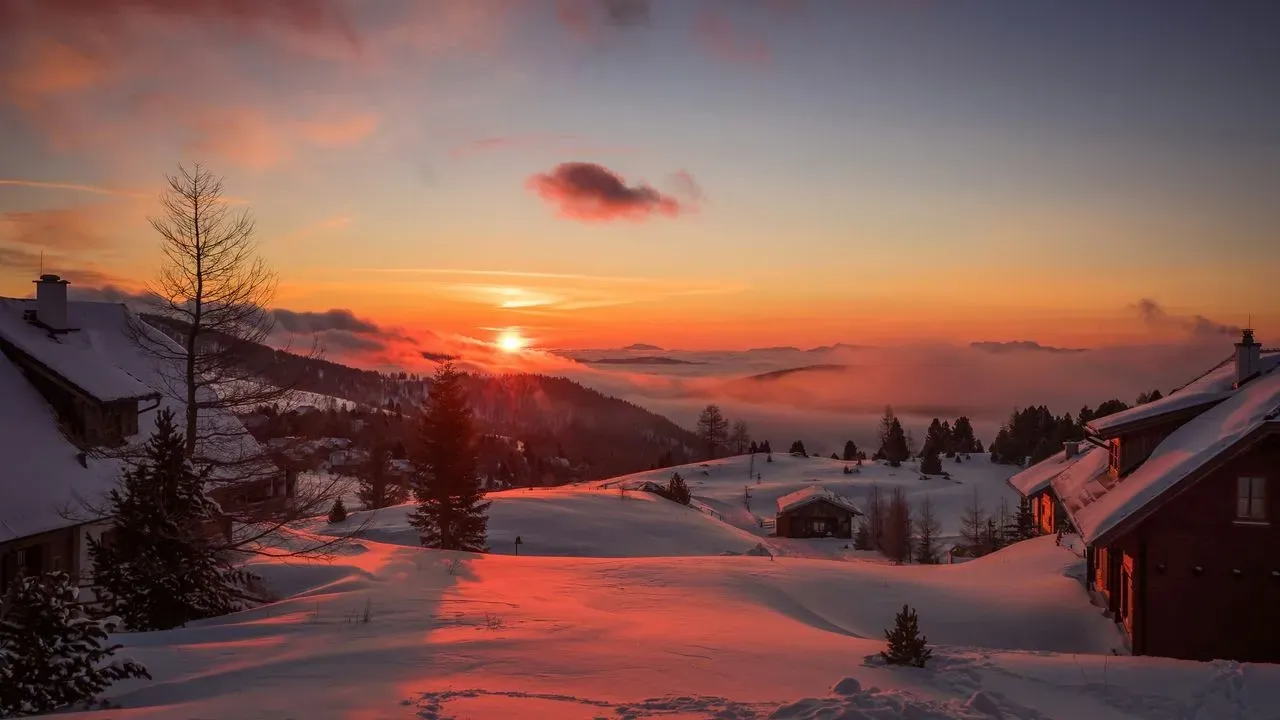

Across much of the United States, winter days often end early, with darkness settling in well before many people finish work or begin evening plans. A shift to permanent daylight saving time would move the clocks forward year-round, pushing sunset later into the evening even in the shortest months. This change could reshape how travelers and locals alike experience the season, opening new windows for outdoor time after dark. ([1])
Why the Change Matters for Daily Rhythms
Standard time keeps the sun setting as early as 4:30 or 5 p.m. in many northern and mid-latitude states during December and January. Permanent daylight saving would align clocks with the later schedule already used in summer, adding roughly an hour of evening light throughout winter. The result would be sunsets that arrive closer to 6 or even 7 p.m. in some regions, extending the usable portion of the day for people returning from work or arriving at destinations.
Travelers often notice how early darkness limits spontaneous walks, park visits, or scenic drives once the sun drops. With more light available after typical business hours, short winter getaways could include relaxed evening explorations that currently feel rushed or impossible. The adjustment would affect planning for everything from city breaks to national park visits, where golden-hour photography and after-dinner strolls become more feasible.
Regional Differences in Evening Light
The impact would vary by longitude and latitude. Eastern states might see the most noticeable extension because their sunsets already occur earlier relative to clock time. Western areas would gain as well, though the precise hour of sunset would still depend on exact location within each time zone. Southern states, where winter days are naturally longer, would experience a subtler but still meaningful shift toward brighter evenings.
Coastal and mountain destinations stand to benefit in distinct ways. Beach towns could offer safer, more inviting walks at dusk, while ski areas and hiking trails might welcome visitors for twilight outings that feel less hurried. Urban centers would gain extended hours for outdoor dining, holiday markets, and waterfront promenades that currently close early with the light.
Travel Planning and Outdoor Opportunities
Longer winter evenings could encourage more shoulder-season trips, when crowds are lighter and lodging rates often lower. Families might schedule flights or drives to arrive in time for an unhurried sunset view rather than racing against early darkness. Photographers and nature enthusiasts would find additional time to capture changing light across landscapes that currently transition quickly from day to night.
Responsible travelers could use the extra daylight to explore on foot or by bike, reducing reliance on vehicles for short evening excursions. National parks and public lands already promote low-impact visits; extended light would simply make those visits more comfortable during colder months. Local businesses near trailheads or scenic overlooks might see steadier foot traffic as visitors linger longer into the evening.
What Matters Now
Any move to permanent daylight saving remains under discussion at the federal level, with potential effects unfolding gradually if legislation advances. Travelers watching the calendar for winter escapes can begin noting how current sunset times shape their itineraries and imagine the difference an extra hour might make. The practical outcome would be more flexible evenings that feel less compressed by darkness.
Communities across the country would adapt at their own pace, adjusting everything from public transit schedules to outdoor event programming. The core shift, however, centers on lived experience: winter would simply feel a little brighter at the end of each day, inviting people to step outside rather than retreat indoors as soon as work concludes.
AI Disclaimer: This article was created with the assistance of AI tools and reviewed by a human editor.