
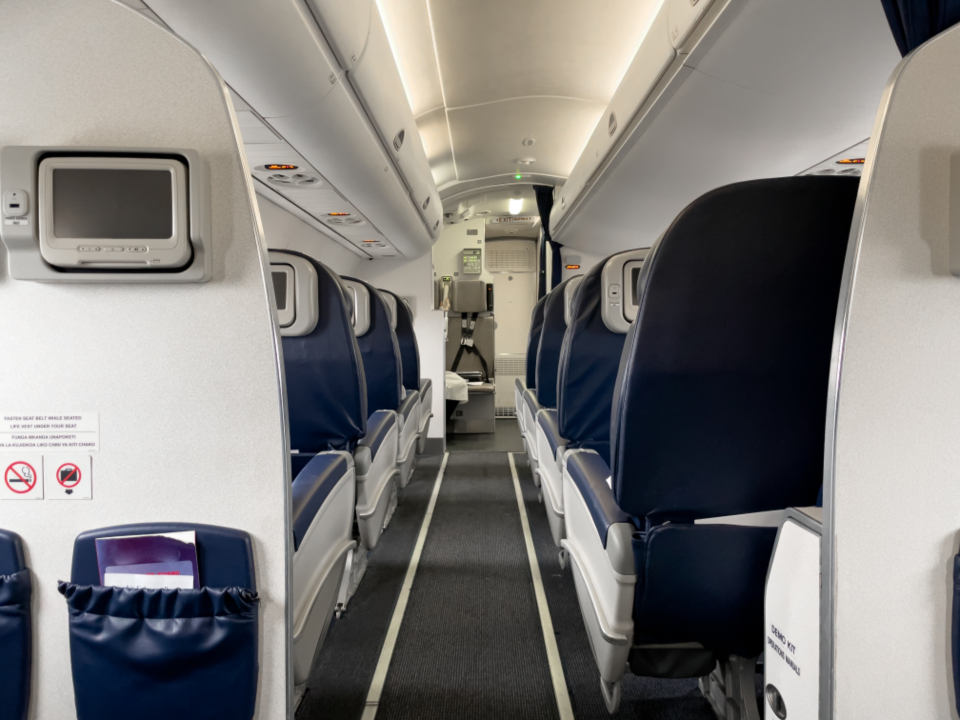

Most travelers pick their seat based on habit. Window for the view, aisle for the legroom. Very few stop to think about what the people who actually fly for a living would choose – or more tellingly, what they’d refuse to sit in. Pilots, flight attendants, and aviation experts have been surprisingly candid about this, and the answers consistently point to specific rows and zones that most passengers unknowingly book without a second thought.
Here’s what the people who know planes best want you to understand before your next flight.
The Last Row: The One Everyone in Aviation Avoids
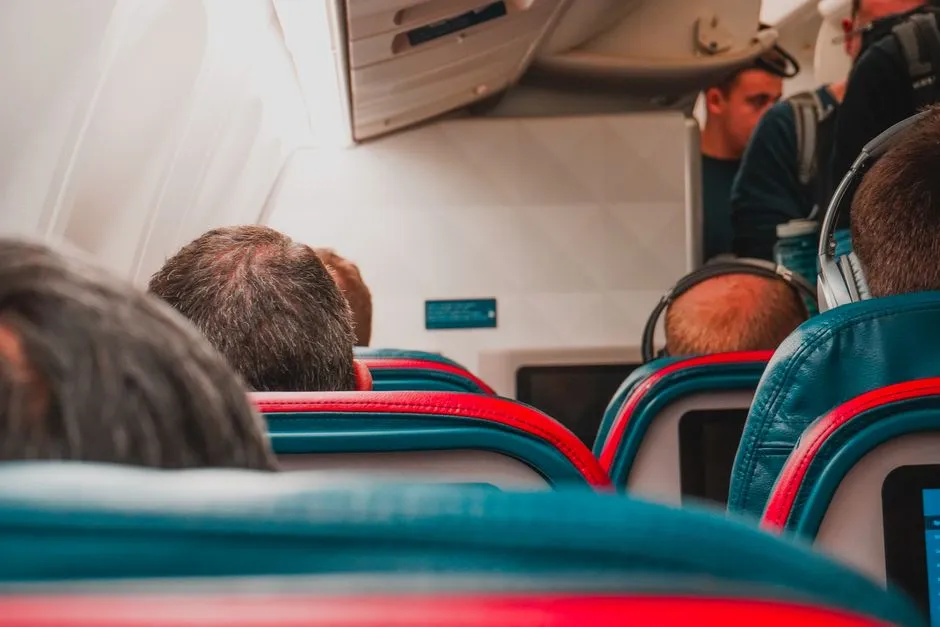
The worst seats are widely considered to be in the last row of any cabin. They typically don’t recline, experience the most turbulence, sit right next to lavatories with their accompanying noise and odors, and passengers there are last to deplane. That’s a remarkable concentration of inconvenience in a single row.
Former SeatGuru content specialist David Duff described these seats simply as “in the last row of the aircraft,” noting that the proximity to the lavatory and galley creates constant issues with noise, smells, people queuing, and flight crew opening and closing storage compartments throughout the flight.
On top of that, windows are often missing at these seats entirely, and turbulence is noticeably stronger toward the back of the plane. It’s the one row that aviation professionals almost universally steer clear of.
Row 11: The Crew’s Least Favorite Spot in Economy
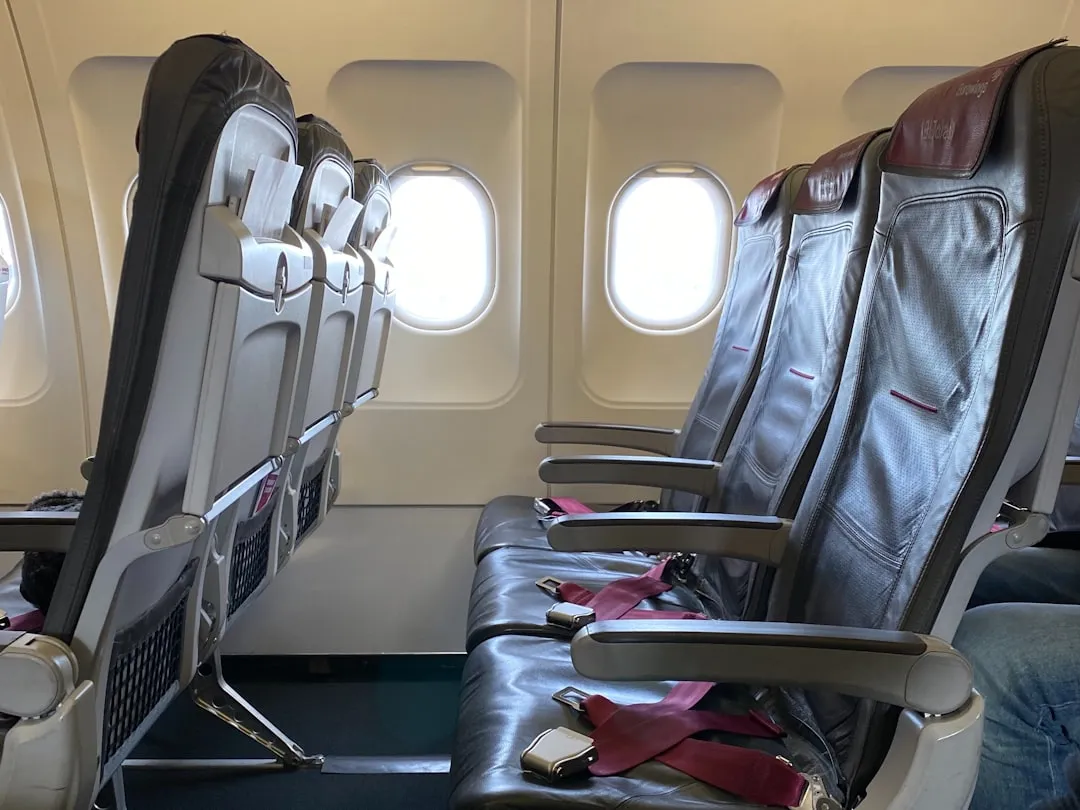
Flight attendants from leading airlines partnered with the luxury guide platform Velloy to reveal their top travel hacks, and the middle row – particularly window seats 11A and 11F – was identified as the worst spot for travelers. These seats are often the last to deplane and among the last to receive meal service.
In Velloy’s survey of British flight attendants, crew members said row 11 is the worst overall, specifically seats 11A and 11F, which are typically the window seats on that row. The problem is less about turbulence or noise here, and more about the structural reality of how aircraft board, serve, and unload passengers.
Flight attendants surveyed noted that those seats in the middle of the plane are often among the last to leave on flights that deplane from both front and back. On single-door deplaning flights, the back row is actually the longest wait of all.
Seats That Won’t Recline: The Silent Comfort Thief
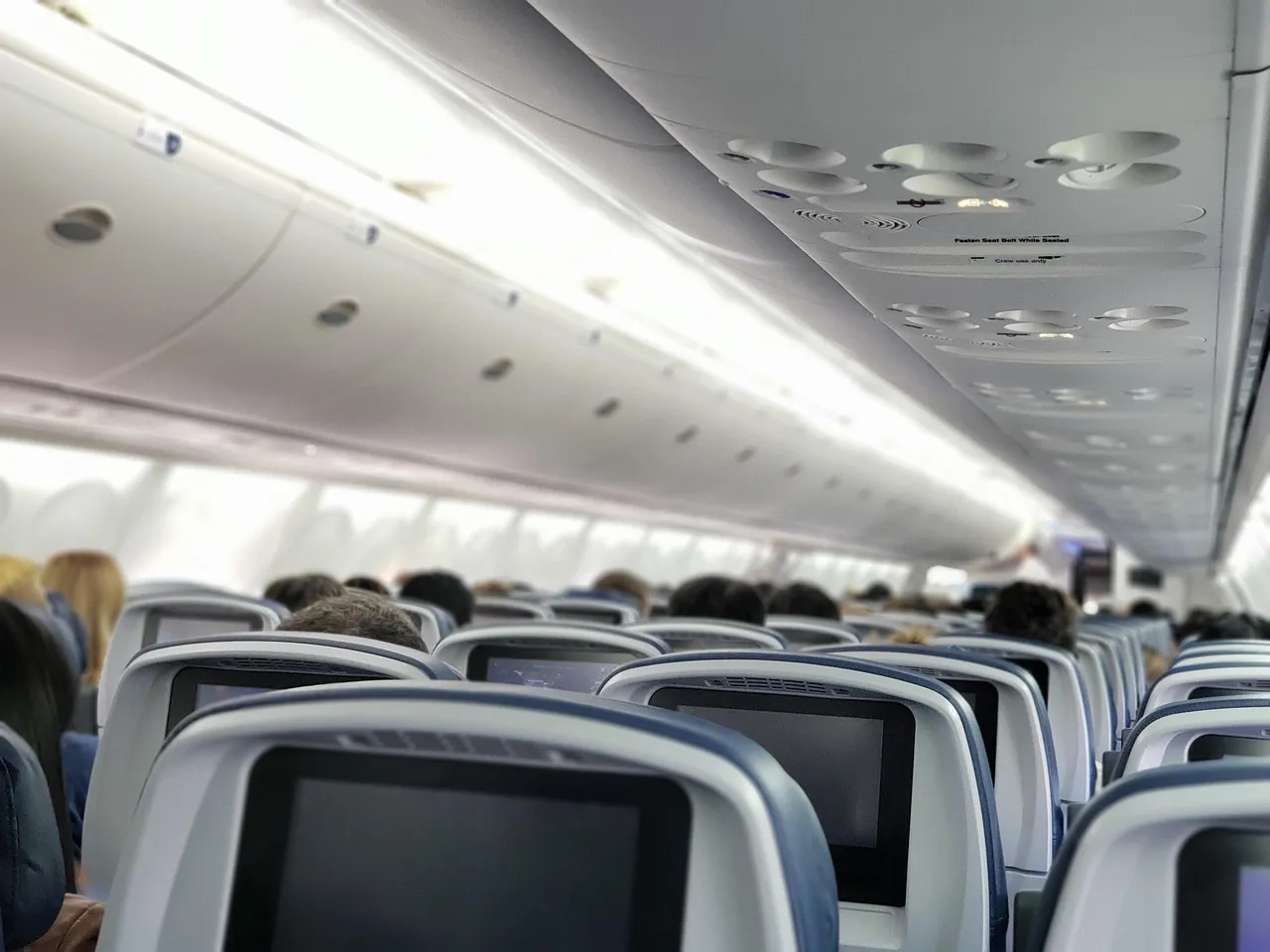
The absolute worst place to sit on most narrowbody aircraft is the very last row, often row 30 on common jet types. These seats almost never recline, forcing passengers to sit completely upright for the entire duration of the flight. On a short hop that’s tolerable. On a transatlantic flight, it’s a different story entirely.
Seats directly in front of exit rows also present this problem – they often don’t recline, or recline only minimally, to maintain clearance for the exit row behind them. This catches a lot of travelers off guard, especially those who book these rows hoping for an exit row upgrade without the extra fee.
All middle seats are unpopular for obvious reasons, and the seats directly in front of an exit row aren’t ideal either, since they usually have limited recline in case the plane needs to be evacuated quickly.
The Tail Section and Turbulence: More Than Just a Bumpy Ride
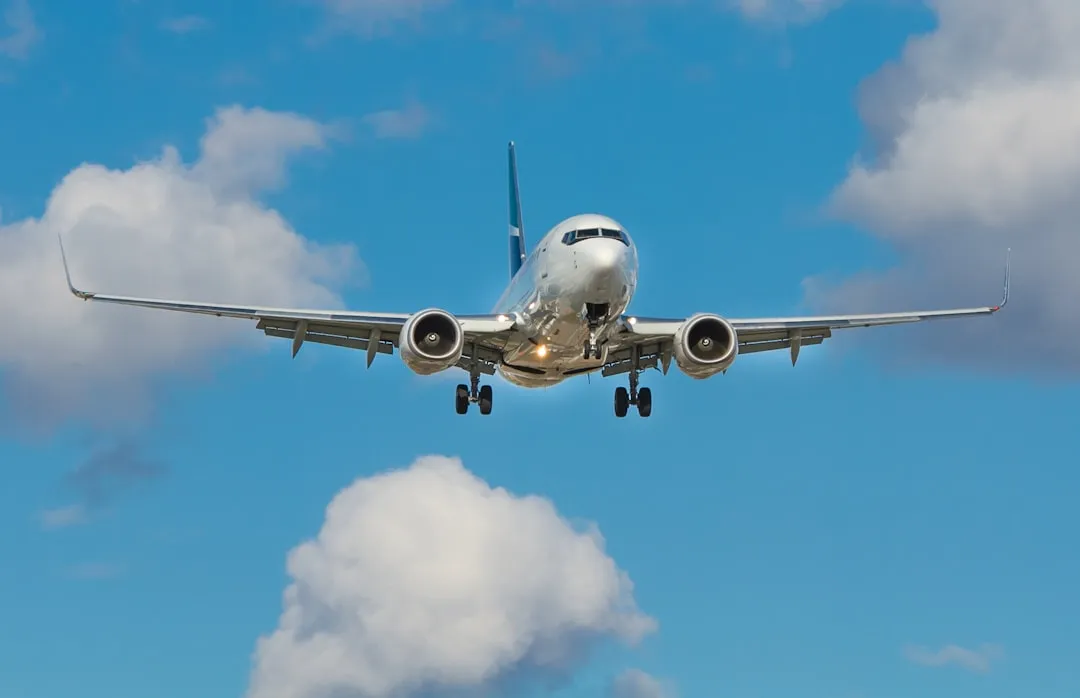
The tail section experiences more movement because it sits behind the plane’s center of gravity, which amplifies turbulence and vibration. Passengers regularly describe a distinct “see-saw” sensation when the aircraft encounters air pockets.
Seats toward the back of the plane tend to experience more turbulence than those toward the front, and those who experience motion sickness should avoid seats in the back. This isn’t just a perception issue. It’s physics, and it’s consistent across aircraft types.
The rear of the aircraft genuinely experiences more turbulence than other areas. Aviation experts note that seats located above the wings provide the most stability, while the back section is measurably less comfortable during turbulent conditions.
Galley-Adjacent Seats: Where Sleep Goes to Die
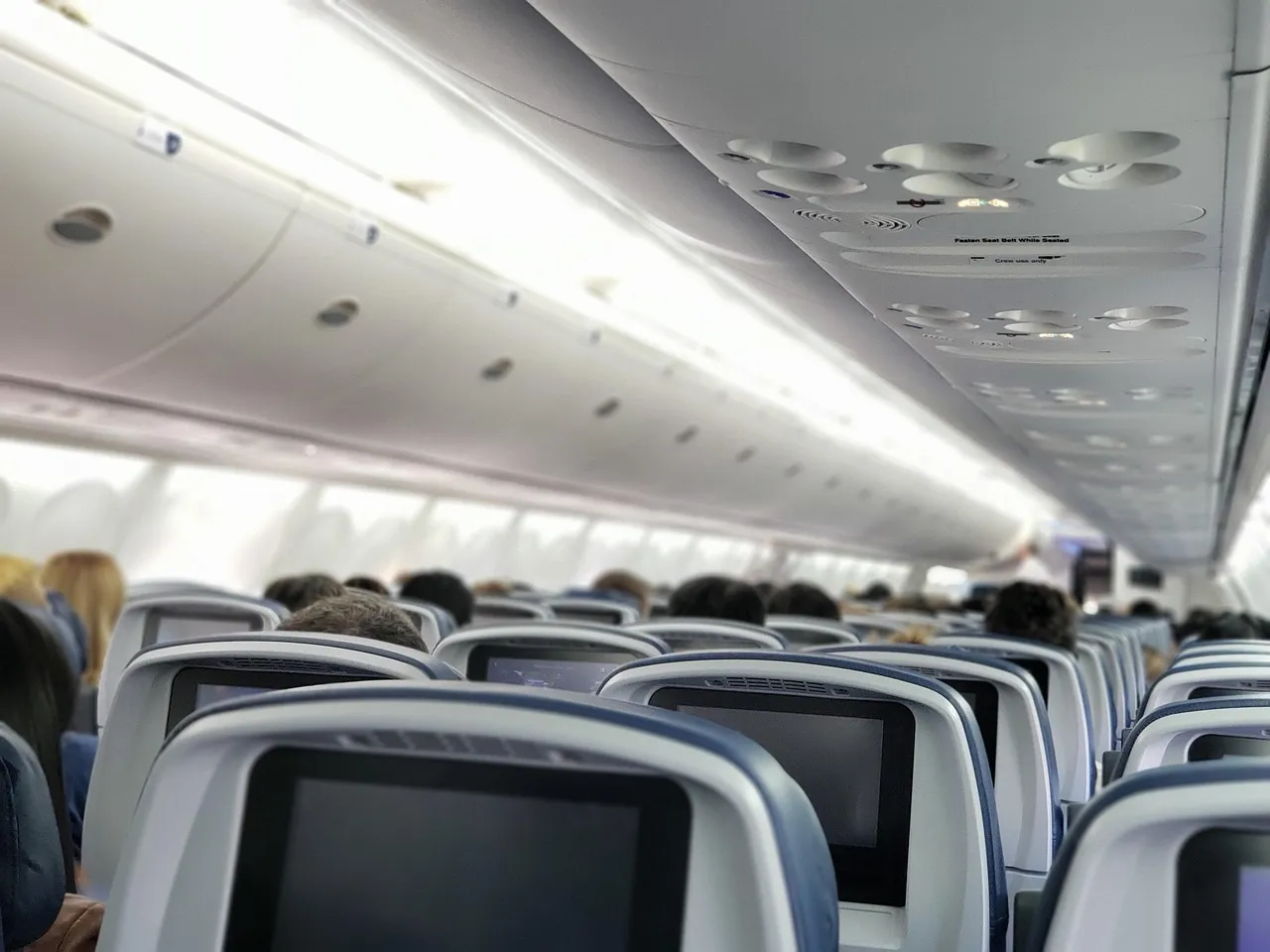
Experts consistently rank the seats beside lavatories and galleys among the worst, especially for passengers hoping to rest. These areas are never truly quiet – doors open and close constantly, carts roll by, and travelers line up in the aisle for the duration of the flight.
Rear galley-adjacent seats place you right where flight attendants work throughout the entire flight. Storage compartments open, conversations happen, and meal prep generates continuous noise. It doesn’t stop.
Knowledgeable crew members actually prefer seats that are five rows in front of or behind the galleys and lavatories specifically because those locations are noticeably quieter. That detail alone is worth remembering the next time you’re choosing.
The Middle-of-the-Cabin Problem: Service, Food, and Waiting
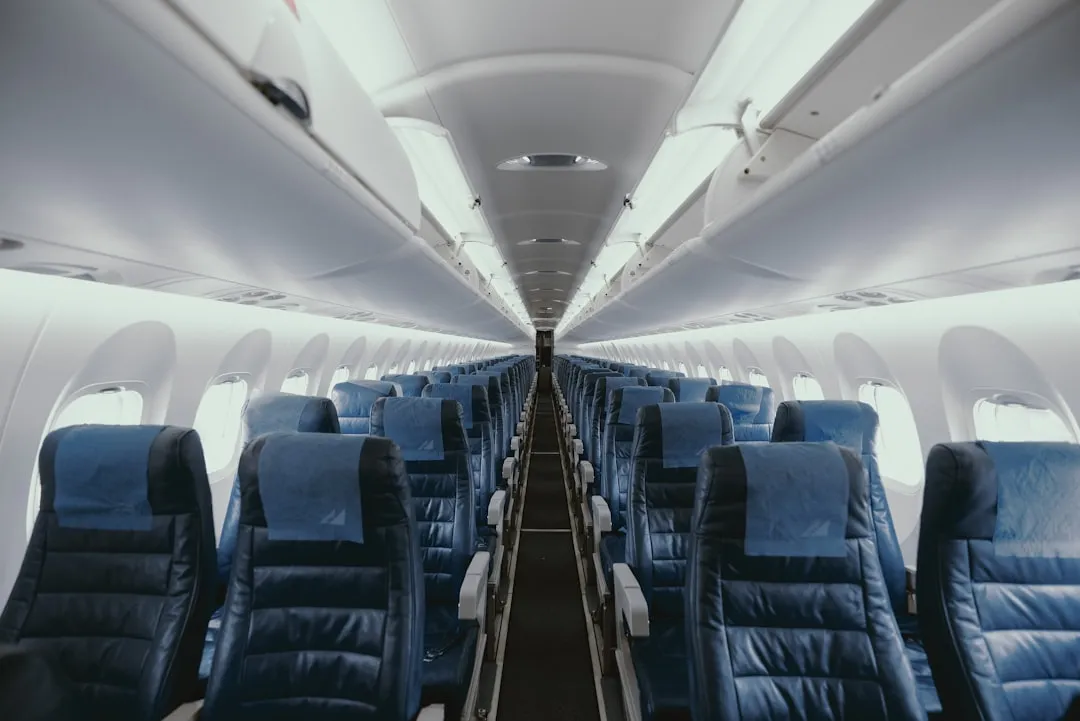
The premise of avoiding the middle seats is well-founded – flight attendants may run out of drink or snack choices by the time the cart reaches those rows, particularly on smaller planes that serve from front to back. It sounds minor, but on a long-haul flight with limited hot meal options, it actually matters.
On flights that deplane from both the front and back, passengers seated in the true middle of the cabin are often among the very last to exit. You’re not first off from the front, and not first off from the rear. You’re simply waiting.
The “Window Seat” That Has No Window
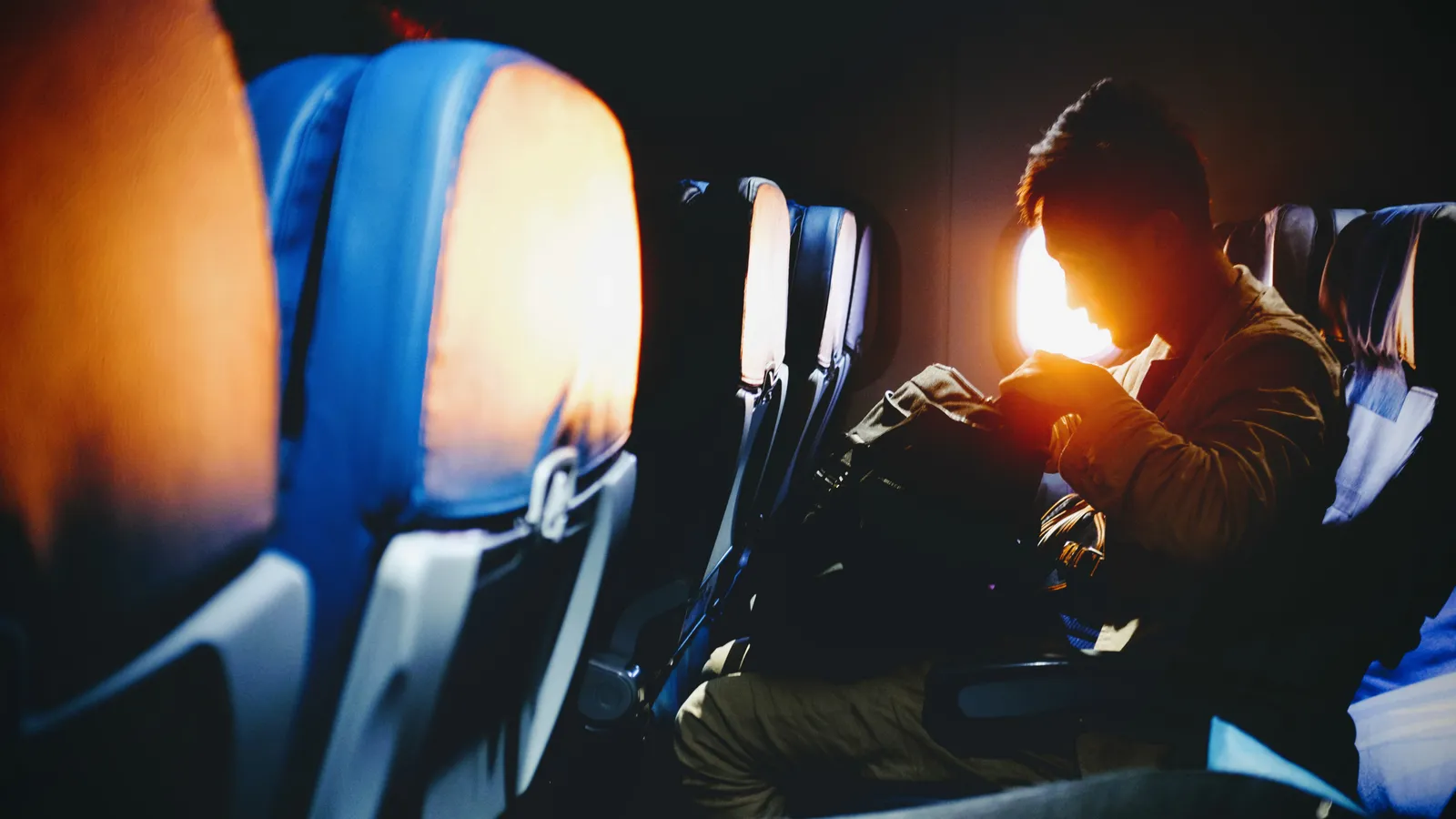
Some aircraft have blank panels where windows should be, meaning you can book a so-called window seat and end up staring at a wall. It’s worth checking the seat map before confirming your selection.
On certain Boeing 737-800 configurations with American Airlines, for instance, seats 10A, 12A, and 12F are listed as window seats but don’t actually align with a window. Tools like SeatGuru and aeroLopa map these quirks so you can verify before it’s too late.
SeatGuru’s detailed cabin plans flag seats with potential problems including limited recline, proximity to galleys and lavatories, and specifically seats with misaligned or missing windows. It takes two minutes to check and can save you hours of frustration.
Bulkhead Rows: More Complicated Than They Look
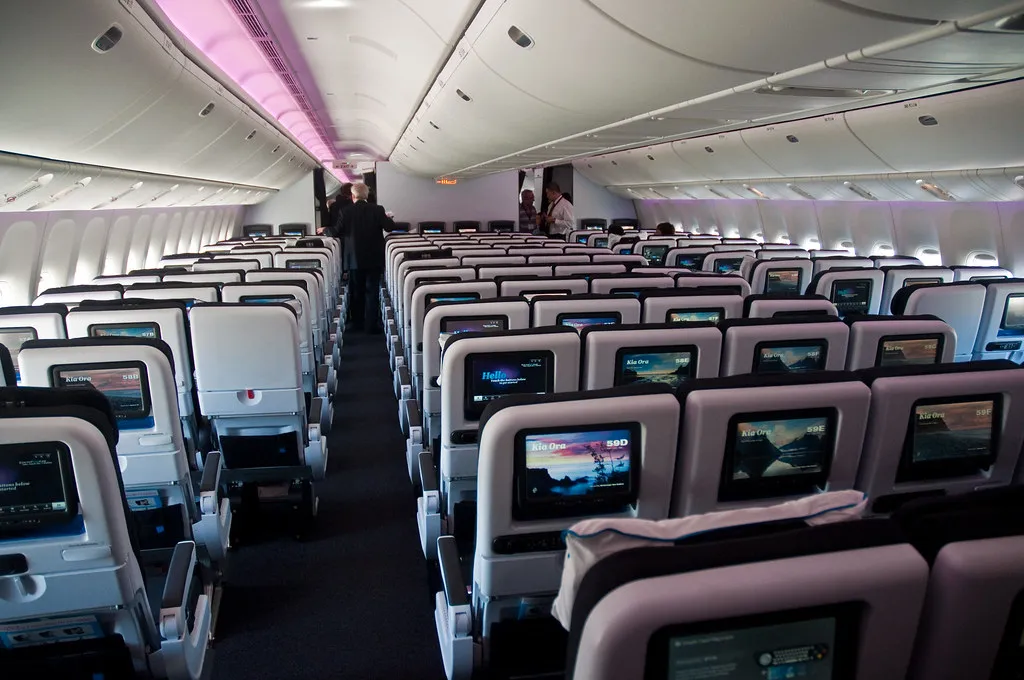
Bulkhead seats directly behind a cabin wall offer more knee room, but on almost all airlines the tray tables are built into the armrests, which takes away about an inch of seat width. Passengers who are wider than average may actually want to avoid these rows entirely.
Since there’s no seat in front of you in a bulkhead row, all carry-on baggage must go into the overhead bins during takeoff and landing, which creates real inconvenience if you need to access your bag mid-flight.
Bulkhead seats are popular among crew for the extra space on widebody aircraft, but baby bassinets are frequently placed in these rows, meaning they may not suit everyone – particularly light sleepers on overnight routes.
What Pilots Actually Choose for Themselves
When flying off duty, most flight attendants and knowledgeable aviation professionals prefer the window seat in an over-wing exit row, typically seat 21A or 21F on narrowbody aircraft. The reasoning is the extra legroom, the perceived spaciousness, and the fact that it’s the least turbulent area on the aircraft due to its proximity to the center of gravity.
The trade-offs are real, though: over-wing exit seats don’t recline, bag storage under the seat in front is not allowed, and the area can run colder than the rest of the cabin. Passengers in those seats are also responsible for operating the emergency exit during an evacuation.
An off-duty flight attendant or pilot is genuinely well-placed to handle that responsibility, being trained for exactly that situation. For the rest of us, it’s worth weighing the legroom benefit against the extra obligation.
What the Safety Data Actually Shows
The odds of dying on a commercial flight in the U.S. are about 1 in 13.7 million, according to a 2024 study in the Journal of Air Transport Management. That context matters enormously before drawing conclusions about which row is “safer” in any absolute sense.
A TIME analysis of the FAA’s Aircraft Accident Database, examining accidents with both fatalities and survivors over 35 years, found that seats in the back third of the aircraft had a 32% fatality rate compared with 39% in the middle third and 38% in the front. The middle seats in the rear had the best statistical outcomes, with a 28% fatality rate.
The worst-faring seats in that same analysis were aisle seats in the middle third of the cabin, with a 44% fatality rate. It’s worth noting that there are no robust, definitive scientific studies confirming a single “safest” seat, and crash dynamics vary enormously by incident. The data offers patterns, not guarantees.
The Practical Takeaway
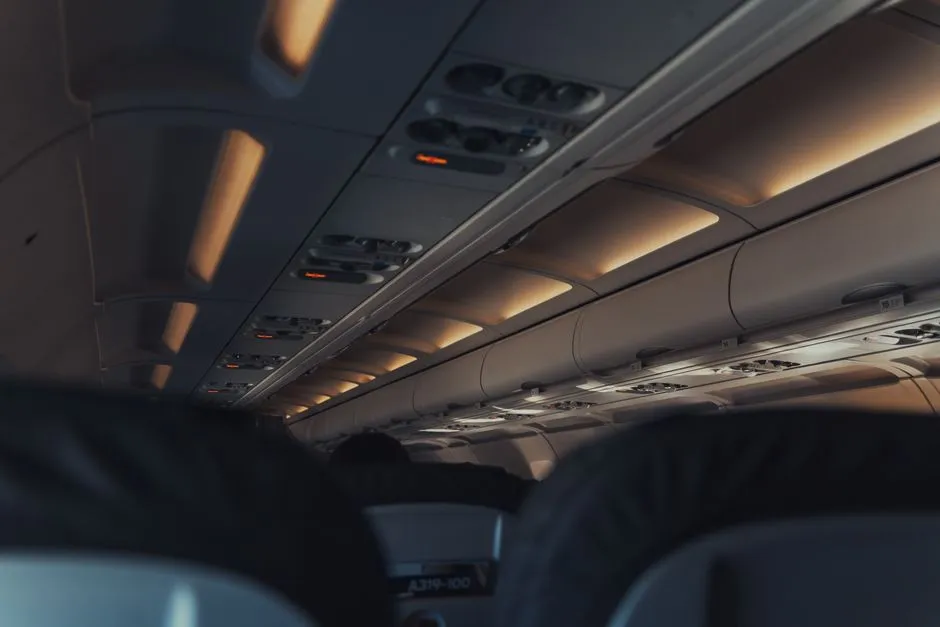
There’s no universally perfect seat on any aircraft, but there is a clear consensus among aviation professionals about what to avoid. The back row is the one spot that virtually every pilot, flight attendant, and aviation expert agrees on – it combines the maximum number of discomforts into a single location.
The pattern is clear: avoid the back, avoid proximity to lavatories and galleys, and never accept a seat without checking the seat map first. That last part is the most actionable advice in the whole conversation.
Seat selection won’t make or break a trip, but a seven-hour flight in a non-reclining seat next to a lavatory has a way of making every hour feel longer than it should. The people who fly for a living know this better than anyone – and they plan accordingly.
AI Disclaimer: This article was created with the assistance of AI tools and reviewed by a human editor.