
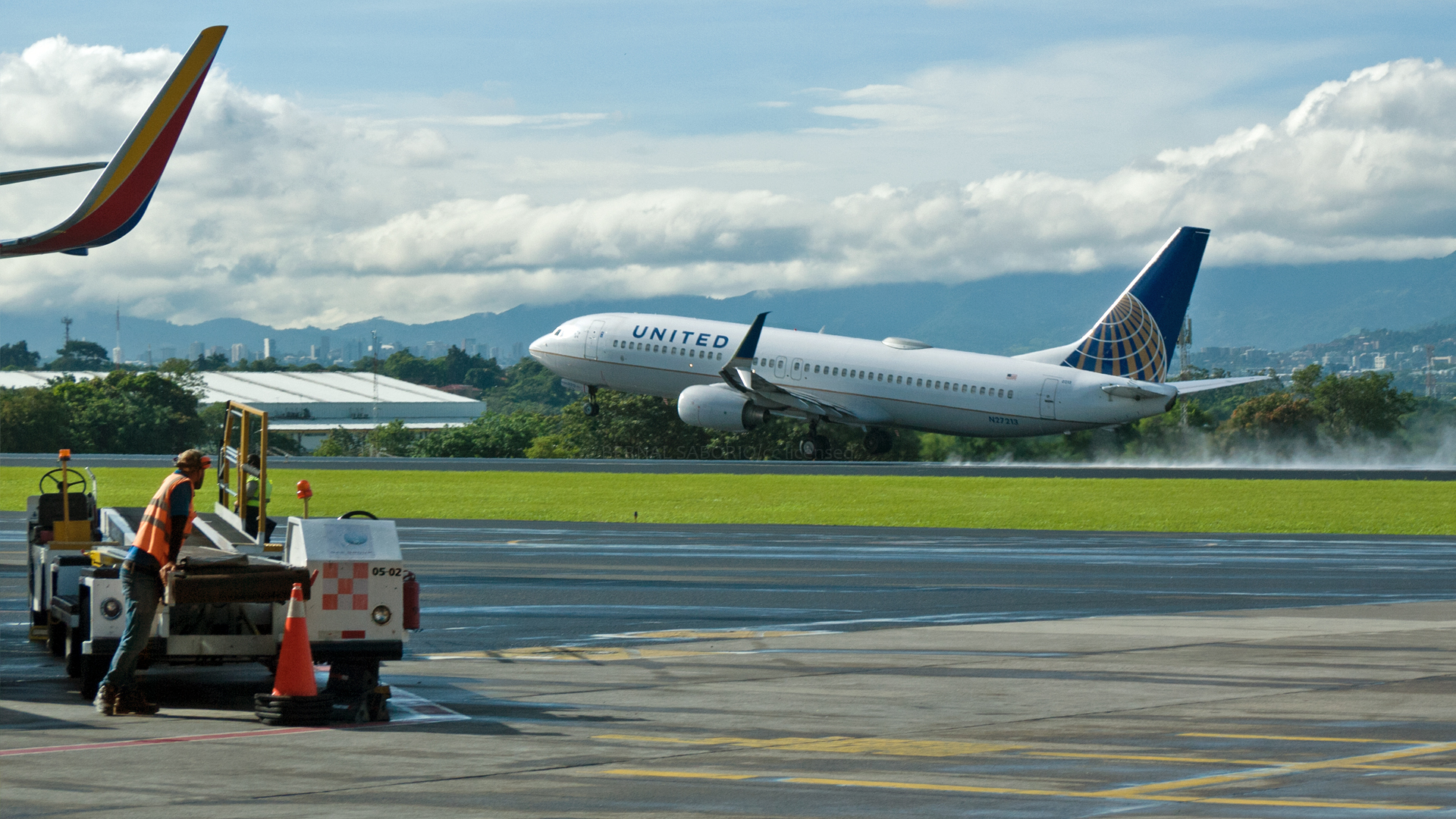

A Wet Runway Is Fundamentally a Different Surface
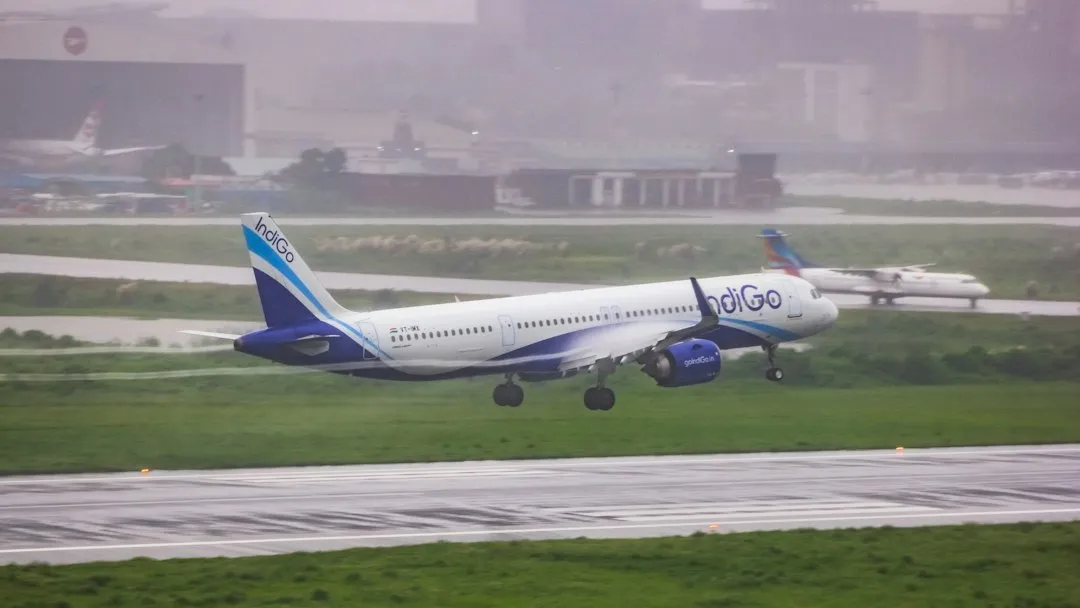
On a wet runway, braking is reduced due to the formation of a film of water around the tire, which prevents it from fully touching the surface. That thin film is not merely an inconvenience. It actively separates the tire from the pavement, robbing the pilot of the friction that makes braking possible in the first place.
When a runway is wet, the priorities change immediately. On a dry runway, pilots have more flexibility to focus on comfort. On a wet runway, they must consider reduced braking performance, possible hydroplaning, and the need to achieve reliable contact between the tires and pavement.
The Threat of Hydroplaning Is Very Real
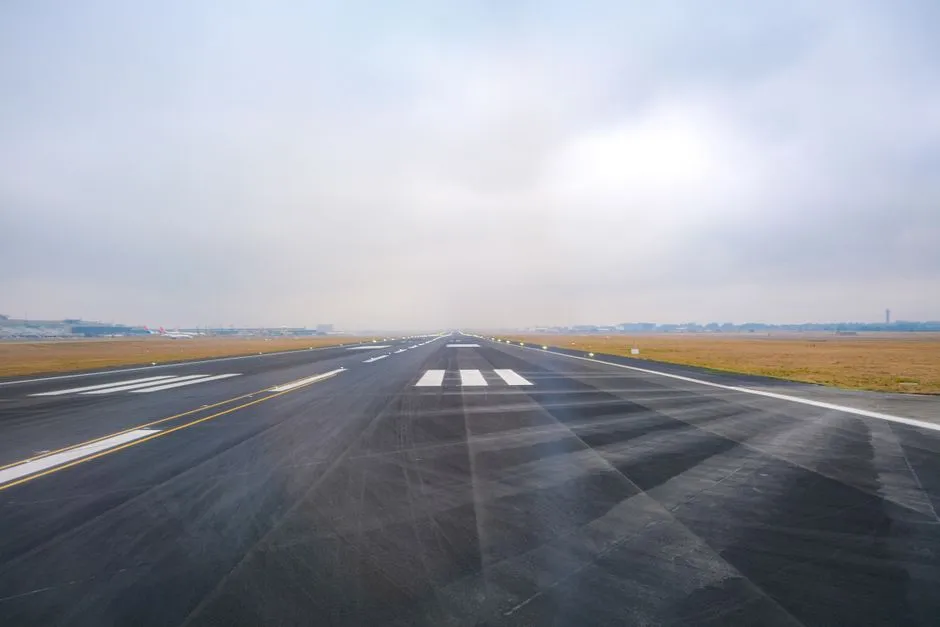
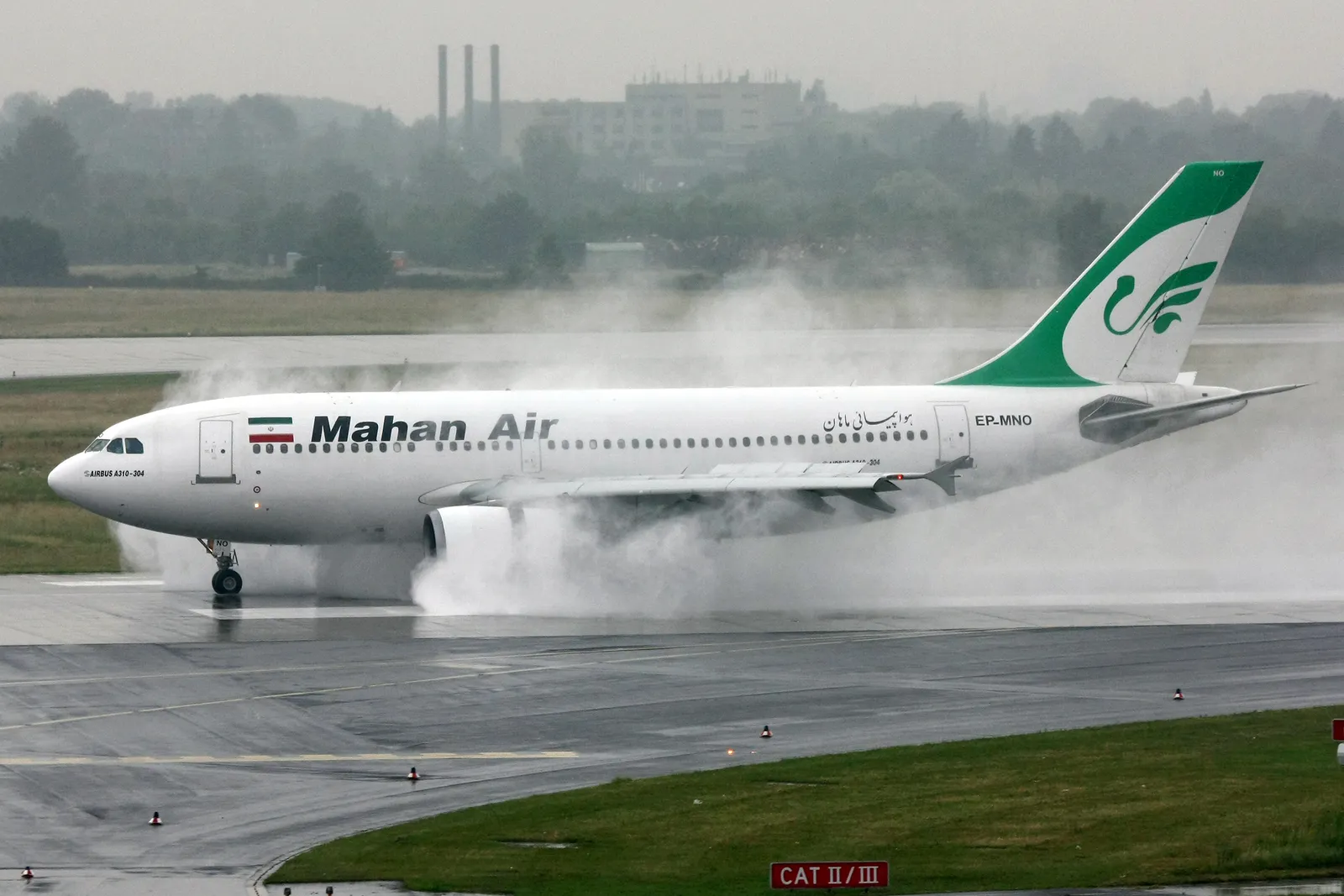
Hydroplaning, also known as aquaplaning, is a condition in which standing water, slush, or snow causes the moving wheel of an aircraft to lose contact with the load-bearing surface on which it is rolling, with the result that braking action on the wheel is not effective in reducing the ground speed of the aircraft.
At a speed termed the hydroplaning speed, the water pressure equals the weight of the airplane and the tire is lifted off the runway surface. In this condition, the tires no longer contribute to directional control and braking action is nil. That is not a situation any crew wants to find themselves in with runway disappearing ahead.
There Is Actually a Formula for How Fast Hydroplaning Begins
According to the formula developed by researcher Walter Horne, the hydroplaning speed equals 9 times the square root of the tire pressure in PSI. This means the threshold is calculable and specific to each aircraft type, not a vague guess.
Dynamic hydroplaning happens at about 8.6 times the square root of tire pressure. For a Cessna 172 with 42 PSI tires, that is about 56 knots. Commercial jets operate at far higher pressures, which raises that threshold, but the risk is still very much present during the early seconds of a high-speed rollout on a soaked runway.
A Firm Touchdown Breaks Through the Water Film
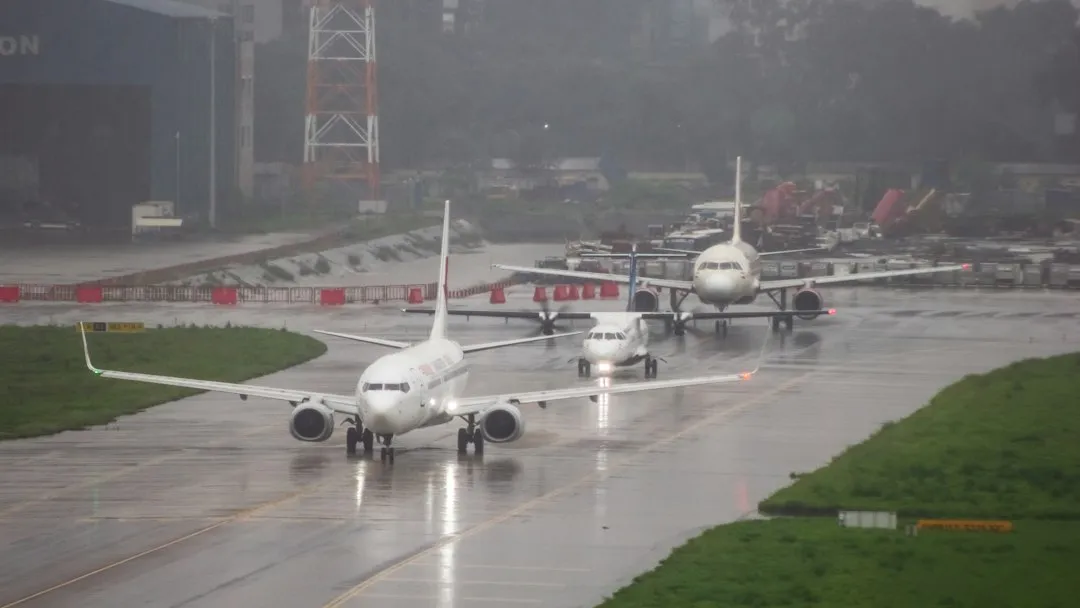
A firmer landing allows the water film on the runway to break, reducing hydroplaning. The logic is straightforward: if the tire cannot pierce through standing water under its own weight and rotational momentum, it will simply ride on top of that water like a stone skipping across a pond.
The main gear touchdown on a wet runway should always be firm and made without any bounce in order to break through the surface water film and make effective contact with the runway surface and spin up the wheels. That wheel spin-up is the critical event. Until the tires are actually rotating at ground speed, brakes cannot do their job.
The pilot can approach at the slowest possible safe speed, with a firm touch so that direct contact between tires and runway occurs. A smooth landing can be riskier, as the friction at the initial touchdown is lower, increasing the chance of hydroplaning, and increases the need for runway extension for complete braking.
Firm vs. Hard: There Is an Important Distinction
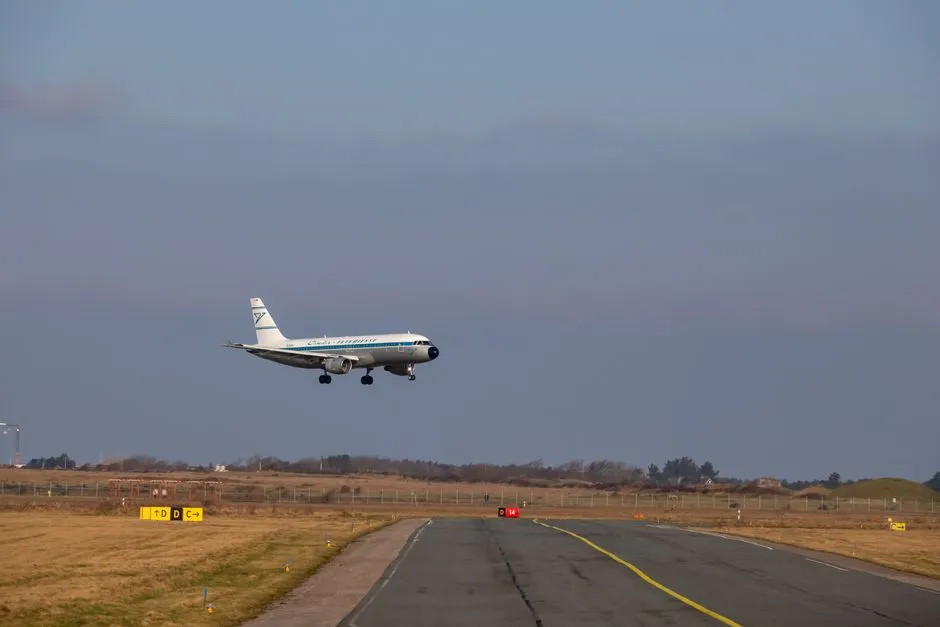
The terms hard landing and firm landing are often confused, though they are inherently different. A firm landing for a given aircraft type, such as in gusty or crosswind conditions or on a wet runway, is intended, and even required, by the aircraft manual.
A firm touchdown can be the sign of disciplined flying: the aircraft is on the runway in the right place, braking can begin, and the landing roll is being managed with safety margins in mind. Passengers are not the intended audience for the quality of a touchdown. The runway performance data and the aircraft flight manual are.
Runway Excursions Are the Top Category of Aviation Accidents
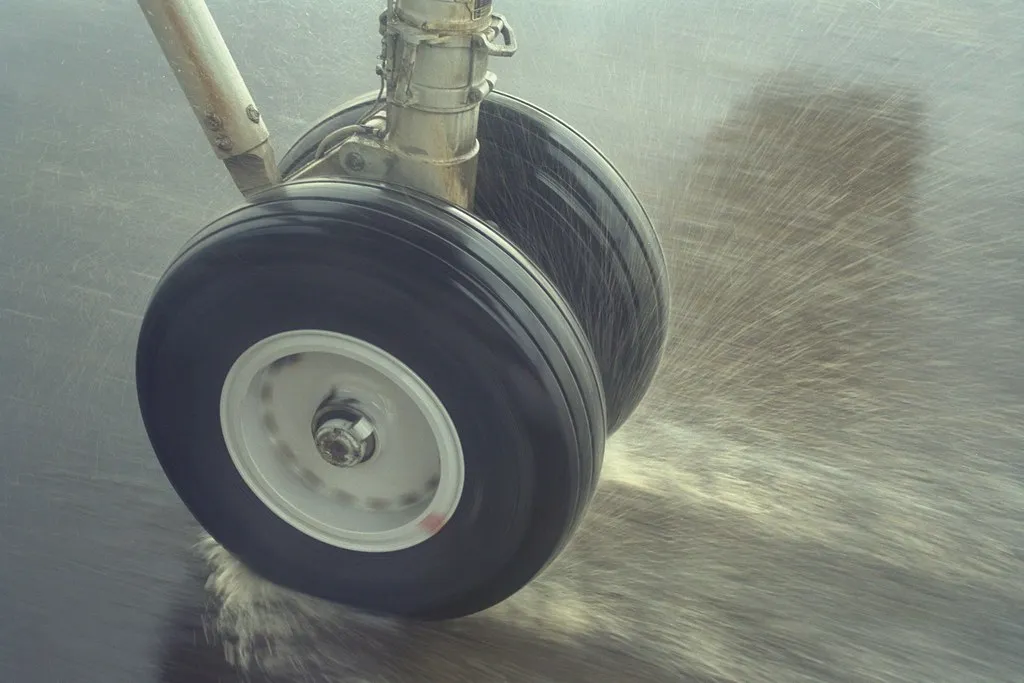
Runway excursions are the most frequent accident type in aviation, representing one of the most serious risks and one of the most economically significant safety events. Runway excursions during landing continue to be the highest category of aircraft accidents and often exceed a quarter of all annual commercial air transport accidents.
The Flight Safety Foundation indicates that the third most common landing excursion risk factor is ineffective brake action due to runway contamination such as snow, ice, slush, or water. That statistic alone explains why wet runway technique is treated with such seriousness in every major airline training program.
Speed Control on Approach Is Just as Critical
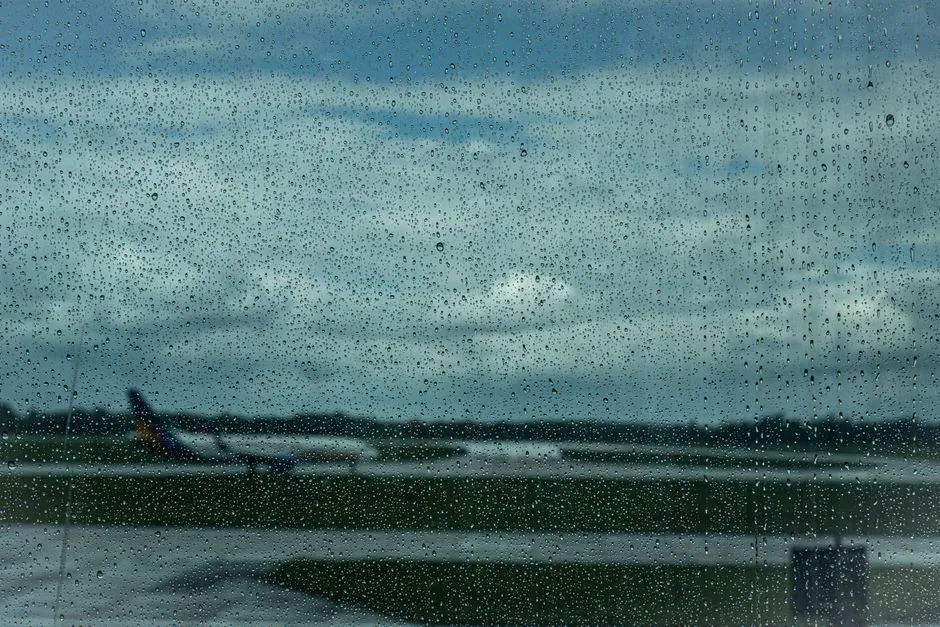
On both dry and wet runways, a 10 percent increase in final approach speed leads to about a 20 percent increase in landing distance. That compounding effect matters enormously when the runway surface is already compromised and braking efficiency is reduced.
When landing on a wet runway, pilots focus on a stable approach that keeps touchdown speed low, because the higher the speed, the more likely the aircraft will hydroplane. Speed control and firm touchdown work together. One without the other is incomplete technique.
The FAA Builds Wet-Runway Margins Into Federal Regulations
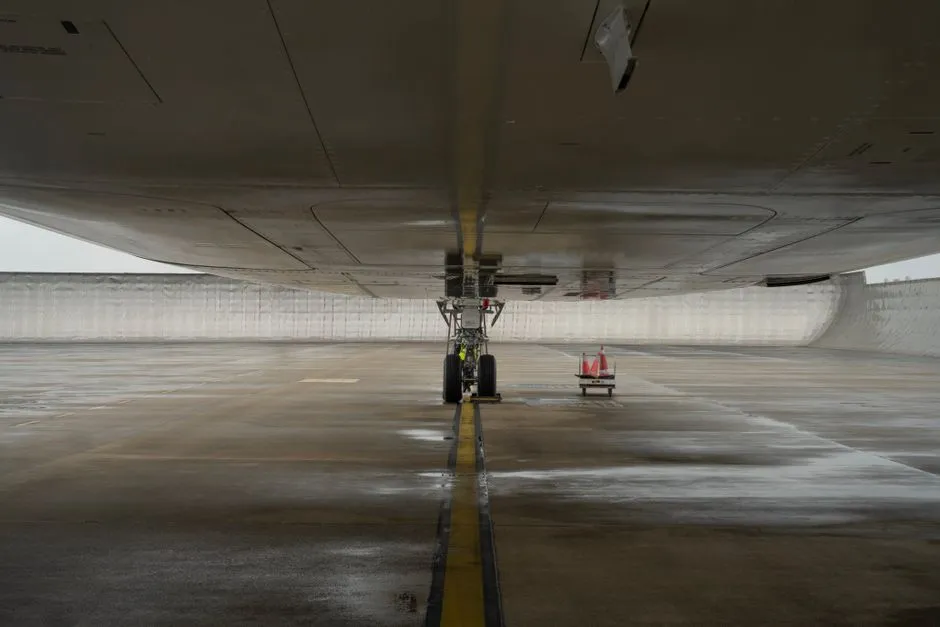
Federal regulations state that if the destination runway is forecast to be wet or slippery, an operator is not allowed to depart unless the effective runway length at the destination is at least 115 percent of the runway length required for a dry landing. That mandatory buffer reflects just how significantly surface contamination degrades stopping performance.
Separately, the FAA recommends adding a safety margin of at least 15 percent to the calculated operational landing distance for a time-of-arrival assessment. These are not optional suggestions. They are regulatory minimums that crews plan around before the flight ever departs.
Grooved Runways Help, but They Are Not Everywhere
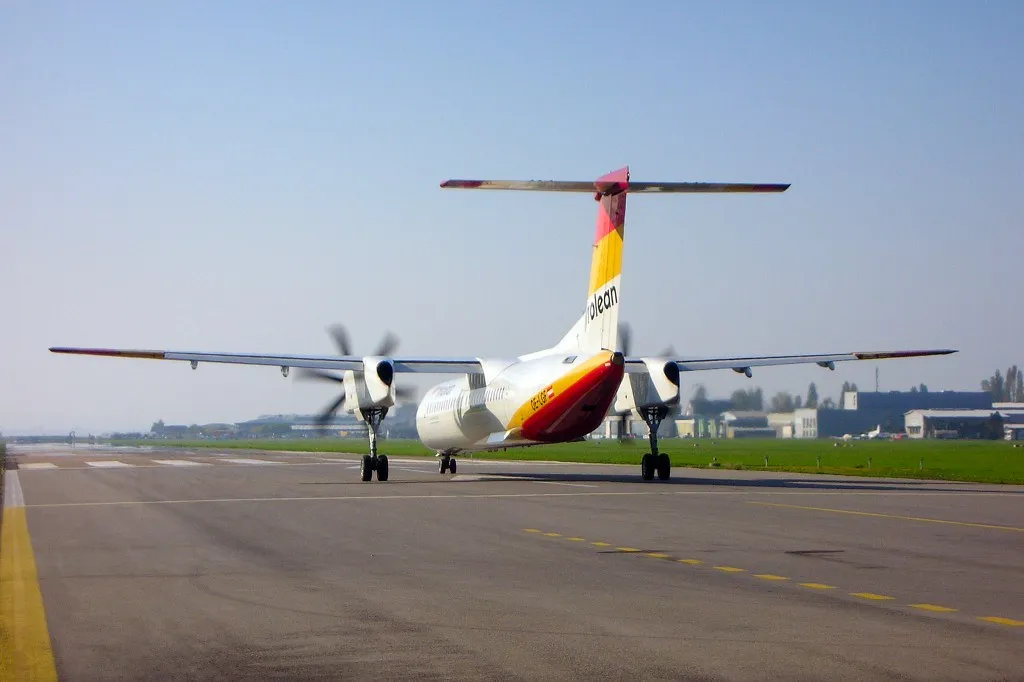
When planning a flight in anticipated precipitation, pilots look for a grooved runway at their destination. Grooved runways channel water away from the landing surface and therefore improve traction and mitigate the risk of hydroplaning. The grooves essentially give water somewhere to go instead of pooling under the tire.
Smooth or rubber-contaminated touchdown zones can behave like polished pavement when wet. Rubber fills in the runway’s tiny grooves and pores, which makes the surface behave like polished pavement when it gets wet. This is why touchdown zones, the areas that absorb thousands of landings each year, can actually be among the most treacherous sections of a wet runway despite looking completely normal.
Three Types of Hydroplaning, Three Different Risks
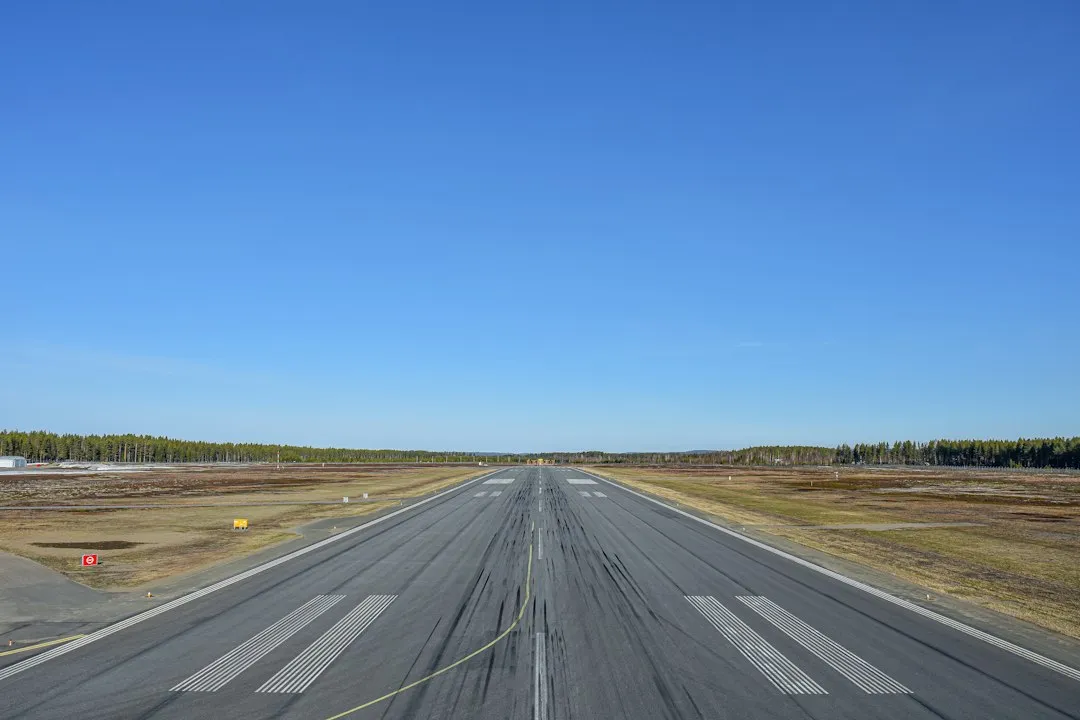
Dynamic hydroplaning happens when water lifts the wheels off the runway, usually when a wedge of water builds up in front of the tires and lifts them off the surface. When it happens, the aircraft is literally riding on water. This is the most common and most studied form.
Viscous aquaplaning arises in the same way as dynamic aquaplaning, but only on abnormally smooth surfaces such as touchdown zones contaminated with excessive rubber deposits, where it may begin and continue at any ground speed. Reverted rubber hydroplaning is one of the most interesting types. It occurs when the wheels lock up, lifting the wheel off the runway and further reducing braking. Each type demands a slightly different response, but a firm, controlled initial touchdown reduces the risk of all three taking hold.
What Passengers Should Take Away from a Firm Wet-Weather Landing
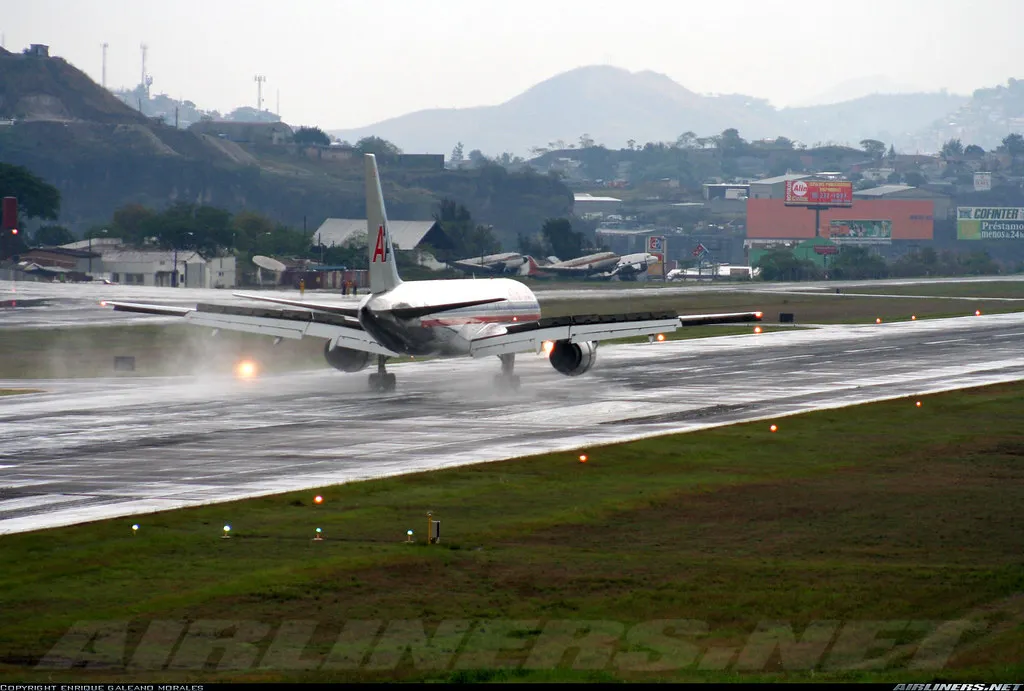
A harder landing often feels dramatic, but it is frequently the safer landing. The discomfort is real, but so is the physics behind the decision. Pilots are not indifferent to passenger comfort. They are simply ranking priorities correctly when conditions demand it.
On a wet runway, a positive touchdown is often better than trying to make the softest landing possible. The goal is to put weight on the wheels so the tires can work. When the alternative is a tire skimming over a sheet of water with no braking authority and a finite amount of runway ahead, a firm thump at touchdown starts to sound a lot more reassuring.
The Takeaway
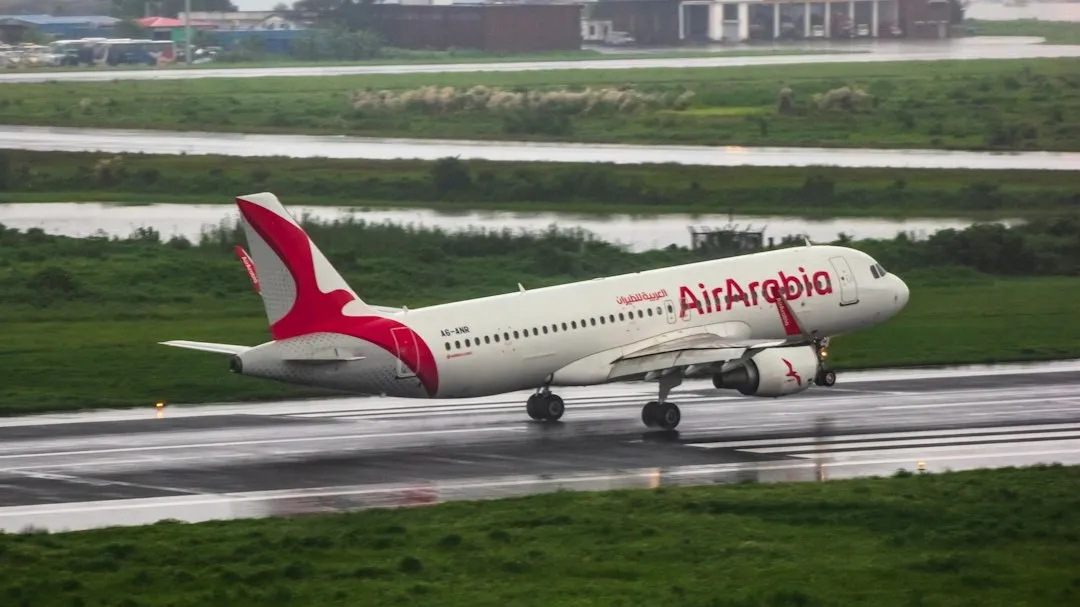
Aviation safety is largely invisible to passengers, and that invisibility is a sign the system is working. The firm landing on a wet runway is one of the clearest examples of a decision that looks counterintuitive from the cabin but makes complete sense from the cockpit. Pilots are not being careless. They are being precise.
Next time the wheels come down hard on a rain-soaked runway, it is worth knowing that the crew likely planned for exactly that. The bump you felt was the tires doing what physics required, breaking through water, spinning up, and giving the brakes something solid to work with. That is not a rough landing. That is the system working exactly as designed.
AI Disclaimer: This article was created with the assistance of AI tools and reviewed by a human editor.