
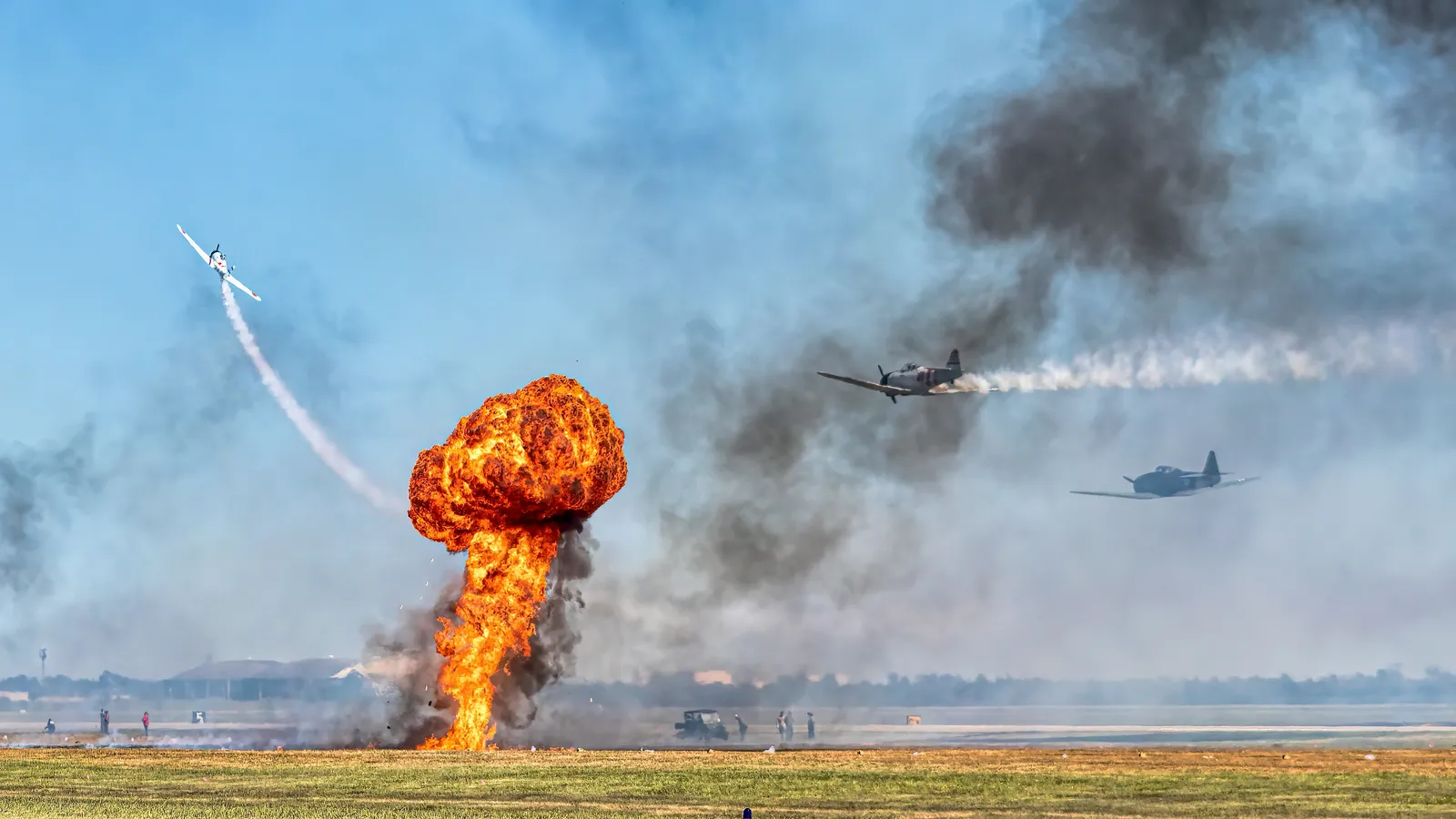

South Carolina beachgoers faced an unexpected aerial threat when a single-engine plane reportedly lost control and descended sharply over a crowded stretch of shoreline. The pilot later stated that mechanical issues caused the sudden maneuver, turning a routine flight into a moment of alarm for those below. Witnesses described the aircraft passing low enough to prompt immediate evasive action on the sand.
Sequence of Events
The incident unfolded during peak beach hours, when the plane approached the area and then dropped in altitude without warning. According to the pilot’s account, control was regained only after the aircraft had already passed directly over sunbathers in tight formation. No collision occurred, and the plane continued onward once stability returned.
Local authorities received reports shortly afterward, prompting an initial review of the flight path and aircraft condition. The event highlighted how quickly an aviation issue can intersect with public recreation spaces along the coast.
Immediate Reactions on the Ground
Sunbathers scattered as the plane neared, with some later recounting that they dove from their chairs to avoid the low pass. The sudden movement created brief chaos amid otherwise typical beach activity, though injuries were not reported in initial accounts.
Those present noted the sound and proximity of the aircraft as the primary factors driving their response. The episode lasted only seconds yet left a lasting impression on the group gathered that day.
Broader Context for Coastal Safety
Incidents involving low-flying aircraft near populated beaches remain uncommon but draw attention to existing aviation guidelines that govern minimum altitudes over such areas. Regulators have long emphasized separation between general aviation traffic and recreational zones to reduce risk.
Stakeholders, including beach management and flight operators, often review such events to assess whether additional awareness measures or route adjustments could prevent recurrence. The South Carolina case adds to a small set of similar reports nationwide that underscore the need for vigilance in shared airspace.
What Matters Now
Investigators continue to examine the aircraft and pilot statements to determine contributing factors. For beach visitors and pilots alike, the episode serves as a reminder that routine activities can intersect with unexpected operational challenges.
Continued adherence to established flight protocols remains the primary safeguard in preventing comparable situations along the coastline.
AI Disclaimer: This article was created with the assistance of AI tools and reviewed by a human editor.