
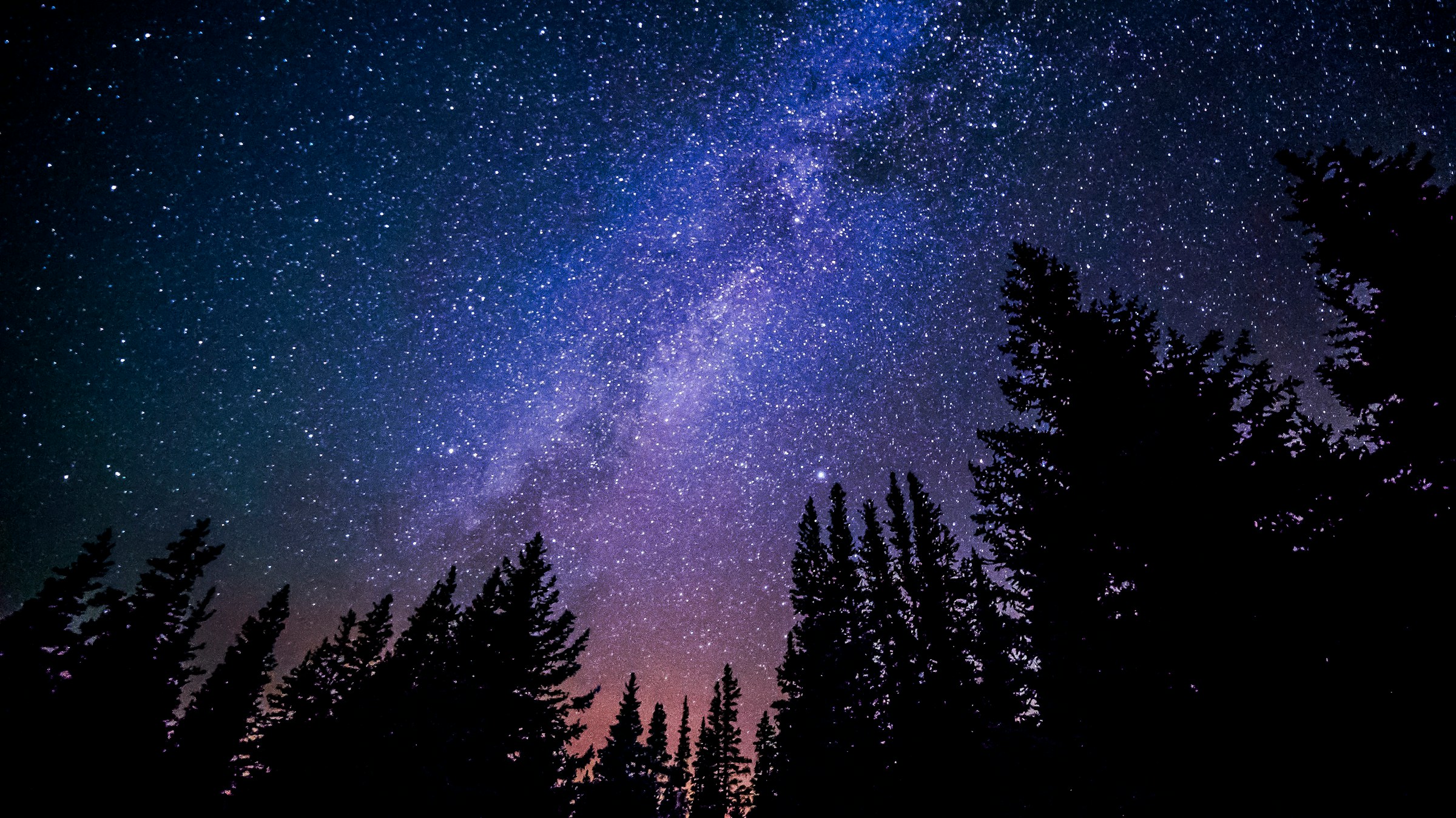

The Classic Five: Planets Humans Have Always Known
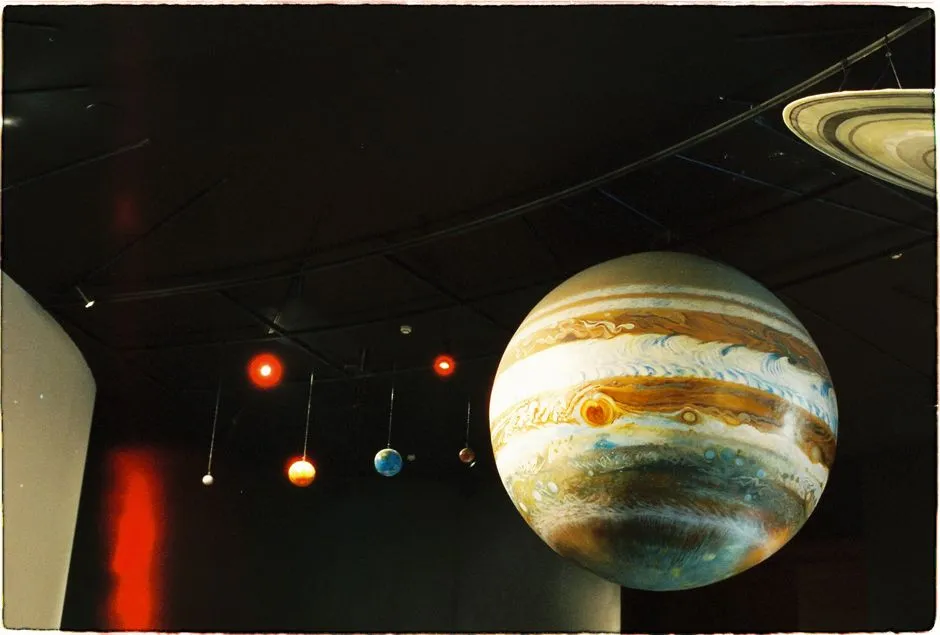
Five planets in our solar system are easily observed without a telescope: Mercury, Venus, Mars, Jupiter, and Saturn. These are not obscure finds or lucky sightings reserved for skilled observers. They are the brightest, most persistent lights in the night sky, and they have been seen by every human civilization in recorded history.
The five brightest planets have been known since ancient times and can easily be seen with the naked eye if one knows when and where to look. They are visible for much of the year, except for short periods when they are too close to the Sun to observe.
Venus: The One You Simply Cannot Miss
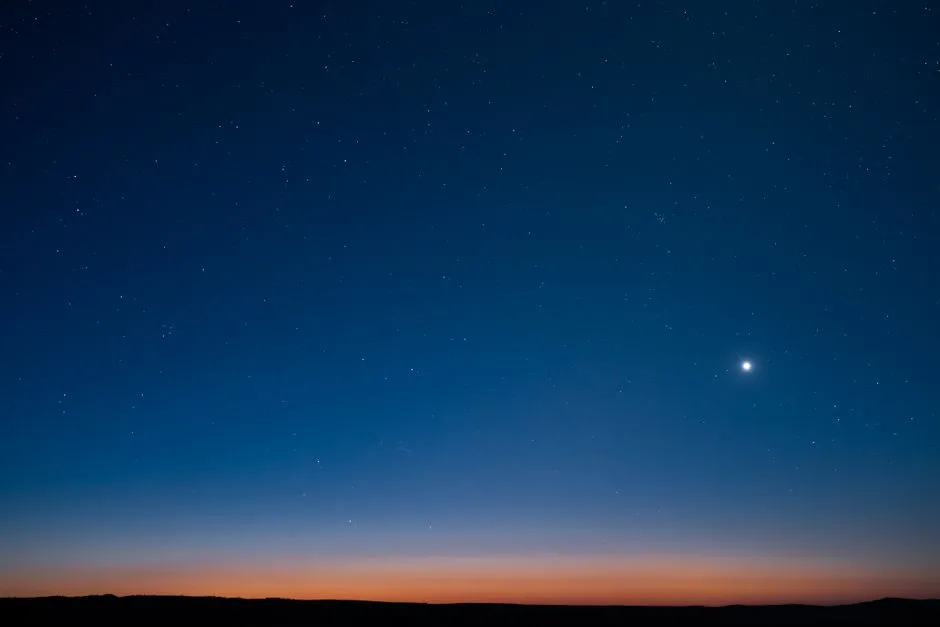
Venus is the brightest of the five naked-eye planets, with a magnitude ranging from about -3.9 to -4.6. It is always found in the twilight sky and stands out as the brightest object after the Moon. No other planet even comes close to that level of brilliance.
Venus is the brightest planet you can see with the naked eye. Blanketed by highly reflective clouds, Venus appears exceptionally bright in our sky, visible even in daytime around its peak brightness. That last detail surprises many people – visible in daylight, if you know exactly where to look.
It is known by the nicknames “Evening Star” or “Morning Star,” although technically speaking, it is a planet and not a star. The name stuck for good reason: when Venus hangs in the western sky after sunset or rises before dawn, it genuinely looks like a lantern suspended in the dark.
Why Venus Shines So Intensely
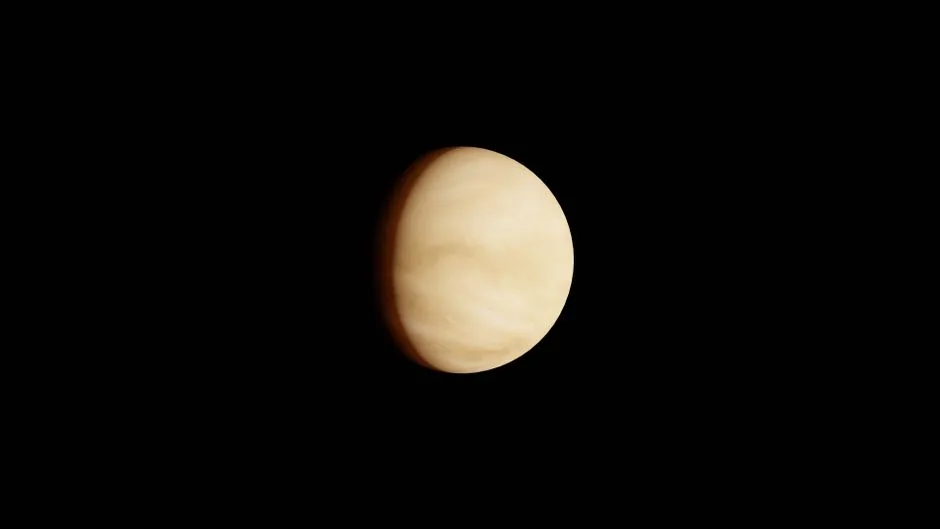
The attribute that plays the biggest role in the brightness of Venus is its reflectivity. In meteorology, the term albedo describes the amount of light absorbed or reflected by a surface. Venus has a high albedo and reflects about 70% of the light that hits it back into space. That is one of the most reflective surfaces in all of our solar system.
The reason its surface is so reflective is that it is covered in highly reflective clouds composed of sulfuric acid and acidic crystals mixed in with other gases. These are very effective at reflecting incoming sunlight back into outer space.
The atmosphere that makes Venus appear so brilliant also helps make the planet extraordinarily harsh. That atmosphere is composed mostly of carbon dioxide and is over 90 times thicker than the atmosphere on Earth. That dense atmosphere drives a runaway greenhouse effect, pushing the planet’s average surface temperature to about 867 degrees Fahrenheit (464 degrees Celsius). Brilliant to look at, deeply inhospitable in reality.
Jupiter: The Easiest Planet to Identify
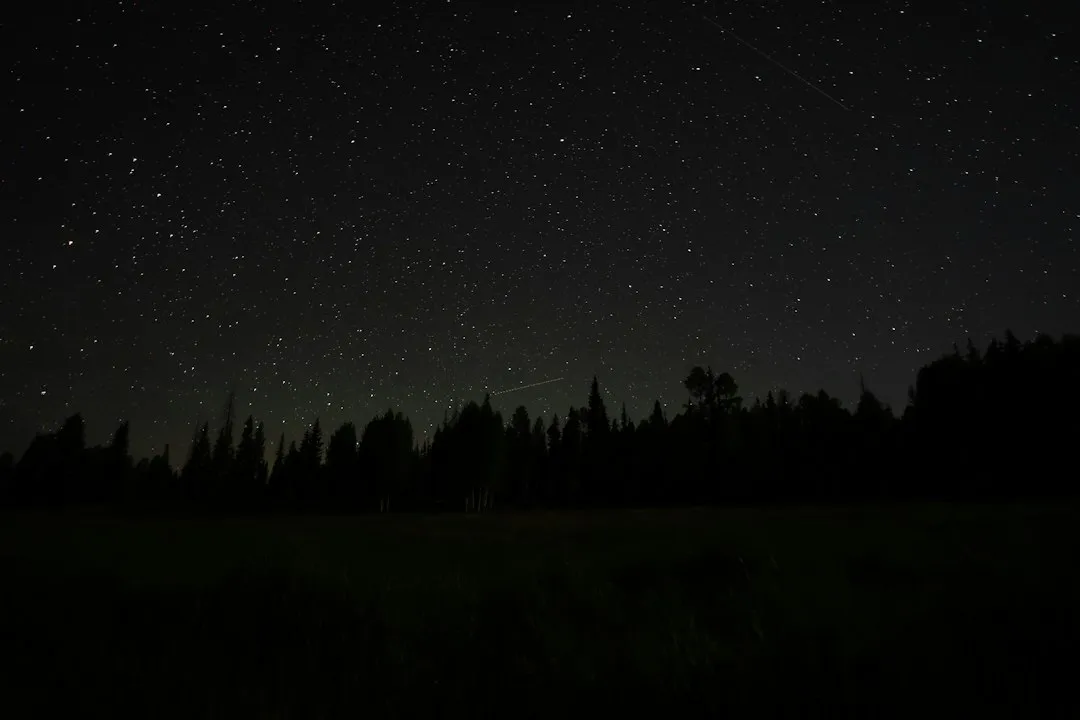
Jupiter is the easiest of the five planets to identify for two reasons: it is very bright, and it is visible for most of the year. At opposition, Jupiter reaches magnitude -2.9, making it the brightest object in the night sky after Venus when Venus is not up. Even at its faintest, Jupiter is still around magnitude -2.2, brighter than any star.
The planets appear to move across the sky against the background of the much more distant stars. Planets appear as bright as or brighter than most stars, and unlike stars, they tend to glow with a steady light, where stars often flicker. That steadiness is the easiest clue beginners use to tell a planet from a star.
In 2026, Jupiter opposition fell in January, placing it in Gemini at roughly magnitude -2.7, unmistakably bright in the winter sky. Through even small binoculars, Jupiter’s four Galilean moons – Io, Europa, Ganymede, and Callisto – are visible as points of light on either side of the disk, changing configuration from night to night.
Mars: The Red Planet With Variable Brightness
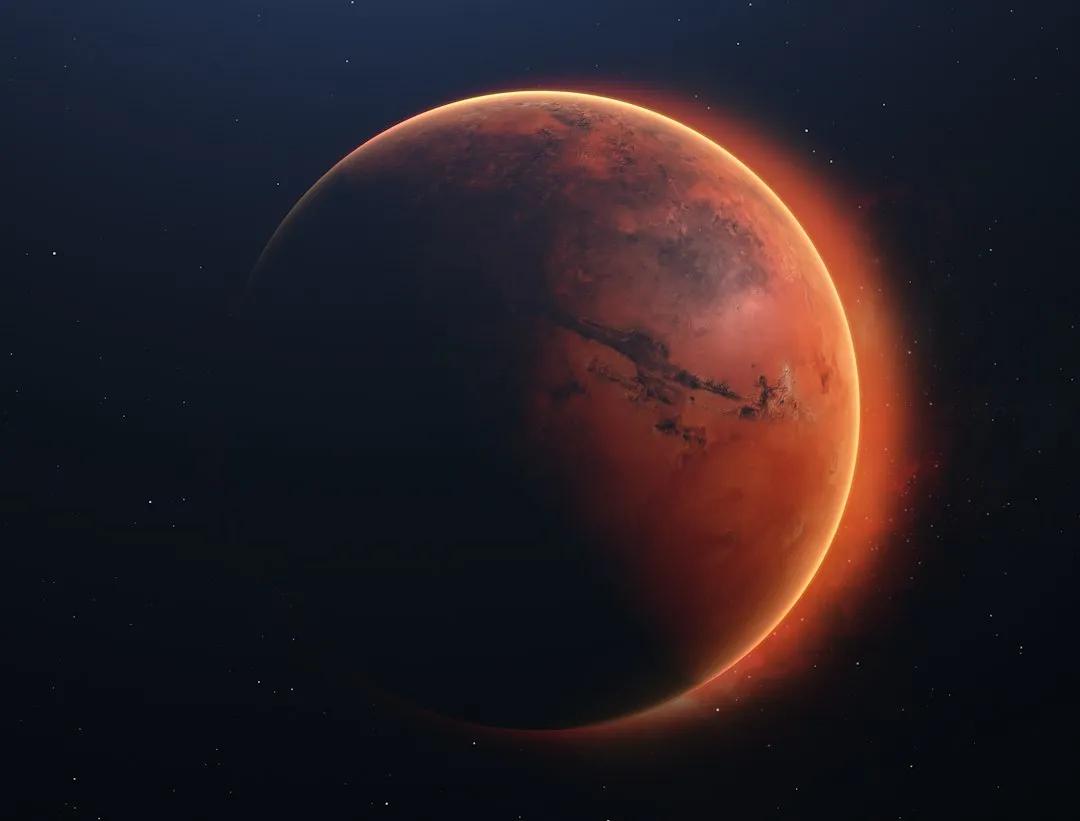
Mars is recognizable by its distinctive reddish-orange hue, caused by iron oxide (rust) on its surface. Its brightness varies dramatically with its distance from Earth – at opposition, occurring every 26 months, it can reach magnitude -2.9, nearly rivalling Jupiter.
The Red Planet spends much of its time a long way from Earth, making the disc small and putting most of its surface features out of reach of a regular backyard telescope. The best time to view all it has to offer is around opposition. During those windows, Mars is hard to overlook, glowing like a copper ember above the horizon.
Saturn: The Golden Wanderer
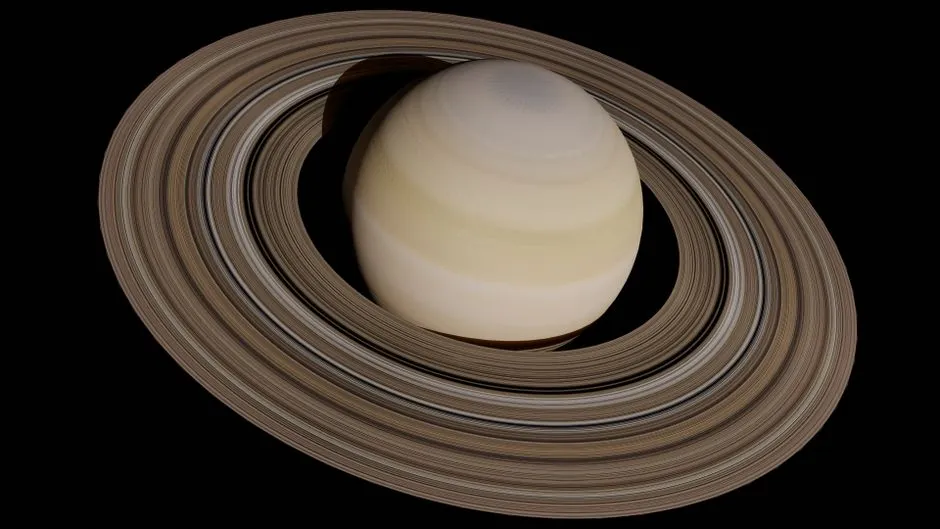
Saturn shines at magnitude +0.5 to +1.2, appearing as a moderately bright golden-yellow star. It is not as striking as Venus or Jupiter to the naked eye, but its steady light and slow movement across the sky identify it as a planet.
If you’re wondering whether you can see Saturn without a telescope, you absolutely can. At its brightest, Saturn’s light outshines every star – only the moon and four closer planets beat it, so it’s easy to pick out.
Saturn reached opposition in early October 2026, when it was at its brightest for the year. The evening sky featured Saturn at peak visibility, matching the brightest stars, and visible all night, perfectly placed for observing. Its golden tint makes it one of the more distinctive sights in a dark sky.
Mercury: Real, But Tricky
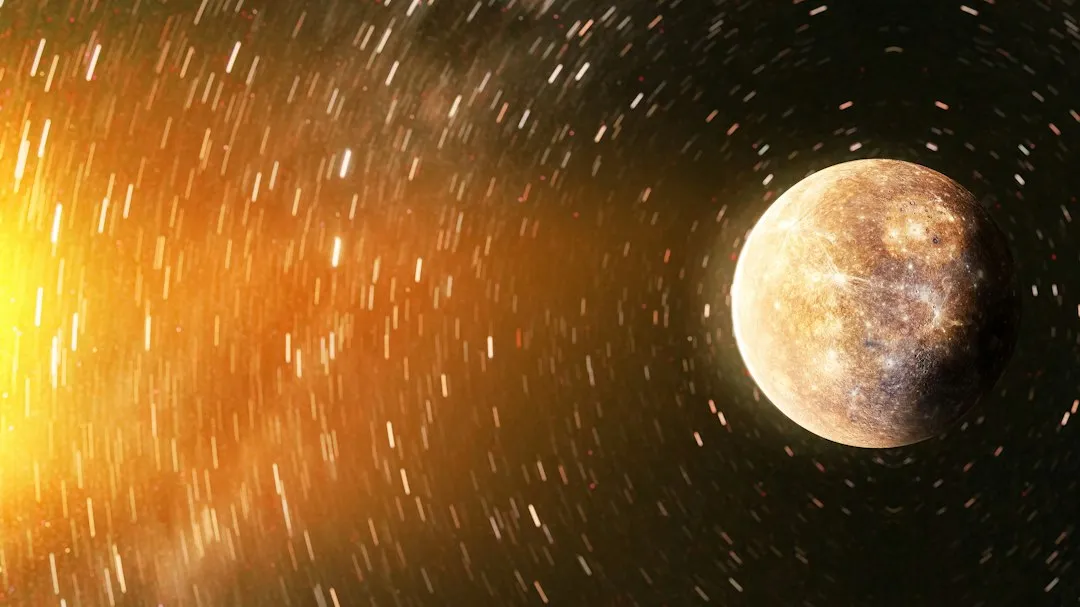
Mercury is the most challenging of the five naked-eye planets because it never strays far from the Sun. It is visible only briefly during twilight, low on the horizon. The window to catch it is genuinely short – sometimes as little as fifteen minutes between sunset and the planet dropping below the horizon.
What makes Mercury difficult to see with the naked eye is its position relative to the sun and Earth’s horizon. Once the sun goes down, Mercury is only above the horizon and visible for a short moment. Then, it will pass over the horizon and be once again hidden from view. Until the sun is completely past the horizon, it will be too bright for you to see Mercury.
Mercury is the most elusive planet and the toughest of the five naked-eye planets to find in the night sky. It moves quickly from night to night and shifts from being visible in the morning sky to the evening sky in a matter of weeks. Worth chasing, once you get a feel for the timing.
How Planets and Stars Look Different in the Sky
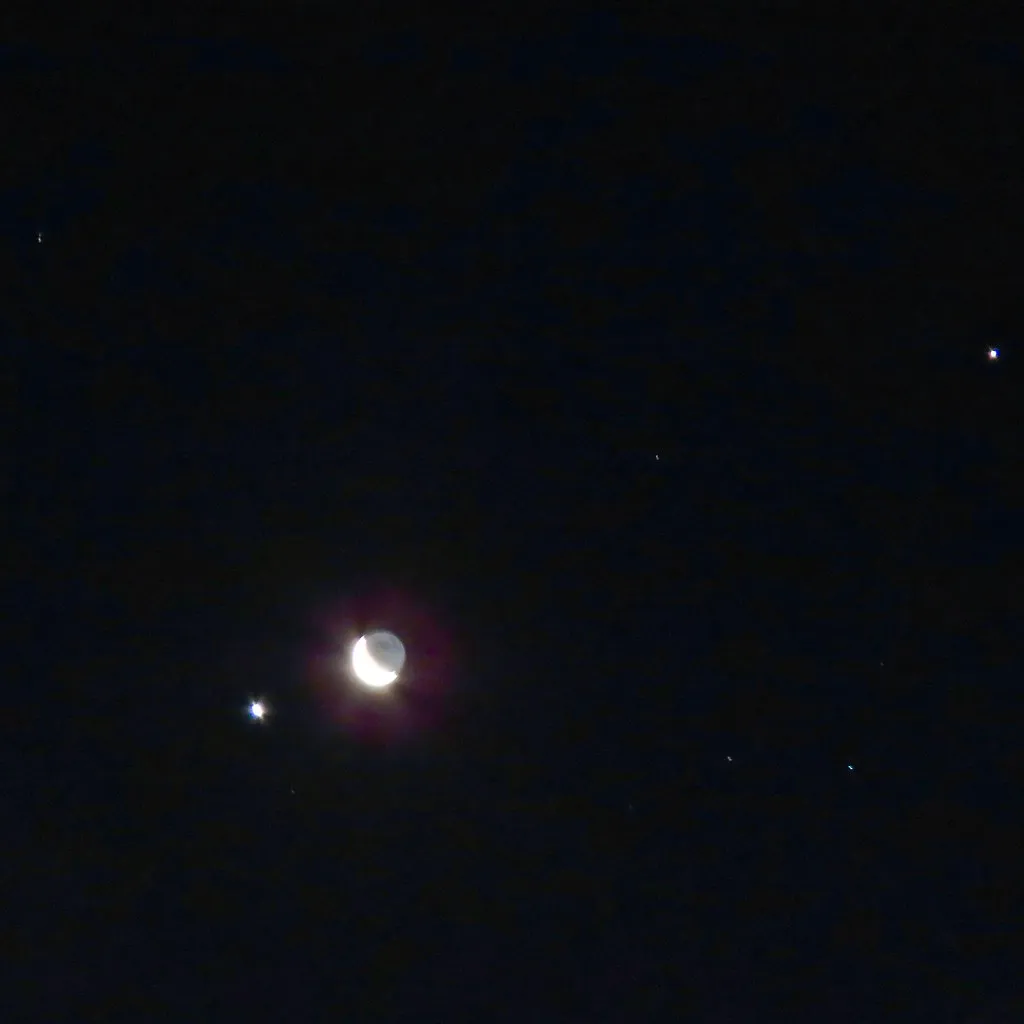
Planets appear as very bright, steady, pale-yellow or white points of light. Unlike twinkling stars, planets typically display a steady, unwavering light because their light comes from a disc rather than a point source. That distinction – twinkle versus steady glow – is the single most reliable trick for identifying a planet without any equipment.
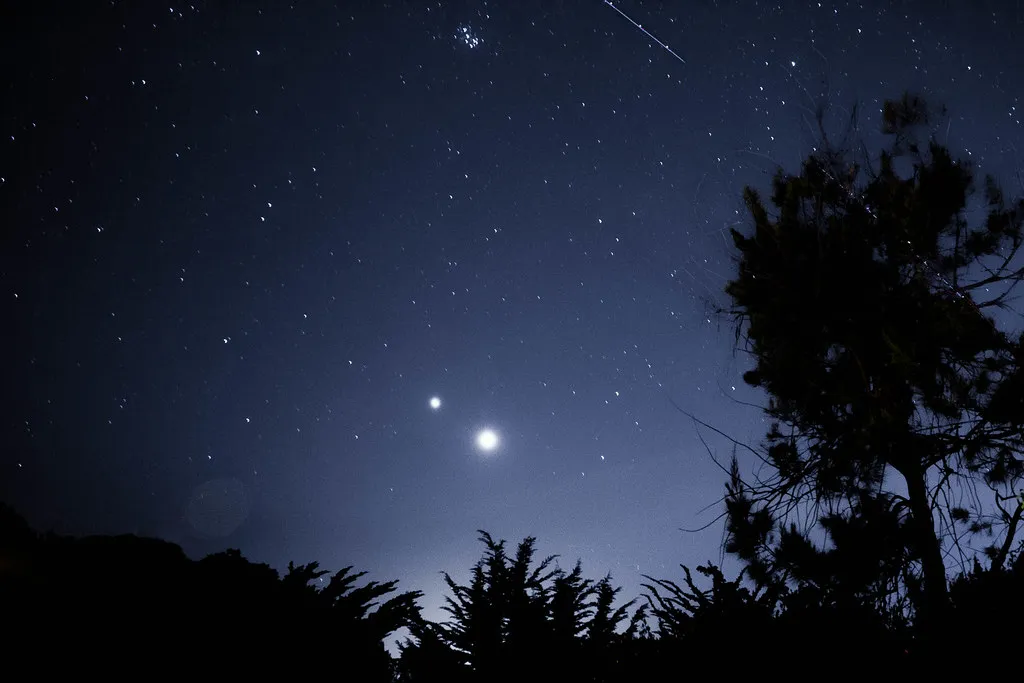
Venus and Jupiter are usually the brightest dots in the sky, easily visible to the naked eye, and Mars sometimes outshines stars too. Bright planets may even look larger than stars because their intense light creates a noticeable glow. So if you see an exceptionally bright dot in the sky, there’s a good chance it’s a planet.
The 2026 Sky: Notable Events for Naked-Eye Observers
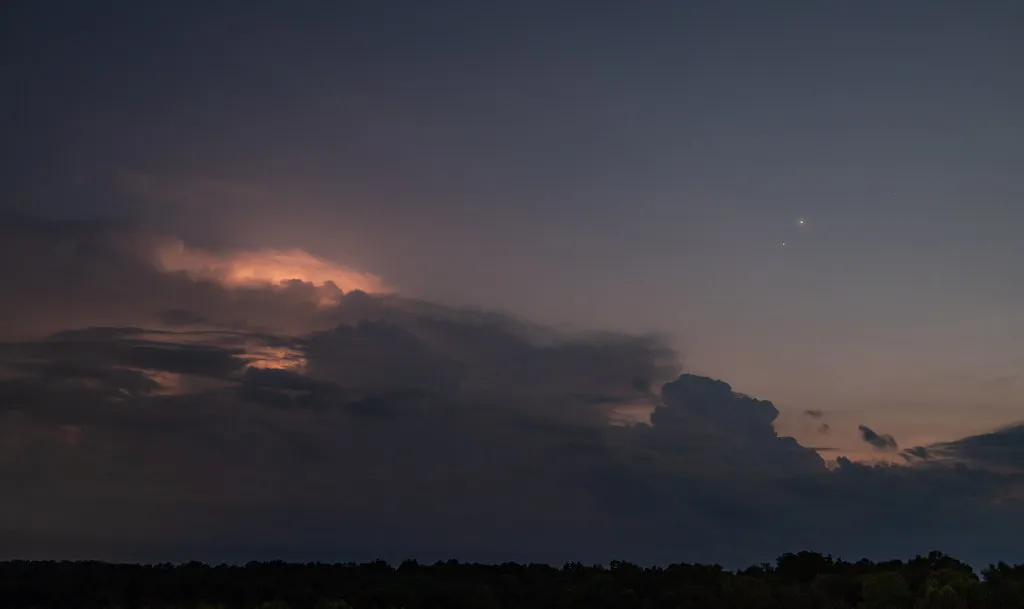
A special planetary event occurred in 2026 when the two brightest planets in the sky – Venus and Jupiter – appeared only a pinky finger apart in June. No telescopes were required for this one. That kind of close pairing, called a conjunction, is one of the most visually striking things the night sky can offer.
The planet alignment of February 2026 was also visible without a telescope. A notable “Autumn Parade” of five planets in a single night is also on the 2026 calendar, visible in November under good conditions. These kinds of events reward even the most casual of observers who simply step outside and look up.
What About Uranus and Neptune?
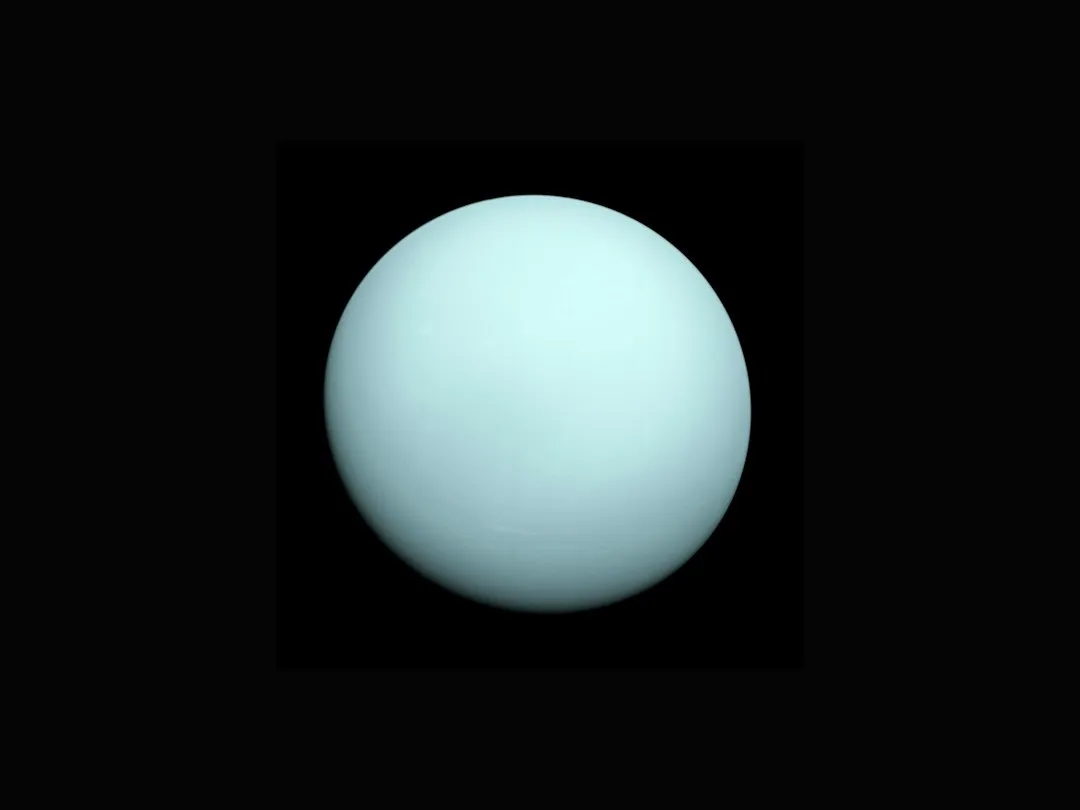
Uranus is just barely visible for those with excellent eyesight under dark-sky conditions, provided you know where to look. That is a meaningful distinction – technically possible, but not something most people will achieve on a casual evening outdoors.
Neptune sits at around magnitude +7.8, making it invisible to the naked eye. It requires binoculars at minimum, and a small telescope to see it as anything other than a star-like point. Both ice giants sit well outside the range of casual observation, which is why they were not discovered until the telescope era.
How to Get Started Tonight
Most novice astronomers believe that astronomy is an expensive hobby requiring a fancy telescope. But the irony is that beginner-level astronomy is not only inexpensive but actually free. Five planets – Mercury, Venus, Mars, Jupiter, and Saturn – can be seen with the naked eye, often even from a city. Equipment only deepens your experience; it’s not required to recognize the dots in the sky.
Planetary positions shift throughout the year as Earth and the planets orbit the Sun. That means no two months look quite the same, which is part of what keeps casual observers coming back. A free planetarium app on your phone, held up to the sky, will identify anything bright within seconds.
The Takeaway
The night sky has never required a subscription or a specialized instrument. The planets are still there, still moving, still among the most rewarding objects for a casual observer. Five of them have been waiting patiently, in plain sight, for as long as humans have had eyes to look up.
Venus is the one planetarium astronomers consistently point to as the most unmissable – a steady, brilliant white light that appears in the western sky after sunset during its evening visibility windows, brighter than anything except the Moon itself. If you have looked up on a clear evening and wondered what that impossibly bright “star” is, you have almost certainly already seen it. You just didn’t know you were doing astronomy.
AI Disclaimer: This article was created with the assistance of AI tools and reviewed by a human editor.