
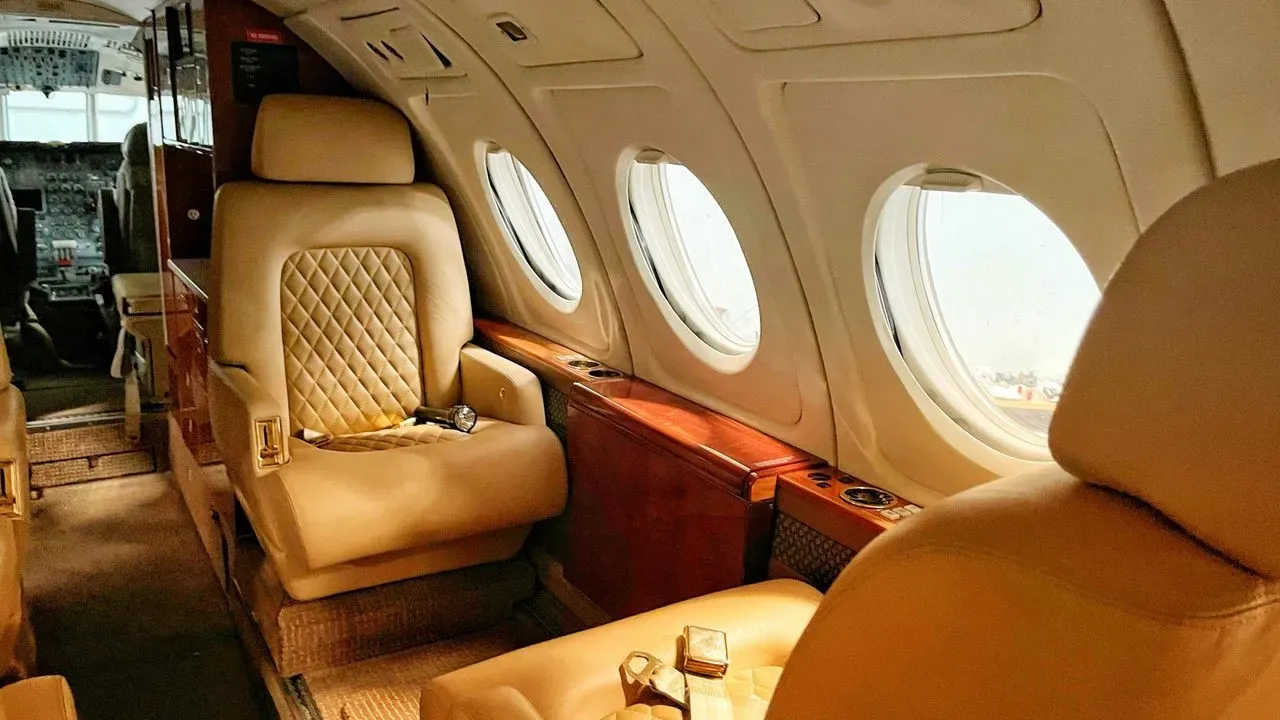

Private jet sharing programs are drawing increased interest among American travelers who seek greater flexibility and comfort in the air. These arrangements allow participants to access aircraft without the full expense of outright ownership. The shift reflects broader changes in how affluent flyers approach business and leisure travel amid evolving schedules and preferences.
Why This Development Matters Now
Air travel demand has remained strong in recent years, yet many frequent flyers continue to navigate crowded terminals and rigid commercial schedules. Fractional ownership and jet card programs offer an alternative that reduces time spent on the ground. Stakeholders include aircraft management companies, high-net-worth individuals, and corporate travel departments seeking reliable options.
The practical consequence is simpler access to private flights for those who fly often but do not require a dedicated aircraft year-round. Timelines for participation typically involve shorter commitment periods than traditional ownership. This model has expanded as operators refine their offerings to match varied travel patterns.
Comparing Ownership Models
Full private jet ownership carries substantial upfront costs, ongoing maintenance, and regulatory responsibilities. In contrast, sharing arrangements spread expenses across multiple users while providing scheduled access. The difference affects both financial planning and operational flexibility for participants.
Travelers often weigh these factors when deciding how to manage frequent trips. Shared programs generally require lower initial capital and fewer long-term obligations. Operators handle crew, maintenance, and compliance, which simplifies the experience for users.
| Aspect | Full Ownership | Fractional Sharing |
|---|---|---|
| Initial Cost | Multi-million dollar purchase | Lower entry through shares or cards |
| Maintenance | Owner responsibility | Managed by operator |
| Flexibility | Full control, higher fixed costs | Scheduled access, scalable usage |
| Commitment | Long-term asset | Shorter-term agreements |
Practical Appeal for Frequent Flyers
Participants value the ability to bypass commercial boarding processes and security lines. Flights can depart from smaller airports closer to final destinations, which shortens overall travel time. This efficiency proves especially useful for time-sensitive business meetings or family commitments.
Programs often include options for one-way flights and last-minute adjustments within availability limits. Users report greater control over their itineraries without the full burden of aircraft management. The model supports both domestic routes and select international travel depending on the provider.
Looking Ahead for Travelers
As more operators enter the market, options for shared access continue to diversify. This evolution allows a wider range of affluent travelers to experience private aviation on their own terms. The trend underscores a shift toward tailored solutions rather than one-size-fits-all approaches.
Those considering participation typically review usage needs, budget parameters, and provider reliability before committing. The result is a more measured way to incorporate private flights into regular travel routines. This development invites thoughtful evaluation of how air travel fits individual lifestyles and priorities.
AI Disclaimer: This article was created with the assistance of AI tools and reviewed by a human editor.