
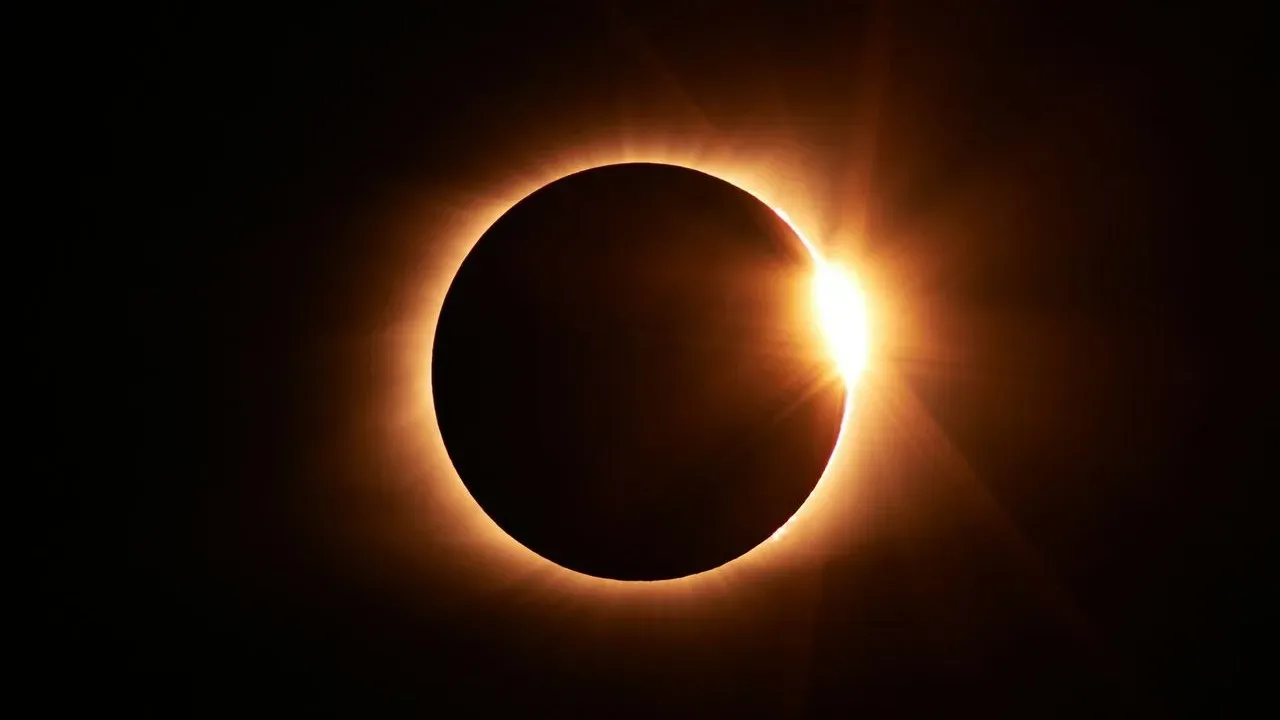

Spain stands ready for a fleeting moment of daytime darkness as the moon passes directly between Earth and the sun. The total solar eclipse arrives on Wednesday, offering some of the clearest views available anywhere in mainland Europe. Millions across northern and central regions will witness the alignment, while authorities balance the excitement with careful planning for summer conditions.
Where and When the Darkness Falls
The path of totality crosses a swath of the Iberian Peninsula, beginning near sunset and moving from northwest to southeast. Totality lasts roughly a minute in Spain after reaching its longest duration off Iceland’s coast. The event concludes over the Mediterranean, leaving observers with a brief but complete blackout of the sun’s disk.
Northern cities such as A Coruña, Bilbao, and Santiago de Compostela sit along the route, drawing visitors who secured lodging months earlier. Smaller hilltop towns like Medinaceli have already seen early arrivals staking out grassy vantage points. The spectacle remains visible in partial form across much of the country.
Practical Steps for Safe Viewing
Special eclipse glasses remain essential even when only a sliver of the sun shows. These filters block harmful radiation that can damage eyes in seconds. Pharmacies, planetariums, and shops across Spain have stocked the glasses for months, though supplies tightened in the final days.
Travelers are advised to arrive early at designated sites and follow local guidance on parking and movement. The Madrid Planetarium director has stressed that proper protection is non-negotiable for any direct look at the sun. Many viewing areas now operate with timed entry to manage crowds.
Respecting the Landscape and Communities
Spain’s interior, often called Empty Spain, hosts hundreds of official observation points set up by the Interior Ministry. Access to more than one hundred additional sites has been restricted to protect fragile environments and allow quick evacuation if needed. More than 33,500 officers will monitor roads and gathering spots.
High temperatures above 35 degrees Celsius are forecast across wide areas, adding pressure on dry vegetation. Officials urge visitors to avoid any open flames, discard litter responsibly, and steer clear of parched fields. These measures build on lessons from recent fires that affected central regions.
Anticipation Beyond the Peninsula
Farther north, a polar expedition ship circles waters near Greenland so its passengers can catch the same alignment. The captain has spent the day fine-tuning position to avoid cloud cover, turning the voyage into a shared vigil under constant daylight. Onboard, the mood mixes quiet excitement with the novelty of sudden darkness after weeks of midnight sun.
In Iceland, hotel rates in Reykjavík climbed sharply for the night, reflecting demand from visitors who booked years ahead. The capital prepares for its first total eclipse since 1954, though forecasts suggest variable skies. The event marks a rare convergence of celestial timing and human curiosity.
Observers who secure a clear view will carry the memory of sudden twilight and the sun’s brief disappearance. The careful preparations underway reflect both the wonder of the alignment and the responsibility to protect the places that host it.
AI Disclaimer: This article was created with the assistance of AI tools and reviewed by a human editor.